
What Garage Door Maintenance Does Parker, CO, Need in Dry Summer Heat?
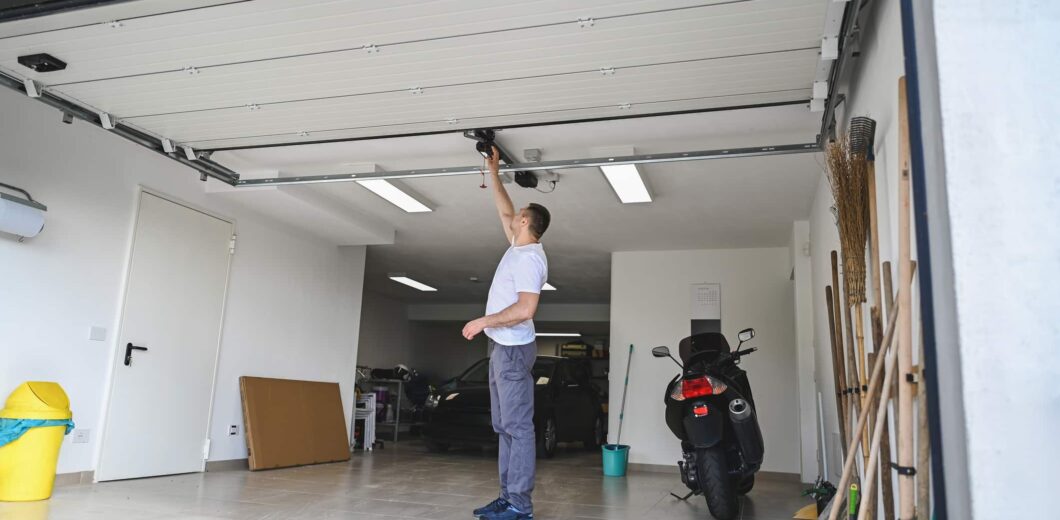
Parker’s dry summer heat dries out lubricant, cracks weatherstripping, and puts extra stress on garage door springs. A focused seasonal routine protects your door and prevents breakdowns during the hottest months.
Key Takeaways
- Dry heat dries out lubricant faster, so apply silicone-based spray twice during the summer.
- Inspect weatherstripping monthly for cracks and stiffness caused by low humidity.
- Test garage door balance before peak heat to catch spring issues early.
- Metal tracks expand and contract daily in Parker’s temperature swings, loosening hardware over time.
- Never adjust torsion springs yourself. Call a licensed technician.
| Component | Summer Risk | What to Do |
|---|---|---|
| Weatherstripping | Cracks and shrinks in dry heat | Inspect monthly, clean with mild soap, replace if stiff |
| Lubricant | Evaporates faster at low humidity | Apply silicone-based spray in June and again in late July |
| Metal tracks | Expand in heat, contract overnight | Check alignment monthly, listen for scraping sounds |
| Torsion springs | Tension shifts from thermal expansion | Test door balance, call a pro for adjustment |
| Wood panels | Dry air pulls moisture, causing warps | Inspect for splitting, apply sealant if needed |
Parker sits at over 5,800 feet in elevation, and summer temperatures regularly climb into the 90s with single-digit humidity. That combination is hard on garage doors. At Select Garage Doors, the team sees a spike in summer service calls from homeowners dealing with dried-out seals, sticky tracks, and noisy operation. The good news is that a few targeted maintenance steps can keep your garage door working smoothly all summer long.
How Does Dry Heat Damage Garage Door Parts in Parker?
Dry heat causes lubricant to evaporate faster, weatherstripping to crack, and metal components to expand and contract throughout the day.
Parker’s low humidity accelerates moisture loss from rubber seals and gaskets. Weatherstripping along the bottom and sides of the door can become brittle and start peeling away from the frame. At the same time, metal tracks, hinges, and rollers expand in the afternoon heat and contract overnight. This daily cycle loosens hardware and can throw tracks out of alignment over time. Wood doors are also at risk, as dry air pulls moisture from the panels, leading to warping or splitting. Homeowners in Parker should inspect their doors closely once temperatures stay above 85 degrees for several consecutive days.
What Lubrication Does a Garage Door Need in Summer?
Apply a silicone-based lubricant to rollers, hinges, springs, and the opener chain or screw drive at the start of summer, then reapply midseason.
Heat breaks down garage door lubricant faster than cool weather does. A silicone-based spray works best because it resists evaporation and does not attract dust or debris the way petroleum-based products can. Focus on the roller bearings, pivot points on hinges, and the full length of the torsion springs. For chain-drive openers, lightly coat the chain with white lithium grease. Skip WD-40, as it is a solvent, not a long-term lubricant, and will evaporate quickly in Parker’s dry air.
Homeowners should check these components in early June and again in late July to stay ahead of wear. For a deeper look at year-round upkeep, check out Select Garage Doors’ maintenance guide.
How Do You Protect Weatherstripping from Parker’s Summer Heat?
Inspect seals for cracks and gaps every month during summer, clean them with mild soap, and replace any sections that feel stiff or brittle.
The rubber bottom seal and side seals are your garage’s first line of defense against dust, pests, and hot air. In Parker’s dry climate, these seals lose flexibility faster than in humid regions. A quick test is to close the door at night and look for light gaps around the perimeter from inside the garage. Any visible light means the seal has shrunk or cracked.
Cleaning seals with a damp cloth and mild detergent removes grit that accelerates wear. Applying a rubber conditioner after cleaning can extend seal life by keeping the material pliable. If a seal is hard to the touch or visibly cracked, it needs to be replaced. That is a quick job a homeowner can handle with a new roll of weatherstripping from a hardware store.
Should You Test Garage Door Balance Before Summer?
Yes. An unbalanced door puts extra strain on the opener and springs during heat, so test the balance in late spring before temperatures peak.
To check the balance, disconnect the automatic opener by pulling the manual release cord. Lift the door manually to about waist height and let go. If it stays in place, the springs are properly balanced. If it falls or rises, the spring tension needs adjustment. This is especially important before summer because heat causes metal springs to expand slightly, which can shift the balance point.
An unbalanced door forces the opener motor to work harder, shortening its lifespan and raising the risk of a midseason breakdown. Spring adjustment is a job for a trained technician, as torsion springs carry enough force to cause serious injury.
When Should You Call a Pro for Summer Garage Door Problems?
Call a professional if you hear grinding or scraping sounds, notice the door moving unevenly, or see visible spring damage.
Some summer maintenance tasks are safe for homeowners: lubrication, seal inspection, track cleaning, and tightening loose bolts. Any work involving springs, cables, or track realignment should be handled by a licensed technician. A door that reverses before closing fully, shakes during operation, or makes new noises is signaling a problem that could get worse fast in the summer heat.
Select Garage Doors offers same-day service for most calls, with 90% completed the same day. The team is licensed, insured, and backs all parts with a 5-year warranty. Contact us to learn more about our services.
Frequently Asked Questions
How Often Should I Lubricate My Garage Door in Summer?
Apply silicone-based lubricant at the start of summer and again midseason. In Parker’s dry heat, lubricant breaks down faster than in humid climates, so twice during the summer months is a good baseline.
Can Summer Heat Warp My Garage Door Tracks?
Yes. Metal tracks expand in high heat and contract at night. Over time, this cycle can cause misalignment. Inspect tracks monthly and listen for scraping or grinding sounds.
Why Does My Garage Door Make More Noise in Summer?
Heat dries out the lubricant and causes the metal parts to expand. The combination creates friction and noise. Fresh lubrication and a hardware check usually quiet things down.
Is It Safe to Adjust Garage Door Springs Myself?
No. Torsion springs are under extreme tension and can cause serious injury if handled incorrectly. Always call a licensed technician for spring adjustment or replacement.
How Do I Know If My Weatherstripping Needs Replacing?
Close the door at night and look for light gaps from inside the garage. Touch the rubber seal. If it feels stiff, cracked, or pulls away from the frame, it is time for a replacement.
Does Parker’s Elevation Affect Garage Door Performance in Summer?
Yes. Higher elevation means stronger UV rays and lower humidity, both of which accelerate wear on seals, paint, and lubricant. Parker homeowners should inspect their doors more frequently during the summer. If you notice signs of wear, schedule a service request with Select Garage Doors to get ahead of any problems.
What Temperature Range Is Hardest on Garage Doors?
Days above 90 degrees combined with overnight drops into the 50s create the most thermal stress. This expansion-contraction cycle is common in Parker from June through August.
How Much Does Summer Garage Door Maintenance Cost?
A professional tune-up from Select Garage Doors includes inspection, lubrication, and safety checks at a fair upfront price with no surprises.


Looking for a deal?
Call us or to learn about our current promotions and seasonal offers.


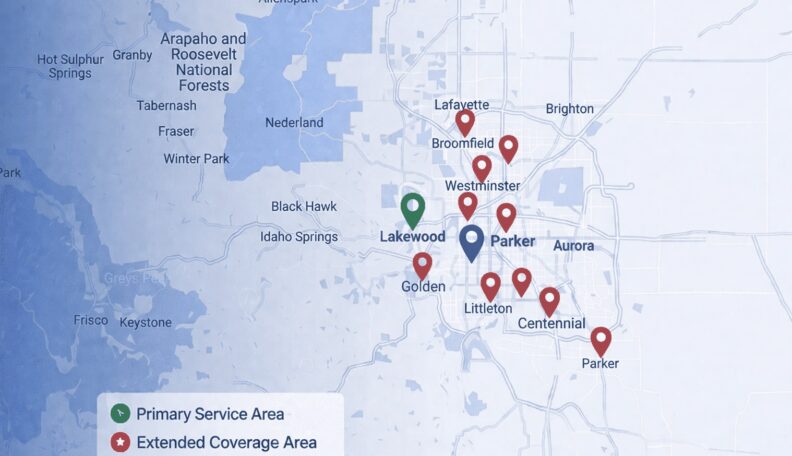
Service Area: 50+ Cities Across Metro Denver
Select Your Nearest Location
Hours: Mon-Fri 8am-5pm
Sunday Emergency Only
Avg Response Time: 18 minutes
Hours: Mon-Fri 8am-5pm
Sunday Emergency Only
Avg Response Time: 18 minutes
Hours: Mon-Fri 8am-5pm
Sunday Emergency Only
Avg Response Time: 18 minutes
Hours: Mon-Fri 8am-5pm
Sunday Emergency Only
Avg Response Time: 18 minutes
Hours: Mon-Fri 8am-5pm
Sunday Emergency Only
Avg Response Time: 18 minutes
Hours: Mon-Fri 8am-5pm
Sunday Emergency Only
Avg Response Time: 18 minutes
Hours: Mon-Fri 8am-5pm
Sunday Emergency Only
Avg Response Time: 18 minutes
Hours: Mon-Fri 8am-5pm
Sunday Emergency Only
Avg Response Time: 18 minutes
Hours: Mon-Fri 8am-5pm
Sunday Emergency Only
Avg Response Time: 18 minutes
Hours: Mon-Fri 8am-5pm
Sunday Emergency Only
Avg Response Time: 18 minutes
Hours: Mon-Fri 8am-5pm
Sunday Emergency Only
Avg Response Time: 18 minutes
Hours: Mon-Fri 8am-5pm
Sunday Emergency Only
Avg Response Time: 18 minutes
Hours: Mon-Fri 8am-5pm
Sunday Emergency Only
Avg Response Time: 18 minutes
Hours: Mon-Fri 8am-5pm
Sunday Emergency Only
Avg Response Time: 18 minutes
Hours: Mon-Fri 8am-5pm
Sunday Emergency Only
Avg Response Time: 18 minutes
We Service: Parker, Castle Rock, Greenwood Village, Lakewood, Littleton, Centennial, Highlands Ranch 40+ More Cities