


What Should Be on Your Fall Garage Door Maintenance Checklist in Parker, CO?
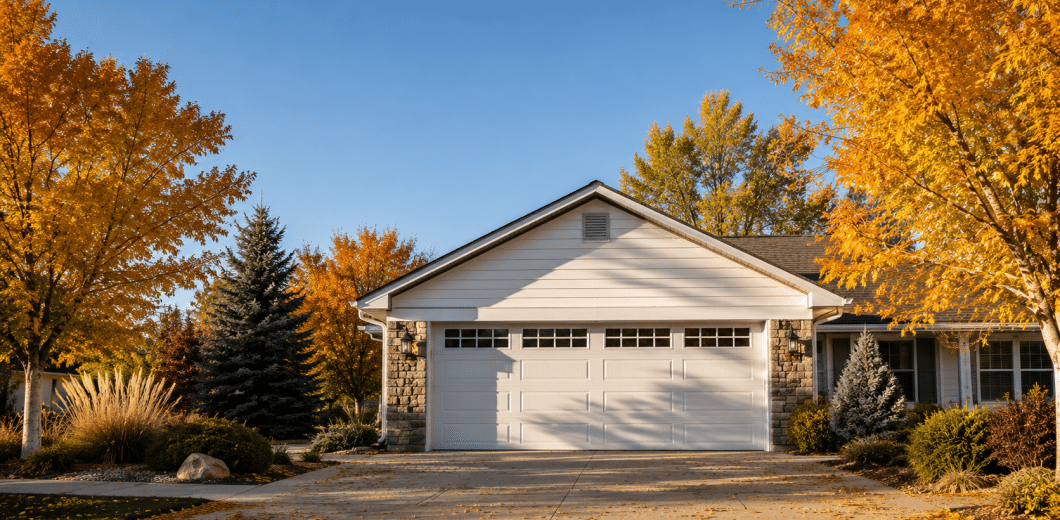
A fall garage door checklist for Parker homeowners should cover weatherstripping, lubrication, spring inspection, balance testing, safety reversal checks, and hardware tightening before cold weather arrives.
Key Takeaways
- Fall is the ideal window to catch summer wear and prep for the winter cold.
- Test door balance and safety reversal before freezing temperatures arrive.
- Replace cracked or stiff weatherstripping now, since the cold makes it worse.
- Apply fresh silicone-based lubricant so it settles before the first freeze.
- Leave spring, cable, and track work to a licensed technician.
Fall in Parker means cooler nights, dropping humidity, and the first signs of freezing temperatures on the horizon. Your garage door handles roughly 1,500 open-and-close cycles per year, and heading into winter without a tune-up puts extra strain on every moving part.
Select Garage Doors recommends a focused fall maintenance routine so your door runs smoothly through the coldest months. Here is a step-by-step checklist Parker homeowners can follow.
Why Is Fall the Best Time to Maintain Your Garage Door in Parker?
Fall gives you a window to catch wear from summer heat and prepare components for freezing temperatures before small problems become cold-weather breakdowns.
Summer in Parker dries out seals and lubricant, and winter cold stiffens springs and causes metal to contract. Fall sits between the two extremes, making it the ideal time to inspect and repair. A door that squeaks or hesitates in October will likely freeze up or fail in January.
Catching worn parts now costs less than an emergency call during a snowstorm. If your door already shows signs of trouble, reach out to Select Garage Doors for a professional inspection before winter sets in.
How Do You Inspect Weatherstripping and Seals in the Fall?
Check the bottom seal, side seals, and top header seal for cracks, gaps, or stiffness, and replace any section that no longer forms a tight fit.
Start by closing the garage door and turning off the interior lights. From inside the garage, look around the full perimeter for daylight. Any visible light means cold air and moisture will get through once winter hits. Run your hand along the bottom rubber seal and feel for hard spots or cracks.
Parker’s dry climate makes rubber lose flexibility faster, so seals that survived last winter may not hold up for another season. Cleaning the seals with mild soap removes embedded grit that speeds up deterioration.
Parker homeowners should budget for seal replacement every two to three years, especially on south-facing garage doors that take direct sun.
What Lubrication and Hardware Checks Should You Do in Fall?
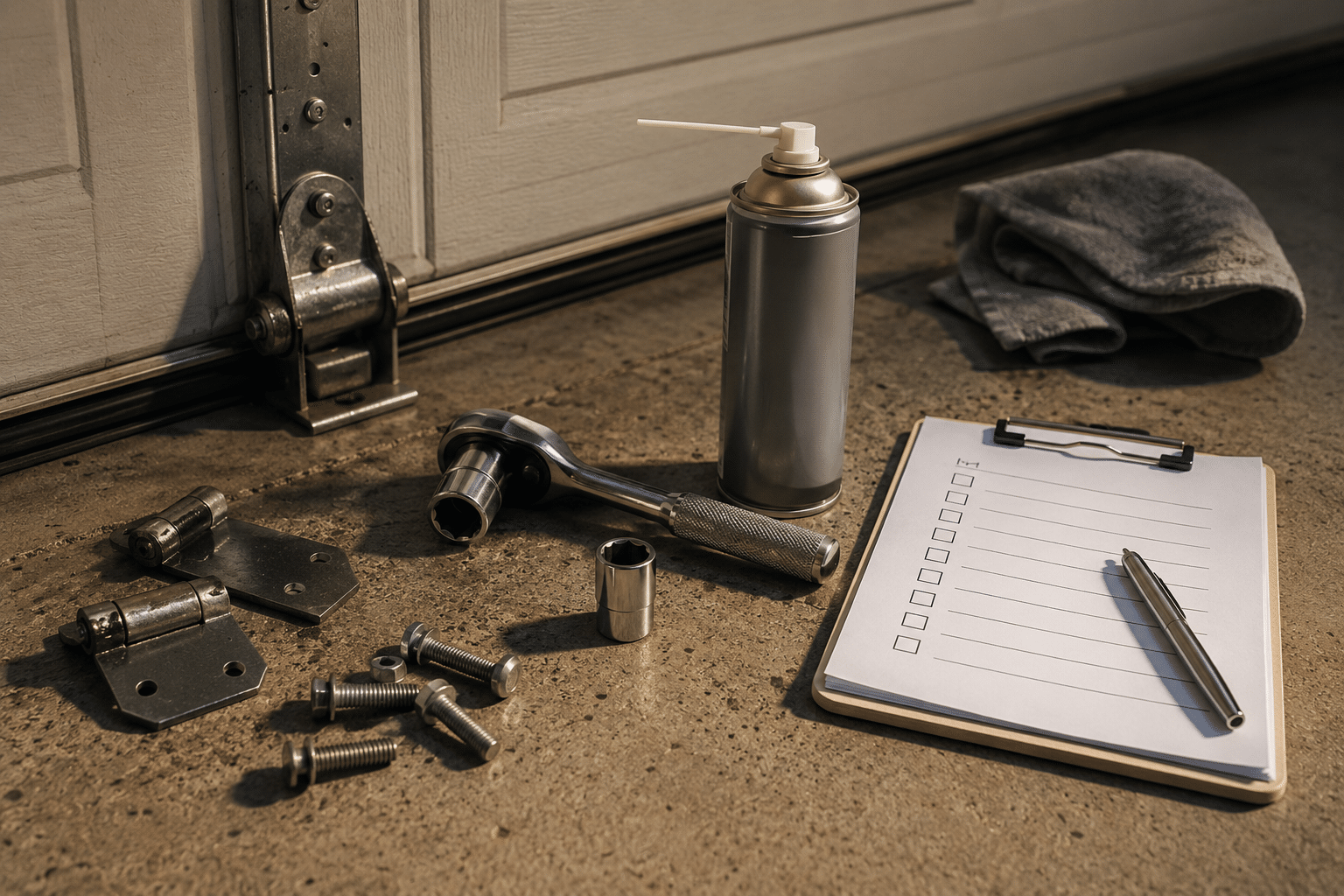 Apply silicone-based lubricant to all moving parts, and tighten every bolt, bracket, and hinge before cold weather causes metal to contract and loosen connections.
Cold temperatures thicken lubricant and slow down moving parts. Applying fresh silicone-based spray to rollers, hinges, springs, and the opener rail in the fall gives the coating time to settle before freezing weather arrives. Avoid WD-40, which is a solvent and will evaporate.
While lubricating, check every bracket, bolt, and hinge for looseness. Summer heat expands metal, and the subsequent contraction can leave fasteners slightly loose. A socket wrench and ten minutes can prevent rattling, vibration, and premature wear on the opener motor.
How Do You Test Garage Door Balance and Safety Sensors in Fall?
Disconnect the opener, lift the door halfway by hand, and check that it holds position. Then test the auto-reverse by placing an object in the door’s path.
Pull the manual release cord to disconnect the opener. Lift the door to about waist height and let go. A balanced door stays in place. If it drifts up or drops down, the springs need a tension adjustment, which is a job for a licensed technician since torsion springs are under high tension.
Next, reconnect the opener and test the safety reversal. Place a 2×4 board flat on the ground where the door closes. Close the door using the wall button. It should reverse within two seconds of touching the board.
Also, test the photoelectric sensors by waving an object through the beam while the door is closing. These sensors are required by the UL 325 safety standard and should trigger an immediate reversal.
What Parts Should a Professional Inspect Before Winter?
A professional should check spring tension, cable condition, track alignment, and opener force settings, since these require tools and training most homeowners do not have.
Springs lose tension gradually, and a technician can measure whether they are still within safe operating range. Cables fray from the inside out, so visible wear on the outside means the cable is already past its safe life. Track alignment shifts over time from vibration and thermal cycling.
A professional can also test and adjust the opener’s force settings so the door closes fully without straining the motor. Select Garage Doors offers same-day service for most calls, with 90% completed the same day. The team is licensed, insured, and backs all parts with a 5-year warranty.
Frequently Asked Questions
How Often Should I Do Fall Garage Door Maintenance?
Once in early to mid-October is a good starting point for Parker homeowners. This gives you time to order replacement parts before the first freeze, which typically arrives in late October or early November.
Can I Do All Fall Maintenance Myself?
Homeowners can handle lubrication, seal inspection, hardware tightening, and safety sensor tests. Leave spring tension adjustments, cable replacement, and track realignment to a licensed technician.
How Do I Know If My Garage Door Springs Need Replacing?
Signs include a door that feels heavy to lift manually, visible gaps in the spring coils, or a loud bang from the garage (which means a spring has already broken). A professional can measure remaining spring life during a fall inspection.
What Happens If I Skip Fall Maintenance?
Dried-out seals let cold air and moisture into the garage. Stiff components strain the opener motor. Unbalanced springs increase the risk of a midwinter failure. Repairs cost more when they are urgent and temperatures are below freezing.
Does Cold Weather Affect Garage Door Openers?
Yes. Cold thickens the lubricant and increases friction, which makes the motor work harder. Battery-backup openers may also lose charge faster in cold temperatures. Testing the opener in fall catches issues early.
Should I Insulate My Garage Door Before Winter?
If your door is uninsulated and your garage shares a wall with living space, insulation can lower heating costs and protect stored items from freezing. Insulation kits are available at hardware stores and attach directly to the inside of the door panels.
How Long Does a Fall Garage Door Tune-Up Take?
A homeowner can complete basic maintenance in about 30 minutes. A professional tune-up, including spring testing and opener calibration, usually takes under an hour.
What Does a Professional Fall Inspection Cost?
Select Garage Doors offers fair upfront pricing with no surprises. A professional inspection covers springs, cables, tracks, seals, and opener settings. Financing is also available for larger repairs.


Looking for a deal?
Call us or to learn about our current promotions and seasonal offers.


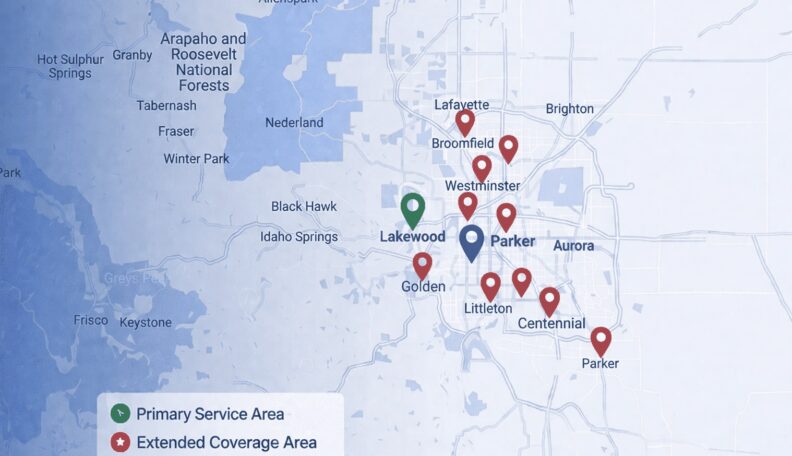
Service Area: 50+ Cities Across Metro Denver
Select Your Nearest Location
Hours: Mon-Fri 8am-5pm
Sunday Emergency Only
Avg Response Time: 18 minutes
Hours: Mon-Fri 8am-5pm
Sunday Emergency Only
Avg Response Time: 18 minutes
Hours: Mon-Fri 8am-5pm
Sunday Emergency Only
Avg Response Time: 18 minutes
Hours: Mon-Fri 8am-5pm
Sunday Emergency Only
Avg Response Time: 18 minutes
Hours: Mon-Fri 8am-5pm
Sunday Emergency Only
Avg Response Time: 18 minutes
Hours: Mon-Fri 8am-5pm
Sunday Emergency Only
Avg Response Time: 18 minutes
Hours: Mon-Fri 8am-5pm
Sunday Emergency Only
Avg Response Time: 18 minutes
Hours: Mon-Fri 8am-5pm
Sunday Emergency Only
Avg Response Time: 18 minutes
Hours: Mon-Fri 8am-5pm
Sunday Emergency Only
Avg Response Time: 18 minutes
Hours: Mon-Fri 8am-5pm
Sunday Emergency Only
Avg Response Time: 18 minutes
Hours: Mon-Fri 8am-5pm
Sunday Emergency Only
Avg Response Time: 18 minutes
Hours: Mon-Fri 8am-5pm
Sunday Emergency Only
Avg Response Time: 18 minutes
Hours: Mon-Fri 8am-5pm
Sunday Emergency Only
Avg Response Time: 18 minutes
Hours: Mon-Fri 8am-5pm
Sunday Emergency Only
Avg Response Time: 18 minutes
Hours: Mon-Fri 8am-5pm
Sunday Emergency Only
Avg Response Time: 18 minutes
We Service: Parker, Castle Rock, Greenwood Village, Lakewood, Littleton, Centennial, Highlands Ranch 40+ More Cities