

How Do You Prepare Your Parker, CO Garage Door for Winter?
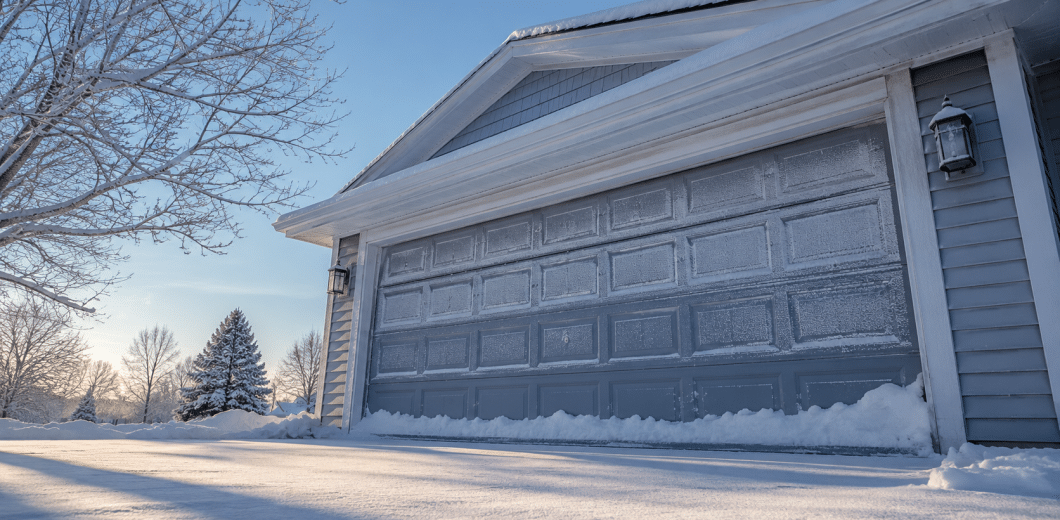
Preparing a Parker garage door for winter means replacing worn seals, lubricating with cold-rated products, checking spring tension, adding insulation, and testing safety features before freezing temperatures arrive.
Key Takeaways
- Cold causes metal springs and tracks to contract, increasing the risk of snapping or misalignment.
- Switch to a cold-rated silicone lubricant that stays fluid below freezing.
- Seal every gap around the door frame with weatherstripping or caulk to block cold air and moisture.
- Insulating an uninsulated door can lower heating costs and protect stored items from freezing.
- Test the opener, safety sensors, and manual release before a storm traps you inside or outside.
Winter in Parker brings subzero overnight lows, sudden snowstorms, and the kind of temperature swings that test every moving part on a garage door. A door that worked fine in October can freeze shut, grind along its tracks, or refuse to open on a January morning.
Select Garage Doors helps Parker homeowners avoid those problems with a focused winterization routine. Here is what to do before the cold settles in.
Why Do Garage Door Springs Break More Often in Winter?
Cold temperatures cause steel springs to contract and lose flexibility, making them more likely to snap under the stress of daily use.
Torsion springs are rated for a specific number of cycles, typically 10,000 to 15,000 for a standard residential door. Cold weather accelerates wear because the steel becomes less elastic. A spring that had a few hundred cycles of life left in fall may not survive a hard freeze.
The risk is highest in the early morning when temperatures are lowest, and the metal has been contracting all night. A broken spring leaves the door inoperable and can be dangerous. Having a technician inspect the spring condition in late fall is one of the most effective steps a homeowner can take.
What Lubricant Works Best for Garage Doors in Freezing Weather?
A cold-rated silicone-based spray stays fluid below freezing and protects moving parts without attracting moisture or dust.
Standard garage door lubricants can thicken or freeze once temperatures drop below 20 degrees. A silicone-based product rated for cold weather maintains its viscosity, keeping rollers, hinges, and springs moving freely.
Apply it to roller bearings, all hinge pivot points, the full length of the torsion springs, and the opener chain or screw rail. White lithium grease is another option for chain-drive openers, though it thickens faster than silicone in extreme cold.
Avoid WD-40, which is a solvent that evaporates and offers no lasting protection. Apply lubricant in late October or early November so the coating has time to settle before the first hard freeze.
How Do You Seal a Garage Door Against Cold Air and Snow?
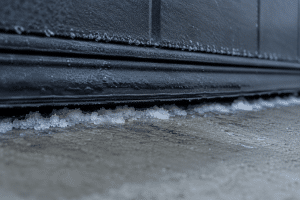 Replace worn weatherstripping along the full perimeter, fill frame gaps with caulk or sealant, and ensure the bottom seal sits flush with the ground.
Start by closing the door and checking for light gaps from inside the garage. Cold air follows the same paths as light, so any visible gap means heat loss and potential moisture intrusion. Replace the bottom rubber seal if it is cracked, stiff, or no longer touches the floor evenly.
Check side and top seals for the same wear. Use latex caulk or silicone sealant to fill gaps between the door frame and the wall. Parker homeowners with south-facing garages should pay extra attention, since sun exposure in summer often leaves seals in worse shape heading into winter.
If the door’s seals have not been replaced in three or more years, contact Select Garage Doors for a full inspection and seal replacement.
Should You Insulate Your Garage Door for Winter?
If the garage shares a wall with living space or stores items sensitive to freezing, insulation can lower heating costs and protect your belongings.
An uninsulated single-layer steel door offers almost no thermal resistance. Insulation kits with polystyrene or reflective foil panels attach directly to the inside of each door panel. For Parker homes where the garage connects to the house, this can reduce heat loss through the shared wall.
Insulated doors also keep the garage above freezing, which protects water heaters, pipes, and stored paint or chemicals. Upgrading to a factory-insulated door is a larger investment but offers the best R-value and longest lifespan.
What Safety Checks Should You Run Before Winter Storms?
Test the auto-reverse, check photoelectric sensors, verify the manual release works, and make sure the opener battery backup holds a charge.
Place a 2×4 board flat on the ground in the door’s path and press the close button. The door must reverse within two seconds of contact. Wave an object through the photoelectric sensor beam while the door is closing to confirm it triggers a reversal. These sensors are required by the UL 325 safety standard.
Next, pull the manual release cord and lift the door by hand. If a power outage hits during a storm, this is how you get out. Confirm the cord is accessible and the door moves freely.
Finally, if the opener has a battery backup, check the charge level. Cold weather drains batteries faster, and a dead backup during a winter power outage leaves the door stuck.
Parker residents can count on Select Garage Doors for same-day service on most calls, with 90% completed the same day. The team is licensed, insured, and backs all parts with a 5-year warranty.
Frequently Asked Questions
When Should I Start Winterizing My Garage Door in Parker?
Late October to early November is the best window. Parker’s first hard freeze usually arrives in November, so starting in late October gives you time to order parts and schedule a professional inspection if needed.
Can a Garage Door Freeze to the Ground?
Yes. If the bottom seal is wet when temperatures drop below freezing, it can bond to the concrete. Keeping the seal clean and applying a thin coat of silicone spray prevents this.
How Do I Keep My Garage Warmer in Winter?
Insulate the door, seal all gaps around the frame, and make sure weatherstripping forms a tight perimeter. A space heater rated for garages can supplement in extreme cold, but insulation does the most long-term good.
Will Cold Weather Shorten My Garage Door Opener’s Lifespan?
Cold increases friction on moving parts, which makes the motor work harder. Regular lubrication and a fall tune-up reduce this strain. Openers in uninsulated garages work harder than those in climate-controlled spaces.
Is It Safe to Use My Garage Door in a Snowstorm?
Yes, as long as you clear snow and ice from the base of the door before opening. Snow packed against the bottom seal can strain the opener or damage the seal when the door lifts.
How Often Should I Lubricate in Winter?
Apply cold-rated silicone lubricant once before the first freeze and again in mid-January. If you hear squeaking or notice the door moving slowly, add a fresh coat sooner.
What Does a Professional Winter Inspection Cover?
A technician will check spring tension, cable condition, track alignment, opener force settings, seal integrity, and safety sensor operation. Select Garage Doors offers fair upfront pricing with no surprises, and financing is available for larger repairs.
Do I Need a Battery Backup for My Garage Door Opener?
In Parker, where winter power outages happen, a battery backup lets you open and close the door without electricity. If the opener does not have one built in, aftermarket kits are available for most models.


Looking for a deal?
Call us or to learn about our current promotions and seasonal offers.


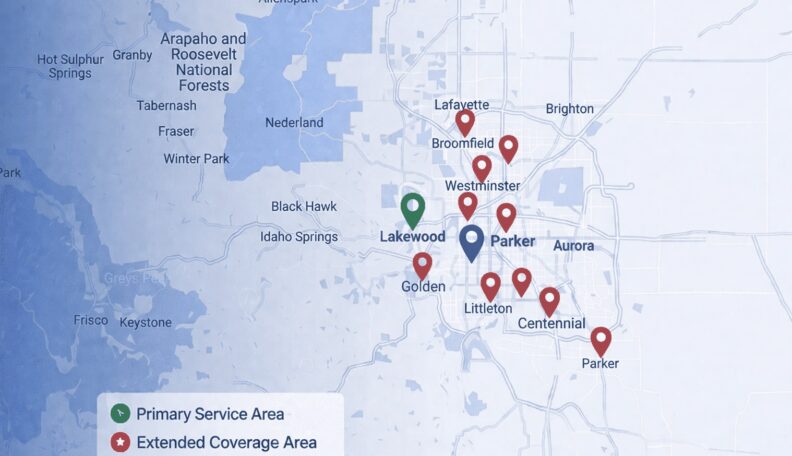
Service Area: 50+ Cities Across Metro Denver
Select Your Nearest Location
Hours: Mon-Fri 8am-5pm
Sunday Emergency Only
Avg Response Time: 18 minutes
Hours: Mon-Fri 8am-5pm
Sunday Emergency Only
Avg Response Time: 18 minutes
Hours: Mon-Fri 8am-5pm
Sunday Emergency Only
Avg Response Time: 18 minutes
Hours: Mon-Fri 8am-5pm
Sunday Emergency Only
Avg Response Time: 18 minutes
Hours: Mon-Fri 8am-5pm
Sunday Emergency Only
Avg Response Time: 18 minutes
Hours: Mon-Fri 8am-5pm
Sunday Emergency Only
Avg Response Time: 18 minutes
Hours: Mon-Fri 8am-5pm
Sunday Emergency Only
Avg Response Time: 18 minutes
Hours: Mon-Fri 8am-5pm
Sunday Emergency Only
Avg Response Time: 18 minutes
Hours: Mon-Fri 8am-5pm
Sunday Emergency Only
Avg Response Time: 18 minutes
Hours: Mon-Fri 8am-5pm
Sunday Emergency Only
Avg Response Time: 18 minutes
Hours: Mon-Fri 8am-5pm
Sunday Emergency Only
Avg Response Time: 18 minutes
Hours: Mon-Fri 8am-5pm
Sunday Emergency Only
Avg Response Time: 18 minutes
Hours: Mon-Fri 8am-5pm
Sunday Emergency Only
Avg Response Time: 18 minutes
Hours: Mon-Fri 8am-5pm
Sunday Emergency Only
Avg Response Time: 18 minutes
Hours: Mon-Fri 8am-5pm
Sunday Emergency Only
Avg Response Time: 18 minutes
We Service: Parker, Castle Rock, Greenwood Village, Lakewood, Littleton, Centennial, Highlands Ranch 40+ More Cities