

How Routine Maintenance Helps Improve the Lifespan of Commercial Garage Doors in Parker
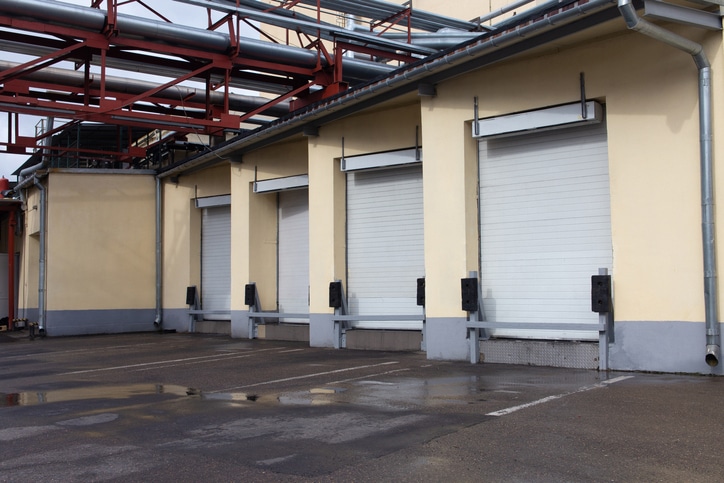
Commercial garage doors in Parker, CO face heavy daily use, extreme temperature swings, and strict safety requirements that make scheduled maintenance essential. Select Garage Doors helps Parker business owners prevent unplanned downtime by inspecting, lubricating, and adjusting high-cycle commercial door systems before small issues become expensive failures.
Table of Contents
- Why Commercial Doors Need a Different Maintenance Approach
- Critical Maintenance Tasks for Parker Commercial Doors
- When to Schedule Commercial Door Service
- Protect Your Parker Business With Proactive Door Care
- FAQ
A commercial garage door that stops working during business hours costs more than the repair bill. It stalls deliveries, blocks vehicle access, and can shut down an entire loading dock until a technician arrives. For warehouses, auto shops, and retail storefronts across Parker, CO, that kind of disruption is avoidable with the right maintenance schedule. Select Garage Doors works with Parker business owners and property managers to keep commercial door systems running reliably through every season.
Colorado’s Front Range climate puts unique stress on commercial doors. Winter temperatures in the Denver metro area can drop below zero overnight, then climb above freezing by midday. That repeated freeze-thaw cycle warps metal tracks, hardens lubricant, and fatigues torsion springs faster than the manufacturer’s rated cycle count would suggest. Summer heat and UV exposure dry out weatherstripping and degrade rubber seals. A maintenance plan built for local conditions catches these problems early.
Critical Maintenance Tasks for Parker Commercial Doors
Why Do Commercial Doors Need a Different Maintenance Approach Than Residential Ones?
Commercial garage doors cycle far more often than residential doors, sometimes hundreds of times per day in a busy warehouse or distribution facility. That higher cycle count accelerates wear on springs, cables, rollers, and opener motors in ways that residential maintenance schedules simply do not account for. Parker businesses need a maintenance cadence matched to actual usage, not a generic annual checklist.
A typical residential garage door opens and closes four to six times a day. A loading dock door at a Parker distribution center might cycle 50 to 100 times in the same period. That difference is not just about frequency. Commercial doors are heavier, use larger torsion spring assemblies, and rely on industrial-grade openers that generate more heat and endure more mechanical stress per cycle.
High-traffic commercial doors also face safety obligations that residential systems do not. OSHA requires employers to maintain overhead doors in safe working condition, and NFPA 80 mandates annual inspections of fire-rated commercial doors by qualified personnel. Failing an inspection or experiencing a door-related injury on your property creates liability that goes well beyond the cost of a spring replacement.
How Often Should Parker Businesses Service Commercial Garage Doors?
Most Parker commercial properties benefit from quarterly maintenance at minimum, with monthly visual inspections performed by on-site staff between service visits. High-cycle environments like auto repair shops, fire stations, and distribution warehouses should increase that to bimonthly professional service to stay ahead of wear.
The table below outlines a practical maintenance schedule based on door usage. These intervals account for Colorado’s climate, where temperature extremes accelerate component degradation beyond what manufacturers project for moderate climates.
| Usage Level | Daily Cycles | Professional Service Interval | Staff Visual Check |
|---|---|---|---|
| Standard (retail, small office) | 10–20 | Every 6 months | Monthly |
| Moderate (auto shops, multi-bay facilities) | 20–60 | Quarterly | Biweekly |
| High-traffic (warehouses, distribution centers) | 60–150+ | Every 2 months | Weekly |
Staff visual checks do not require technical knowledge. They involve listening for grinding or scraping sounds, checking for visible cable fraying, and watching for uneven door travel. If a staff member notices any of those signs, the right move is to call for a professional inspection before operating the door further.
What Does a Commercial Garage Door Inspection Actually Cover?
A thorough commercial door inspection covers every mechanical and electrical component in the system: torsion springs, cables, rollers, hinges, tracks, panels, weatherstripping, safety sensors, and the opener motor. In Parker, the inspection should also evaluate weather-related wear patterns specific to Colorado’s Front Range climate.
Springs are the most failure-prone component on any commercial door. A standard torsion spring is rated for 10,000 to 15,000 cycles. On a high-traffic commercial door cycling 100 times per day, that means a spring could reach end of life in as little as three to five months. High-cycle springs rated for 50,000 or 100,000 cycles last longer, but they still need tension checks and corrosion inspection at every service visit.
Cables and rollers degrade together. A worn roller creates uneven friction on the cable, which causes fraying. Frayed cables are a safety hazard and a code violation on commercial properties. During each inspection, the technician checks cable tension, examines each strand for wear, and replaces rollers that show flat spots or bearing failure.
Track alignment matters more on commercial doors because of the weight involved. A sectional commercial door can weigh 300 to 500 pounds or more. Even a quarter-inch of track misalignment creates binding that strains the opener motor and accelerates wear on every moving part in the system. Adjusting track alignment is a standard part of any commercial maintenance visit from Select Garage Doors commercial repair service.
How Does Colorado Weather Affect Commercial Garage Doors in Parker?
Parker sits at roughly 5,900 feet of elevation along Colorado’s Front Range, where winter nights regularly drop below zero and afternoon temperatures can swing 40 degrees or more in a single day. That constant thermal cycling causes metal components to expand and contract repeatedly, which loosens hardware, cracks lubricant films, and fatigues springs faster than in milder climates.
Freeze-thaw is the biggest seasonal challenge. When moisture collects at the base of a commercial door and freezes overnight, the bottom seal can bond to the concrete floor. Forcing the door open with the motor in this condition can strip the opener gears, snap cables, or tear the bottom panel. Preventive steps include applying silicone-based lubricant to the bottom seal before winter and making sure floor drains near the door are clear.
Wind is another Front Range factor. Parker regularly experiences gusts above 50 mph during spring and fall. Commercial doors with large surface areas act like sails under wind load. High-wind events can bend tracks, pop rollers out of channels, and strain the opener beyond its rated capacity. After any major wind event, a visual inspection of the tracks and hardware is worth the five minutes it takes.
Summer brings its own challenges. UV exposure and sustained heat above 90 degrees degrade rubber weatherstripping and plastic components. A door that sealed properly in April may have visible gaps by August. Replacing weatherstripping every two to three years is a minor cost that protects your building’s interior climate and energy efficiency.
What Is the Real Cost of Skipping Commercial Door Maintenance?
The cost of a single emergency commercial door repair often exceeds what a full year of quarterly maintenance visits would cost. Add lost revenue from a blocked loading dock or shuttered storefront, and reactive maintenance becomes the most expensive approach a Parker business can take.
Consider a Parker auto shop with two commercial bay doors. If one door fails during business hours, that bay is out of service until the repair is complete. Depending on the failure, parts availability, and scheduling, that could mean several hours or a full day of lost productivity. For a shop billing labor at standard rates, even a partial day of lost bay access represents significant revenue loss that far outweighs the cost of preventing the failure.
Beyond direct costs, there are compliance considerations. Douglas County building codes and OSHA regulations require commercial overhead doors to be maintained in safe operating condition. A door failure that injures an employee or customer creates liability exposure that no business owner wants. Documentation of regular maintenance visits provides a paper trail showing your business takes safety obligations seriously.
Preventive maintenance also protects your investment in the door itself. A well-maintained commercial garage door can last 15 to 30 years. A neglected one may need full replacement in under 10 years. The difference between those two timelines represents thousands of dollars in capital expenditure that proper maintenance defers.
What Can On-Site Staff Do Between Professional Service Visits?
On-site staff can handle basic visual and auditory checks that catch emerging problems early. These checks take five to ten minutes, require no special tools, and can prevent small issues from escalating into emergency repairs that shut down operations.
Start with a visual scan every time the door operates. Watch for jerky or uneven movement, listen for grinding or popping sounds, and look at the cables for visible fraying or slack. Check that the safety sensors at the base of the door are clean, aligned, and responding correctly. Test the auto-reverse feature by placing a two-by-four on the ground in the door’s path. The door should reverse immediately on contact.
Lubrication is one task staff can safely perform. Apply a silicone-based garage door lubricant to the rollers, hinges, and springs every three months. Avoid using WD-40 or general-purpose oils. Those products attract dust and grime, which accelerates wear rather than preventing it. Use a lubricant specifically formulated for garage door systems.
Keep the tracks clean. Dirt, debris, and ice buildup in the tracks cause the door to bind and put extra strain on the opener. Wipe the tracks with a damp cloth regularly, especially during spring when Parker’s wind carries grit and dust into every opening. Never apply lubricant to the tracks themselves. The rollers need to grip the track surface to operate correctly.
When to Schedule Commercial Door Service
Some situations call for immediate professional service rather than waiting for the next scheduled maintenance visit. Knowing the difference between a minor observation and an urgent issue helps Parker business owners avoid both unnecessary service calls and dangerous delays.
Call for service right away if you notice any of the following: the door reverses direction unexpectedly during operation, cables appear frayed or have visible broken strands, the door hangs unevenly or at an angle when partially open, the opener motor runs but the door does not move, or you hear a loud bang from the spring area (which typically indicates a broken torsion spring).
A broken torsion spring on a commercial door is never a situation for on-site staff to address. These springs are under extreme tension and can cause serious injury if handled improperly. Keep the door in its current position and call 720-339-2442 to schedule a repair.
Seasonal transitions are also good times to schedule service proactively. In Parker, booking a maintenance visit in late October prepares your doors for winter freeze-thaw cycles. A second visit in early April addresses any winter wear and resets lubrication for the warmer months. Douglas County businesses with high-cycle doors should add summer and midsummer visits to that rotation.
Protect Your Parker Business With Proactive Door Care
A commercial garage door is not just an access point. It is a piece of operational infrastructure that affects your revenue, your safety compliance, and your building’s energy efficiency every day it operates. Reactive repairs will always cost more than scheduled maintenance, both in direct expense and in the business disruption they cause.
Select Garage Doors works with Parker business owners and property managers to build maintenance schedules matched to actual door usage and local climate conditions. Whether you operate a single retail storefront or manage multiple warehouse bays across the Denver metro area, consistent maintenance keeps your doors safe, compliant, and reliable.
We serve Parker, Castle Rock, Greenwood Village, Lakewood, and the greater Denver metro area.
Schedule your commercial door maintenance or call 720-339-2442 to discuss a maintenance plan for your property.
Frequently Asked Questions
How often should a commercial garage door be serviced in Parker, CO?
Most Parker commercial properties should schedule professional maintenance quarterly. High-cycle facilities like warehouses and auto shops benefit from bimonthly service, especially given Colorado’s temperature extremes.
Can my staff perform any commercial garage door maintenance?
Yes. Staff can handle visual inspections, lubrication with silicone-based products, and track cleaning between professional visits. Spring, cable, and opener repairs should always be left to a trained technician.
How long does a commercial garage door last with regular maintenance?
A well-maintained commercial garage door typically lasts 15 to 30 years depending on usage volume and environmental conditions. Without regular maintenance, that lifespan can drop below 10 years.
Does Colorado weather really affect commercial garage door lifespan?
Yes. Freeze-thaw cycles, high winds, and UV exposure along the Front Range accelerate wear on springs, tracks, and weatherstripping beyond what manufacturers project for moderate climates.
What are signs a commercial garage door needs immediate repair?
Frayed cables, a door hanging at an angle, unexpected reversals during operation, or a loud bang from the spring area all indicate the door needs professional attention before further use.

Looking for a deal?
Call us or to learn about our current promotions and seasonal offers.


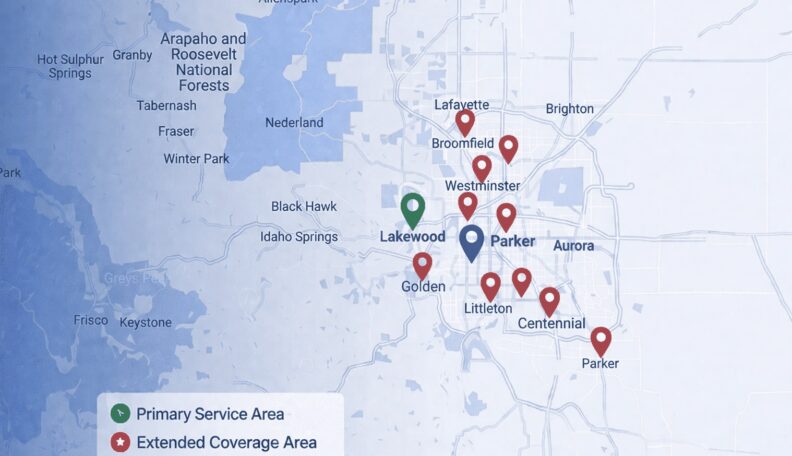
Service Area: 50+ Cities Across Metro Denver
Select Your Nearest Location
Hours: Mon-Fri 8am-5pm
Sunday Emergency Only
Avg Response Time: 18 minutes
Hours: Mon-Fri 8am-5pm
Sunday Emergency Only
Avg Response Time: 18 minutes
Hours: Mon-Fri 8am-5pm
Sunday Emergency Only
Avg Response Time: 18 minutes
Hours: Mon-Fri 8am-5pm
Sunday Emergency Only
Avg Response Time: 18 minutes
Hours: Mon-Fri 8am-5pm
Sunday Emergency Only
Avg Response Time: 18 minutes
Hours: Mon-Fri 8am-5pm
Sunday Emergency Only
Avg Response Time: 18 minutes
Hours: Mon-Fri 8am-5pm
Sunday Emergency Only
Avg Response Time: 18 minutes
Hours: Mon-Fri 8am-5pm
Sunday Emergency Only
Avg Response Time: 18 minutes
Hours: Mon-Fri 8am-5pm
Sunday Emergency Only
Avg Response Time: 18 minutes
Hours: Mon-Fri 8am-5pm
Sunday Emergency Only
Avg Response Time: 18 minutes
Hours: Mon-Fri 8am-5pm
Sunday Emergency Only
Avg Response Time: 18 minutes
Hours: Mon-Fri 8am-5pm
Sunday Emergency Only
Avg Response Time: 18 minutes
Hours: Mon-Fri 8am-5pm
Sunday Emergency Only
Avg Response Time: 18 minutes
Hours: Mon-Fri 8am-5pm
Sunday Emergency Only
Avg Response Time: 18 minutes
Hours: Mon-Fri 8am-5pm
Sunday Emergency Only
Avg Response Time: 18 minutes
We Service: Parker, Castle Rock, Greenwood Village, Lakewood, Littleton, Centennial, Highlands Ranch 40+ More Cities