

Top Benefits of Insulated Commercial Custom Garage Doors
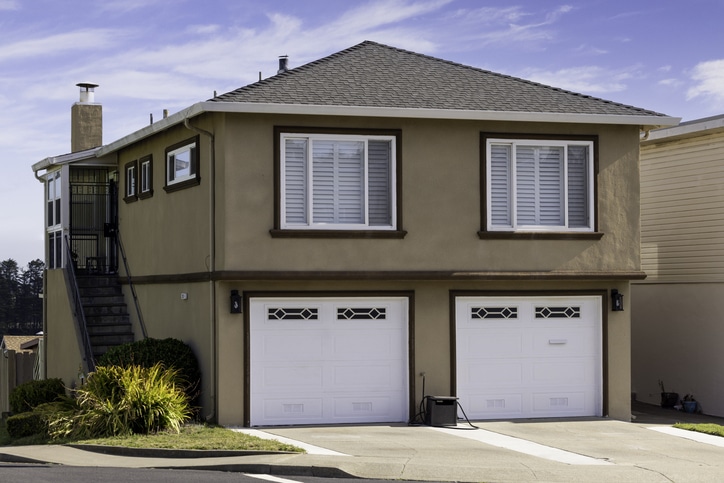
Insulated commercial garage doors reduce energy costs, control interior temperatures, and last longer than non-insulated alternatives in Parker, CO’s high-altitude climate. Select Garage Doors installs and services insulated commercial door systems built to handle the Denver metro area’s temperature extremes and elevation-specific wear.
Commercial garage doors in Parker, CO face conditions that most manufacturers do not design for at sea level. Daily temperature swings of 40 to 60 degrees, intense UV at nearly 6,000 feet of elevation, and winter lows that drop below zero all put stress on a non-insulated door. Select Garage Doors works with Parker businesses to install insulated commercial door systems that perform in these conditions year-round.
Benefits of Insulated Commercial Garage Doors in Parker
How much energy can an insulated commercial door save?
Upgrading from a non-insulated to an insulated commercial garage door can reduce heat loss through that opening by 50 to 70 percent, which translates directly to lower heating and cooling costs for conditioned workspace. In Parker, where winter heating bills spike from November through March, that reduction is measurable on the first utility cycle after installation.
The energy savings depend on the R-value of the door. Polyurethane-insulated steel doors typically deliver R-values between R-12 and R-18, while polystyrene-insulated doors range from R-6 to R-10. For Parker warehouses, workshops, and service bays that keep doors cycling 30 or more times per day, the higher R-value pays for itself faster because conditioned air escapes with every cycle. A well-insulated door minimizes the loss per cycle.
Businesses operating in the Denver metro area that rely on temperature-sensitive environments, such as food storage, auto body shops, or pharmaceutical distribution, need insulated doors to maintain compliance with storage regulations. A commercial garage door installation in Parker with proper insulation values is an operational requirement for these businesses, not an optional upgrade.
Do insulated doors hold up better in Colorado’s climate?
Yes. Insulated commercial doors are structurally stronger than single-skin doors because the insulation core bonds the inner and outer steel skins together, creating a rigid panel that resists denting, warping, and wind damage. Parker’s Front Range location exposes buildings to straight-line winds that regularly exceed 50 mph and hail events that average 9 to 10 days per year.
A non-insulated single-skin door flexes under wind load and dents easily from hail impact. Once a panel is dented or warped, it no longer sits flush in the track, which creates binding, uneven wear on the opener, and gaps that let in cold air. An insulated panel absorbs impact better and maintains its shape over years of cycling. That added durability means fewer repair calls and longer intervals between replacements.
| Feature | Non-Insulated Door | Insulated Door (Polyurethane) |
|---|---|---|
| R-Value | R-0 to R-2 | R-12 to R-18 |
| Panel construction | Single steel skin | Steel-polyurethane-steel sandwich |
| Hail/impact resistance | Low (flexes, dents easily) | High (rigid core absorbs impact) |
| Noise reduction | Minimal | Significant (dampens vibration) |
| Lifespan at altitude | Shorter (UV and temp cycling degrade faster) | Longer (protected core, less warping) |
How does insulation reduce noise in a commercial space?
The insulation core inside a commercial door panel dampens vibration and blocks exterior noise, which makes a measurable difference in warehouses, service bays, and workshops located near busy roads or residential areas in Parker. A non-insulated steel door resonates like a drum every time it cycles, and it transmits traffic noise, wind, and equipment sound from neighboring properties.
For Parker businesses near main corridors like Parker Road or Mainstreet, noise reduction from an insulated door creates a better working environment and reduces complaints from adjacent businesses or nearby homes. The noise difference between a single-skin and an insulated door during a wind event is dramatic.
Does insulation protect inventory and equipment?
Insulated doors maintain a more stable interior temperature, which protects temperature-sensitive inventory from damage caused by rapid heating and cooling cycles. Parker’s daily temperature swings of 40 to 60 degrees mean a non-insulated warehouse can see interior temperatures shift by 20 degrees or more between morning and afternoon.
Electronics, coatings, adhesives, food products, and pharmaceuticals all have storage temperature ranges. Even products that are not technically temperature-sensitive last longer when stored in a stable environment. Moisture condensation caused by rapid temperature shifts creates rust on metal parts, mold on organic materials, and corrosion on electronics. Insulated doors reduce these swings and the damage they cause.
When to Upgrade to an Insulated Commercial Door
If your Parker business has a non-insulated commercial door and you are seeing high energy bills, temperature complaints from employees, condensation on interior surfaces, or increasing repair frequency from panel damage, an insulated replacement will address all four problems at once. The installation typically takes one day for a standard single-bay opening, and Select Garage Doors handles the full process from measurement through final adjustment.
Businesses planning to condition or climate-control their workspace should install insulated doors before investing in HVAC upgrades. Conditioning a space with a non-insulated door is like heating a house with the windows open. If your existing door has commercial garage door repair needs beyond cosmetic dents, upgrading to an insulated system may cost less over three years than repairing an aging non-insulated door.
Get an Insulated Commercial Door for Your Parker Business
The right insulated commercial door pays for itself through energy savings, reduced repair costs, and longer service life. Select Garage Doors helps Parker businesses choose the correct insulation value, panel gauge, and configuration for their specific operation. Call 720-339-2442 to schedule a commercial door assessment.
We serve Parker, Castle Rock, Greenwood Village, Lakewood, and the greater Denver metro area.
Frequently Asked Questions
What R-value should a commercial garage door have in Parker, CO?
For conditioned commercial spaces in Parker, target R-12 or higher with polyurethane insulation. Unconditioned storage that needs temperature moderation can use R-6 to R-10 polystyrene doors.
How long does an insulated commercial garage door last in Colorado?
A quality insulated commercial door typically lasts 15 to 25 years with regular maintenance. The insulated core protects the steel skins from the warping and fatigue that shortens the life of non-insulated doors at altitude.
Will an insulated door work with my existing commercial opener?
Insulated doors are heavier than non-insulated models, so the opener may need a torque or horsepower upgrade. Select Garage Doors evaluates the opener during the pre-installation assessment and recommends changes if needed.
Can I insulate my existing commercial garage door instead of replacing it?
Retrofit insulation kits exist, but they add less than R-4 in most cases and lack the structural bonding that makes factory-insulated doors more durable. For commercial applications in Parker’s climate, a factory-insulated replacement delivers better long-term value.



Looking for a deal?
Call us or to learn about our current promotions and seasonal offers.


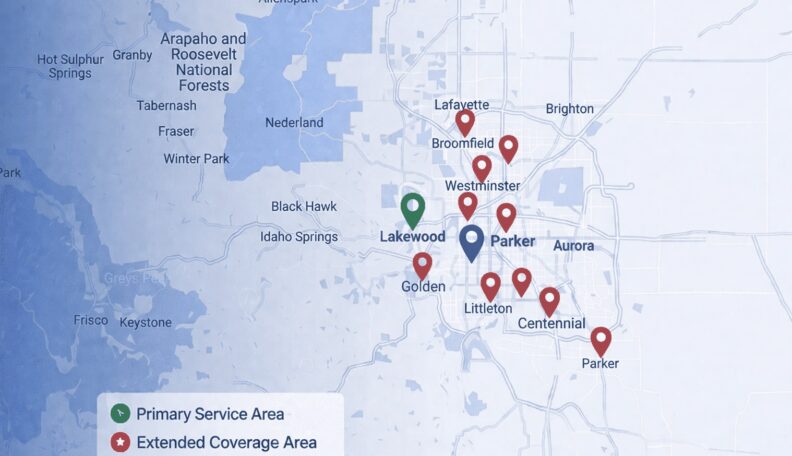
Service Area: 50+ Cities Across Metro Denver
Select Your Nearest Location
Hours: Mon-Fri 8am-5pm
Sunday Emergency Only
Avg Response Time: 18 minutes
Hours: Mon-Fri 8am-5pm
Sunday Emergency Only
Avg Response Time: 18 minutes
Hours: Mon-Fri 8am-5pm
Sunday Emergency Only
Avg Response Time: 18 minutes
Hours: Mon-Fri 8am-5pm
Sunday Emergency Only
Avg Response Time: 18 minutes
Hours: Mon-Fri 8am-5pm
Sunday Emergency Only
Avg Response Time: 18 minutes
Hours: Mon-Fri 8am-5pm
Sunday Emergency Only
Avg Response Time: 18 minutes
Hours: Mon-Fri 8am-5pm
Sunday Emergency Only
Avg Response Time: 18 minutes
Hours: Mon-Fri 8am-5pm
Sunday Emergency Only
Avg Response Time: 18 minutes
Hours: Mon-Fri 8am-5pm
Sunday Emergency Only
Avg Response Time: 18 minutes
Hours: Mon-Fri 8am-5pm
Sunday Emergency Only
Avg Response Time: 18 minutes
Hours: Mon-Fri 8am-5pm
Sunday Emergency Only
Avg Response Time: 18 minutes
Hours: Mon-Fri 8am-5pm
Sunday Emergency Only
Avg Response Time: 18 minutes
Hours: Mon-Fri 8am-5pm
Sunday Emergency Only
Avg Response Time: 18 minutes
Hours: Mon-Fri 8am-5pm
Sunday Emergency Only
Avg Response Time: 18 minutes
Hours: Mon-Fri 8am-5pm
Sunday Emergency Only
Avg Response Time: 18 minutes
We Service: Parker, Castle Rock, Greenwood Village, Lakewood, Littleton, Centennial, Highlands Ranch 40+ More Cities