


How Does Strong Wind Affect a Garage Door in Lakewood?
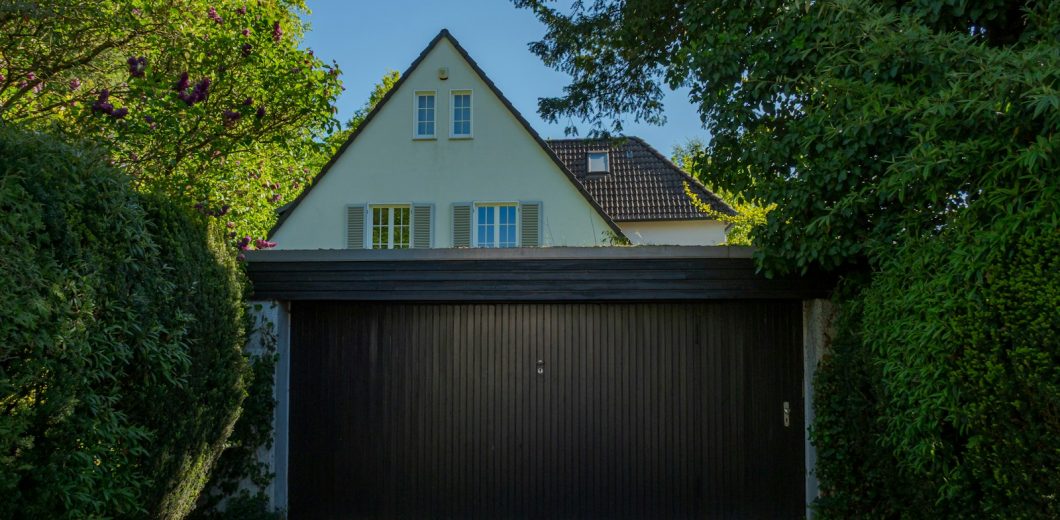
Strong wind affects a Lakewood garage door by flexing the panels, pushing the door against its tracks, and forcing grit and debris into the rollers and seals. Over time that pressure loosens hardware and bends tracks out of alignment.
Key Takeaways
- A garage door is the largest moving surface on most homes, so it takes more wind load than any other opening.
- Repeated flexing works bolts loose and pushes rollers against the side of the track.
- Wind-driven grit wears seals and finds its way into roller bearings and hinge pivots.
- Doors left partly open in high wind are far more vulnerable than doors fully closed.
- Select Garage Doors is licensed, insured and veteran-owned, with 1,900+ five-star reviews.
Wind is easy to underestimate as a garage door problem because the damage is cumulative rather than dramatic. A gusty week does not break anything. Several seasons of gusty weeks loosen the hardware that holds everything square. Select Garage Doors sees the result as doors that have slowly gone out of alignment without any single event to point at.
Why Is a Garage Door So Exposed to Wind?
It is a large, flat, lightweight panel on the most exposed face of the house, and unlike a wall it is designed to move rather than resist.
A double garage door presents a wide surface to any gust that reaches it. Walls transfer that load into the structure. A garage door transfers it into rollers, tracks, hinges and brackets, which are the parts that then take the strain.
The companion article on what to check on a garage door after hail season covers the storm-damage side of the same exposure.
What Does Wind Damage Actually Look Like?
Look for panels that flex visibly in gusts, rollers sitting hard against one side of the track, loosened bracket bolts, and scuff marks where metal has been rubbing.
Flexing is the first sign and the easiest to see. Stand inside the closed garage on a windy day and watch the panels. A small amount of movement is normal. Panels that visibly bow are carrying more load than they should.
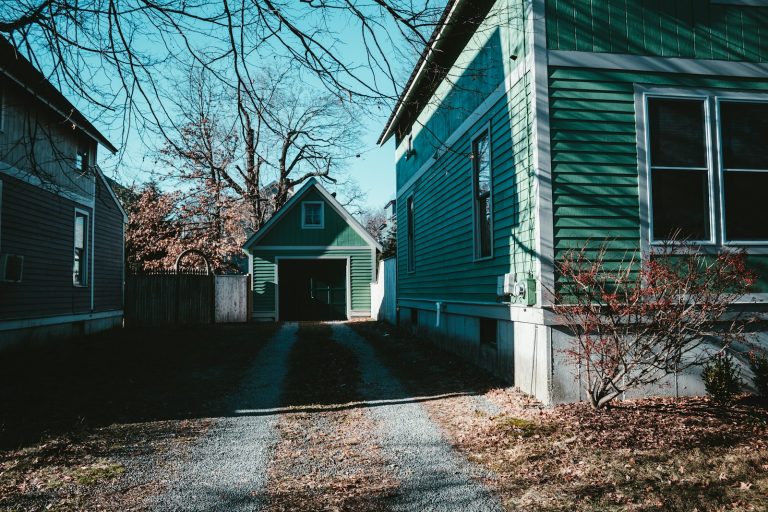
Scuffing tells the longer story. Bright marks on the track, or wear on one side of a roller, mean the door has been pushed sideways repeatedly. Anyone seeing this can find the Lakewood location on Google Maps and arrange a look.
Does Wind-Blown Grit Cause Problems Too?
Yes. Fine grit driven into roller bearings, hinge pivots and the bottom seal acts like a very slow abrasive, and it is a major reason doors get noisier over a season.
Rollers are the most affected. Their bearings are small, and once grit works in, the roller stops turning smoothly and starts dragging along the track instead.
Seals suffer as well. Grit held against rubber by wind pressure gradually scores it, which is why a seal in an exposed position wears faster than one on a sheltered door. Homeowners in Lakewood with west-facing garages tend to see this first.
| What You Notice | What Wind Has Done | What It Needs |
|---|---|---|
| Panels bow during gusts | Door is carrying high wind load | Assessment of bracing and fixings |
| Rattling when closed | Hardware has worked loose | Tightening and inspection |
| Scuff marks on the track | Door pushed sideways repeatedly | Track and roller check |
| Grinding that got worse slowly | Grit in the roller bearings | Roller replacement |
| Draught along the bottom | Seal scored by wind-driven grit | Seal replacement |
How Should a Garage Door Be Protected in High Wind?
Keep the door fully closed rather than partly open, keep the hardware tight, and have an exposed door inspected after a severe wind event rather than waiting for a symptom.
A partly open door is the worst case, because wind gets underneath it and lifts. A fully closed door is held along its whole bottom edge and behaves far better.
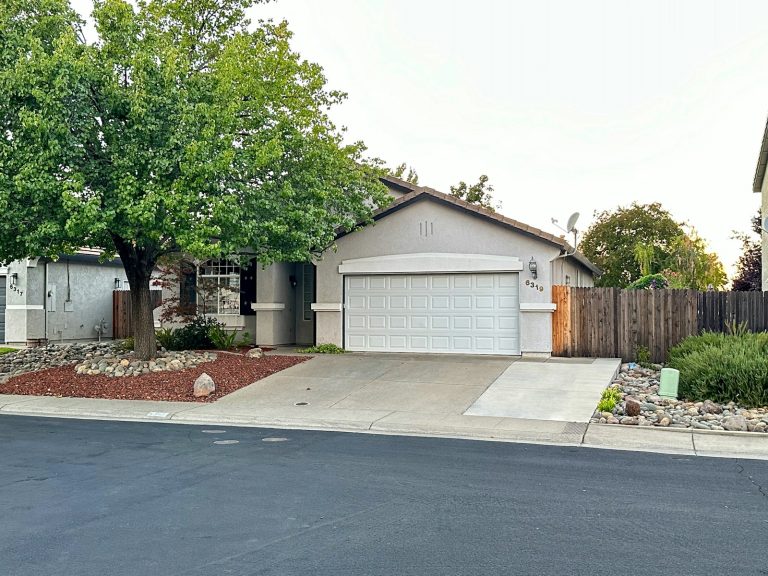
After a severe blow, a short inspection is worth the time. A technician checks track alignment, bracket tightness, roller condition and door balance, and catches the slow misalignment that wind causes before it starts damaging the opener. Homeowners can contact us to arrange that. The call line is staffed 24/7, with service scheduled during regular business hours.
What Does Wind Damage Cost a Homeowner Over Time?
The cost is rarely one repair. It is a series of small ones, because a door that has been pushed out of square wears every other part faster than it should.
Once the tracks are no longer parallel, the rollers run against one flange instead of down the middle. Those rollers wear out early. The opener works harder, so it ages faster. The seal no longer meets the floor evenly, so draughts and moisture get in, and the bottom bracket starts to corrode.
None of those arrive together. They arrive one at a time over two or three seasons, which is why wind damage often gets misdiagnosed as an old door that is simply past its best. In many cases the door is sound and the alignment is not.
The practical takeaway is that realigning a wind-affected door early is far cheaper than replacing the parts it damages while it stays misaligned. A door that has been through several exposed winters without a check is worth having assessed even if nothing has obviously failed yet.
Frequently Asked Questions
Should a garage door be left open during high wind?
No. A closed door is supported along its full bottom edge, while a partly open door lets wind get underneath and lift it, which is how panels and tracks get damaged.
Can wind knock a garage door off its track?
It can, particularly if the door was already slightly misaligned or the rollers were worn. That is why the slow wind-driven wear matters as much as any single gust.
Are some garage doors better in windy conditions?
Heavier and better braced doors flex less under load. A technician can advise on what suits a particularly exposed opening when a door is due for replacement.
Why does the door rattle only on windy nights?
Rattling means there is play between the door and its tracks or between the panels and their hardware. Wind simply reveals it. Tightening the fixings usually quietens it.
Does wind damage the opener as well?
Indirectly. Once wind has pushed the door out of alignment, the opener has to work harder on every cycle, and that extra load shortens its working life.
How often should an exposed door be inspected?
More often than a sheltered one, and certainly after any severe wind event. Checking hardware tightness between seasons is a sensible habit for an exposed garage.
Can a homeowner tighten the hardware themselves?
The visible track bracket bolts and hinge screws, yes. Anything connected to a spring, cable or the bottom bracket should be left to a trained technician.
Does wind-blown grit need cleaning out of the tracks?
Yes, and the tracks should be wiped clean and left dry rather than greased, because lubricant in a track holds grit against the rollers instead of letting it fall away.


Looking for a deal?
Call us or to learn about our current promotions and seasonal offers.



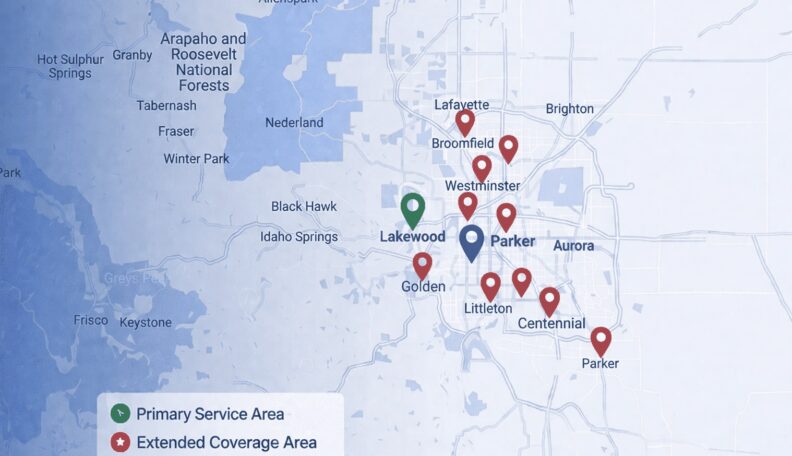
Service Area: 50+ Cities Across Metro Denver
Select Your Nearest Location
Hours: Mon-Fri 8am-5pm
Sunday Emergency Only
Avg Response Time: 18 minutes
Hours: Mon-Fri 8am-5pm
Sunday Emergency Only
Avg Response Time: 18 minutes
Hours: Mon-Fri 8am-5pm
Sunday Emergency Only
Avg Response Time: 18 minutes
Hours: Mon-Fri 8am-5pm
Sunday Emergency Only
Avg Response Time: 18 minutes
Hours: Mon-Fri 8am-5pm
Sunday Emergency Only
Avg Response Time: 18 minutes
Hours: Mon-Fri 8am-5pm
Sunday Emergency Only
Avg Response Time: 18 minutes
Hours: Mon-Fri 8am-5pm
Sunday Emergency Only
Avg Response Time: 18 minutes
Hours: Mon-Fri 8am-5pm
Sunday Emergency Only
Avg Response Time: 18 minutes
Hours: Mon-Fri 8am-5pm
Sunday Emergency Only
Avg Response Time: 18 minutes
Hours: Mon-Fri 8am-5pm
Sunday Emergency Only
Avg Response Time: 18 minutes
Hours: Mon-Fri 8am-5pm
Sunday Emergency Only
Avg Response Time: 18 minutes
Hours: Mon-Fri 8am-5pm
Sunday Emergency Only
Avg Response Time: 18 minutes
Hours: Mon-Fri 8am-5pm
Sunday Emergency Only
Avg Response Time: 18 minutes
Hours: Mon-Fri 8am-5pm
Sunday Emergency Only
Avg Response Time: 18 minutes
Hours: Mon-Fri 8am-5pm
Sunday Emergency Only
Avg Response Time: 18 minutes
We Service: Parker, Castle Rock, Greenwood Village, Lakewood, Littleton, Centennial, Highlands Ranch 40+ More Cities