

When Should You Replace Garage Door Weatherstripping in Parker, CO?
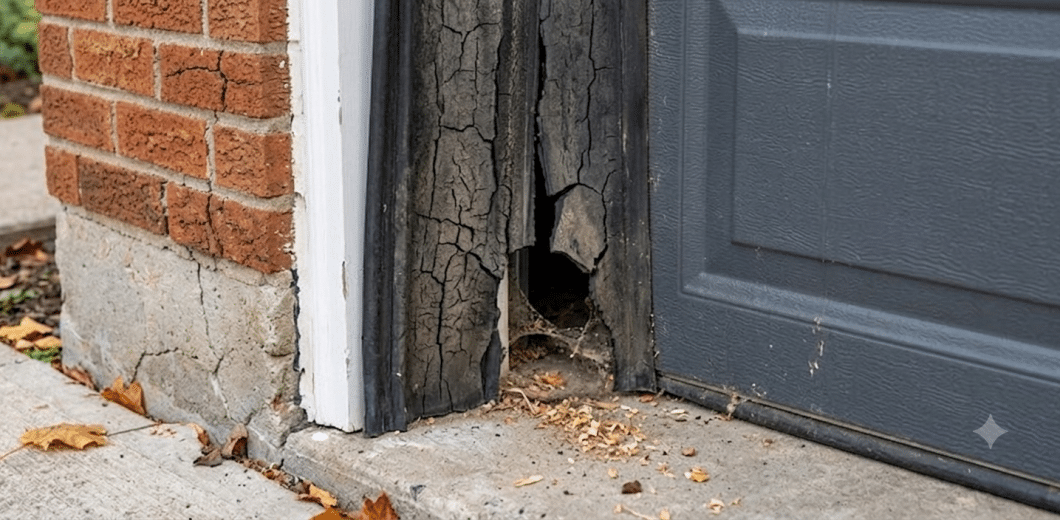
Garage door weatherstripping in Parker, CO typically needs replacing every two to three years, or sooner if cracking, gaps, or drafts appear. Parker’s high elevation, intense UV, and wide temperature swings break down seals faster than most Colorado communities.
Key Takeaways
- Parker’s 6,000-foot elevation and low humidity cause weatherstripping to crack and harden faster than at lower altitudes
- Visible gaps, drafts, daylight under the door, and pest intrusions all signal worn seals
- Bottom seals are a common DIY fix, but full perimeter seals may need a professional
- EPDM rubber holds up best in Parker’s UV-heavy, dry climate
- Select Garage Doors offers same-day service for Parker homeowners who need fast repairs
A garage door is the largest moving part of any home, and weatherstripping is the barrier that keeps outside conditions from creeping in. For homeowners in Parker, CO, that barrier takes a beating. Altitude, UV exposure, and temperature swings that range from below zero in January to the mid-90s in July put constant stress on rubber and vinyl seals. Select Garage Doors helps Parker homeowners keep their garage doors sealed and functioning through every season. Knowing when to replace worn weatherstripping saves money and prevents bigger problems down the road.
How Does Parker’s Climate Wear Down Garage Door Weatherstripping?
Parker sits at roughly 6,000 feet, where stronger UV radiation and low humidity dry out rubber and vinyl seals faster than at lower elevations. Daily temperature shifts of 30 to 40 degrees cause repeated expansion and contraction that accelerates cracking.
UV and Altitude
At Parker’s elevation, UV radiation is roughly 25% stronger than at sea level. That constant exposure breaks down the polymers in rubber and vinyl, causing the material to become brittle. A seal that might last five years in a coastal city often shows cracking within two years in Parker.
Temperature Swings and Dry Air
Parker regularly sees temperature shifts of 30 to 40 degrees in a single day during spring and fall. Each cycle forces weatherstripping to expand and contract, and over hundreds of cycles the material loses elasticity. Low humidity compounds the problem by pulling moisture from rubber-based seals, speeding up hardening and cracking.
What Are the Warning Signs That Weatherstripping Has Worn Out?
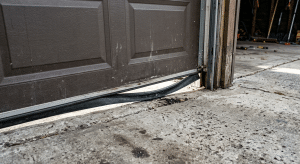
The clearest signs include visible cracks or tears, daylight under or around the closed door, drafts near the edges, water intrusion after rain, and pest activity inside the garage.
Visual and Physical Clues
Performance Red Flags
A garage that feels noticeably colder in winter or hotter in summer suggests compromised seals. Dust buildup, water pooling after storms, and evidence of mice or insects inside the garage all point to gaps in the weatherstripping.
Can You Replace Garage Door Weatherstripping Yourself?
Bottom door seals are a manageable DIY project with basic tools. Side and top seals often require professional installation to fit correctly and maintain the door’s balance.
DIY Bottom Seal Replacement
Replacing a bottom seal means sliding the old retainer strip out of the track at the door’s base and sliding a new one in. Most home improvement stores carry universal-fit seals. The job takes about 30 minutes with a tape measure, utility knife, and flat-head screwdriver.
When to Call a Professional
Side and top weatherstripping requires precise measurement and sometimes removal of door panels. On insulated or heavier doors, incorrect installation can affect balance and seal integrity. Parker homeowners who want the job done right can schedule a service request with a trained technician for same-day service.
What Types of Weatherstripping Hold Up Best in Parker?
Material Breakdown
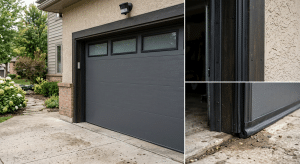
EPDM rubber resists UV, ozone, and temperature extremes better than standard rubber or vinyl. Silicone offers similar durability at a higher price point. Vinyl works for a season or two but tends to crack in dry air. Felt is the least durable and rarely survives a full Colorado winter.
Getting the Right Fit
Weatherstripping comes in bulb seals for door bottoms, fin seals for side jambs, and compression seals for the header. The right profile depends on gap size and door type. Choosing a seal that looks right but leaves air gaps is a common mistake, so measuring accurately before purchasing matters.
Frequently Asked Questions
How often should weatherstripping be replaced in Parker, CO?
Inspect seals every fall. Most Parker homeowners need to replace weatherstripping every two to three years. South- or west-facing doors may need replacement sooner due to direct sun exposure.
What causes weatherstripping to fail faster at high elevation?
Stronger UV radiation, lower humidity, and wider daily temperature swings at roughly 6,000 feet all accelerate the breakdown of rubber and vinyl materials compared to lower-altitude locations.
Can damaged weatherstripping raise energy bills?
Yes. Gaps in the seal let conditioned air escape and outside air in. For attached garages, this forces the HVAC system to work harder, which shows up on monthly utility bills.
What material works best for garage door weatherstripping in Colorado?
EPDM rubber handles Colorado’s UV, temperature swings, and dry air better than other options. Silicone is also durable but costs more. Vinyl and felt wear out faster at altitude.
Can you replace just the bottom seal without replacing the side seals?
The bottom seal can be replaced on its own. It wears out faster because it contacts the floor and handles water exposure. Side and top seals often last longer and can be replaced independently when they show wear.
Does replacing weatherstripping help keep pests out?
Even small gaps in worn seals give mice, spiders, and insects entry points. New weatherstripping is one of the simplest ways to block pests. Homeowners who notice wear on other garage door components can read about the risks of ignoring maintenance to understand why acting early matters.
When is the best time of year to replace weatherstripping?
Fall is ideal. New seals block cold air, snow, and ice before winter arrives, and moderate temperatures make installation easier than working in freezing mid-winter conditions.
Does Select Garage Doors replace weatherstripping?
Yes. Select Garage Doors is a veteran-owned company serving Parker, CO, with same-day service available. The team is licensed and insured, BBB A+ rated, and all installed components come with a 5-year parts warranty.

Looking for a deal?
Call us or to learn about our current promotions and seasonal offers.



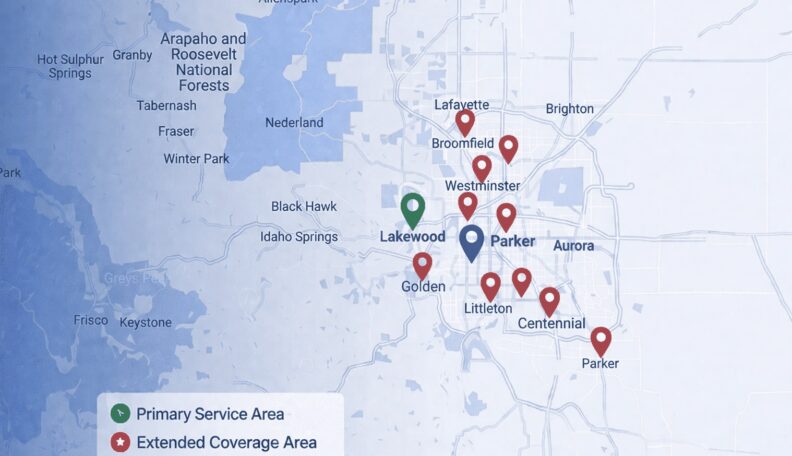
Service Area: 50+ Cities Across Metro Denver
Select Your Nearest Location
Hours: Mon-Fri 8am-5pm
Sunday Emergency Only
Avg Response Time: 18 minutes
Hours: Mon-Fri 8am-5pm
Sunday Emergency Only
Avg Response Time: 18 minutes
Hours: Mon-Fri 8am-5pm
Sunday Emergency Only
Avg Response Time: 18 minutes
Hours: Mon-Fri 8am-5pm
Sunday Emergency Only
Avg Response Time: 18 minutes
Hours: Mon-Fri 8am-5pm
Sunday Emergency Only
Avg Response Time: 18 minutes
Hours: Mon-Fri 8am-5pm
Sunday Emergency Only
Avg Response Time: 18 minutes
Hours: Mon-Fri 8am-5pm
Sunday Emergency Only
Avg Response Time: 18 minutes
Hours: Mon-Fri 8am-5pm
Sunday Emergency Only
Avg Response Time: 18 minutes
Hours: Mon-Fri 8am-5pm
Sunday Emergency Only
Avg Response Time: 18 minutes
Hours: Mon-Fri 8am-5pm
Sunday Emergency Only
Avg Response Time: 18 minutes
Hours: Mon-Fri 8am-5pm
Sunday Emergency Only
Avg Response Time: 18 minutes
Hours: Mon-Fri 8am-5pm
Sunday Emergency Only
Avg Response Time: 18 minutes
Hours: Mon-Fri 8am-5pm
Sunday Emergency Only
Avg Response Time: 18 minutes
Hours: Mon-Fri 8am-5pm
Sunday Emergency Only
Avg Response Time: 18 minutes
Hours: Mon-Fri 8am-5pm
Sunday Emergency Only
Avg Response Time: 18 minutes
We Service: Parker, Castle Rock, Greenwood Village, Lakewood, Littleton, Centennial, Highlands Ranch 40+ More Cities