

What Garage Door Parts Wear Out Fastest in Castle Rock Winters?
In Castle Rock winters the parts that wear fastest are the rollers, the bottom seal, the hinges and the springs. Cold stiffens everything, moisture sits where it should not, and the opener works harder on every single cycle.
Key Takeaways
- Rollers wear first, because cold lubricant and grit make their small bearings work far harder.
- The bottom seal takes the worst of the moisture, and a hardened seal stops sealing long before it looks worn out.
- Springs lose a little capacity in cold weather, which makes the whole door feel heavier.
- Hinges and brackets loosen gradually as the door flexes through freeze and thaw cycles.
- Select Garage Doors is veteran-owned, licensed and insured, and backs parts with a 5-year warranty.
Every garage door has a handful of parts doing most of the work, and winter is unkind to all of them. A door that behaved perfectly through summer can start sounding tired within a few weeks of the first cold snap. Select Garage Doors finds that the wear is predictable, which means it can be anticipated rather than simply discovered when something fails.
Why Does Cold Weather Accelerate Wear?
Cold thickens lubricant, contracts metal, and keeps moisture on surfaces for longer. Together those three effects increase friction on every moving part.
Lubricant that flows freely in July turns tacky when temperatures drop. Parts that were gliding start dragging, and the opener has to overcome that drag before the door even begins to lift. That extra effort is absorbed by the rollers, the hinges and the drive.
Moisture is the other half. Snow melts against the slab, refreezes overnight, and the cycle repeats for months. Homeowners in Castle Rock see this most on doors that face the prevailing weather.
Which Part Wears Out First?
Rollers, almost always. Their bearings are small, they carry the whole door, and they sit right where grit and moisture collect.
A roller that no longer spins freely drags along the track instead of rolling. That drag is felt as noise first, then as a door that judders, and finally as a door the opener struggles to move at all.
The useful thing about rollers is that they are inexpensive and quick to replace. Catching them early prevents the knock-on wear they cause everywhere else. Anyone wanting a technician to look can find the Castle Rock location on Google Maps.
What About the Springs?
Springs do not fail because of cold alone, but cold reduces their effective capacity slightly, so an already tired spring shows its age in winter.
Springs carry nearly all the weight of the door. When they weaken, the opener takes up the slack, and an opener is not built to lift a door on its own. That is the point at which a cheap spring problem becomes an expensive opener problem.
The companion article on how long garage door springs last in Castle Rock goes into the lifespan question in more detail.
| Part | What Winter Does to It | Early Warning Sign |
|---|---|---|
| Rollers | Grit and stiff lubricant seize the bearings | Grinding or squealing |
| Bottom seal | Hardens and cracks, then freezes down | Draught or daylight under the door |
| Springs | Lose a little lifting capacity | Door feels heavy by hand |
| Hinges and brackets | Loosen as the door flexes | Rattling when closed |
| Opener drive | Works harder against added friction | Slower starts on cold mornings |
What About the Seal, Hinges and Brackets?
The seal is the part most exposed to moisture, and the hinges and brackets are the ones most often overlooked because they loosen rather than fail outright.
A good seal flexes to meet an uneven floor and springs back afterwards. A cold-hardened one stays flat, which leaves gaps at the edges where wind, water and grit get in.
That matters beyond comfort. Water reaching the bottom bracket is what rusts cables and corrodes hardware, so the seal protects parts well beyond itself.
There is a simple test. With the door closed, look along the bottom from inside with the garage light off. Daylight showing through anywhere means the seal is no longer doing its job, and the parts above it are getting wet every time snow melts on the driveway.
Replacing a seal is one of the least expensive jobs on a garage door and one of the most useful before winter. It is also the kind of work where the saving is invisible, because what it buys is the cables and brackets that do not corrode over the following two seasons.
Hinges and brackets deserve the same attention for a different reason. They rarely fail outright, they simply loosen, and a loose door wears everything else faster.
Hinges connect the panels and let the door bend as it follows the curve of the track. Each one takes a small amount of flex on every cycle, and over years that works the fixings loose and slowly enlarges the holes they sit in.
The symptom is a rattle rather than a failure. A door that has started sounding loose when it closes usually has hardware that needs tightening rather than anything that needs replacing, which makes it one of the cheapest problems to put right if it is caught early.
What Keeps These Parts Lasting Longer?
Correct lubrication on the right parts, a balanced door, clear dry floor under the seal, and one service visit before winter rather than one after a failure.
Lubrication is the most commonly misapplied maintenance. Rollers, hinges and springs benefit from it. Tracks should stay clean and dry, because grease in a track collects grit and holds it against the rollers.
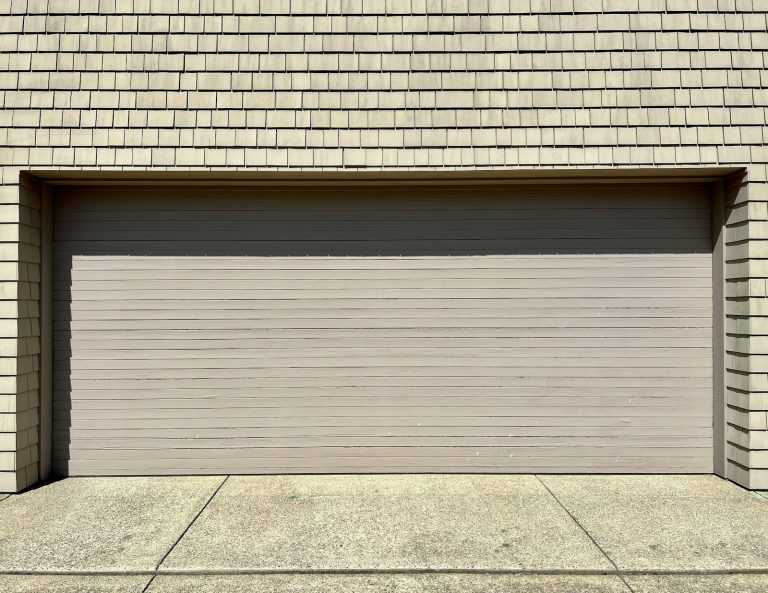
Balance is the other half. A door carrying its own weight correctly puts far less strain on every component, which is why a balance check is worth more than any amount of lubricant. Homeowners can schedule a service request before the cold sets in. The call line is staffed 24/7, with service scheduled during regular business hours.
Frequently Asked Questions
Which garage door part needs replacing most often?
Rollers, by a clear margin. They carry the door, they have small bearings, and they sit where grit and moisture collect. They are also among the cheapest parts to renew.
Does cold weather actually damage springs?
Cold does not damage a healthy spring, but it reduces its effective lifting capacity slightly. A spring already near the end of its life will show that weakness first on a cold morning.
Should the tracks be greased for winter?
No. Tracks should be wiped clean and left dry. Grease in a track traps grit and holds it against the rollers, which causes the wear it was meant to prevent.
How can a homeowner tell if the door is out of balance?
With the opener disconnected, lift the door by hand to about waist height. A balanced door holds position. One that drops or rises on its own needs its springs adjusted by a technician.
Why does the door sound worse in the morning than the afternoon?
Everything is at its coldest and stiffest first thing. As the garage warms through the day the lubricant loosens and the noise reduces, which masks the underlying wear.
Is a hardened bottom seal worth replacing before winter?
Yes. It is an inexpensive part that protects far more expensive ones, because it keeps water away from the bottom bracket, the cables and the track hardware.
Can worn parts damage the opener?
They can. The opener compensates for added friction on every cycle, and that sustained extra load is one of the more common reasons an otherwise healthy opener fails early.
How often should a door be serviced in a cold climate?
A check before winter is the most valuable one, because it catches tired parts before the season that punishes them hardest. A technician can advise on timing for a particular door.


Looking for a deal?
Call us or to learn about our current promotions and seasonal offers.



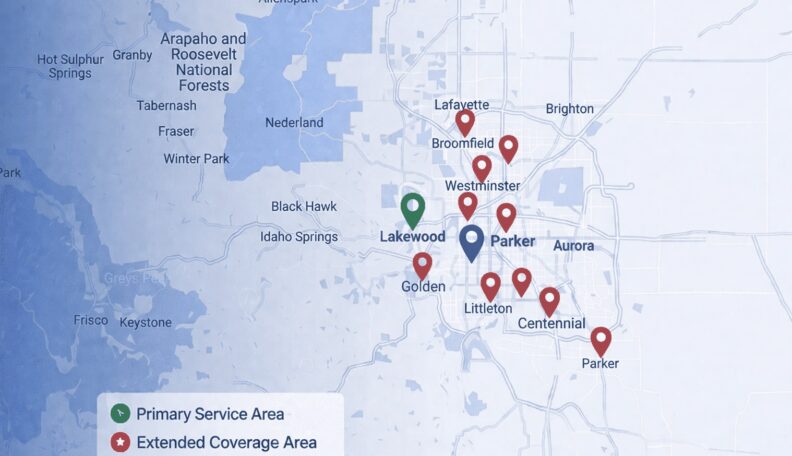
Service Area: 50+ Cities Across Metro Denver
Select Your Nearest Location
Hours: Mon-Fri 8am-5pm
Sunday Emergency Only
Avg Response Time: 18 minutes
Hours: Mon-Fri 8am-5pm
Sunday Emergency Only
Avg Response Time: 18 minutes
Hours: Mon-Fri 8am-5pm
Sunday Emergency Only
Avg Response Time: 18 minutes
Hours: Mon-Fri 8am-5pm
Sunday Emergency Only
Avg Response Time: 18 minutes
Hours: Mon-Fri 8am-5pm
Sunday Emergency Only
Avg Response Time: 18 minutes
Hours: Mon-Fri 8am-5pm
Sunday Emergency Only
Avg Response Time: 18 minutes
Hours: Mon-Fri 8am-5pm
Sunday Emergency Only
Avg Response Time: 18 minutes
Hours: Mon-Fri 8am-5pm
Sunday Emergency Only
Avg Response Time: 18 minutes
Hours: Mon-Fri 8am-5pm
Sunday Emergency Only
Avg Response Time: 18 minutes
Hours: Mon-Fri 8am-5pm
Sunday Emergency Only
Avg Response Time: 18 minutes
Hours: Mon-Fri 8am-5pm
Sunday Emergency Only
Avg Response Time: 18 minutes
Hours: Mon-Fri 8am-5pm
Sunday Emergency Only
Avg Response Time: 18 minutes
Hours: Mon-Fri 8am-5pm
Sunday Emergency Only
Avg Response Time: 18 minutes
Hours: Mon-Fri 8am-5pm
Sunday Emergency Only
Avg Response Time: 18 minutes
Hours: Mon-Fri 8am-5pm
Sunday Emergency Only
Avg Response Time: 18 minutes
We Service: Parker, Castle Rock, Greenwood Village, Lakewood, Littleton, Centennial, Highlands Ranch 40+ More Cities