

Key Features to Look For in Parker, CO Garage Door Opener Installation Services
Features Worth Looking For (and Red Flags to Avoid)
Picking the right opener installer in Parker, CO comes down to five concrete checks: licensing and insurance, brand experience, a documented install workflow, warranty coverage, and pricing transparency. Each section below shows what to look for and what should make you keep shopping.
Hiring a garage door opener installer feels straightforward until something goes wrong six months in. The difference between an installer who’s done the job a thousand times and one who’s filling a slot on Craigslist shows up in the calibration, the warranty terms, and the way the company handles a callback. The five vetting criteria below are what separate the two.
At Select Garage Doors, we’ve handled opener installations across Parker, CO and the wider Denver Metro area for years, and the questions homeowners regret not asking always cluster around the same things. The checklist below is built around what we wish more callers had asked their previous installer.
Want a no-obligation install quote with the answers to all five vetting criteria laid out in writing? Contact us today for a transparent estimate.
Licensing, Insurance, and Documented Experience
Licensing tells you the installer has met basic trade standards; insurance tells you that if something goes wrong on your property (a damaged ceiling, a dropped panel, an injury), you aren’t the one paying for it. Documented experience adds context: a team that has installed thousands of openers across hundreds of door types catches issues a once-a-month installer misses.
What to look for: a current state or local trade license, proof of general liability insurance with the company name on it, workers’ compensation coverage for any technicians on your property, and verifiable years of operation (a phone number that has been answering for a decade, a Google Business profile with multi-year review history).
Red flag if absent: verbal-only confirmation of “we’re licensed,” no current insurance certificate, technicians arriving in unmarked vehicles, or a company name that doesn’t return matching search results past a few months ago.
Brand Experience and Equipment Quality
The major opener brands (LiftMaster, Chamberlain, Genie, Sommer, Hörmann) each have different wiring layouts, programming sequences, force-setting quirks, and accessory ecosystems. An installer who works across all the major brands at high volume catches model-specific issues that a single-brand installer might miss. Equipment quality follows the same logic: a quality opener installed correctly outlasts a budget model installed perfectly.
What to look for: hands-on experience with LiftMaster, Chamberlain, and Genie at a minimum. The ability to recommend a specific opener model based on your door weight, garage type, and smart-home setup, not just whatever brand is on the truck. Reputable brands carried as standard rather than upsold.
Red flag if absent: a single-brand installer who pushes one product line regardless of fit, low-cost generic openers without manufacturer warranty support, or an installer who can’t explain the difference between belt drive, chain drive, and jackshaft openers.
A Defined Installation Process and Pre-Install Inspection
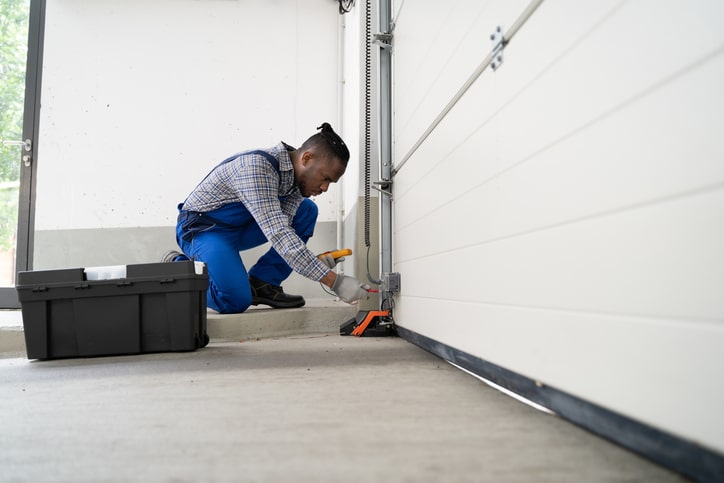
An installer who walks in, starts unscrewing things, and finishes 90 minutes later is skipping the steps that determine whether your opener lasts 8 years or 18. A documented installation process includes a pre-install inspection of the existing door (springs, cables, balance, rollers), confirms the opener matches the door’s weight class, and ends with a post-install test of every safety feature.
What to look for: a written or verbal walkthrough of the install steps, a pre-install door inspection (balance test, spring condition check, panel alignment review), force-setting calibration matched to the door’s actual weight, photo-eye sensor mounting and alignment per UL 325, and a post-install test cycle the homeowner observes.
Red flag if absent: “we’ll have it done in an hour” framing, no balance test before the new motor is connected, no force calibration step, photo-eye sensors installed at the wrong height, or a finished install with no test cycle performed in front of the homeowner.
Warranty Coverage on Labor as Well as Hardware
Manufacturer warranties cover the opener motor and drive system for 5 to 10 years depending on the model. The installer’s workmanship warranty covers the labor: alignment drift, force-setting issues, sensor wiring problems, and anything that traces back to how the install was done. A good installer carries both warranties; a budget installer covers only the hardware and tells you everything else is “manufacturer territory.”
What to look for: a written workmanship warranty of 1 to 2 years on the install itself, in addition to the manufacturer’s hardware warranty. Clear documentation on what each warranty covers and the process for filing a claim. A phone number that gets you through to a real callback technician during the warranty window.
Red flag if absent: “the manufacturer covers everything” framing, no written workmanship warranty, or a warranty period shorter than 90 days. Companies that don’t stand behind their install work tell you so up front.
Transparent Pricing With Written Estimates
Pricing that’s clear before any tool comes out keeps the project on budget and removes the “while I’m here” upsell pressure that catches homeowners off-guard. A transparent installer separates the opener cost, the labor cost, the disposal cost, and any accessory cost on a written estimate. Surprises on the final bill almost always trace back to a verbal estimate the installer can claim wasn’t quite what you heard.
What to look for: a written estimate signed before work begins, line-item breakdown of opener model plus labor plus disposal plus accessories, clear pricing on any common add-ons (battery backup, smart hub, keypad), and a stated policy on what triggers an added charge during the install (new spring failure, unexpected wiring issue).
Red flag if absent: verbal estimates only, ballpark pricing that “depends,” no line items, or pressure to add on accessories during the install at higher prices than the original quote suggested.
The Vetting Criteria at a Glance
The table below maps each criterion to what it actually verifies and how a homeowner can check it before hiring a garage door opener installation provider.
| Feature | What It Means | How to Verify |
|---|---|---|
| Licensed and insured | Trade-standard compliance plus property and personal liability protection | Ask for license number; request current insurance certificate by email |
| Documented experience | Familiarity with multiple opener brands and installation patterns | Check Google Business Profile review history; ask which brands they install most often |
| Defined install workflow | Pre-install inspection, calibration step, post-install testing | Ask for the install steps in advance; confirm the test cycle happens with you present |
| Workmanship warranty | Coverage on the labor portion of the install, separate from manufacturer warranty | Request written warranty terms before booking; confirm the callback policy |
| Transparent pricing | Line-item breakdown that prevents surprise charges | Get a written estimate; ask what could trigger an added charge mid-install |
A 10-Question Vetting Checklist Before You Hire
If you only have a five-minute phone call to vet an installer before booking, these are the ten questions that surface the answers to every criterion above.
- What is your current trade license number, and can you email me a copy?
- Do you carry general liability insurance, and can I see a current certificate?
- How many opener installations have you completed in the last 12 months?
- Which brands do you install most often, and which would you recommend for my specific door?
- What does your installation process look like step by step, from arrival to walkthrough?
- Do you perform a pre-install balance test on the door before connecting the new opener?
- Is your written estimate line-itemed for opener, labor, disposal, and accessories?
- What workmanship warranty do you offer on the install, separate from the manufacturer warranty?
- What is the process if I need a callback during the warranty window?
- Are there any common situations that would trigger an added charge during the install?
An installer who answers all ten clearly is a candidate. One who deflects, gives ballpark answers, or treats the questions as suspicious is showing you exactly how they’ll handle a callback later.
The Right Installer Saves You From the Next Repair
The five criteria above aren’t a luxury checklist; they’re the difference between an opener that runs cleanly for 15 years and one that needs a service call within the warranty window. At Select Garage Doors, we’re a veteran-owned team based in Parker serving the Denver Metro area, and we’ll answer every one of those ten vetting questions in writing before you sign anything. Give us a call at (720) 339-2442.
Frequently Asked Questions
How can I verify a garage door opener installer is licensed and insured in Colorado?
Ask for the installer’s trade license number and request a current general liability insurance certificate by email before booking. A legitimate installer carries the documents in PDF form and sends them within an hour. Verbal-only “we’re licensed” isn’t verification.
What’s a reasonable workmanship warranty length on a new opener install?
1 to 2 years on the install labor is the standard for residential opener installations. Some companies offer 90 days only, which is short; some go to 3 to 5 years on premium installs. Anything under a year is a flag. The warranty should be in writing and cover alignment drift, force-setting issues, and any callback that traces to the install rather than the hardware.
Should I get more than one quote before hiring a garage door opener installer?
Two or three quotes is the right range. Side-by-side written estimates surface differences in opener model recommendations, install scope, and pricing structure that a single quote can’t show. Pick the quote that lines up best with your door’s specs and that has the clearest line items, not just the lowest number.
How do I check an installer’s online reputation before hiring them?
Start with Google Business Profile reviews (check both star count and review recency), the Better Business Bureau, and local Facebook groups for Parker or the Denver Metro area. Look for patterns rather than individual reviews: repeated complaints about the same issue (missed appointments, surprise charges, callbacks) tell you exactly what to expect.
What questions should I ask before a garage door opener installer enters my home?
Confirm the license and insurance status by email beforehand, request a written line-item estimate, ask which opener model the technician is bringing and why it fits your door, and confirm what the install workflow looks like step by step. A reputable installer welcomes the questions; an evasive one is showing you who they are.
Can a garage door opener installer recommend the wrong opener for my door?
Yes, and it’s a common reason for premature failure. Undersized motors burn out 3 to 5 years early on heavy doors. Drive types mismatched to the door’s noise environment cause repeated callbacks. A good installer asks about door weight, attached vs. detached garage, and household preferences before recommending a model.
What’s the difference between manufacturer warranty and workmanship warranty?
The manufacturer warranty covers defects in the opener itself (motor, drive system, electronics) for typically 5 to 10 years. The workmanship warranty covers the labor portion of the install (mounting, alignment, calibration, wiring) and is separate. Both should be in writing. Companies that offer only the manufacturer warranty are passing all install-related issues to you.
Should I be concerned if my opener install takes only an hour?
Yes. A complete residential opener installation including removal of the old unit, mounting, wiring, photo-eye alignment, force calibration, remote pairing, and a full test cycle typically takes 3 to 4 hours. Anything substantially shorter usually means steps were skipped, and the skipped steps are the ones that cause problems six months in.

Looking for a deal?
Call us or to learn about our current promotions and seasonal offers.



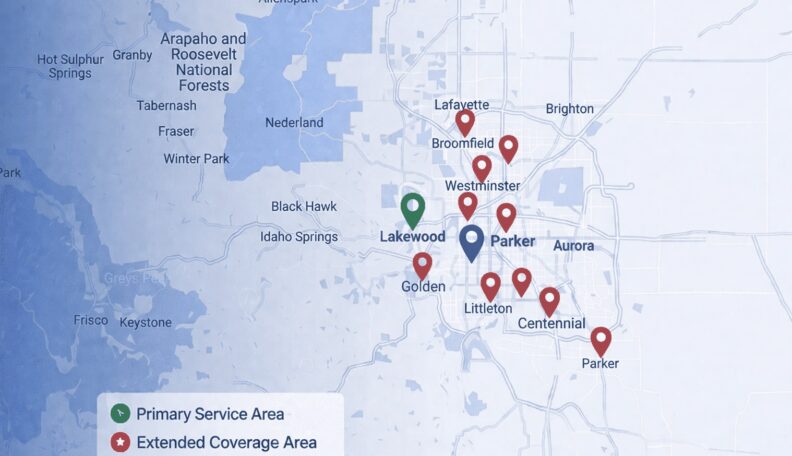
Service Area: 50+ Cities Across Metro Denver
Select Your Nearest Location
Hours: Mon-Fri 8am-5pm
Sunday Emergency Only
Avg Response Time: 18 minutes
Hours: Mon-Fri 8am-5pm
Sunday Emergency Only
Avg Response Time: 18 minutes
Hours: Mon-Fri 8am-5pm
Sunday Emergency Only
Avg Response Time: 18 minutes
Hours: Mon-Fri 8am-5pm
Sunday Emergency Only
Avg Response Time: 18 minutes
Hours: Mon-Fri 8am-5pm
Sunday Emergency Only
Avg Response Time: 18 minutes
Hours: Mon-Fri 8am-5pm
Sunday Emergency Only
Avg Response Time: 18 minutes
Hours: Mon-Fri 8am-5pm
Sunday Emergency Only
Avg Response Time: 18 minutes
Hours: Mon-Fri 8am-5pm
Sunday Emergency Only
Avg Response Time: 18 minutes
Hours: Mon-Fri 8am-5pm
Sunday Emergency Only
Avg Response Time: 18 minutes
Hours: Mon-Fri 8am-5pm
Sunday Emergency Only
Avg Response Time: 18 minutes
Hours: Mon-Fri 8am-5pm
Sunday Emergency Only
Avg Response Time: 18 minutes
Hours: Mon-Fri 8am-5pm
Sunday Emergency Only
Avg Response Time: 18 minutes
Hours: Mon-Fri 8am-5pm
Sunday Emergency Only
Avg Response Time: 18 minutes
Hours: Mon-Fri 8am-5pm
Sunday Emergency Only
Avg Response Time: 18 minutes
Hours: Mon-Fri 8am-5pm
Sunday Emergency Only
Avg Response Time: 18 minutes
We Service: Parker, Castle Rock, Greenwood Village, Lakewood, Littleton, Centennial, Highlands Ranch 40+ More Cities