

How to Keep Your Parker, CO Garage Door Accessories in Top Condition
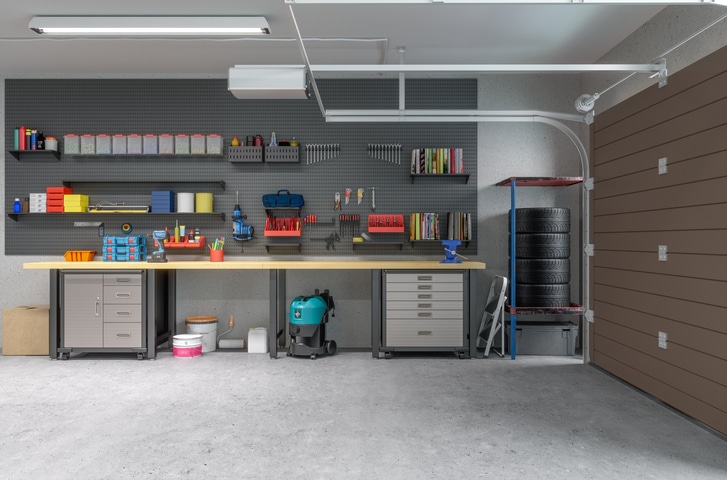
Proper maintenance and care of your accessories keep your garage door running smoothly for years. Neglecting small components like rollers, hinges, weather stripping, and the photo-eye sensor can lead to costly repairs, premature spring failure, and safety hazards that are easy to prevent. This guide walks through five maintenance steps that keep your Parker, CO, garage door accessories in top shape, plus when it’s worth calling a technician instead of doing it yourself.
At Select Garage Doors, we’ve serviced residential and commercial doors across Parker and the wider Denver Metro area for years, and we see the same handful of issues again and again. Most of them trace back to skipped maintenance on the small parts: rollers, hinges, weather stripping, photo eyes. Stay on top of these and your door rewards you with quiet, reliable operation.
If you’d rather have a technician handle the inspection, our Parker garage door service covers a full accessory check, lubrication, and minor adjustments before any paid work begins. Contact us today!
1. Lubricate Moving Parts Regularly
Lubrication is the single most important habit for accessory longevity. A door that runs dry chews through rollers, hinges, and springs much faster than one that gets a light coat of lubricant twice a year. Done right, it takes under 15 minutes and costs almost nothing.
What lubricant to use
Use a silicone-based or lithium-based garage door lubricant in spray form. Avoid WD-40 for moving parts: it’s a degreaser, not a lubricant, and it actually strips the protective coatings on your rollers and springs. White lithium grease is fine on bare metal pivots, while silicone spray works best for nylon rollers and weather stripping.
What to lubricate
- Hinges: a quick spray on each hinge pivot every six months
- Rollers: aim for the bearings, not the wheel face; wipe off any drip
- Springs: light coat along the length of torsion or extension springs
- Top of the rails: only the inside top where rollers contact, not the full track
- Lock and arm bar: brief spray on any moving lock mechanism
What NOT to lubricate
Never spray lubricant inside the tracks themselves. Tracks should stay clean and dry. Rollers are designed to roll, not slide on grease, and a slippery track surface causes rollers to skid and wear unevenly. Also skip the photo-eye sensors and the opener motor housing.
2. Inspect and Tighten Hardware
Your garage door cycles thousands of times a year, and vibration loosens fasteners over time. A 10-minute walk-around with a socket wrench will catch most issues before they become repair calls.
What to check
- Hinge bolts that hold each hinge to the door panel
- Roller brackets at the edge of each panel
- Bottom bracket bolts (do not loosen these if the cable is still attached, as they hold spring tension)
- Track mounting brackets bolted to the framing
- Opener mounting hardware where the motor attaches to the ceiling
How tight is the right tight
Snug, not crushed. The goal is to remove any visible wiggle without stripping threads or distorting the panel. If a bolt keeps loosening between checks, the hole has likely worn out and the bolt needs to be replaced or moved to a fresh location.
3. Clean Tracks and Rollers
Dirty tracks are one of the most common reasons doors get noisy or skip. Dust, pet hair, leaves, and the occasional bug nest accumulate fast, especially in detached garages or homes near open fields. A quarterly clean keeps everything moving freely.
Tools you need
- A damp microfiber cloth or rag
- A small stiff brush (an old toothbrush works) for crevices
- Mild dish soap and water for stuck-on grime
- A flashlight to inspect the full length of the track
How to do it
Wipe the inside surface of each vertical and horizontal track from top to bottom. Pay attention to where the curve transitions, since debris collects at the bend. For the rollers themselves, hold the cloth against the wheel and roll the door manually so each surface gets cleaned. Dry everything with a clean cloth before re-lubricating the hinge pivots and roller bearings.
4. Test Safety Features
Your garage door’s safety systems prevent the heavy panel from coming down on a person, pet, or vehicle. They’re easy to test and absolutely worth checking every few months, because a failure here is the difference between a near miss and an injury.
Auto-reverse test
Place a sturdy block of wood or a roll of paper towels flat on the ground in the door’s closing path. Press the close button. The door should contact the object, stop, and reverse direction within a second or two. If it doesn’t reverse, stop using the door until a technician adjusts the force or replaces the failed sensor.
Photo-eye test
The photo eyes are the small sensors near the bottom of each track, about six inches off the floor. Close the door with the opener, then wave a long object (a broom handle works) across the beam path. The door should reverse the moment the beam is broken. If it doesn’t, check the lenses for dust or cobwebs and make sure the LEDs on both sides are lit and aligned.
Manual release check
The red emergency release cord lets you operate the door by hand if power is out or the opener fails. Pull it once a quarter, lift the door manually to confirm it moves smoothly, then re-engage by pulling the cord toward the door and running the opener through one full cycle.
5. Replace Worn-Out Parts
Even with perfect maintenance, accessories wear out. Catching worn parts early saves you from larger failures and keeps repair costs predictable.
Weather stripping
The rubber seal along the bottom of the door is the first line of defense against drafts, snow, water, mice, and dust. Replace it when it cracks, hardens, or no longer compresses against the floor. Most homeowners can swap the bottom seal in under 30 minutes.
Springs and cables
Torsion and extension springs are wound under tremendous tension and have a finite cycle life, usually 10,000 to 20,000 cycles depending on the spring grade. If you see gaps in the coil, rust, or hear a loud bang from the garage, the spring has likely broken. This is one repair you should not attempt yourself; garage door spring repair requires special winding bars and trained handling.
Rollers and hinges
Rollers with cracked nylon, missing bearings, or a wobble in the wheel should be replaced as a set rather than one at a time. Hinges with elongated bolt holes or visible cracks at the pivot need swapping before they fail mid-cycle.
Quick Reference: Accessory Maintenance Schedule
The table below summarizes how often each task should hit your calendar, plus what each one buys you in terms of door life and safety.
| Task | Frequency | Why It Matters |
|---|---|---|
| Lubricate hinges, rollers, springs | Every 6 months | Cuts wear, reduces noise, extends spring life |
| Tighten hardware | Twice a year | Prevents panel misalignment and rattling |
| Clean tracks and rollers | Quarterly | Keeps door quiet and prevents skipping |
| Test auto-reverse and photo eyes | Every 3 months | Catches safety failures before injury |
| Inspect weather stripping | Annually (or after Colorado winter) | Maintains energy efficiency and keeps pests out |
| Full professional service | Once a year | Catches what DIY checks miss |
Putting These Tips Into Practice
Two short sessions a year, plus a quick visual check every few months, will keep most garage door accessories running cleanly for a decade or more. When you spot a part that’s past its useful life or you’re not comfortable handling spring tension, that’s the right time to bring in garage door maintenance support rather than push through it yourself.
Keep Your Parker, CO Garage Door Accessories Running Smoothly
Maintenance is the cheapest insurance you can buy for a garage door. The five steps above, paired with the annual schedule, will catch most accessory issues before they grow into expensive repairs or safety problems. Doing the work yourself or scheduling a yearly tune-up both extend accessory life equally, as long as you stay consistent.
If you’d like a technician to handle the inspection or you’re ready to replace worn parts, give us a call at (720) 339-2442. At Select Garage Doors, we’re a veteran-owned team based in Parker, serving homeowners and businesses across the Denver Metro area, and we’ll walk you through what your accessories need before any work begins.
Frequently Asked Questions
How often should I lubricate my garage door?
Twice a year is the right cadence for most residential doors in the Denver Metro area. Heavy-use doors or commercial overhead doors may need quarterly lubrication, especially through the winter when grease can stiffen up.
Can I use WD-40 on my garage door?
No. WD-40 is a degreaser, not a lubricant, and it strips the protective coatings off rollers and springs. Use a silicone-based or lithium-based garage door lubricant in spray form instead.
Why is my garage door making a loud noise?
Noise usually points to dry hinges, dirty tracks, worn rollers, or loose hardware. Start with a full lubrication and hardware tightening; if the noise continues, the rollers are probably ready to be replaced.
How do I test my garage door’s auto-reverse safety feature?
Place a sturdy block of wood flat in the door’s closing path and press the close button. The door should contact the wood, stop, and reverse within one or two seconds. If it doesn’t, stop using the opener until a technician inspects it.
How long do garage door springs last?
Most residential torsion springs are rated for 10,000 to 20,000 cycles, which works out to roughly seven to twelve years of average household use. Heavier doors or homes with multiple daily cycles will see shorter lifespans.
Can I replace garage door weather stripping myself?
Yes. The bottom seal slides into a track at the bottom of the door, and most replacements take under 30 minutes with basic tools. Make sure the new seal matches the door’s profile (single-bead, dual-bead, or T-style).
What does it mean when my garage door reverses on its own?
Self-reversing usually means the photo-eye sensors are blocked, dirty, or out of alignment. Wipe the lenses, confirm both LEDs are lit and steady, and make sure nothing in the closing path is interrupting the beam.
When should I call a professional instead of doing it myself?
Any work involving springs, cables, or the bottom bracket requires a trained technician because of the tension involved. The same goes for opener replacement, panel realignment, and any safety sensor that won’t recalibrate after cleaning.

Looking for a deal?
Call us or to learn about our current promotions and seasonal offers.



Service Area: 50+ Cities Across Metro Denver
Select Your Nearest Location
Hours: Mon-Fri 8am-5pm
Sunday Emergency Only
Avg Response Time: 18 minutes
Hours: Mon-Fri 8am-5pm
Sunday Emergency Only
Avg Response Time: 18 minutes
Hours: Mon-Fri 8am-5pm
Sunday Emergency Only
Avg Response Time: 18 minutes
Hours: Mon-Fri 8am-5pm
Sunday Emergency Only
Avg Response Time: 18 minutes
Hours: Mon-Fri 8am-5pm
Sunday Emergency Only
Avg Response Time: 18 minutes
Hours: Mon-Fri 8am-5pm
Sunday Emergency Only
Avg Response Time: 18 minutes
Hours: Mon-Fri 8am-5pm
Sunday Emergency Only
Avg Response Time: 18 minutes
Hours: Mon-Fri 8am-5pm
Sunday Emergency Only
Avg Response Time: 18 minutes
Hours: Mon-Fri 8am-5pm
Sunday Emergency Only
Avg Response Time: 18 minutes
Hours: Mon-Fri 8am-5pm
Sunday Emergency Only
Avg Response Time: 18 minutes
Hours: Mon-Fri 8am-5pm
Sunday Emergency Only
Avg Response Time: 18 minutes
Hours: Mon-Fri 8am-5pm
Sunday Emergency Only
Avg Response Time: 18 minutes
Hours: Mon-Fri 8am-5pm
Sunday Emergency Only
Avg Response Time: 18 minutes
Hours: Mon-Fri 8am-5pm
Sunday Emergency Only
Avg Response Time: 18 minutes
Hours: Mon-Fri 8am-5pm
Sunday Emergency Only
Avg Response Time: 18 minutes
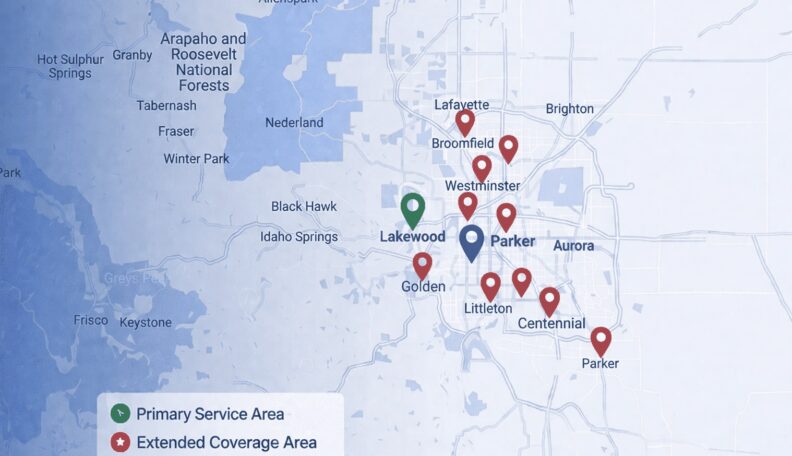
We Service: Parker, Castle Rock, Greenwood Village, Lakewood, Littleton, Centennial, Highlands Ranch 40+ More Cities