
Importance of Lubrication in Commercial Garage Door Maintenance

Key Takeaways
- Lubrication is the most cost-effective commercial garage door maintenance step, reducing friction at every hinge, roller, bearing, and spring contact point to prevent premature wear.
- High-cycle commercial doors in Parker cycling 20 to 40 times per day need quarterly lubrication. Low-traffic storage doors can run on a twice-yearly schedule.
- Parker’s cold mornings create condensation on metal components. Without lubrication, that moisture starts the rust process that weakens springs and seizes roller bearings.
- A well-lubricated commercial door puts less strain on the opener motor, reducing energy draw and heat buildup across thousands of daily cycles.
- Select Garage Doors includes lubrication in every commercial maintenance visit across Parker and the Denver metro area.
Lubrication is the single most cost-effective maintenance step for commercial garage doors. It reduces friction, prevents rust, extends component lifespan, and keeps high-cycle doors operating quietly and efficiently. For Parker, CO businesses, a consistent lubrication schedule protects the investment and prevents unplanned downtime. Select Garage Doors provides commercial lubrication and maintenance services across Parker and the Denver metro area.
Contents
- Why Lubrication Matters for Commercial Garage Doors
- Building a Lubrication Schedule for Your Parker Business
- Protect Your Commercial Doors With Scheduled Maintenance
- Frequently Asked Questions
Lubrication is easy to overlook and expensive to skip. A commercial garage door that cycles dozens of times per day generates friction at every hinge, roller, bearing, and spring contact point. Without consistent lubrication, that friction accelerates wear, increases noise, strains the motor, and shortens the lifespan of components that are costly to replace. Select Garage Doors includes lubrication as part of every commercial maintenance visit in Parker, CO because it is the single step that delivers the highest return for the lowest cost.
This post covers why lubrication matters specifically for commercial doors, what to lubricate, how often, and what products to use in Parker’s climate.
Why Lubrication Matters for Commercial Garage Doors
1. How Does Lubrication Reduce Wear on Commercial Door Components?
Every moving part in a commercial garage door system involves metal-on-metal contact. Hinges pivot, rollers rotate inside tracks, springs coil and uncoil, and bearing plates spin on the torsion shaft. Without a lubricant barrier between these surfaces, friction generates heat and abrasion that grinds down components with every cycle. Lubrication reduces that friction to a fraction of its dry-contact level.
For a commercial door cycling 20 to 40 times per day, the cumulative friction load over a year is substantial. Dry rollers wear flat spots into their bearings. Dry hinges develop play in their pin joints. Dry springs lose their coating and begin corroding from the inside out. Each of these failures is preventable with a consistent lubrication schedule.
Parker businesses running high-cycle doors in warehouse, distribution, or service bay environments see the biggest benefit from lubrication because the wear rate is directly proportional to cycle count. The more the door moves, the more lubrication matters.
2. Does Lubrication Prevent Rust on Commercial Garage Doors?
Yes. A proper lubricant creates a protective film over metal surfaces that displaces moisture and blocks the oxidation process that produces rust. This is especially important for commercial doors in Parker, where cold mornings create condensation on metal components inside the garage, and dry winter air strips protective coatings over time.
Rust does more than cosmetic damage on a commercial door. It increases friction between moving parts, which accelerates wear. It weakens spring steel, reducing cycle life. It corrodes roller bearings, causing them to seize. And it pits track surfaces, creating rough spots that make the door jerk and bind during travel.
A twice-yearly lubrication application keeps rust from gaining a foothold. For commercial doors exposed to moisture, road salt, or chemical fumes, quarterly lubrication may be appropriate. The commercial garage door maintenance checklist covers the full scope of what a technician should evaluate alongside lubrication during each visit.
3. How Does Lubrication Improve Operational Efficiency?
A well-lubricated commercial door system operates with less resistance, which means the motor works less to move the same door. Less motor strain translates to lower energy consumption, faster cycle times, and reduced heat buildup in the operator. For high-traffic commercial settings in the Denver metro area, these efficiency gains compound over thousands of daily cycles.
The difference is measurable. A dry commercial door system can draw noticeably more amperage from the motor than the same system properly lubricated. Over a year of high-cycle operation, that increased draw adds up in energy costs and motor wear. Businesses running multiple commercial bays multiply this effect across every door in the facility.
Speed matters for operations where door cycle time affects throughput. A lubricated door opens and closes faster because the motor is not fighting friction. In a loading dock operation where every minute of door travel time affects truck scheduling, faster cycles mean tighter scheduling and fewer bottlenecks.
4. Can Proper Lubrication Reduce Commercial Door Noise?
Significantly. Most commercial garage door noise comes from metal-on-metal contact at the rollers, hinges, and spring system. Lubrication dampens these contact points and eliminates the grinding, squeaking, and rattling sounds that accompany a dry system. For Parker businesses where the garage door opens near office space, retail areas, or neighboring tenants, noise reduction is a meaningful quality-of-life improvement.
Nylon rollers are quieter than steel rollers even without lubrication, but they still benefit from lubricated bearings. Steel rollers without lubrication are the loudest configuration and are common in older commercial installations across the Parker area. If a full roller upgrade is not in the budget, consistent lubrication is the most cost-effective way to bring noise levels down.
5. How Does Lubrication Extend the Lifespan of Springs and Rollers?
Lubricated springs last longer because the lubricant reduces coil-to-coil friction during winding and unwinding, which slows the micro-fracture process that leads to spring failure. Lubricated rollers last longer because their bearings stay clean, smooth, and free of the debris buildup that causes premature seizure. Both components are expensive to replace, and lubrication is the cheapest form of life extension available.
A torsion spring rated for 50,000 cycles on a commercial door may lose 10 to 20% of its effective cycle life if it runs dry for extended periods. That is thousands of cycles cut short by a maintenance step that takes minutes during a scheduled visit.
For businesses already dealing with premature component wear, understanding the broader benefits of regular commercial garage door maintenance shows how lubrication fits into a complete preventive strategy that protects the entire system. Fire-rated door systems carry additional considerations around lubrication and hardware maintenance, and the role of fire-rated commercial garage doors in safety compliance covers what businesses need to know about maintaining those systems alongside standard lubrication work.
Building a Lubrication Schedule for Your Parker Business
Not every commercial door needs the same lubrication frequency. Use this guide to match your schedule to your operation:
| Door Usage | Cycles/Day | Lubrication Frequency | Additional Notes |
|---|---|---|---|
| Low traffic (storage, occasional access) | 1-5 | Every 6 months | Standard schedule; focus on springs and bearings |
| Moderate traffic (service bays, retail) | 5-20 | Every 3-4 months | Include roller bearings and hinge pins |
| High traffic (warehouse, distribution) | 20-50+ | Every 2-3 months | Full system lubrication; monitor roller condition |
| Harsh environment (chemicals, moisture, dust) | Any | Monthly | Use lubricants rated for the specific exposure |
What to use: Silicone-based spray lubricant or white lithium grease for most components. Avoid standard WD-40 (it is a solvent, not a lasting lubricant). For springs specifically, a heavier lithium or synthetic grease provides better adhesion through thousands of winding cycles.
What to lubricate: Torsion springs (full coil length), roller bearings, hinge pivot points, bearing plates, cable drums, and the torsion shaft. Do not lubricate the track surface. The door should slide, not glide, in the track, and lubricated tracks cause the door to slip and bind.
Protect Your Commercial Doors With Scheduled Maintenance
Lubrication is the highest-return, lowest-cost maintenance step available for commercial garage doors. A few minutes of application during a scheduled visit prevents thousands of dollars in premature component failure and keeps your doors cycling smoothly through Parker’s demanding climate.
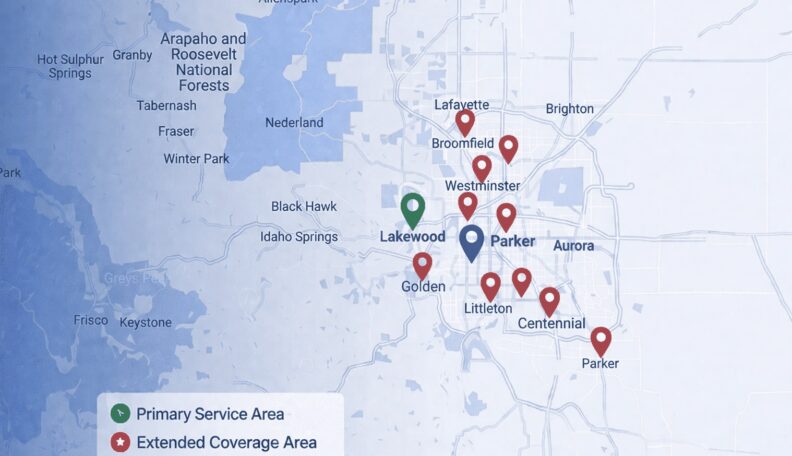
Select Garage Doors provides commercial lubrication and full preventive maintenance for businesses across Parker and the Denver metro area. We serve Parker, Castle Rock, Greenwood Village, Lakewood, and the greater Denver metro area.
To schedule commercial door maintenance or discuss a service plan for your facility, call 720-339-2442 or schedule your commercial door maintenance online.
Frequently Asked Questions
What lubricant should I use on commercial garage door springs?
White lithium grease or a synthetic garage door lubricant provides the best adhesion and longevity on springs. Avoid WD-40, which evaporates quickly and does not provide lasting protection.
How often should commercial garage doors be lubricated?
Every 3 to 6 months for most commercial applications. High-cycle doors (20+ cycles per day) or doors in harsh environments should be lubricated every 2 to 3 months.
Should I lubricate the garage door tracks?
No. Lubricated tracks cause the door to slip and bind instead of rolling smoothly. Keep tracks clean and dry. Lubricate the rollers, hinges, springs, and bearing plates instead.
Can I lubricate my commercial garage door myself?
Basic lubrication of accessible hinges and rollers is safe. However, spring lubrication on a commercial system should be done by a technician who can inspect the spring condition and tension at the same time. Combining lubrication with a full inspection maximizes the value of each maintenance visit.
Looking for a deal?
Call us or to learn about our current promotions and seasonal offers.


Service Area: 50+ Cities Across Metro Denver
Select Your Nearest Location
Hours: Mon-Fri 8am-5pm
Sunday Emergency Only
Avg Response Time: 18 minutes
Hours: Mon-Fri 8am-5pm
Sunday Emergency Only
Avg Response Time: 18 minutes
Hours: Mon-Fri 8am-5pm
Sunday Emergency Only
Avg Response Time: 18 minutes
Hours: Mon-Fri 8am-5pm
Sunday Emergency Only
Avg Response Time: 18 minutes
Hours: Mon-Fri 8am-5pm
Sunday Emergency Only
Avg Response Time: 18 minutes
Hours: Mon-Fri 8am-5pm
Sunday Emergency Only
Avg Response Time: 18 minutes
Hours: Mon-Fri 8am-5pm
Sunday Emergency Only
Avg Response Time: 18 minutes
Hours: Mon-Fri 8am-5pm
Sunday Emergency Only
Avg Response Time: 18 minutes
Hours: Mon-Fri 8am-5pm
Sunday Emergency Only
Avg Response Time: 18 minutes
Hours: Mon-Fri 8am-5pm
Sunday Emergency Only
Avg Response Time: 18 minutes
Hours: Mon-Fri 8am-5pm
Sunday Emergency Only
Avg Response Time: 18 minutes
Hours: Mon-Fri 8am-5pm
Sunday Emergency Only
Avg Response Time: 18 minutes
Hours: Mon-Fri 8am-5pm
Sunday Emergency Only
Avg Response Time: 18 minutes
Hours: Mon-Fri 8am-5pm
Sunday Emergency Only
Avg Response Time: 18 minutes
Hours: Mon-Fri 8am-5pm
Sunday Emergency Only
Avg Response Time: 18 minutes
We Service: Parker, Castle Rock, Greenwood Village, Lakewood, Littleton, Centennial, Highlands Ranch 40+ More Cities