

How Does Extreme Heat Affect Your Garage Door in Parker, CO?
Key Takeaways
- Metal garage door springs expand in heat, altering tension and door balance
- Lubricants break down faster at high temperatures and at Parker’s 5,869-foot elevation
- Weatherstripping and bottom seals crack and shrink in sustained heat above 85 degrees
- Dark-colored doors absorb more heat and warp faster than lighter finishes
- A mid-summer tune-up catches heat-related wear before it leads to failure
Parker’s summer heat causes metal springs to expand, lubricants to thin and evaporate, and weatherstripping to crack and harden. These effects increase friction, reduce spring lifespan, and compromise the seal between the door and the frame.
Parker’s summer highs regularly reach 90 degrees, with surface temperatures on a south-facing garage door climbing well above that. The heat does not just make the garage uncomfortable. It physically changes how every component in the door system performs. Springs lose calibration, lubricants evaporate, panels warp, and seals degrade. Select Garage Doors works with Parker homeowners year-round to address the specific damage that Colorado’s summer conditions cause.
What Happens to Garage Door Springs in Extreme Heat?
Heat causes steel springs to expand, which reduces their stored tension and can throw off the balance of the entire door. A door that feels heavier than usual in summer often has springs affected by thermal expansion.
Torsion springs are calibrated to hold a specific amount of tension based on the door’s weight. When temperatures rise, the steel expands slightly along its length. That expansion reduces the spring’s effective force, making the door feel heavier when opening and harder for the opener to lift.
Over repeated heat cycles, this expansion and contraction fatigues the metal. Springs rated for 10,000 cycles in moderate climates may reach failure closer to 7,000 to 8,000 cycles in Parker’s conditions. The daily temperature swings of 30 to 50 degrees between morning lows and afternoon highs compound this stress by cycling the springs through expansion and contraction every 24 hours.
Extension springs face the same thermal stress with an added risk. Because extension springs stretch rather than wind, heat-related expansion can cause them to sag or lose their return force. Homeowners who notice the door bouncing or not sitting flush at the top of the tracks during summer should have the spring tension checked. For more on how UV and sun exposure affects garage doors at altitude, read about UV exposure and high-elevation fading in Parker.
How Does Heat Damage Garage Door Panels and Weatherstripping?
Sustained heat warps steel and wood panels, blisters paint, and causes rubber weatherstripping to dry, crack, and lose its sealing ability. Dark-colored doors absorb more thermal energy and deteriorate faster.
Steel panels exposed to direct afternoon sun can reach surface temperatures of 140 to 160 degrees in Parker’s summer. At those temperatures, paint softens and becomes vulnerable to scratches and chips. Repeated heating and cooling cycles cause paint to crack and flake, exposing the bare metal to moisture and oxidation.
Wood panels absorb and release heat differently than steel. Heat pulls moisture out of the wood grain, causing boards to shrink, warp, and eventually split. Composite and insulated steel panels handle heat better than solid wood, making them a common choice for Parker homeowners seeking durability.
Weatherstripping takes the worst of it. The rubber and vinyl seals along the bottom, sides, and top of the door are designed to flex and compress. Heat hardens these materials over time, reducing their elasticity. Once they crack, they stop sealing against drafts, moisture, and pests. Parker, CO homeowners should inspect seals at the start and end of each summer and replace any that show visible cracking.
Does Parker’s Altitude Make Heat Damage Worse?
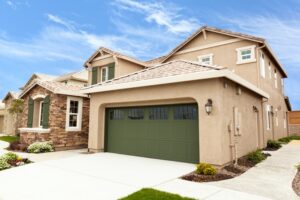
Yes. Parker’s elevation of 5,869 feet increases UV intensity by roughly 7 percent per 1,000 feet, which means more radiation hitting the door surface, faster lubricant breakdown, and accelerated material degradation compared to lower-altitude locations.
UV radiation is the hidden accelerator of heat damage. At Parker’s altitude, UV exposure is approximately 40 percent more intense than at sea level. This radiation does not just fade paint. It breaks down the molecular bonds in rubber, vinyl, and certain plastics, causing them to become brittle.
The low relative humidity in Parker (often below 30 percent in summer) compounds the problem. Dry air wicks moisture from wood panels, dries out weatherstripping, and causes lubricants to evaporate faster. A silicone-based lubricant that lasts six months at sea level may need reapplication every three months in Parker.
| Component | Heat Effect | Warning Sign | Recommended Action |
|---|---|---|---|
| Torsion Springs | Expand, lose tension | Door feels heavier | Professional balance check |
| Extension Springs | Sag, lose return force | Door bounces or gaps at top | Professional adjustment |
| Steel Panels | Paint blisters, surface warps | Visible bubbling or chips | Repaint or replace panels |
| Wood Panels | Dry, shrink, crack | Visible splits or warping | Seal, stain, or replace |
| Weatherstripping | Hardens, cracks | Visible gaps, drafts, pests | Replace seals |
| Lubricants | Thin, evaporate | Increased noise, friction | Reapply silicone-based lube |
How Can Homeowners Protect Their Garage Door from Summer Heat?
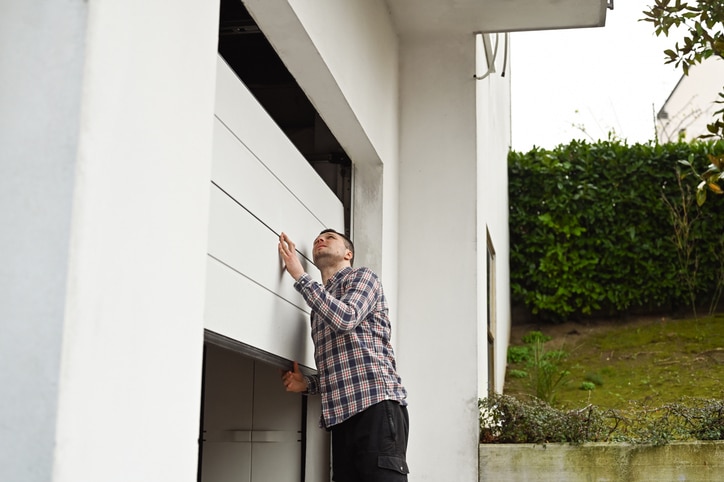
A mid-summer maintenance check that includes lubrication, seal inspection, and spring balance testing catches heat damage early and extends the door’s lifespan.
Preventive steps that make a measurable difference:
- Apply silicone-based lubricant to springs, rollers, and hinges at the start of June and again in August
- Inspect weatherstripping for cracks, gaps, or hardening and replace as needed
- Check door balance by disconnecting the opener and lifting the door halfway; if it drifts up or down, the springs need adjustment
- Consider lighter-colored paint or finishes to reduce heat absorption on south and west-facing doors
- Keep the garage ventilated to reduce interior heat buildup, which stresses the door from both sides
For a thorough assessment of heat-related wear, Parker homeowners can schedule a service today. Select Garage Doors provides a 24/7 call line to book appointments at a convenient time.
Frequently Asked Questions
At What Temperature Do Garage Door Springs Start to Be Affected?
Springs begin measurable expansion above 85 degrees Fahrenheit. In Parker, afternoon temperatures regularly exceed this threshold from June through September, making summer the peak period for spring-related issues.
Can Heat Cause a Garage Door Spring to Break?
Yes. Repeated thermal cycling weakens the metal over time. A spring that has completed 8,000 or more cycles in Parker’s climate is at higher risk of heat-related failure than one in a milder region.
Should I Paint My Garage Door a Lighter Color to Reduce Heat Damage?
Lighter colors reflect more solar energy and absorb less heat. A white or light gray door can stay 20 to 30 degrees cooler at the surface than a black or dark brown door on the same day.
How Often Should I Replace Weatherstripping in Parker?
In Parker’s climate, weatherstripping typically lasts two to four years before heat and UV exposure cause it to crack and lose flexibility. Inspect it every spring and fall.
Is WD-40 a Good Lubricant for Garage Door Springs in Summer?
No. WD-40 evaporates quickly in heat and can strip existing lubrication. Use a silicone-based garage door spray that withstands high temperatures and maintains viscosity.
Can an Insulated Garage Door Reduce Heat Damage?
Insulated doors resist heat transfer better than single-panel steel doors. The insulation layer acts as a thermal buffer, reducing the temperature difference between the interior and exterior surfaces.
Does a South-Facing Garage Get More Heat Damage Than Other Orientations?
Yes. South and west-facing garages receive the most direct sunlight in Parker. These orientations experience the highest surface temperatures and the fastest rate of paint, seal, and lubricant degradation.
Looking for a deal?
Call us or to learn about our current promotions and seasonal offers.



Service Area: 50+ Cities Across Metro Denver
Select Your Nearest Location
Hours: Mon-Fri 8am-5pm
Sunday Emergency Only
Avg Response Time: 18 minutes
Hours: Mon-Fri 8am-5pm
Sunday Emergency Only
Avg Response Time: 18 minutes
Hours: Mon-Fri 8am-5pm
Sunday Emergency Only
Avg Response Time: 18 minutes
Hours: Mon-Fri 8am-5pm
Sunday Emergency Only
Avg Response Time: 18 minutes
Hours: Mon-Fri 8am-5pm
Sunday Emergency Only
Avg Response Time: 18 minutes
Hours: Mon-Fri 8am-5pm
Sunday Emergency Only
Avg Response Time: 18 minutes
Hours: Mon-Fri 8am-5pm
Sunday Emergency Only
Avg Response Time: 18 minutes
Hours: Mon-Fri 8am-5pm
Sunday Emergency Only
Avg Response Time: 18 minutes
Hours: Mon-Fri 8am-5pm
Sunday Emergency Only
Avg Response Time: 18 minutes
Hours: Mon-Fri 8am-5pm
Sunday Emergency Only
Avg Response Time: 18 minutes
Hours: Mon-Fri 8am-5pm
Sunday Emergency Only
Avg Response Time: 18 minutes
Hours: Mon-Fri 8am-5pm
Sunday Emergency Only
Avg Response Time: 18 minutes
Hours: Mon-Fri 8am-5pm
Sunday Emergency Only
Avg Response Time: 18 minutes
Hours: Mon-Fri 8am-5pm
Sunday Emergency Only
Avg Response Time: 18 minutes
Hours: Mon-Fri 8am-5pm
Sunday Emergency Only
Avg Response Time: 18 minutes
We Service: Parker, Castle Rock, Greenwood Village, Lakewood, Littleton, Centennial, Highlands Ranch 40+ More Cities