

Winterizing Garage Door Openers: Tips for Cold Weather Maintenance
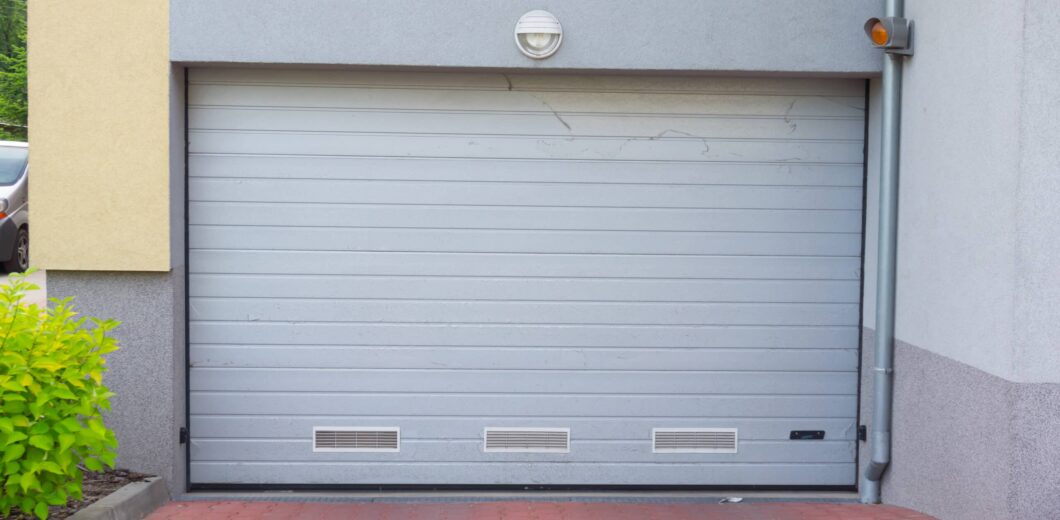
Winterizing your garage door opener in Parker, CO, protects the motor, battery, and moving parts from freeze-thaw damage that is common along the Front Range. Select Garage Doors recommends checking lubrication, battery health, safety sensors, and insulation before overnight temperatures drop below 20 degrees. Taking these steps in early fall prevents mid-winter breakdowns when you need reliable garage access most.
Why Parker Winters Are Especially Hard on Garage Door Openers
If you have lived in Parker, CO for even one winter, you know the weather does not ease into cold gradually. A 60-degree afternoon can drop to single digits by the next morning. At an elevation of 5,869 feet, the Front Range delivers temperature swings that most garage door openers were never designed to handle. Select Garage Doors works on openers across Parker and the Denver metro that fail every winter for the same preventable reasons.
The core problem is not just cold. It is the constant cycling between freezing and thawing. Moisture condenses on metal components overnight, freezes, then thaws when the garage warms slightly during the day. This repeated expansion and contraction weakens the lubricant, corrodes the electrical connections, and stresses the drive mechanism inside your opener. Parker homes with attached garages get some thermal buffering from the house, but detached garages and those facing north or west take the worst of it.
Most suburban homes in Parker rely on their garage as the primary entry point. That means the opener cycles multiple times per day, every day, through the harshest months. A breakdown in January is not just an inconvenience. It can leave your home exposed to the elements and compromise security. The good news: a focused winterization routine done before November handles the vast majority of cold-weather failures.
How to Winterize Your Garage Door Opener for Colorado Cold
1. Should You Switch to a Cold-Weather Lubricant Before Winter?
Yes. Standard garage door lubricant thickens and becomes ineffective below 20 degrees Fahrenheit, which Parker regularly hits from November through March. Switching to a silicone- or lithium-based lubricant rated for sub-zero temperatures helps keep the chain, screw, or belt drive moving freely and reduces strain on the opener motor.
Start by wiping down the opener’s rail and drive mechanism with a clean rag to remove old grease and debris. Accumulated grime mixed with thickened lubricant creates a paste-like buildup that forces the motor to work harder. This is one of the most common causes of premature motor burnout in cold weather.
Apply the cold-rated lubricant sparingly along the full length of the drive rail, the trolley carriage, and any pivot points. If your opener uses a chain drive, lubricate each link. For screw-drive models, coat the entire threaded rod. Belt-drive openers need the least lubrication but still benefit from a light application on the trolley and rail contact points. While you are at it, apply the same lubricant to the torsion springs above the door and the roller bearings, since these components also stiffen in cold weather and directly affect how hard the opener has to work.
Plan to re-lubricate once mid-winter, around late January, especially after any prolonged stretch below zero. Parker’s dry air helps prevent rust, but the freeze-thaw cycle still degrades lubricant faster than in moderate climates.
2. How Does Cold Weather Affect Garage Door Opener Batteries?
Battery-powered backup systems and wireless keypads lose significant capacity in cold temperatures. A battery that holds a full charge at 70 degrees may deliver only 50 to 60 percent of its rated power at 10 degrees. Testing and replacing weak batteries before winter prevents lockouts during power outages, which are common in Parker during ice storms.
Check the backup battery inside your opener unit first. Most modern openers have an integrated battery backup that allows the door to operate during power outages. Open the battery compartment, inspect for corrosion on the terminals, and test the charge level. If the battery is more than two years old, replace it preemptively. A fresh battery costs far less than an emergency service call when you cannot get your car out of the garage during a storm.
Next, check the batteries in your wireless wall-mounted keypad and any remote controls. Cold saps these batteries faster than you expect. If your keypad is mounted on the exterior of the garage, it endures the full brunt of Parker’s winter temperatures and will drain batteries roughly twice as fast as it does in summer. Keep spare batteries in the house so a dead keypad does not leave you stranded in the driveway.
One detail many homeowners in Parker’s HOA communities overlook: if your garage faces north and receives little direct sunlight in winter, the keypad and exterior sensors stay colder for longer stretches. This accelerates battery drain even further. Consider bringing the remote inside overnight rather than leaving it in an unheated vehicle.
3. What Should You Check on the Tracks and Rollers Before Winter?
Clean tracks and properly functioning rollers are critical before winter because any resistance in the door’s travel path forces the opener motor to work harder. In Parker’s climate, dirt, leaf debris, and moisture accumulate in tracks during fall and can freeze solid overnight, jamming the door or triggering the opener’s safety reverse.
Use a damp cloth to wipe the inside of both vertical tracks from floor level to the curved section. Then wipe the horizontal tracks that run along the ceiling. Pay attention to the bottom six inches of each vertical track, where most debris collects. If you find buildup that will not wipe away, a household degreaser on a rag works well. Do not use WD-40 inside the tracks. It attracts dust and creates a sticky film that worsens the problem over time.
Inspect each roller as the door travels up and down. Nylon rollers should spin freely without wobbling. Steel rollers should not show flat spots or excessive rust. A worn roller creates a drag point that the opener fights against on every cycle. In cold weather, that extra resistance can trip the force adjustment or strain the motor. If rollers are worn, scheduling a maintenance visit before winter is the most cost-effective approach.
Also, verify that the tracks are properly aligned. Temperature changes can cause the metal tracks to shift slightly at their mounting brackets. Stand inside the garage with the door closed and look along the length of each track. They should be parallel and plumb. Even a small misalignment that seems harmless in warm weather can cause binding when the metal contracts in cold temperatures.
4. How Do You Protect the Opener’s Safety Sensors in Freezing Weather?
The photoelectric safety sensors at the base of your garage door are vulnerable to condensation, frost, and ice buildup that block the infrared beam and prevent the door from closing. Keeping these sensors clean and slightly repositioned can eliminate the most frustrating cold-weather opener problem Parker homeowners face.
The sensors sit just a few inches off the garage floor, right where cold air pools. On winter mornings, condensation or frost forms on the lens surface and breaks the beam. The opener reads this as an obstruction and refuses to close. You press the button, the door starts down, then immediately reverses. It is not a malfunction. The opener is doing exactly what it is designed to do. The fix is simple once you know the cause.
Wipe both sensor lenses with a soft, dry cloth every week during winter. If condensation is a recurring issue, apply a thin coat of automotive rain repellent to each lens. This causes moisture to bead and roll off instead of forming a film. Make sure nothing is stored near the sensors that could shift and block the beam. In Parker garages that double as storage for outdoor gear, ski equipment and snow shovels often end up leaning right in front of a sensor.
Check the sensor alignment as well. Each sensor has a small LED indicator light. Both lights should be solid, not flickering. If one flickers, the sensors are slightly out of alignment. Gently adjust the mounting bracket until the light holds steady. Cold-related contraction in the garage framing can shift sensors just enough to cause intermittent failures, so re-checking alignment in December and again in February is a good habit. If sensors keep failing despite cleaning and realignment, the wiring may have a cold-related connection issue that needs opener repair by a trained technician.
5. Should You Insulate Your Garage Door to Help the Opener?
Insulating the garage door directly reduces the workload on your opener by keeping the garage interior warmer, which preserves lubricant effectiveness, battery life, and sensor function. For Parker homes at elevation, where overnight lows routinely hit single digits, an insulated door can raise interior garage temperature by 10 to 20 degrees compared to an uninsulated steel panel.
Most garage doors in Parker’s suburban neighborhoods are single-layer steel. These doors conduct cold efficiently and offer almost no thermal barrier. Polystyrene or polyurethane insulation kits are available at home improvement stores and can be cut to fit each panel. Polystyrene (rigid foam boards) is the budget option. Polyurethane (spray foam or pre-cut panels) offers higher R-value per inch and is worth the additional cost if your garage is attached to the house.
One important consideration for opener performance: insulation adds weight to the door. A standard two-car garage door gains roughly 15 to 30 pounds after insulation, depending on the material. Your opener’s force settings and the spring tension must be adjusted to account for this added weight. If you skip this step, the opener strains against the heavier door on every cycle, which accelerates wear on the motor and gears.
Also address the weatherstripping around the door perimeter. The bottom seal, side seals, and header seal all degrade over time and allow cold air infiltration. Replacing cracked or compressed weatherstripping is inexpensive and dramatically improves the thermal envelope. For homes in Parker where the garage shares a wall with the main living space, proper weatherstripping also cuts heating costs for the whole house.
6. How Do You Adjust the Opener’s Force and Travel Settings for Winter?
Cold temperatures cause the garage door and its components to contract, which changes how much force the opener needs to move the door and exactly where it stops at the fully open and fully closed positions. Adjusting the force and travel limit settings on your opener prevents incomplete closing, excessive motor strain, and unnecessary safety reversals throughout winter.
Every garage door opener has two adjustment screws or digital settings: force (how hard the motor pushes or pulls) and travel limits (how far the door moves in each direction). In warm weather, these settings work fine as configured. But when temperatures drop, several things change at once. The springs provide slightly less lifting assist because cold metal is less elastic. The lubricant thickens, adding friction. The door panels and tracks contract, altering the travel distance by a small but meaningful amount.
To test, close the door fully and watch the bottom seal. The door should compress the seal against the floor evenly across its full width with no visible gaps. If there is a gap on one or both sides, the close-limit needs a slight increase. Open the door fully and observe the top. It should stop cleanly without slamming into the stop bolt or drifting back down. If it slams or reverses, the open limit needs a slight decrease.
For force adjustment, close the door and then try to lift it by hand from the bottom. You should be able to reverse it with moderate pressure (roughly 15 to 20 pounds of force). If the door will not reverse, the closing force is set too high. If the door reverses on its own during normal operation without an obstruction, the closing force is too low. Make adjustments in small quarter-turn increments. If you are not comfortable making these changes yourself, this is an ideal item to include in a pre-winter opener tune-up.
When to Call a Garage Door Technician
Most of the winterization steps above are straightforward for a handy homeowner. But certain situations call for trained help rather than a DIY approach. Knowing the difference saves time and prevents accidental damage.
Call for service if your opener motor runs but the door does not move. This usually indicates a stripped gear, broken drive component, or a spring failure. Any of these requires proper tools and safety knowledge to repair. Similarly, if the door closes partway and then reverses repeatedly despite clean sensors and correct force settings, there may be a structural issue with the door or tracks that needs diagnosis.
Spring adjustment is another task best left to a trained technician. Torsion springs carry extreme tension and can cause serious injury if handled incorrectly. If your winterization inspection reveals springs that are visibly cracked, rusted through, or unevenly tensioned, do not attempt to adjust them yourself.
Homeowners in Parker, Castle Rock, and throughout the Denver metro area should also call for help if the opener is more than 12 to 15 years old and struggling in cold weather. Older units lack the motor torque and safety features of current models, and repeated cold-weather strain can push them past the point of cost-effective repair. A replacement may be the better investment, especially given the energy savings of newer insulated doors paired with modern openers that include battery backup and smart connectivity through garage door accessories like Wi-Fi-enabled controllers.
Protect Your Parker Home Before the Cold Sets In
Front Range winters do not give much warning. A mild October can turn into a brutally cold November overnight, and by then, the backlog for service calls is already building. The best time to winterize your garage door opener in Parker, CO, is early fall, before you actually need everything to work perfectly in freezing conditions.
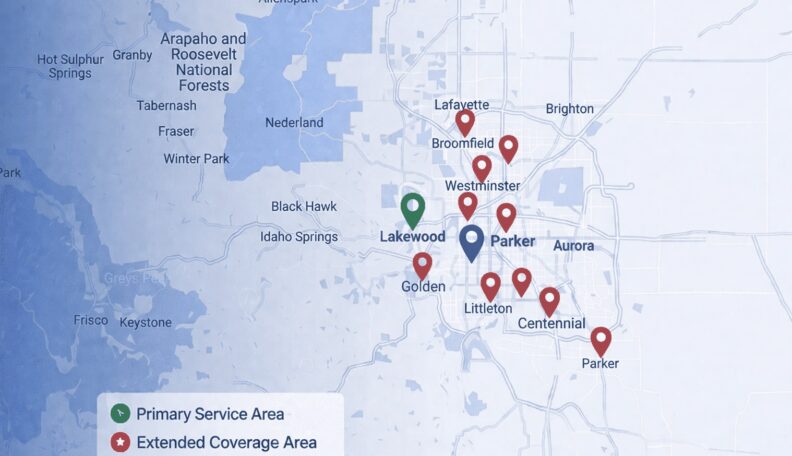
Select Garage Doors serves Parker, Castle Rock, Greenwood Village, Lakewood, and the greater Denver metro area. Call 720-339-2442 to schedule a pre-winter opener inspection or to address any cold-weather issues before they turn into bigger problems.
Frequently Asked Questions
At what temperature do garage door openers start having problems in Parker, CO?
Most openers begin showing cold-related issues when overnight temperatures drop below 20 degrees Fahrenheit. In Parker, this is common from late November through early March.
Can I use WD-40 to lubricate my garage door opener for winter?
No. WD-40 is a solvent, not a long-term lubricant. It evaporates quickly and attracts dust. Use a silicone-based or white lithium grease rated for sub-zero temperatures instead.
Why does my garage door reverse on its own in cold weather?
Frost or condensation on the safety sensors blocks the infrared beam and triggers the auto-reverse. Wiping the sensor lenses and applying rain repellent usually solves this.
How often should I winterize my garage door opener in the Denver metro area?
Once per year in early fall, with a mid-winter check in January. Parker’s freeze-thaw cycles degrade lubricant and battery life faster than moderate climates.
Does insulating my garage door affect the opener?
Yes. Insulation adds 15 to 30 pounds to the door. The spring tension and opener force settings must be adjusted to compensate, or the motor will strain on every cycle.
Should I replace my garage door opener before winter if it is old?
If your opener is over 12 years old and struggles in cold weather, replacement is often more cost-effective than repeated repairs. Newer models handle cold better and include battery backup.

Looking for a deal?
Call us or to learn about our current promotions and seasonal offers.


Service Area: 50+ Cities Across Metro Denver
Select Your Nearest Location
Hours: Mon-Fri 8am-5pm
Sunday Emergency Only
Avg Response Time: 18 minutes
Hours: Mon-Fri 8am-5pm
Sunday Emergency Only
Avg Response Time: 18 minutes
Hours: Mon-Fri 8am-5pm
Sunday Emergency Only
Avg Response Time: 18 minutes
Hours: Mon-Fri 8am-5pm
Sunday Emergency Only
Avg Response Time: 18 minutes
Hours: Mon-Fri 8am-5pm
Sunday Emergency Only
Avg Response Time: 18 minutes
Hours: Mon-Fri 8am-5pm
Sunday Emergency Only
Avg Response Time: 18 minutes
Hours: Mon-Fri 8am-5pm
Sunday Emergency Only
Avg Response Time: 18 minutes
Hours: Mon-Fri 8am-5pm
Sunday Emergency Only
Avg Response Time: 18 minutes
Hours: Mon-Fri 8am-5pm
Sunday Emergency Only
Avg Response Time: 18 minutes
Hours: Mon-Fri 8am-5pm
Sunday Emergency Only
Avg Response Time: 18 minutes
Hours: Mon-Fri 8am-5pm
Sunday Emergency Only
Avg Response Time: 18 minutes
Hours: Mon-Fri 8am-5pm
Sunday Emergency Only
Avg Response Time: 18 minutes
Hours: Mon-Fri 8am-5pm
Sunday Emergency Only
Avg Response Time: 18 minutes
Hours: Mon-Fri 8am-5pm
Sunday Emergency Only
Avg Response Time: 18 minutes
Hours: Mon-Fri 8am-5pm
Sunday Emergency Only
Avg Response Time: 18 minutes
We Service: Parker, Castle Rock, Greenwood Village, Lakewood, Littleton, Centennial, Highlands Ranch 40+ More Cities