


Why Garage Door Design Services Are Essential for Home Renovations in Parker, CO
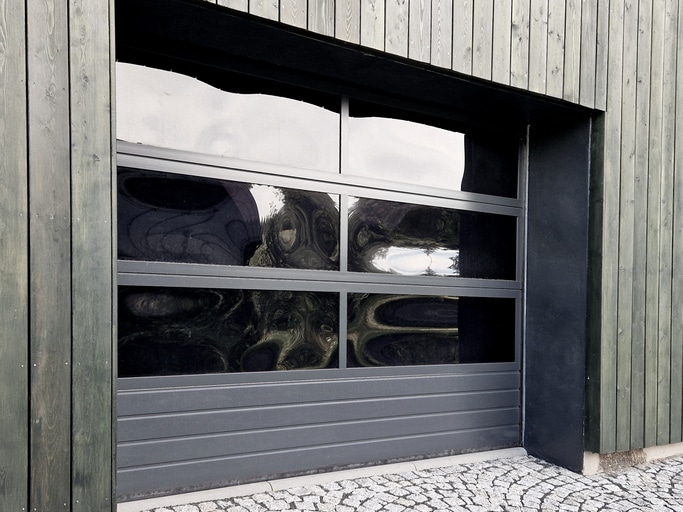
Your garage door typically covers the largest share of your home’s front facade, often a third or more of what is visible from the street. That makes it the single biggest design surface most homeowners ever choose, and one of the highest-ROI replacements in a renovation budget. Treating it as a styling decision (not just a functional part) is what separates a renovation that lifts curb appeal from one that costs the same and lands flat.
At Select Garage Doors, we are a veteran-owned shop based in Parker, CO that designs, sources, and installs residential and commercial doors across the Denver Metro area. Our team helps homeowners pick a material, panel style, window pattern, and finish that fits both the architecture and the long-term performance needs of the door. If you are scoping a renovation right now, start with Select Garage Doors for design and installation backed by our 100% Satisfaction Guarantee.
Curb Appeal Pays Back: What a Designed Door Does for Resale
A garage door upgrade is one of the few renovations that recovers a high share of its cost at resale. Industry remodeling cost reports have placed garage door replacement near the top of the ROI charts for the better part of a decade, frequently above the 90 percent recoup mark. The reason is simple: it is the single biggest visual element a buyer sees from the curb, and a dated door drags the whole facade with it.
What a Well-Designed Door Actually Does Visually
- Matches the architectural style of the house (modern flat panel for contemporary builds, carriage-house for craftsman, recessed-panel for traditional)
- Pulls the trim and siding color palette into the door instead of fighting it
- Adds a window pattern or panel detail that breaks up the visual weight of a large door slab
When all three are dialed in, the garage door reads as a designed part of the facade instead of a bolted-on appliance.
Picking the Right Material for Your Climate and Style
Material choice is the single most consequential design decision after color. The four common door materials look different, age differently, and carry very different insulation and maintenance profiles. The right pick depends on your home’s architecture, your local climate, and how much maintenance you are willing to do over the next decade.
Door Material Comparison
| Material | Best Style Fit | Insulation Potential | Maintenance | Cost Range |
|---|---|---|---|---|
| Steel | Modern, transitional, contemporary | High (with foam core) | Low | $$ |
| Wood | Craftsman, carriage-house, custom builds | Moderate (varies by core) | High (refinish every 3 to 5 years) | $$$$ |
| Composite / Faux Wood | Craftsman or rustic looks without wood upkeep | Moderate to high | Low | $$$ |
| Aluminum + Glass | Modern, minimalist, contemporary | Lower (depends on glazing spec) | Low | $$$$ |
For most Front Range homes, an insulated steel door delivers the best balance of looks, insulation R-value, and durability under our temperature swings. Wood and aluminum-glass doors make sense when the architecture calls for them and the homeowner accepts the trade-offs.
Insulation, Energy Use, and Front Range Temperature Swings
An attached garage with a poorly insulated door turns into a heat sink in winter and a thermal furnace in summer. Parker and the broader Denver Metro area swing through wide daily temperature ranges most months, and a thin uninsulated door pulls those swings directly into the attached wall of your house.
The two specs to look at when comparing doors:
- R-value: how well the door resists heat transfer (R-12 to R-18 is the practical range for most residential doors)
- Weather seal integrity: the bottom, top, and side seals that block air infiltration around the door’s perimeter
A well-spec’d insulated door does not turn an unheated garage into a conditioned room. It does keep the adjacent house wall from losing or gaining as much heat through the shared envelope, which usually shows up on the next utility bill.
Smart Locks, Sensors, and Modern Security Options
A new door is the right moment to upgrade the security package around it. Modern openers and door hardware ship with smart-home integrations that did not exist a decade ago, and the price gap between a basic opener and a connected one is narrower than most homeowners expect.
Worth considering during the design phase:
- Smart openers with phone-based status and remote close (LiftMaster, Genie, and Chamberlain all carry connected models)
- Auto-lock dead bolts that engage when the door is fully closed
- Tamper-resistant cable and bracket hardware that resists pry attacks
- Photo eye sensors with extended range for taller residential doors
- Battery backup for keyless entry during power outages
Sourcing these components during the design phase costs less than retrofitting them after the install.
Why Custom Design Matters for Installation Fit
A garage door that almost fits is the most expensive door you can buy. Even half an inch off on width or header height triggers framing modifications, weather-seal failures, or an opener that struggles to lift the door’s actual weight. The design phase is where those measurements get caught.
What a real design service measures before quoting:
- Rough opening width and height to within an eighth of an inch
- Header height for opener and torsion shaft clearance
- Side room for vertical track and spring mounting
- Backroom from header to the deepest interior obstruction
- Floor slope across the opening
When a designer catches an out-of-square opening or a low header during measurement, you save a return visit and a structural change order later.
How to Approach Garage Door Design in a Parker Renovation
Treat the garage door as a styling decision and a system decision at the same time. Pick a material that matches the architecture and your local climate, spec the insulation level your shared wall actually needs, and have a designer measure the opening before any contract is signed.
Our team handles Parker garage door service alongside design consults across the broader Denver Metro service area, from initial style review through measurement, sourcing, and install.
Call (720) 339-2442 to schedule a design consult, ask about door materials for your architecture, or request a written quote.
Frequently Asked Questions
How much does a garage door replacement cost in Parker, CO?
Call for a free estimate.
Which garage door material gives the best ROI on a renovation?
Insulated steel doors recover the highest share of cost at resale in most markets, because they hit the sweet spot of price, insulation, and visual appeal. Custom wood and aluminum-glass doors lift premium-listed homes more than median-priced ones.
How long does a custom garage door take from design to installation?
Steel doors with standard panel styles usually ship within two to four weeks. Custom wood, full-view aluminum-glass, and specialty composite doors can take six to twelve weeks depending on the manufacturer’s queue.
Do I need a permit to replace my garage door in Parker, CO?
Most door-panel swaps do not require a permit, but rules vary by jurisdiction and HOA. Full structural changes (header modifications, opening resizing, new electrical runs) usually do; your installer should confirm before quoting.
What R-value should I look for in an insulated garage door?
For attached garages in cold-climate markets like Parker, an R-value between R-12 and R-18 is the practical sweet spot. Higher R-values are available, but the diminishing returns make them hard to justify for a typical residential door.
Should I match my garage door color to my front door color?
Matching is one option; tonal contrast is another. The strongest facades usually pull one color cue from the trim or siding palette into both doors, rather than literally matching the front door slab color.
Can a garage door designer help with smart-home integration?
Yes. A good designer specifies the opener with the right smart-home protocol (Wi-Fi, MyQ, HomeKit, or similar) during the door selection rather than leaving it as an aftermarket retrofit. That choice affects opener model, mounting position, and wiring.
Does my HOA need to approve my new garage door design?
Many HOAs require approval for any exterior change visible from the street, including garage doors. Check your covenants before committing to a custom style or color; most HOAs respond to a design submission within two to four weeks.


Looking for a deal?
Call us or to learn about our current promotions and seasonal offers.



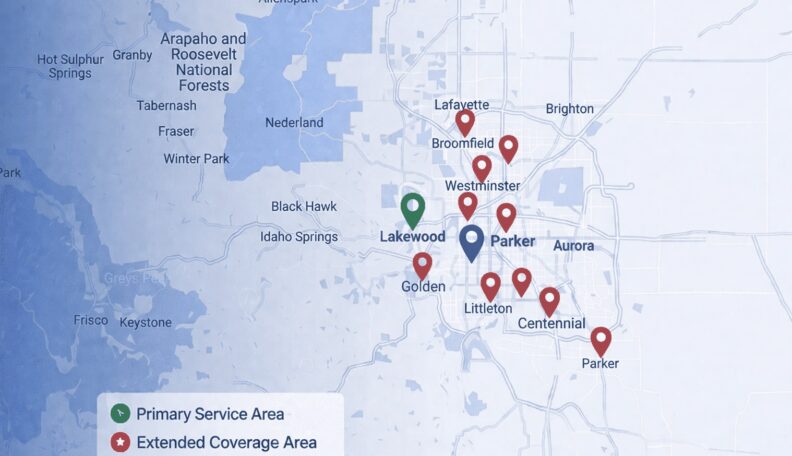
Service Area: 50+ Cities Across Metro Denver
Select Your Nearest Location
Hours: Mon-Fri 8am-5pm
Sunday Emergency Only
Avg Response Time: 18 minutes
Hours: Mon-Fri 8am-5pm
Sunday Emergency Only
Avg Response Time: 18 minutes
Hours: Mon-Fri 8am-5pm
Sunday Emergency Only
Avg Response Time: 18 minutes
Hours: Mon-Fri 8am-5pm
Sunday Emergency Only
Avg Response Time: 18 minutes
Hours: Mon-Fri 8am-5pm
Sunday Emergency Only
Avg Response Time: 18 minutes
Hours: Mon-Fri 8am-5pm
Sunday Emergency Only
Avg Response Time: 18 minutes
Hours: Mon-Fri 8am-5pm
Sunday Emergency Only
Avg Response Time: 18 minutes
Hours: Mon-Fri 8am-5pm
Sunday Emergency Only
Avg Response Time: 18 minutes
Hours: Mon-Fri 8am-5pm
Sunday Emergency Only
Avg Response Time: 18 minutes
Hours: Mon-Fri 8am-5pm
Sunday Emergency Only
Avg Response Time: 18 minutes
Hours: Mon-Fri 8am-5pm
Sunday Emergency Only
Avg Response Time: 18 minutes
Hours: Mon-Fri 8am-5pm
Sunday Emergency Only
Avg Response Time: 18 minutes
Hours: Mon-Fri 8am-5pm
Sunday Emergency Only
Avg Response Time: 18 minutes
Hours: Mon-Fri 8am-5pm
Sunday Emergency Only
Avg Response Time: 18 minutes
Hours: Mon-Fri 8am-5pm
Sunday Emergency Only
Avg Response Time: 18 minutes
We Service: Parker, Castle Rock, Greenwood Village, Lakewood, Littleton, Centennial, Highlands Ranch 40+ More Cities