


Why Does Your Lakewood Garage Door Get Noisier as Temperatures Drop?
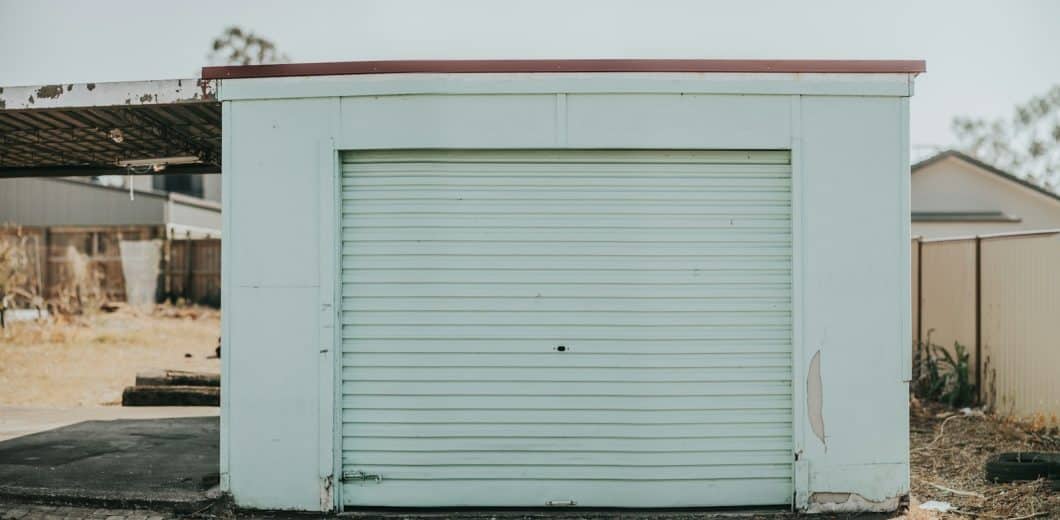
Garage doors get noisier in cooler weather because metal parts contract, older lubricant stiffens, and worn components lose their cushion. A little extra sound is normal in fall; grinding, popping, or banging is the door asking for attention.
Key Takeaways
- Cool Lakewood mornings make existing wear audible, which is why doors “suddenly” get loud in fall.
- Each sound points somewhere: squeaks to dry joints, rattles to loose hardware, grinding to worn rollers.
- Lubrication and gentle tightening quiet most doors, but popping and banging belong to a professional.
- Select Garage Doors backs noise diagnostics with a limited labor and installation warranty and upfront pricing.
Every fall, the same thing happens across Lakewood: a garage door that ran quietly all summer starts announcing itself to the whole house. The team at Select Garage Doors, veteran-owned with more than 1,900 five-star reviews, hears about it every season. Here is why cooling weather turns up the volume, and how to tell harmless from serious.
What Makes a Garage Door Louder When the Weather Cools?
Falling temperatures make metal contract and lubricant thicken, so every contact point runs with less cushion. Wear that summer hid becomes wear you can hear.
The door itself has not changed overnight. What changed is the environment around a system that was already carrying some wear. Tighter clearances, stiffer grease, and firmer rubber all transmit more sound, which is why the first cold week is when homeowners notice.
The specific sounds mean specific things, and the guide to why a garage door makes strange noises breaks down the full list. The short version: new noise is information, not just annoyance.
Which Sounds Point to Which Parts?
Squeaking usually means dry hinges, rattling means loose hardware, grinding means worn rollers, and a single loud bang can mean a spring let go. The sound is the address of the problem.
Here is the quick reference for homeowners throughout Lakewood, CO:
| Sound | Likely Source | How Urgent |
|---|---|---|
| Squeak or chirp | Dry hinges or rollers | Low, lubrication usually solves it |
| Rattle or vibration | Loose bolts or brackets | Low to medium, worth a gentle check |
| Grinding or scraping | Worn rollers or track contact | Medium, inspection recommended |
| Popping during travel | Spring or section strain | High, call a professional |
| One loud bang | Possible spring break | Urgent, stop using the door |
Is a Louder Door in Fall Always a Problem?
No. A modest overall increase in sound during the first cold weeks is normal. The concern is new sound types, rising volume week over week, or noise paired with jerky movement.
Think of it as a baseline shift versus a new signal. The whole door running a touch louder in October is the baseline shift. A scrape that was never there before, a rattle that grows, or a pop on every cycle is a signal, and signals deserve follow-up while they are still cheap to address.
How Can You Quiet a Garage Door Before Winter?
Lubricate the moving joints, snug up visibly loose hardware with a light touch, and keep the tracks clean and dry. Those three habits remove most seasonal noise.
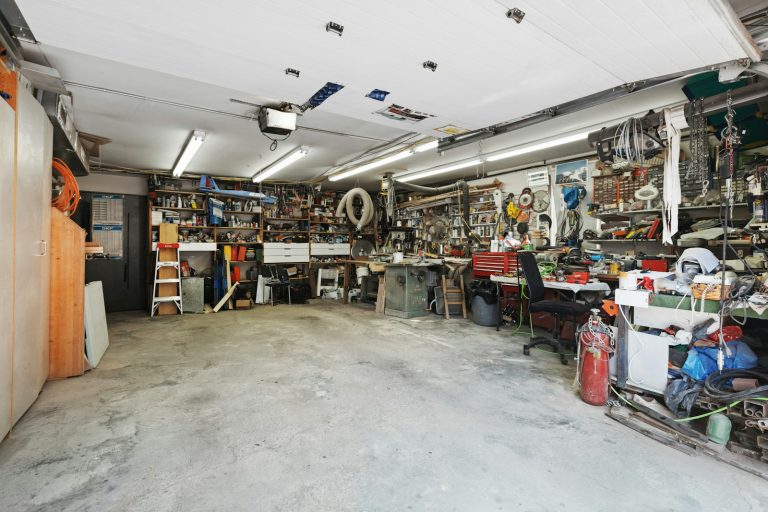
A garage-door-rated lubricant on hinges and roller bearings does the heavy lifting. Loose bolts on brackets can be snugged gently, never forced, and anything attached to the spring system stays off limits. Clean tracks let the rollers glide instead of grinding over grit.
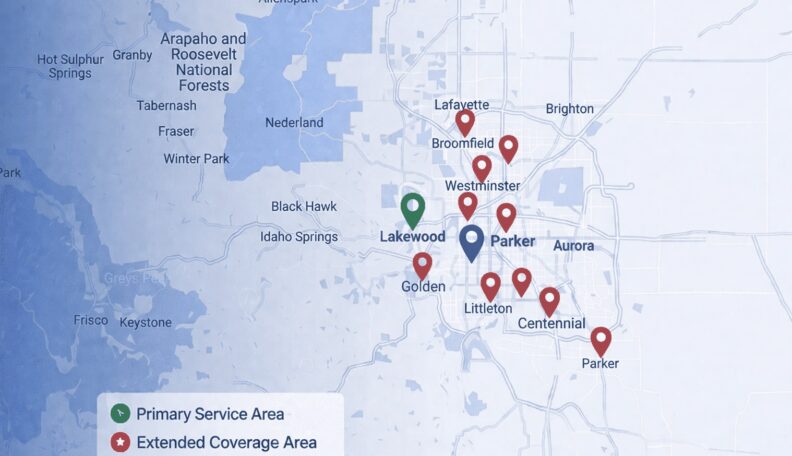
If the noise survives all that, the door is telling you a part is past lubrication. Lakewood homeowners can find the Select Garage Doors Lakewood location on Google Maps and let a technician put a name to the sound.
When Does Noise Mean It Is Time for Professional Repair?
Grinding that persists, popping during travel, any single loud bang, or noise paired with heavy or uneven movement calls for a professional before winter makes it worse.
Those sounds usually trace to rollers, cables, or springs, the parts under real load. Cold weather adds stress to all three, so a door limping into November tends to fail in January, when a stuck door is a much bigger disruption.
Select Garage Doors is licensed and insured with a BBB A+ rating, and about 90% of calls are completed the same day. Schedule a service request and a technician will trace the noise, explain the fix with upfront pricing, and back the work with a limited labor and installation warranty.
Frequently Asked Questions
Why is my garage door suddenly loud in the morning?
Cool overnight temperatures stiffen lubricant and contract metal parts, so the first cycles of the day carry the most friction and the most sound.
Does a noisy garage door mean it is about to break?
Not usually. Most noise is friction asking for lubrication. The exceptions are grinding, popping, or banging, which point to parts under real strain.
What does a loud bang from the garage mean?
A single loud bang often means a spring has broken. Stop using the door and call a professional; a broken spring makes the door heavy and unsafe.
Can I tighten garage door bolts myself?
Visibly loose bracket bolts can be snugged gently. Anything connected to the springs or cables stays hands-off; those parts are under heavy tension.
Will lubrication fix a grinding sound?
Sometimes briefly. Grinding usually means a roller or bearing is worn, and lubricant only masks it. An inspection finds the part that needs replacing.
Do insulated doors run quieter in winter?
Often, yes. Insulated construction damps vibration, so the same hardware sounds softer. Quiet also depends on rollers, springs, and the opener.
How fast can someone look at a noisy door in Lakewood?
The Select Garage Doors call line answers 24/7, and about 90% of calls are completed the same day, with visits during regular business hours.
Should I quiet the door before winter or wait for spring?
Before winter. Cold months add load to every part, so problems found in fall are smaller and cheaper than the same problems in February.

Looking for a deal?
Call us or to learn about our current promotions and seasonal offers.



Service Area: 50+ Cities Across Metro Denver
Select Your Nearest Location
Hours: Mon-Fri 8am-5pm
Sunday Emergency Only
Avg Response Time: 18 minutes
Hours: Mon-Fri 8am-5pm
Sunday Emergency Only
Avg Response Time: 18 minutes
Hours: Mon-Fri 8am-5pm
Sunday Emergency Only
Avg Response Time: 18 minutes
Hours: Mon-Fri 8am-5pm
Sunday Emergency Only
Avg Response Time: 18 minutes
Hours: Mon-Fri 8am-5pm
Sunday Emergency Only
Avg Response Time: 18 minutes
Hours: Mon-Fri 8am-5pm
Sunday Emergency Only
Avg Response Time: 18 minutes
Hours: Mon-Fri 8am-5pm
Sunday Emergency Only
Avg Response Time: 18 minutes
Hours: Mon-Fri 8am-5pm
Sunday Emergency Only
Avg Response Time: 18 minutes
Hours: Mon-Fri 8am-5pm
Sunday Emergency Only
Avg Response Time: 18 minutes
Hours: Mon-Fri 8am-5pm
Sunday Emergency Only
Avg Response Time: 18 minutes
Hours: Mon-Fri 8am-5pm
Sunday Emergency Only
Avg Response Time: 18 minutes
Hours: Mon-Fri 8am-5pm
Sunday Emergency Only
Avg Response Time: 18 minutes
Hours: Mon-Fri 8am-5pm
Sunday Emergency Only
Avg Response Time: 18 minutes
Hours: Mon-Fri 8am-5pm
Sunday Emergency Only
Avg Response Time: 18 minutes
Hours: Mon-Fri 8am-5pm
Sunday Emergency Only
Avg Response Time: 18 minutes
We Service: Parker, Castle Rock, Greenwood Village, Lakewood, Littleton, Centennial, Highlands Ranch 40+ More Cities