


What Are the Top Mistakes Parker Homeowners Make With Garage Door Emergencies?
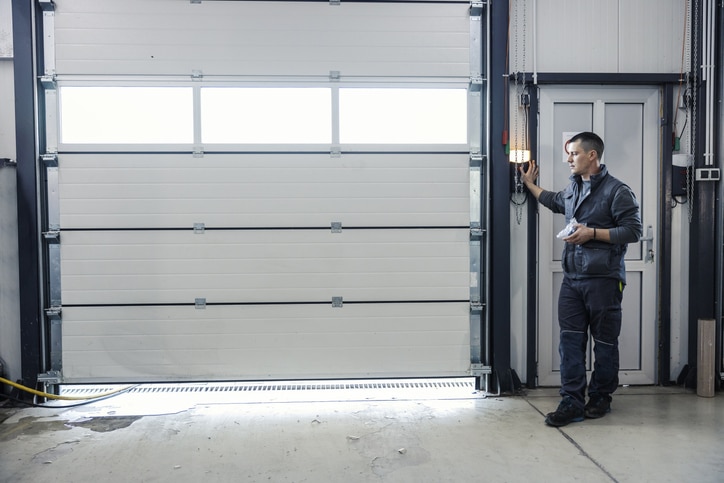
The most common mistakes Parker homeowners make during garage door emergencies are attempting DIY spring repair, forcing a jammed door open, ignoring early warning signs, and calling the wrong type of service provider. Each mistake turns a manageable repair into a larger and more expensive problem.
Key Takeaways
- Attempting DIY spring or cable repair is the most dangerous and costly mistake
- Forcing a stuck door can bend tracks, snap cables, and damage panels beyond repair
- Call for a free estimate.
- Calling a general handyman instead of a garage door specialist leads to misdiagnosis
- Parker’s climate creates emergency conditions that do not exist in milder regions
A garage door emergency creates pressure to act fast. The car is trapped inside, the home is unsecured, and the problem feels urgent. That urgency leads to mistakes that make the situation worse. Select Garage Doors has responded to hundreds of Parker emergency calls where the homeowner’s initial reaction turned a simple repair into a complex one. Understanding these mistakes before an emergency occurs is the best way to avoid them.
Why Is DIY Spring Repair the Biggest Garage Door Emergency Mistake?
Torsion springs store enough energy to cause fractures, lacerations, and head injuries. Homeowners who attempt repair without proper tools and training face a real risk of hospitalization, and a failed DIY attempt often damages additional components.
When a spring breaks, the door becomes too heavy for the opener to lift. The natural impulse is to fix the spring to get the car out. Online tutorials make it look approachable. But those videos do not communicate the 100 to 200 foot-pounds of stored energy in a residential torsion spring. A winding bar that slips, a set screw that strips, or a spring cone that cracks releases that energy in a fraction of a second.
Beyond the injury risk, DIY spring attempts frequently cause collateral damage. Over-winding creates excessive tension that bends the torsion bar. Under-winding leaves the door unbalanced, straining the opener and cables. Misaligned set screws can score the torsion bar surface, creating a stress point that causes premature failure.
Parker homeowners facing a spring failure should request same-day emergency service rather than attempting repair.
What Happens When You Force a Jammed Garage Door Open?
 Forcing a jammed door can bend tracks, snap lift cables, crack panels, strip the opener drive gear, and knock rollers out of the track.
A door jams for a reason. A broken cable, a popped roller, a warped track, or an obstruction in the track channel prevents normal travel. Forcing the door through that resistance with manual lifting or repeated opener attempts pushes components past their design limits.
The most common result of forcing is track damage. Residential garage door tracks are 14-gauge to 16-gauge steel, strong enough for normal operation but not designed to resist lateral force from a misaligned door. A single forced opening can bow a track section, requiring full track replacement.
If the door jams and the cause is not immediately obvious, stop operating it. Use the manual release cord to disconnect the opener. If the door does not move freely on its own, do not force it. Call a professional to diagnose the cause before any further operation.
Why Do Parker Homeowners Ignore Warning Signs Until an Emergency Happens?
Most garage door failures develop gradually over weeks or months. The warning signs are mild enough to dismiss until the day the door stops working entirely. Noise, sluggishness, and intermittent problems all feel tolerable until they become complete failures.
Common warning signs that homeowners dismiss:
- New squeaking or grinding that appeared recently
- The door hesitates or reverses briefly before completing its travel
- The opener sounds louder or more strained than it used to
- The door moves more slowly than it did six months ago
- Visible gaps in spring coils that were not there before
Each of these symptoms indicates a component approaching failure. In Parker’s heat, the progression from warning sign to failure is faster than in milder climates. Springs that give two months of warning signs in Portland may give two weeks in Parker because the thermal cycling accelerates the final stages of fatigue. For more on heat-related garage door issues, read about how summer heat affects garage door springs.
What Is the Right Way to Handle a Parker Garage Door Emergency?
Stop operating the door immediately, use the manual release to disconnect the opener, assess whether the door is safe to leave in its current position, and call a garage door specialist rather than a general handyman or the opener manufacturer.
Step-by-step emergency response:
- Stop pressing the opener button. Repeated attempts cause additional damage
- Pull the manual release cord (red handle hanging from the trolley)
- If the door is partially open, do not stand under it. It may drop
- Check for obvious causes: broken spring (gap in coils), snapped cable (loose wire), obstruction in track
- Call a garage door service company, not a general contractor
- If the home cannot be secured, ask about same-day or emergency service
Calling the right service provider matters. A general handyman may be able to tighten a bolt or lubricate a hinge, but spring replacement, cable work, and opener repair require specialized tools and training. Parker, CO, homeowners should confirm the service provider has garage door experience before scheduling.
Frequently Asked Questions
What Should I Do First When My Garage Door Stops Working in Parker?
Stop operating the door. Pull the manual release cord to disconnect the opener. Visually check for a broken spring (visible gap in coils) or snapped cable. Then call a garage door service company for a same-day evaluation.
Is It Safe to Open My Garage Door Manually After a Spring Breaks?
A standard single-car garage door weighs 130 to 180 pounds without spring assistance. Without working springs, lifting it manually risks dropping the full weight. If you must open it, get help and lift from the bottom center, not the sides.
How Fast Can a Parker Garage Door Emergency Be Fixed?
Most common emergencies (broken springs, snapped cables, and opener failures) are fixed in one to two hours. Select Garage Doors offers same-day service and completes 90 percent of calls on the first visit.
Should I Use My Garage Door After It Makes a Loud Bang?
No. A loud bang usually indicates a broken spring. Operating the door with a broken spring puts extreme strain on the opener, the remaining spring, and the cables. Stop using the door and call for service.
How Much Does Emergency Garage Door Service Cost in Parker?
Same-day service is available from most professional companies.
Can I Leave My Garage Door Open Until It Gets Fixed?
If the door is stuck open, it creates a security risk. Secure the opening with a temporary barrier if possible. If the door is stuck closed, the home is secure but vehicles inside are inaccessible until the repair is complete.
Why Is Calling a General Handyman a Mistake for Garage Door Emergencies?
Garage door systems involve high-tension springs, heavy doors, and electrical components. A general handyman typically lacks the specialized tools, replacement parts, and safety training needed for proper repair. Misdiagnosis is common and leads to repeat service calls.
What Is the Most Expensive Garage Door Emergency Mistake?
Attempting DIY spring repair and causing collateral damage to the torsion bar, tracks, or opener is the most expensive mistake.

Looking for a deal?
Call us or to learn about our current promotions and seasonal offers.


Service Area: 50+ Cities Across Metro Denver
Select Your Nearest Location
Hours: Mon-Fri 8am-5pm
Sunday Emergency Only
Avg Response Time: 18 minutes
Hours: Mon-Fri 8am-5pm
Sunday Emergency Only
Avg Response Time: 18 minutes
Hours: Mon-Fri 8am-5pm
Sunday Emergency Only
Avg Response Time: 18 minutes
Hours: Mon-Fri 8am-5pm
Sunday Emergency Only
Avg Response Time: 18 minutes
Hours: Mon-Fri 8am-5pm
Sunday Emergency Only
Avg Response Time: 18 minutes
Hours: Mon-Fri 8am-5pm
Sunday Emergency Only
Avg Response Time: 18 minutes
Hours: Mon-Fri 8am-5pm
Sunday Emergency Only
Avg Response Time: 18 minutes
Hours: Mon-Fri 8am-5pm
Sunday Emergency Only
Avg Response Time: 18 minutes
Hours: Mon-Fri 8am-5pm
Sunday Emergency Only
Avg Response Time: 18 minutes
Hours: Mon-Fri 8am-5pm
Sunday Emergency Only
Avg Response Time: 18 minutes
Hours: Mon-Fri 8am-5pm
Sunday Emergency Only
Avg Response Time: 18 minutes
Hours: Mon-Fri 8am-5pm
Sunday Emergency Only
Avg Response Time: 18 minutes
Hours: Mon-Fri 8am-5pm
Sunday Emergency Only
Avg Response Time: 18 minutes
Hours: Mon-Fri 8am-5pm
Sunday Emergency Only
Avg Response Time: 18 minutes
Hours: Mon-Fri 8am-5pm
Sunday Emergency Only
Avg Response Time: 18 minutes
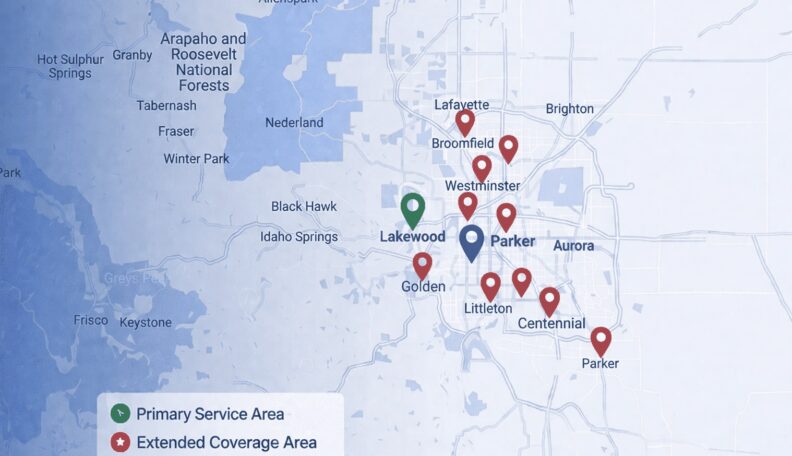
We Service: Parker, Castle Rock, Greenwood Village, Lakewood, Littleton, Centennial, Highlands Ranch 40+ More Cities