


How Do Fallen Leaves Affect Your Lakewood Garage Door?

Fallen leaves affect a Lakewood garage door by packing into the tracks, blocking the safety sensors, and trapping moisture against the bottom seal. Clearing them regularly through autumn keeps the door moving smoothly and stops small blockages from turning into repairs.
Key Takeaways
- Leaves and twigs collect in the lower tracks, where they force rollers to climb over debris instead of rolling freely.
- Wet leaves pressed against the bottom seal hold moisture, which wears the rubber faster and invites rust on metal parts.
- A single leaf resting in front of a photo eye can stop a door from closing, or make it reverse part way down.
- Most leaf problems are preventable with a broom, a cloth for the sensor lenses, and a look at the tracks every few weeks.
- Select Garage Doors handles the repairs that debris causes, backed by 1,900+ five-star reviews and a 5-year parts warranty.
Autumn in the Denver metro area drops a surprising volume of leaves right where a garage door needs clear space to operate. The door sits at ground level, it opens and closes several times a day, and it pulls air and debris toward the opening every time it moves. Select Garage Doors sees the same seasonal pattern each year: a door that worked perfectly in August starts hesitating, scraping, or refusing to close once the leaves come down. The good news is that leaf damage builds slowly, so a homeowner who knows where to look can stop it early.
Why Do Fallen Leaves Cause Problems for a Garage Door?
Leaves cause problems because a garage door depends on clear tracks, clean sensor lenses, and a seal that sits flat against the floor. Debris interferes with all three at once.
A garage door is a balanced system. Rollers follow a track, springs carry the weight, and the opener only has to manage the last bit of effort. Drop a handful of wet leaves into that system and the balance shifts. Rollers bump over compacted debris, and the door starts to feel rough rather than smooth.
Homeowners in Lakewood deal with a particular combination: deciduous trees close to driveways, dry spells that turn leaves brittle, then sudden wet weather that mats everything into place. Brittle leaves blow into the tracks easily. Wet leaves stay there.
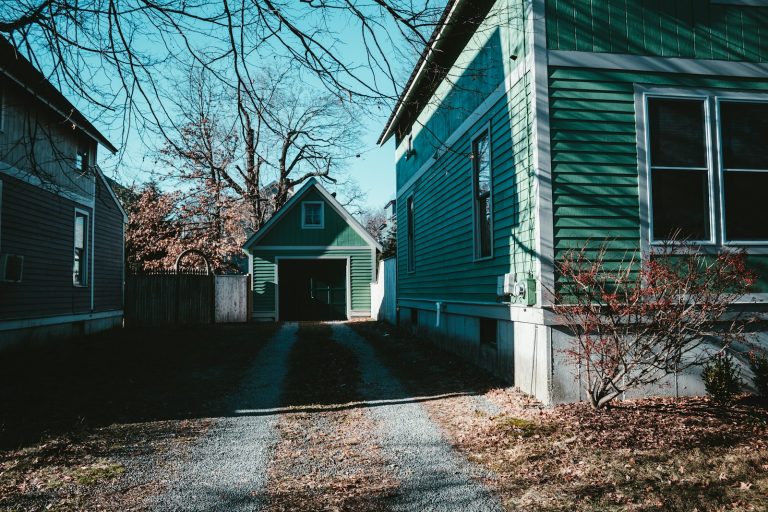
None of this is dramatic on day one, which is exactly why it gets missed. The door still opens, so nothing seems wrong, and the wear accumulates quietly until something stops working.
Where Do Leaves and Debris Collect on a Garage Door?
Debris collects in four places: the bottom few inches of the vertical tracks, along the bottom weather seal, around the photo eye sensors near the floor, and in the gap where the door meets the frame.
The lower tracks are the most common spot. They sit at ground level, they face the driveway, and they have a lip that catches anything blown toward it. Leaves settle in, then each closing cycle presses them into a compacted mat.
The bottom seal is next. That strip of rubber should meet the floor evenly across the whole width of the door, so a ridge of leaves under one section lifts the door on that side and leaves a gap somewhere else.
The sensors are the most likely to cause a sudden problem. They sit low on either side of the opening, exactly at leaf height, and anything resting in that beam reads as an obstruction.
Anyone wanting to talk through a door that has started behaving oddly can find the Lakewood location on Google Maps and get in touch from there.
How Does Debris Affect the Way a Garage Door Closes?
Debris usually shows up as a door that reverses part way down, stops short of the floor, or closes unevenly with a visible gap at one side.
A modern door is built to protect whatever is underneath it, so if the sensors detect something in the path, the door goes back up. A leaf in the beam produces the same response as a bicycle, because the system cannot tell the difference.
Other symptoms are mechanical. A door that grinds near the bottom of its travel is often riding over packed debris, and a door that closes crooked is frequently sitting on a ridge of leaves on one side.
| What You Notice | Likely Debris Cause | DIY or Pro |
|---|---|---|
| Door reverses part way down | Leaf or twig in the sensor beam | DIY, clear and wipe the lenses |
| Grinding near the floor | Compacted debris in the lower track | DIY first, pro if it persists |
| Gap at one side when closed | Debris ridge under the bottom seal | Pro, the door may need balancing |
| Seal looks flattened or torn | Trapped moisture from wet leaves | Pro, seal replacement |
| Rollers squeal or stick | Grit worked into the roller bearings | Pro, roller service |
If a door keeps reversing after the tracks and sensors are clean, something else is going on and it is worth having a technician look. Homeowners can schedule a service request and have the balance and sensor alignment checked properly.
What Should Lakewood Homeowners Clear Each Fall?
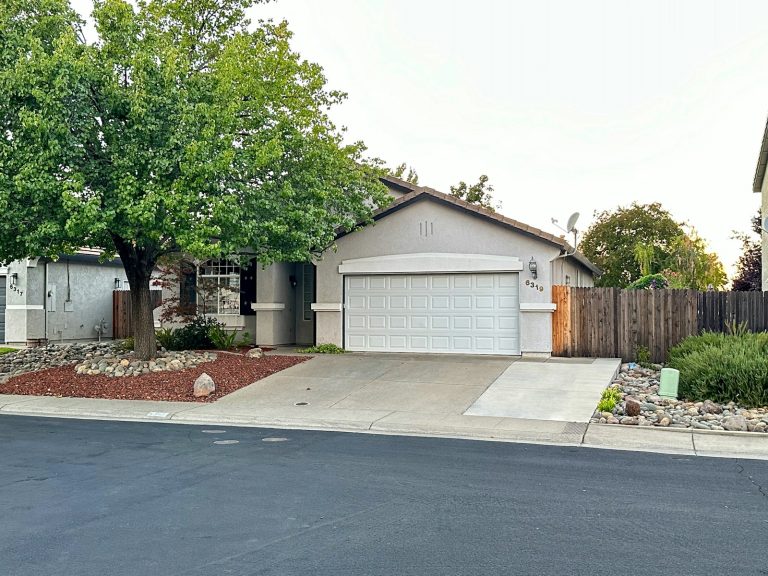
Focus on the lower tracks, the sensor lenses, the bottom seal, and the ground immediately in front of the door. Those four spots account for most leaf-related problems.
Start with a broom and clear the floor across the full width of the opening, including the few inches that sit under the door when it is closed. Then look into the vertical tracks at ground level and pull out anything packed in there by hand.
Wipe both sensor lenses with a soft dry cloth. They are glass or plastic and they smudge easily, and a film of dust does the same job as a leaf. Finish by running the door through one full cycle and watching it rather than walking away.
Anyone building a broader seasonal routine can read our guide to preparing a Lakewood garage door for fall weather, which covers the rest of the checks worth doing before winter arrives.
When Should a Professional Handle Leaf and Debris Damage?
Call a professional when the door still misbehaves after cleaning, when the seal is damaged, or when anything involving springs, cables, or door balance is involved.
Clearing debris is genuinely a homeowner job. What follows from long-term debris often is not. Grit worked into roller bearings needs the roller replaced, a seal that has sat in damp leaves for weeks needs replacing rather than cleaning, and a door closing unevenly may have pulled out of balance. Balance work involves spring tension that should only be handled by a trained technician.
Select Garage Doors is veteran-owned, licensed and insured, and completes 90% of calls the same day. The call line is staffed 24/7, with service scheduled during regular business hours.
Frequently Asked Questions
Can leaves really stop a garage door from closing?
Yes. The safety sensors near the floor read anything in their beam as an obstruction, and a single leaf is enough. The door reverses rather than closing, which is the system working as intended.
How often should the tracks be cleared in autumn?
Check them regularly while leaves are falling, and more often after a windy spell or heavy rain. A quick look takes a minute and prevents the compaction that causes real wear.
Should the tracks be lubricated after cleaning out leaves?
The tracks themselves should stay dry and clean, because grease in a track attracts more debris. Rollers, hinges, and springs are the parts that benefit from lubrication, and a technician can show which products suit each one.
Why does the door close crooked after a windy week?
A ridge of leaves under one side of the bottom seal lifts that section slightly, so the door no longer meets the floor evenly. Clearing the floor usually resolves it, and if it does not, the door may need balancing.
Do wet leaves damage the bottom seal?
They can. Wet leaves hold moisture against the rubber and against the metal above it, which speeds up wear on the seal and encourages rust on nearby hardware. Clearing them keeps the seal flexible for longer.
Can debris damage the opener itself?
Indirectly, yes. When the door drags over packed debris, the opener has to pull harder on every cycle. Over a season that extra strain shortens the life of the motor and the drive components.
Is it worth a professional inspection before winter?
It is a sensible step if the door has been noisy, slow, or closing unevenly through autumn. Small issues are easier to correct before cold weather adds its own strain to the same parts.
What should a homeowner avoid doing themselves?
Anything involving springs, cables, or adjusting door balance. Those parts hold a great deal of tension and are the main cause of serious injury in do-it-yourself garage door work. Leave them to a trained technician.


Looking for a deal?
Call us or to learn about our current promotions and seasonal offers.



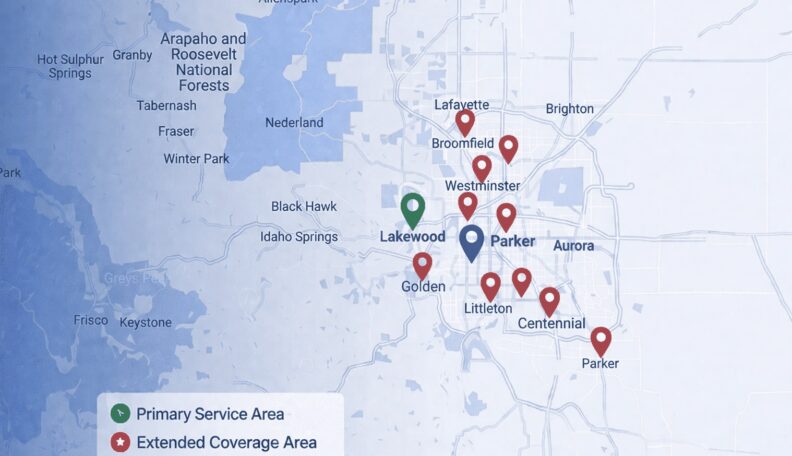
Service Area: 50+ Cities Across Metro Denver
Select Your Nearest Location
Hours: Mon-Fri 8am-5pm
Sunday Emergency Only
Avg Response Time: 18 minutes
Hours: Mon-Fri 8am-5pm
Sunday Emergency Only
Avg Response Time: 18 minutes
Hours: Mon-Fri 8am-5pm
Sunday Emergency Only
Avg Response Time: 18 minutes
Hours: Mon-Fri 8am-5pm
Sunday Emergency Only
Avg Response Time: 18 minutes
Hours: Mon-Fri 8am-5pm
Sunday Emergency Only
Avg Response Time: 18 minutes
Hours: Mon-Fri 8am-5pm
Sunday Emergency Only
Avg Response Time: 18 minutes
Hours: Mon-Fri 8am-5pm
Sunday Emergency Only
Avg Response Time: 18 minutes
Hours: Mon-Fri 8am-5pm
Sunday Emergency Only
Avg Response Time: 18 minutes
Hours: Mon-Fri 8am-5pm
Sunday Emergency Only
Avg Response Time: 18 minutes
Hours: Mon-Fri 8am-5pm
Sunday Emergency Only
Avg Response Time: 18 minutes
Hours: Mon-Fri 8am-5pm
Sunday Emergency Only
Avg Response Time: 18 minutes
Hours: Mon-Fri 8am-5pm
Sunday Emergency Only
Avg Response Time: 18 minutes
Hours: Mon-Fri 8am-5pm
Sunday Emergency Only
Avg Response Time: 18 minutes
Hours: Mon-Fri 8am-5pm
Sunday Emergency Only
Avg Response Time: 18 minutes
Hours: Mon-Fri 8am-5pm
Sunday Emergency Only
Avg Response Time: 18 minutes
We Service: Parker, Castle Rock, Greenwood Village, Lakewood, Littleton, Centennial, Highlands Ranch 40+ More Cities