


Do Wood Garage Doors Hold Up in Castle Rock Winters?
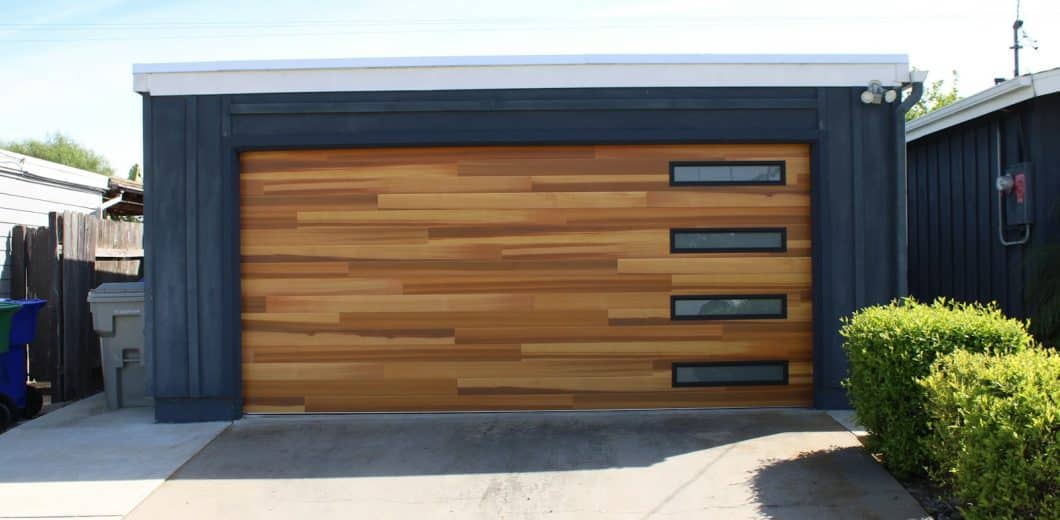
Wood garage doors hold up well in Castle Rock winters when they are sealed and maintained, and poorly when they are not. The deciding factor is the finish, because wood that can absorb moisture will swell, warp and eventually split.
Key Takeaways
- A properly sealed wood door handles cold perfectly well; an unsealed one absorbs moisture and moves.
- The bottom edge is the vulnerable part, because it sits closest to snow melt and standing water.
- Wood is heavier than steel, so springs and openers work harder and wear accordingly.
- Refinishing on a regular cycle is the single thing that determines how long a wood door lasts.
- Select Garage Doors services and replaces doors of all materials, with a 5-year parts warranty.
Wood doors are chosen for how they look, and they look better than anything else when they are cared for. The question is not whether wood survives a Colorado winter, because plenty of them do. The question is what that winter does to a door whose finish has been neglected for a few years. Select Garage Doors sees both outcomes, and the difference between them is almost entirely maintenance.
What Does Winter Actually Do to a Wood Door?
Moisture is the mechanism. Wood absorbs water, swells, then shrinks again as it dries, and repeated cycles of that movement loosen joints and open up the finish.
Cold on its own is not the problem. Wood handles cold. What causes damage is the freeze and thaw cycle acting on wood that has taken on water, because water expands as it freezes and pushes the fibres apart from the inside.
That is why a sealed door performs so differently from an unsealed one. The finish is not decoration, it is the barrier that stops the whole process starting.
Where Does Damage Usually Start?
At the bottom edge and at any joint or cut end where the finish has worn thin. Those are the points where water gets in first.
The bottom rail sits closest to melting snow and pooled water, and it is the part most often missed when a door is refinished, because it is awkward to reach and easy to forget.
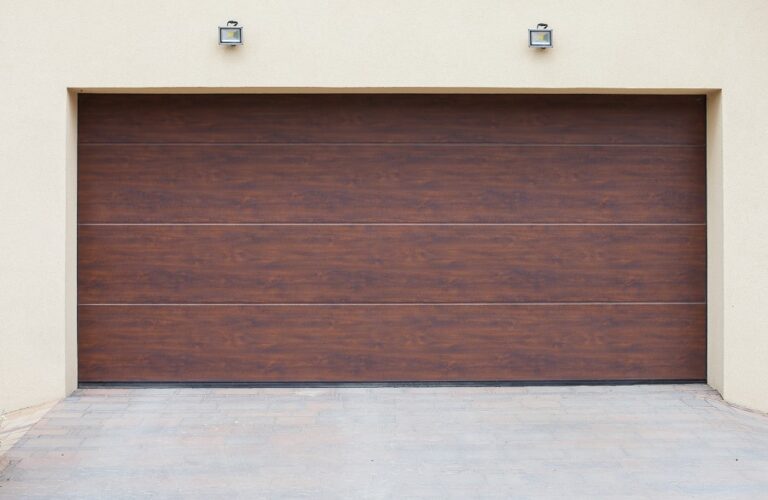
Joints are the other starting point. Where panels meet, small gaps open as the wood moves, and each gap gives water somewhere to sit. Homeowners in Castle Rock often notice the first signs on the lowest panel.
How Does the Extra Weight Affect the Rest of the Door?
Wood is considerably heavier than steel, so the springs carry more load, the opener works harder, and both wear faster than they would on a lighter door.
A door that has also absorbed moisture is heavier still, which is why a wood door can feel noticeably harder to lift by hand at the end of a wet winter than it did in autumn.
That matters for balance. Springs are matched to the weight of the door when it was installed, and a door that has gained weight is no longer correctly balanced. The guide to whether insulated garage doors make a difference in Castle Rock winters covers the related question of door construction.
| Sign | What It Means | What It Needs |
|---|---|---|
| Finish dull or patchy | Barrier is wearing thin | Refinish before winter |
| Dark staining at the bottom rail | Water is being absorbed | Seal the edge, check the seal strip |
| Panels no longer sit flush | Wood has swelled or warped | Professional assessment |
| Door feels heavier by hand | Moisture gain has shifted balance | Spring and balance check |
| Splits at joints or cut ends | Freeze and thaw has opened the grain | Repair or replacement advice |
What Maintenance Keeps a Wood Door in Good Order?
Keep the finish intact on every face including the bottom edge, keep water away from the base of the door, and have the balance checked when the door has been through a wet season.
Refinishing is the core task. How often depends on exposure, the product used and how much direct weather the door takes, so a door on a sheltered elevation needs it far less often than one facing the prevailing wind.
The practical companion to refinishing is drainage. A door standing in water each time the snow melts will defeat any finish eventually, so clearing the apron matters as much as the coating itself.
Inspection is the third piece, and it takes a few minutes. Look along the bottom rail for dark staining, run a hand over the lower panels for any roughness where the finish has broken, and check that the panels still sit flush with one another when the door is closed.
Catching a failing finish is far easier than reversing the damage it allows. Once wood has swelled, dried and split, refinishing seals the surface but does not undo the movement underneath, which is why the timing of the work matters more than the product used.
Is a Wood Door Still the Right Choice Here?
For a homeowner willing to maintain it, yes. For someone who would rather not think about the door at all, a steel or composite door with a wood-look finish is the more realistic option.
That is genuinely a preference question rather than a technical one. Wood rewards attention and punishes neglect, and both of those are predictable from the start.
Anyone weighing a replacement can schedule a consultation to talk through the options, or visit the Castle Rock location on Google Maps. The call line is staffed 24/7, with service scheduled during regular business hours.
Frequently Asked Questions
Do wood garage doors warp in cold weather?
Cold alone does not warp wood. Moisture does, and freeze and thaw cycles make it worse. A door with an intact finish resists this well; one with a worn finish does not.
How often should a wood door be refinished?
It depends on exposure and the product used. The honest answer is to refinish when the finish starts looking dull or patchy rather than waiting for a fixed interval.
Does the bottom edge really need sealing too?
Yes, and it is the most commonly skipped part. The bottom edge sits closest to standing water, so an unsealed edge draws moisture into the door from below.
Is a wood door heavier on the opener?
Noticeably. Wood weighs more than steel, and a door that has absorbed moisture weighs more again, so springs and opener both work harder than on a comparable steel door.
Can a warped wood panel be repaired?
Sometimes, depending on how far it has gone and whether the joints are still sound. A technician can advise whether a panel repair is realistic or whether replacement makes better sense.
Do wood-look steel doors avoid these problems?
They avoid the moisture movement entirely while keeping much of the appearance. They are a sensible option for anyone who wants the look without the refinishing commitment.
Should the springs be rechecked after a wet winter?
It is worth doing on a wood door. If the door has gained weight through moisture, the springs are no longer matched to it and the balance will have shifted.
What is the best time of year to refinish?
A dry, mild stretch before winter, so the door goes into the cold season fully protected and the finish has proper conditions to cure.




Looking for a deal?
Call us or to learn about our current promotions and seasonal offers.



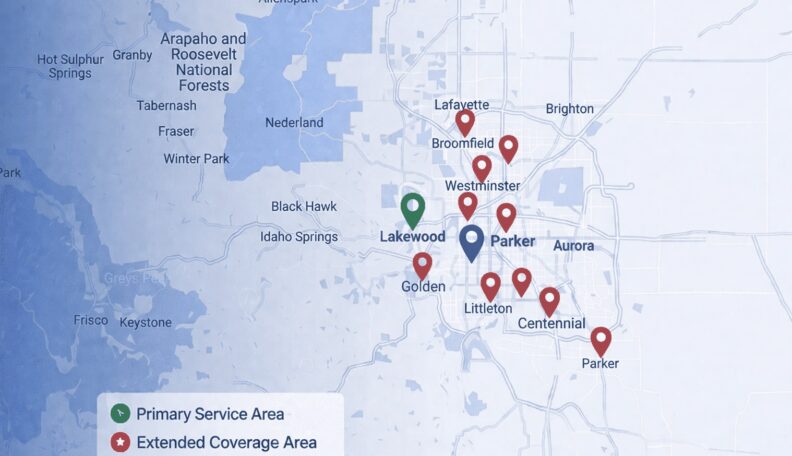
Service Area: 50+ Cities Across Metro Denver
Select Your Nearest Location
Hours: Mon-Fri 8am-5pm
Sunday Emergency Only
Avg Response Time: 18 minutes
Hours: Mon-Fri 8am-5pm
Sunday Emergency Only
Avg Response Time: 18 minutes
Hours: Mon-Fri 8am-5pm
Sunday Emergency Only
Avg Response Time: 18 minutes
Hours: Mon-Fri 8am-5pm
Sunday Emergency Only
Avg Response Time: 18 minutes
Hours: Mon-Fri 8am-5pm
Sunday Emergency Only
Avg Response Time: 18 minutes
Hours: Mon-Fri 8am-5pm
Sunday Emergency Only
Avg Response Time: 18 minutes
Hours: Mon-Fri 8am-5pm
Sunday Emergency Only
Avg Response Time: 18 minutes
Hours: Mon-Fri 8am-5pm
Sunday Emergency Only
Avg Response Time: 18 minutes
Hours: Mon-Fri 8am-5pm
Sunday Emergency Only
Avg Response Time: 18 minutes
Hours: Mon-Fri 8am-5pm
Sunday Emergency Only
Avg Response Time: 18 minutes
Hours: Mon-Fri 8am-5pm
Sunday Emergency Only
Avg Response Time: 18 minutes
Hours: Mon-Fri 8am-5pm
Sunday Emergency Only
Avg Response Time: 18 minutes
Hours: Mon-Fri 8am-5pm
Sunday Emergency Only
Avg Response Time: 18 minutes
Hours: Mon-Fri 8am-5pm
Sunday Emergency Only
Avg Response Time: 18 minutes
Hours: Mon-Fri 8am-5pm
Sunday Emergency Only
Avg Response Time: 18 minutes
We Service: Parker, Castle Rock, Greenwood Village, Lakewood, Littleton, Centennial, Highlands Ranch 40+ More Cities