

Common Garage Door Repair Mistakes to Avoid in Parker, CO
Key Takeaway: The most expensive garage door repairs almost always trace back to a mistake the homeowner could have avoided: skipped maintenance, a DIY attempt that went sideways, or hiring the cheapest available technician. Knowing the common traps protects your wallet and your door.
Garage doors do not usually fail without warning. They drop hints. A slightly louder operation, a brief hesitation halfway up, a sensor that sometimes acts up. Most homeowners ignore those hints until something more serious happens, and the bill that follows is almost always bigger than the bill the early warning would have generated. The biggest garage door repair mistakes are not technical errors. They are missed opportunities to act early or to act correctly when something does need attention.
At Select Garage Doors, we walk Parker, CO homeowners through these decisions every week, and we see the same six or seven mistakes show up over and over. Avoiding them keeps your door working longer, your repair bills lower, and your family safer around 200+ pounds of steel that cycles thousands of times a year.
Skipping Regular Maintenance
Maintenance is the cheapest, easiest, and most-skipped step in garage door ownership. A 30-minute lubrication, hardware tightening, and balance check twice a year prevents most of the failures we see during service calls. Doors that never get maintained fail 3 to 5 years earlier than maintained doors, and the chain of failures usually starts with one inexpensive issue that compounds.
A typical pattern: lubrication gets skipped, rollers run dry, the opener works harder, the gear strips, the motor overheats, and the logic board fails. Five compounding failures from one skipped step that takes less than an hour.
If you do nothing else, lubricate twice a year (silicone or lithium garage door spray, never WD-40) and tighten the hardware once a year.
Attempting Spring or Cable Work Without Training
Garage door torsion springs hold 200 to 400 pounds of stored tension. Cables transfer that tension. When either fails without warning, the energy released causes serious injury, and DIY repair attempts on these components have resulted in fatalities according to CPSC injury data.
Lubrication, sensor cleaning, hardware tightening, weatherstripping, and roller replacement on a counterweighted door are all DIY-safe. Spring tension, cable replacement, and anything involving the torsion shaft are not.
Using Wrong Replacement Parts
Garage door components are engineered to specific tolerances and load ratings. Using parts not matched to your specific door creates problems that may not show up immediately:
- Wrong spring rating for door weight: undersized springs strain the opener and break early; oversized springs stress the door frame and cables.
- Wrong opener horsepower for door size: a 1/2 HP opener pushed beyond its duty cycle overheats and fails years early.
- Generic sensors instead of opener-brand-matched ones: sensors that do not match the opener’s communication protocol cause false trips and erratic behavior.
- Off-brand cable or roller sizing: small differences in cable diameter or roller stem length create binding that shows up as track problems weeks later.
Always verify that replacement parts are specifically designed for your garage door’s make, model, and weight rating. When in doubt, ask the technician to show you the part packaging before installation.
Ignoring Small Warning Signs
The single biggest predictor of an expensive future repair is a small symptom that gets ignored today. Watch for these early warning signs and address them within a week or two:
- New or louder noise during operation: grinding, scraping, or squeaking that was not there a month ago.
- Door hesitates or pauses mid-travel: the opener struggles momentarily before continuing. Usually a worn roller, dry track, or weakening spring.
- Sensor LEDs blink intermittently: alignment is drifting; clean and realign before the door stops closing entirely.
- Door tilts or sags slightly when fully open: cable or spring imbalance forming.
- Opener gets warm to the touch after use: the motor is working harder than it should. Often points to lubrication or balance issues, sometimes to a failing capacitor.
Hiring the First Available Company
In a panic moment, most homeowners call the first garage door repair company that picks up. That decision often costs money in three ways:
- Markup on emergency response: companies that prioritize emergency calls often charge higher rates for that responsiveness. The fee may be worth paying for a true emergency, but for a non-urgent issue, scheduling out by a day or two with a vetted company often saves 30 to 50%.
- Bait-and-switch pricing: companies that quote “starting at” low prices often inflate the final bill with parts, labor, and additional service fees. Get a firm written quote before work begins.
- Unnecessary upsells: technicians at low-quality companies operate on commission and recommend more work than necessary. Always get a second opinion if the proposed repair is significantly more than you expected.
Look for companies with verified Google reviews (50+ reviews, 4.5+ rating), proof of licensing and insurance, and upfront pricing. The few extra minutes of vetting pay for themselves on the invoice.
The Real Cost of Each Mistake
Each of these mistakes carries both a direct cost (the wasted repair money) and an indirect cost (premature replacement or safety risk). The table below covers the typical impact:
| Mistake | Direct Cost Impact | Long-Term Impact |
|---|---|---|
| Skipping maintenance | Call for a free estimate. | Door lifespan reduced 3 to 5 years |
| DIY spring or cable work | Call for a free estimate. | Risk of serious injury; spring breakage in unsafe location |
| Using wrong parts | Call for a free estimate. | Compounding wear; replacement within 1 to 2 years |
| Ignoring warning signs | Call for a free estimate. | Call for a free estimate. |
| Hiring without vetting | “Cheap” upfront quote | Bait-and-switch invoice often 2x to 3x quoted price |
Get Your Repair Done Right the First Time
The most reliable garage door is one that gets professional attention before something breaks, not after. A trustworthy repair company gives you upfront pricing, walks you through the diagnostic findings, and never pressures you into work beyond what the door actually needs.
At Select Garage Doors, our veteran-owned team provides upfront pricing, transparent diagnostics, and a 100% satisfaction guarantee on every repair. We cover maintenance, repair, and replacement across our Denver Metro service areas, with parts on the truck for the most common failures. For professional garage door services in Parker, we are a phone call away.
Call us at (720) 339-2442 for a no-pressure assessment of your door.
Frequently Asked Questions
How often should a garage door be professionally inspected?
Most experts recommend scheduling a professional garage door inspection at least once a year. Annual inspections allow technicians to identify worn components, misaligned tracks, and weakening springs before they become serious problems. Homeowners who use their garage door frequently may benefit from inspections every six months.
What are the risks of attempting DIY garage door repairs?
DIY garage door repairs without proper training can result in missed diagnoses, incorrect part installations, and accidental damage to the door or opener system. Garage door springs, in particular, are under significant tension and can cause serious injury if handled incorrectly. Complex repairs are generally safer and more cost-effective when performed by a trained technician.
Why is it important to use the correct replacement parts for a garage door?
Garage door components are engineered to specific tolerances and load ratings based on the door’s model and weight. Using incompatible parts can cause the system to operate unevenly, accelerate wear on adjacent components, and create potential safety hazards. Always verify that replacement parts are matched to the specific make and model of the door.
What does regular garage door maintenance typically involve?
Regular garage door maintenance generally includes lubricating moving parts such as springs, rollers, hinges, and tracks, inspecting cables and hardware for wear, testing the door balance, and checking the auto-reverse safety feature. These tasks help prevent premature component failure and keep the door operating quietly and efficiently.
When is emergency garage door repair necessary?
Emergency garage door repair is typically needed when the door becomes stuck in the open or closed position, a spring or cable breaks unexpectedly, or the door poses an immediate security or safety risk. In these situations, operating the door manually or attempting a repair without professional tools can worsen the problem or cause injury.
How can I tell if a garage door repair company is reliable?
Look for a verified physical address, 50+ Google reviews with a 4.5+ rating, proof of insurance and licensing, and willingness to provide a firm written quote before work begins. Avoid companies that operate without a clear local presence or refuse to commit to prices upfront.
Is it worth getting a second opinion on a garage door repair quote?
If the quote feels significantly higher than expected (more than 50% above industry-typical ranges), or if the company is pressuring you to authorize work immediately, getting a second opinion is worth the small delay. Most reputable companies will give a free or low-cost diagnostic visit for second opinions.
What is the most expensive mistake a homeowner can make with a garage door?
Ignoring warning signs is the most expensive long-term mistake because it converts cheap preventive fixes into expensive emergency repairs. Attempting DIY spring work is the most expensive short-term mistake because of the injury risk.



Looking for a deal?
Call us or to learn about our current promotions and seasonal offers.


Service Area: 50+ Cities Across Metro Denver
Select Your Nearest Location
Hours: Mon-Fri 8am-5pm
Sunday Emergency Only
Avg Response Time: 18 minutes
Hours: Mon-Fri 8am-5pm
Sunday Emergency Only
Avg Response Time: 18 minutes
Hours: Mon-Fri 8am-5pm
Sunday Emergency Only
Avg Response Time: 18 minutes
Hours: Mon-Fri 8am-5pm
Sunday Emergency Only
Avg Response Time: 18 minutes
Hours: Mon-Fri 8am-5pm
Sunday Emergency Only
Avg Response Time: 18 minutes
Hours: Mon-Fri 8am-5pm
Sunday Emergency Only
Avg Response Time: 18 minutes
Hours: Mon-Fri 8am-5pm
Sunday Emergency Only
Avg Response Time: 18 minutes
Hours: Mon-Fri 8am-5pm
Sunday Emergency Only
Avg Response Time: 18 minutes
Hours: Mon-Fri 8am-5pm
Sunday Emergency Only
Avg Response Time: 18 minutes
Hours: Mon-Fri 8am-5pm
Sunday Emergency Only
Avg Response Time: 18 minutes
Hours: Mon-Fri 8am-5pm
Sunday Emergency Only
Avg Response Time: 18 minutes
Hours: Mon-Fri 8am-5pm
Sunday Emergency Only
Avg Response Time: 18 minutes
Hours: Mon-Fri 8am-5pm
Sunday Emergency Only
Avg Response Time: 18 minutes
Hours: Mon-Fri 8am-5pm
Sunday Emergency Only
Avg Response Time: 18 minutes
Hours: Mon-Fri 8am-5pm
Sunday Emergency Only
Avg Response Time: 18 minutes
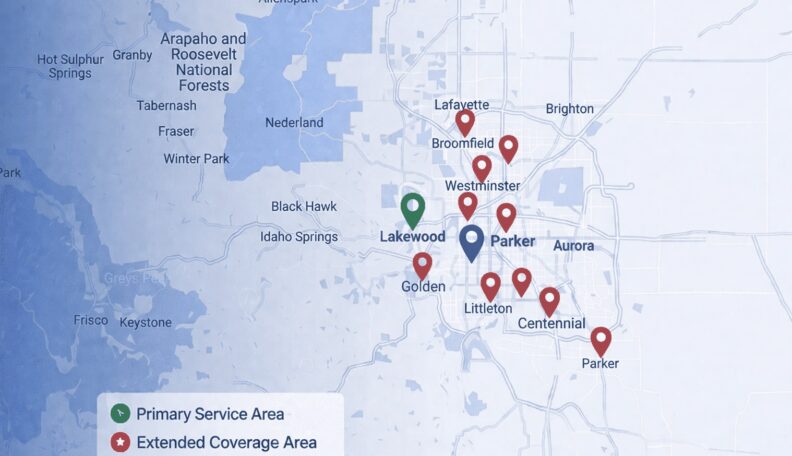
We Service: Parker, Castle Rock, Greenwood Village, Lakewood, Littleton, Centennial, Highlands Ranch 40+ More Cities