

Why Do Parker Homes Face Unique Garage Door Challenges?
Parker homes face garage door challenges that most other metro areas do not because of the 5,869-foot elevation, 300 days of sun per year, dry summer heat, winter freeze-thaw cycles, and expansive clay soils. These factors work together to shorten component lifespans, increase failure rates, and create maintenance demands that national guidelines do not account for.
Key Takeaways
- Parker’s 5,869-foot elevation increases UV exposure by 25 percent over sea-level cities
- Expansive clay soils shift foundations and garage floors, affecting track alignment
- Temperature swings of 30 to 50 degrees in a single day stress every moving component
- Springs lose 15 to 25 percent of their rated lifespan in Parker compared to milder climates
- National maintenance schedules underestimate the care Parker garage doors need
Garage door manufacturers design their products for average conditions. The springs are rated for a standard cycle count. The lubricants are formulated for moderate humidity. The weatherstripping is tested at sea-level UV levels. Parker is not average. The combination of altitude, aridity, UV intensity, and soil conditions creates a set of challenges that no single factor explains on its own. Select Garage Doors understands these local conditions and services Parker garage doors with that context.
How Does Parker’s Elevation Affect Garage Door Components?
At 5,869 feet, Parker’s thinner atmosphere provides less UV filtering, less atmospheric moisture, and lower air pressure. Each of these factors directly affects garage door component performance and lifespan.
UV radiation at Parker’s elevation is approximately 25 percent more intense than at sea level. This UV breaks down rubber weatherstripping two to three times faster, fades and chalks painted steel surfaces, and degrades plastic components in opener housings and sensor covers. Weatherstripping that lasts five to seven years at sea level may crack within two to three years in Parker.
The dry air at altitude strips lubricants from springs, rollers, and hinges. At sea level with 60 percent relative humidity, lubricant films persist for four to six months. In Parker, CO‘s summer air (often below 20 percent humidity), those same lubricants dry out in eight to ten weeks. Every day of dry operation accelerates metal-on-metal wear.
Lower air pressure also means less atmospheric cushioning during operation. The door encounters slightly less air resistance, which makes the opener’s force calibration more sensitive. Settings that work at sea level may need adjustment at altitude to maintain proper auto-reverse sensitivity.
How Do Temperature Swings in Parker Damage Garage Doors?
 Daily temperature swings of 30 to 50 degrees cause metal components to expand and contract repeatedly. Over weeks and months, this thermal cycling loosens hardware, shifts track alignment, fatigues spring coils, and degrades weatherstripping seals.
A steel garage door track that heats to 120 degrees by mid-afternoon and cools to 70 by midnight has expanded and contracted by a measurable amount. The mounting bolts that hold the track to the wall do not expand at the same rate. Over hundreds of daily cycles, this differential loosens the bolts incrementally. A track that was plumb at installation may be out of alignment within two to three years without retightening.
Springs suffer the same thermal cycling. The steel coils expand and contract with every temperature swing, and each cycle contributes to metal fatigue. A spring rated for 10,000 cycles in a climate with 10-degree daily swings may reach fatigue failure at 7,500 to 8,500 cycles in Parker, where daily swings commonly exceed 30 degrees.
The cumulative effect is a garage door system that ages faster than the manufacturer’s specifications predict. Components that should last 15 years may need attention at 10 to 12 years in Parker conditions.
How Do Parker’s Soil Conditions Affect Garage Doors?
Parker sits on expansive clay soils (bentonite) that swell when wet and shrink when dry. This seasonal soil movement shifts garage floors and foundations, which changes track alignment, frame geometry, and door-to-floor seal contact.
When clay soils absorb moisture from spring snowmelt or summer thunderstorms, they expand and push the garage floor upward. When they dry during the summer heat, they contract, and the floor settles. This seasonal movement can shift the floor level by a quarter inch to half an inch, which is enough to change how the door contacts the floor seal and how the tracks align with the door panels.
Foundation movement also affects the door frame. If one side of the frame shifts more than the other, the opening goes out of square. A door operating in an out-of-square frame binds on one side, wears rollers unevenly, and strains the opener to compensate for the resistance.
When selecting a new garage door for a Parker home, the installation must account for soil movement. For guidance on choosing the right door and frame system, read about choosing the right garage door for Colorado conditions.
What Can Parker Homeowners Do About These Challenges?
More frequent maintenance, climate-appropriate lubricants, UV-resistant materials, and professional installation that accounts for soil conditions are the four most effective responses to Parker’s unique garage door challenges.
Recommended adaptations:
- Schedule maintenance twice yearly (May and October) instead of once
- Use silicone-based lubricants rated for extreme temperatures
- Replace weatherstripping every two to three years instead of five
- Choose UV-resistant materials for panel finishes and sensor housings
- Have track alignment checked annually for soil movement effects
- Select spring systems rated for higher cycle counts to compensate for thermal fatigue
Select Garage Doors provides Parker-specific maintenance programs that address altitude, UV, temperature, and soil conditions. The team calibrates every service visit to local conditions rather than following national averages.
Frequently Asked Questions
Do Garage Doors in Parker Need More Maintenance Than Other Areas?
Yes. Parker’s altitude, UV, temperature swings, and dry air require twice-yearly professional maintenance and more frequent DIY lubrication (every 8 to 10 weeks) compared to the annual schedule recommended for most of the country.
How Much Shorter Is a Garage Door Spring’s Lifespan in Parker?
Springs in Parker typically lose 15 to 25 percent of their rated cycle life due to thermal cycling and dry conditions. A spring rated for 10,000 cycles may fail between 7,500 and 8,500 cycles.
Can Soil Movement in Parker Void a Garage Door Warranty?
Some manufacturers exclude damage caused by foundation movement from their warranty coverage. Installation by a company familiar with Parker soil conditions can include adjustable mounting that accommodates seasonal soil shifts.
What Type of Garage Door Material Holds Up Best in Parker?
Steel doors with baked-on polyester finishes and insulated cores perform best in Parker conditions. The finish resists UV fading, the insulation moderates temperature extremes inside the garage, and steel withstands wind loading better than wood or composite.
Does Parker’s Wind Affect Garage Doors?
Yes. Parker experiences wind gusts of 40 to 60 mph during strong storms. Wind loading pushes against the door surface and strains tracks, rollers, and the opener. Wind-rated doors and reinforced tracks are recommended for exposed properties.
How Does Altitude Affect Garage Door Opener Performance in Parker?
Thinner air at 5,869 feet provides less cooling for the opener motor, which can cause overheating during extended use in summer. DC motors with thermal protection handle altitude conditions better than older AC motors.
Are Parker Garage Door Problems Covered by Homeowner’s Insurance?
Insurance typically covers sudden events like storm damage or vehicle impact, but not gradual wear from climate conditions. Maintenance-related failures, spring breaks, and UV degradation are considered normal wear and tear.
How Do I Find a Garage Door Company That Understands Parker Conditions?
Look for a company based in the Colorado Front Range with experience servicing Parker homes. Ask about their approach to altitude-specific maintenance, spring selection, and soil-related alignment issues.
Looking for a deal?
Call us or to learn about our current promotions and seasonal offers.


Service Area: 50+ Cities Across Metro Denver
Select Your Nearest Location
Hours: Mon-Fri 8am-5pm
Sunday Emergency Only
Avg Response Time: 18 minutes
Hours: Mon-Fri 8am-5pm
Sunday Emergency Only
Avg Response Time: 18 minutes
Hours: Mon-Fri 8am-5pm
Sunday Emergency Only
Avg Response Time: 18 minutes
Hours: Mon-Fri 8am-5pm
Sunday Emergency Only
Avg Response Time: 18 minutes
Hours: Mon-Fri 8am-5pm
Sunday Emergency Only
Avg Response Time: 18 minutes
Hours: Mon-Fri 8am-5pm
Sunday Emergency Only
Avg Response Time: 18 minutes
Hours: Mon-Fri 8am-5pm
Sunday Emergency Only
Avg Response Time: 18 minutes
Hours: Mon-Fri 8am-5pm
Sunday Emergency Only
Avg Response Time: 18 minutes
Hours: Mon-Fri 8am-5pm
Sunday Emergency Only
Avg Response Time: 18 minutes
Hours: Mon-Fri 8am-5pm
Sunday Emergency Only
Avg Response Time: 18 minutes
Hours: Mon-Fri 8am-5pm
Sunday Emergency Only
Avg Response Time: 18 minutes
Hours: Mon-Fri 8am-5pm
Sunday Emergency Only
Avg Response Time: 18 minutes
Hours: Mon-Fri 8am-5pm
Sunday Emergency Only
Avg Response Time: 18 minutes
Hours: Mon-Fri 8am-5pm
Sunday Emergency Only
Avg Response Time: 18 minutes
Hours: Mon-Fri 8am-5pm
Sunday Emergency Only
Avg Response Time: 18 minutes
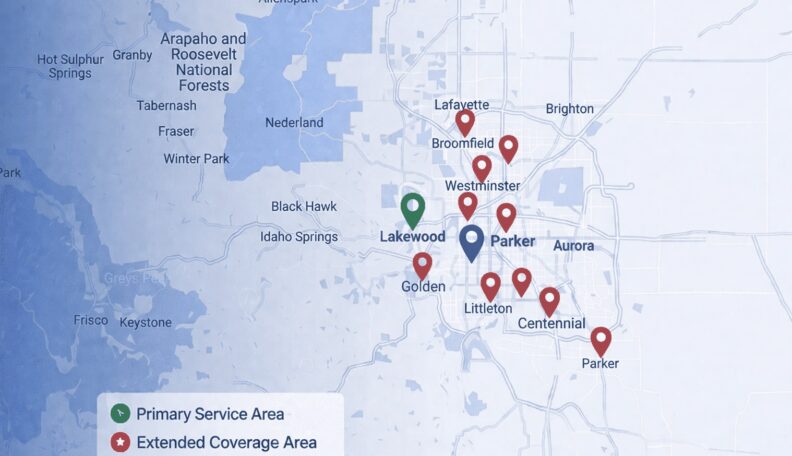
We Service: Parker, Castle Rock, Greenwood Village, Lakewood, Littleton, Centennial, Highlands Ranch 40+ More Cities