
When Your Parker Garage Door Slows Down in Heat, Should You Worry?
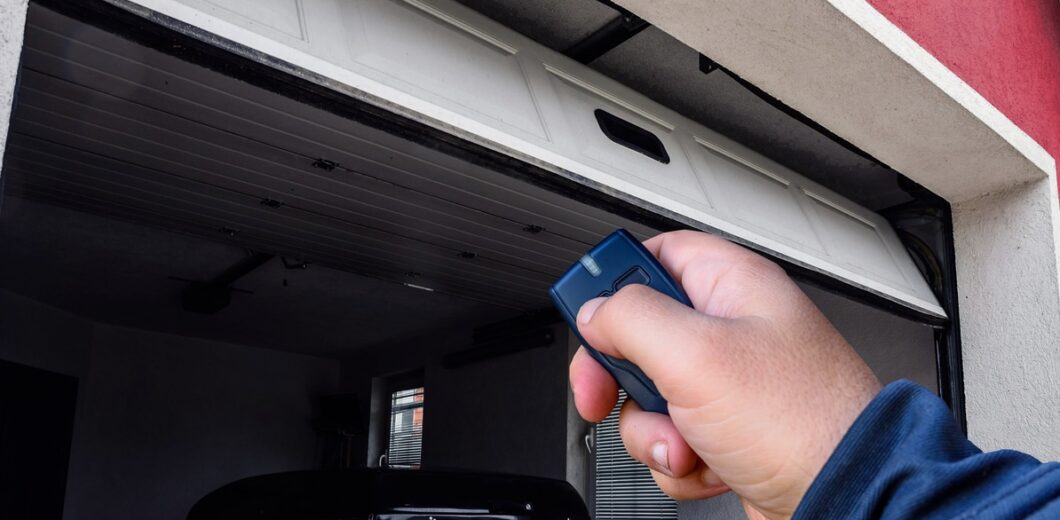
A garage door that slows down in Parker’s summer heat is usually responding to thickened lubricant, expanded metal tracks, or an overheating opener motor. Mild slowdowns are normal and temporary. Consistent sluggishness, grinding, or mid-cycle shutdowns indicate a problem that will worsen without attention.
Key Takeaways
- Mild speed reduction in extreme heat is normal and usually resolves as temperatures drop
- Lubricant thickening above 100 degrees causes the most common heat-related slowdowns
- An overheating opener motor that shuts off mid-cycle needs professional evaluation
- Metal track expansion can create binding points that slow or stall the door
- Heat-related slowdowns that persist after temperatures drop indicate a mechanical problem
Parker homeowners notice it every summer. The garage door that moved smoothly in April starts dragging in July. The opener strains harder, the travel time stretches, and occasionally the door stops mid-cycle. Heat affects every component in the garage door system, from the lubricant on the springs to the motor inside the opener. Some heat effects are temporary and harmless. Others signal problems that get worse with every cycle. Select Garage Doors helps Parker homeowners distinguish between normal heat behavior and problems that need repair.
Why Does a Garage Door Slow Down in Hot Weather?
Heat affects garage doors through three mechanisms: lubricant viscosity changes that increase friction, metal expansion that tightens track tolerances, and opener motor overheating that reduces power output.
Lubricant is the first factor. Standard garage door lubricants perform best between 40 and 90 degrees Fahrenheit. Above 100 degrees, some formulations break down and lose their protective film. Others thicken and create drag rather than reducing it. In a Parker garage that reaches 130 to 140 degrees during peak summer, lubricant performance drops well below its rated specification.
Metal expansion is the second factor. Steel tracks expand as they absorb heat, changing the tolerances between the rollers and the track walls. In most cases, this creates slight binding at specific points in the travel path. The door may feel smooth through most of its range, but it slows noticeably at certain spots.
The opener motor is the third factor. For a deeper look at what causes opener performance loss, read about why garage door openers slow down and what the warning signs mean.
How Does Parker’s Heat Affect Garage Doors Differently Than Other Areas?
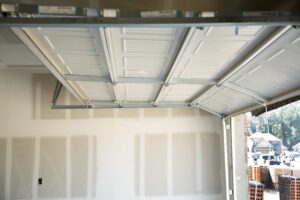 Parker’s combination of high elevation, intense UV, dry air, and extreme temperature swings creates a more demanding environment for garage doors than most other metro areas. The heat itself is compounded by factors that do not exist at lower altitudes.
At 5,869 feet, Parker receives 25 percent more UV radiation than sea-level cities. This UV does not just fade paint. It breaks down rubber seals, degrades plastic components, and bakes lubricants off exposed surfaces faster. A lubricant that lasts six months in Dallas may need reapplication every eight to ten weeks in Parker.
Temperature swings compound the heat problem. A Parker, CO, garage door may experience a 50-degree temperature shift in a single day, from 55 degrees at dawn to 105 degrees by mid-afternoon. Each swing causes metal components to expand and contract, loosening hardware and shifting alignment incrementally. Over a full summer, these daily cycles produce measurable wear.
What Are the Warning Signs That Heat Damage Needs Repair?
A heat-related slowdown that persists after temperatures drop, an opener that shuts off mid-cycle, visible track binding, or new grinding noises all indicate problems that need professional attention rather than waiting for cooler weather.
Normal heat effects (no repair needed):
- Slight speed reduction during peak afternoon heat
- Door returns to normal speed by morning or on cooler days
- No new noises during operation
- Opener completes full cycles without stopping
Warning signs (schedule service):
- Door stays slow even after temperatures drop below 90
- Opener shuts off mid-cycle and needs to cool before restarting
- Grinding, scraping, or popping sounds during travel
- Door stalls at the same point in its travel path repeatedly
- Visible misalignment between the door and the tracks
Any warning sign that repeats across multiple days is not a temporary heat effect. It is a mechanical issue that the summer heat is exposing.
What Should Parker Homeowners Do About Heat-Related Garage Door Slowdowns?
Reapply silicone-based lubricant rated for high temperatures, inspect the tracks for binding points, and monitor the opener for thermal shutoffs. If symptoms persist, schedule a professional evaluation before the problem escalates.
Immediate steps:
- Apply silicone-based lubricant to springs, rollers, and hinges (avoid WD-40)
- Check track bolts for looseness and tighten if needed
- Clear any debris from the track channel
- Test the door balance by disconnecting the opener and lifting halfway
- If the door does not hold at the halfway point, the springs need professional attention
If the door balance test fails or the opener continues shutting off mid-cycle, the system needs professional service.
Select Garage Doors provides same-day service across Parker for heat-related garage door issues. The team inspects all components, reapplies appropriate lubricants, and verifies opener performance under current conditions.
Frequently Asked Questions
Is It Normal for a Garage Door to Slow Down in Summer Heat?
A mild reduction in speed during peak heat is normal and temporary. The door should return to its normal speed as temperatures drop in the evening or on cooler days. Persistent slowdowns indicate a mechanical issue.
Can Heat Permanently Damage a Garage Door Opener?
Yes. Repeated thermal shutoffs stress the motor windings and degrade the logic board over time. An opener that overheats frequently during one summer may fail the next summer completely if the cooling issue is not addressed.
What Type of Lubricant Works Best in Parker’s Summer Heat?
Silicone-based lubricants rated for temperatures above 200 degrees Fahrenheit perform best. Avoid petroleum-based products like WD-40, which evaporate quickly in dry heat and attract dust.
Should I Insulate My Parker Garage to Protect the Door System?
Insulation reduces peak garage temperatures by 20 to 30 degrees, which protects the opener motor, preserves lubricants, and reduces thermal stress on all components. It is one of the most effective long-term investments for a Parker garage.
How Often Should I Relubricate My Garage Door in Parker’s Summer?
Every eight to ten weeks during the summer. Parker’s dry heat and UV exposure break down lubricants faster than in humid or lower-altitude environments.
Can I Install a Fan to Cool My Garage Door Opener in Parker?
A ceiling fan or portable fan near the opener helps, but it addresses the symptom rather than the cause. If the opener is overheating, the motor may be undersized, or the door may be out of balance, both of which should be evaluated professionally.
Does Heat Affect Garage Door Springs in Parker?
Yes. Metal springs expand and contract with temperature changes. Over a full Parker summer, daily thermal cycling can reduce spring life span by 15 to 25 percent compared to milder climates.
How Much Does It Cost to Fix a Heat-Damaged Garage Door Opener in Parker?
Call for a free estimate.

Looking for a deal?
Call us or to learn about our current promotions and seasonal offers.


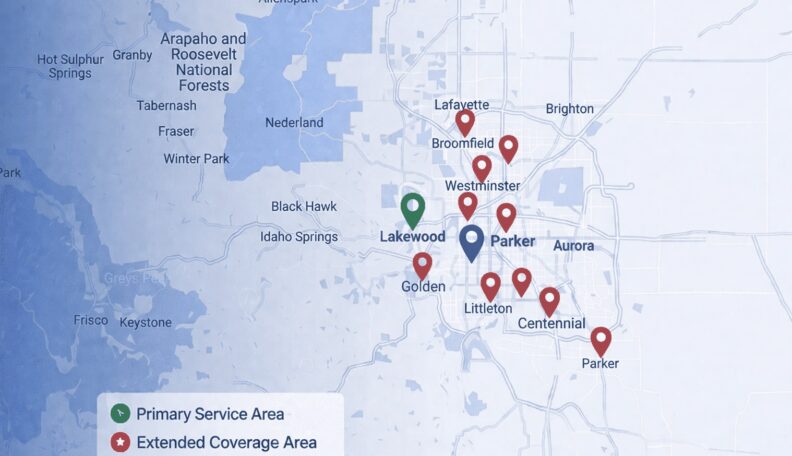
Service Area: 50+ Cities Across Metro Denver
Select Your Nearest Location
Hours: Mon-Fri 8am-5pm
Sunday Emergency Only
Avg Response Time: 18 minutes
Hours: Mon-Fri 8am-5pm
Sunday Emergency Only
Avg Response Time: 18 minutes
Hours: Mon-Fri 8am-5pm
Sunday Emergency Only
Avg Response Time: 18 minutes
Hours: Mon-Fri 8am-5pm
Sunday Emergency Only
Avg Response Time: 18 minutes
Hours: Mon-Fri 8am-5pm
Sunday Emergency Only
Avg Response Time: 18 minutes
Hours: Mon-Fri 8am-5pm
Sunday Emergency Only
Avg Response Time: 18 minutes
Hours: Mon-Fri 8am-5pm
Sunday Emergency Only
Avg Response Time: 18 minutes
Hours: Mon-Fri 8am-5pm
Sunday Emergency Only
Avg Response Time: 18 minutes
Hours: Mon-Fri 8am-5pm
Sunday Emergency Only
Avg Response Time: 18 minutes
Hours: Mon-Fri 8am-5pm
Sunday Emergency Only
Avg Response Time: 18 minutes
Hours: Mon-Fri 8am-5pm
Sunday Emergency Only
Avg Response Time: 18 minutes
Hours: Mon-Fri 8am-5pm
Sunday Emergency Only
Avg Response Time: 18 minutes
Hours: Mon-Fri 8am-5pm
Sunday Emergency Only
Avg Response Time: 18 minutes
Hours: Mon-Fri 8am-5pm
Sunday Emergency Only
Avg Response Time: 18 minutes
Hours: Mon-Fri 8am-5pm
Sunday Emergency Only
Avg Response Time: 18 minutes
We Service: Parker, Castle Rock, Greenwood Village, Lakewood, Littleton, Centennial, Highlands Ranch 40+ More Cities