

Why Your Garage Door Opener Slows Down in Parker, CO Summer Heat
Key Takeaways
- Garage door openers slow down in summer heat because the motor works harder to overcome resistance from expanding springs, warm lubricants, and increased friction in metal tracks.
- Parker’s high elevation and intense UV exposure accelerate motor wear and lubricant breakdown, making summer slowness worse than in lower-elevation areas.
- A sluggish opener in summer is often a warning sign that springs are heat-stressed and your entire garage door system is struggling under thermal load.
- Regular summer maintenance, proper lubrication, and professional inspection can restore opener speed and prevent costlier repairs down the road.
Table of Contents
- Why Your Garage Door Opener Slows Down in Summer
- Parker’s Climate and Elevation Make the Problem Worse
- Signs Your Opener Is Overworked and Heat-Stressed
- Motor Strain: How Heat Overloads Your Opener
- Summer Care to Keep Your Opener Running Strong
- When Your Opener Needs Professional Service
- Frequently Asked Questions
Why Your Garage Door Opener Slows Down in Summer
Your garage door opener is an electric motor designed to lift a heavy door against the pull of gravity and spring tension. In summer heat, everything in that equation gets harder. The springs expand and create more resistance, the lubricants thin out and reduce efficiency, and the motor itself heats up trying to do the same job it did in cooler months. The result is noticeably slower door movement. Understanding how your garage door system works under stress helps you catch problems before they become emergencies.
Think of your opener like a person climbing stairs. On a cool day, they move at a steady pace. On a sweltering hot day, that same climb feels harder and takes longer. Your opener’s motor experiences the same stress. The electrical resistance inside the motor increases with temperature, meaning it has to work harder just to produce the same amount of torque. Add a heat-expanded spring that’s creating extra tension, and the motor is fighting uphill.
Heat also affects the lubricant that keeps your opener’s gears and chain or belt running smoothly. When the lubricant gets hot, it becomes thinner and less effective. Instead of a smooth coating, it’s almost like water. Metal parts that should slide easily now grind a little more. That grinding increases friction, which creates more heat, which thins the lubricant further. It’s a cycle that slows everything down.
Parker’s Climate and Elevation Make the Problem Worse
Parker sits at nearly 5,870 feet elevation, where atmospheric pressure is lower and UV rays are intense. Summer temperatures regularly exceed 90 degrees, and the combination of altitude, sun exposure, and temperature extremes puts garage door openers under more stress than most of the country experiences.
Higher elevation means thinner air, which reduces cooling efficiency. An opener’s motor is designed to shed heat through air circulation. When air is thinner, that cooling process is less effective. Your opener’s internal temperature climbs faster and stays hotter longer, pushing the motor closer to its thermal limits.
Colorado’s UV intensity accelerates the breakdown of protective coatings on the opener’s housing and internal components. Ultraviolet light degrades rubber seals, corrodes connections, and weakens insulation. After several summers in Parker’s high-altitude sun, components that were designed to last 15 years may only have 10 years left.
The temperature swings in Parker are brutal too. Summer days might reach 95 degrees while nights drop to 55 degrees. That 40-degree swing happens repeatedly, expanding and contracting metal and plastic components throughout the opener. With each thermal cycle, connections loosen slightly, seals degrade, and internal friction increases. By midsummer, your opener is already fatigued before the real heat arrives.
Signs Your Opener Is Overworked and Heat-Stressed
A healthy opener runs smoothly, quietly, and at a consistent speed. A heat-stressed opener shows specific warning signs that tell you the motor is struggling and needs attention before it fails completely.
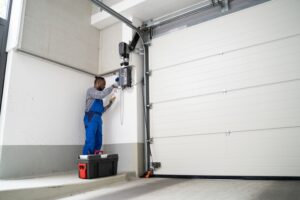
The first and most obvious sign is sluggish door movement. If your door used to zip open and close quickly and now moves slower on hot days, heat is the culprit. You might notice it takes 5 to 10 seconds longer to fully open than it did in spring. Compare the sound too. A healthy opener makes a steady hum. An overworked one might grind, labor, or strain audibly.
Erratic movement is another warning sign. The door might start moving, hesitate, then continue. It might move at different speeds on the way up versus the way down. It might open fine but close sluggishly. These inconsistencies mean the motor is struggling to maintain constant power output against varying resistance.
Heat-induced buzzing or humming sounds indicate the motor is working at maximum capacity. If you hear noise that wasn’t there before, or if the noise changes with the outside temperature, your opener is heat-stressed. Some openers will actually shut down if they get too hot. If your door won’t open or close during the hottest part of the day but works fine in the evening, thermal overload is happening.
Finally, watch for visible damage. Look at the opener’s exterior for discoloration, cracks in the plastic housing, or corroded metal components. These signs indicate the opener has been exposed to extreme heat for an extended period. Heat damage reduces the opener’s remaining lifespan and makes failure more likely.
| Opener Condition | What You’ll Experience | Urgency Level |
|---|---|---|
| Healthy | Smooth, quiet operation. Consistent speed year-round. No unusual sounds or hesitation | Low. Continue regular maintenance every 6 months |
| Mild Summer Slowness | Slightly slower movement on hot days. Slight audible strain. Door still operates reliably | Medium. Lubricate and inspect within 2 to 3 weeks |
| Noticeable Performance Drop | Significant slowness on hot days. Grinding or strained motor sounds. Inconsistent speed or jerky movement | High. Call a professional this week for inspection and service |
| Critical Failure Risk | Door won’t open or close during peak heat. Loud grinding or buzzing. Visible damage to housing or components | Urgent. Call for emergency service immediately. Avoid using door |
Motor Strain: How Heat Overloads Your Opener
Your opener’s motor has a maximum operating temperature, usually around 40 to 50 degrees Celsius (104 to 122 degrees Fahrenheit). In Parker’s summer heat, internal motor temperatures can exceed those limits, forcing the motor to work harder to produce the same power output.
Here’s what happens inside: a motor generates an electromagnetic force to turn the drive shaft. This force depends on electrical current and the motor’s internal resistance. As the temperature rises, electrical resistance increases. The motor has to pull more current to generate the same force. More current generates more heat, which increases resistance further. It’s a vicious loop.
Your opener’s thermal overload protection is designed to shut the motor down if it gets too hot. This is a safety feature to prevent damage and fire risk. But it’s also inconvenient. If your door won’t open on a 95-degree afternoon, the opener has likely hit its thermal limit. It will usually work again once it cools down, but the fact that it’s hitting that limit means the motor is aging faster than it should.
Every time the motor approaches its thermal limit, internal components degrade slightly. Insulation breaks down. Bearings experience extra wear. The more often this happens, the shorter the motor’s remaining lifespan. A Parker opener that routinely hits thermal limits in summer might only last 8 to 10 years instead of the typical 12 to 15 years.
Summer Care to Keep Your Opener Running Strong
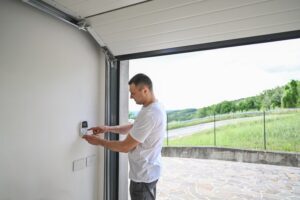
You can’t eliminate summer heat, but you can reduce the stress it puts on your opener with proper maintenance. Simple steps taken in June and July can prevent costly repairs and extend your opener’s life by years.
First, apply the right lubricant to every moving part. Use a silicone-based or lithium garage door lubricant, not general-purpose oil. These products are formulated to stay viscous in high heat. Spray the chain or belt, the rail guides, all pivot points, and the spring hardware. Fresh lubricant reduces friction and heat generation significantly. Learn more about garage door care and maintenance to understand the full scope of summer protection your system needs.
Second, ensure your opener has adequate ventilation. If the garage is extremely hot, consider improving air circulation around the opener. Some homeowners install a small exhaust fan or keep the garage door open during the coolest parts of the day. Don’t block the opener with boxes or equipment. Heat needs to dissipate.
Third, lubricate your springs. Heat-stressed springs create extra resistance that makes your opener work harder. Protecting your springs with lubrication indirectly protects your opener. When springs are in good condition, your entire system runs cooler and more efficiently.
Fourth, clean the opener’s exterior and cooling vents. Dust and debris accumulate on the motor housing, reducing heat dissipation. Use a soft brush or cloth to gently clean around vents and the motor body. This helps the opener shed heat more efficiently.
Finally, test your opener manually. Once a month during summer, disconnect the electric opener (pull the emergency release cord) and manually lift the door halfway. If it feels heavy or hard to lift, your springs are heat-stressed and making the opener work harder. Schedule a professional inspection if anything feels off.
When Your Opener Needs Professional Service
DIY maintenance helps, but professional service is necessary when your opener shows signs of thermal stress or performance decline. Delaying service costs you more in the long run.
If your door is noticeably slower on hot days, call a technician within 2 weeks. They can diagnose whether the issue is spring heat stress, lubricant breakdown, or motor strain. Early diagnosis prevents small problems from becoming emergency repairs.
If your door won’t open or close during peak summer heat, that’s thermal overload. Your opener needs service before it fails. A technician can inspect the motor, check for internal damage, and recommend replacement if needed.
If your opener is more than 10 years old and shows summer slowness, consider proactive replacement. Older openers are less efficient in heat and more likely to fail. An emergency replacement in the middle of summer, when you’re stuck without garage access, costs more and causes headaches.
Your Garage Door System Doesn’t Have to Struggle
Here’s what matters: you’re already aware that something isn’t right. You’ve noticed your opener slowing down. You’ve heard the strain in the motor. That awareness is your advantage. Most Parker homeowners ignore these signs until their door gets stuck on the hottest day of the year. You’re different. You’re paying attention, and that means you can fix this before it becomes an emergency.
Your garage door system fights Colorado’s heat and elevation every single day. It wasn’t designed specifically for Parker’s climate, but it’s doing its best. Summer maintenance isn’t just about keeping things running smoothly. It’s about honoring the work your system does for you and keeping it healthy for years to come. When your opener is properly maintained and your springs are in good condition, the entire system works together the way it should.
Ready to Give Your Opener Some Relief?
Don’t wait for a complete failure to call for help. Parker homeowners have trusted Select Garage Doors for years because we understand Colorado’s unique challenges. We know exactly how heat, elevation, and UV exposure stress your garage door system. Our technicians will inspect your opener, check your springs, apply protective maintenance, and give you honest advice about what your system needs right now. Find us in Parker or reach out today for a no-pressure consultation. We’re here to help your garage door thrive, not just survive.
Frequently Asked Questions
Why is my garage door opener slower in summer than in winter?
Summer heat makes the motor work harder because electrical resistance increases with temperature. Heat-expanded springs create more tension, lubricants become thinner and less effective, and metal parts expand slightly, increasing friction. All these factors combine to slow door movement. The effect is most noticeable on the hottest days.
At what temperature does a garage door opener overheat?
Most residential openers are designed to operate safely up to 40 to 50 degrees Celsius (104 to 122 degrees Fahrenheit). Parker’s summer heat, combined with interior garage temperatures, can push openers beyond this limit. If your door won’t open during peak afternoon heat, thermal overload is occurring.
Can I fix my slow garage door opener myself?
You can slow the aging process with proper lubrication and maintenance, but you cannot fix internal motor or mechanical problems yourself. If your opener is slow because of heat stress, apply lubricant and ensure good ventilation. If it remains slow or shows other signs of distress, call a professional. DIY opener repairs are dangerous and often make problems worse.
How often should I lubricate my garage door opener?
Lubricate your opener and door hardware every 6 months under normal conditions. During summer heat stress, consider lubricating every 3 months or whenever you notice increased noise or sluggish movement. Use a silicone-based garage door lubricant, not general-purpose oil.
Will my opener recover if it overheats in summer?
Yes, your opener will usually work again once it cools down. If it shuts down during peak heat, give it a few hours to cool, and it should operate normally when the temperature drops. However, repeated thermal overload causes long-term damage. Each time it overheats, internal components degrade slightly, reducing the motor’s remaining lifespan.
Should I replace my opener if it’s slow in summer?
Not necessarily. First, have it inspected by a professional. If the slowness is caused by spring heat-stress or lubricant breakdown, maintenance may solve the problem. If the motor itself is damaged or the opener is more than 10 years old, replacement makes sense. A technician can help you decide.
How can I cool down my garage in summer to reduce opener stress?
Improve ventilation with fans or exhaust vents. Keep the garage door open during cooler morning and evening hours. Install an attic vent to reduce heat buildup. Reflective window shades or insulation reduce solar heat gain. Even a few degrees of cooling significantly reduces stress on your opener and extends its lifespan.


Looking for a deal?
Call us or to learn about our current promotions and seasonal offers.


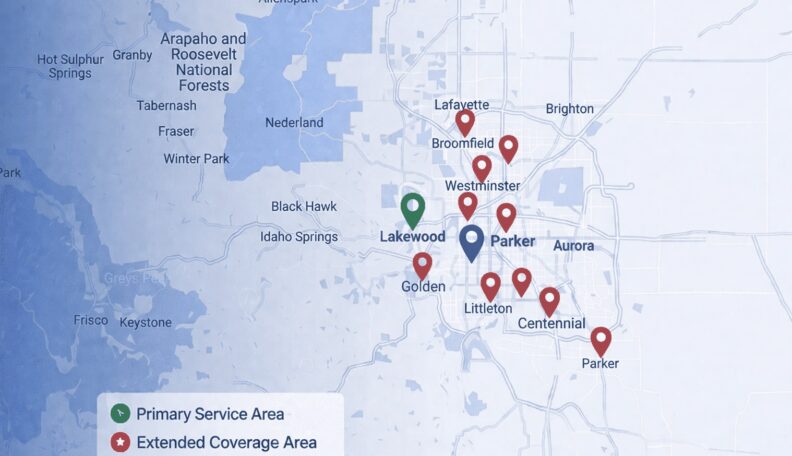
Service Area: 50+ Cities Across Metro Denver
Select Your Nearest Location
Hours: Mon-Fri 8am-5pm
Sunday Emergency Only
Avg Response Time: 18 minutes
Hours: Mon-Fri 8am-5pm
Sunday Emergency Only
Avg Response Time: 18 minutes
Hours: Mon-Fri 8am-5pm
Sunday Emergency Only
Avg Response Time: 18 minutes
Hours: Mon-Fri 8am-5pm
Sunday Emergency Only
Avg Response Time: 18 minutes
Hours: Mon-Fri 8am-5pm
Sunday Emergency Only
Avg Response Time: 18 minutes
Hours: Mon-Fri 8am-5pm
Sunday Emergency Only
Avg Response Time: 18 minutes
Hours: Mon-Fri 8am-5pm
Sunday Emergency Only
Avg Response Time: 18 minutes
Hours: Mon-Fri 8am-5pm
Sunday Emergency Only
Avg Response Time: 18 minutes
Hours: Mon-Fri 8am-5pm
Sunday Emergency Only
Avg Response Time: 18 minutes
Hours: Mon-Fri 8am-5pm
Sunday Emergency Only
Avg Response Time: 18 minutes
Hours: Mon-Fri 8am-5pm
Sunday Emergency Only
Avg Response Time: 18 minutes
Hours: Mon-Fri 8am-5pm
Sunday Emergency Only
Avg Response Time: 18 minutes
Hours: Mon-Fri 8am-5pm
Sunday Emergency Only
Avg Response Time: 18 minutes
Hours: Mon-Fri 8am-5pm
Sunday Emergency Only
Avg Response Time: 18 minutes
Hours: Mon-Fri 8am-5pm
Sunday Emergency Only
Avg Response Time: 18 minutes
We Service: Parker, Castle Rock, Greenwood Village, Lakewood, Littleton, Centennial, Highlands Ranch 40+ More Cities