

How Summer Heat Affects Garage Door Springs in Parker, CO
Key Takeaways
- Summer heat in Parker, CO places extreme stress on garage door springs, which expand and lose tension under high temperatures, reducing their lifespan by months or years.
- Springs weaken faster in Colorado’s high-elevation, intense-UV environment; the freeze-thaw cycle that begins in fall compounds the heat damage from the summer months.
- Regular inspection and lubrication during summer help identify weakening springs before they snap, which is dangerous and expensive to repair.
- Select Garage Doors’ certified technicians can inspect your springs now and apply protective measures to extend their life through Colorado’s extreme seasons.
Table of Contents
- Why Summer Heat Damages Garage Door Springs in Parker
- Spring Stress Factors Unique to Parker, CO
- Signs Your Garage Door Springs Are Heat-Stressed
- How Heat Shortens Your Spring’s Lifespan
- Summer Maintenance to Protect Parker Garage Doors
- When to Replace Springs Before They Fail
- Frequently Asked Questions
Your garage door opens and closes thousands of times over its lifetime, and that smooth operation depends almost entirely on two tightly wound metal springs. In Parker, Colorado, summer brings temperatures that can reach into the 90s, paired with intense UV exposure and the high elevation stress that affects all metal components. Select Garage Doors has served Parker homeowners for years, and we’ve seen firsthand how summer heat wreaks havoc on garage door springs.
Heat isn’t just uncomfortable for people in Parker, CO. It’s brutal on the mechanical systems that keep your garage door functioning. When temperatures spike, springs expand, lose tension, and become brittle. Add Colorado’s dry climate, intense sun, and altitude factors, and your springs are under attack on multiple fronts. Understanding how summer affects your springs can mean the difference between a minor maintenance call and an emergency replacement that leaves you without garage door access.
Why Summer Heat Damages Garage Door Springs in Parker
Garage door springs are engineered to operate within a specific temperature range, and summer heat in Parker pushes them past their design limits. The metal expands when hot, the lubricant thins out, and the spring’s ability to handle the weight of your door degrades rapidly. Over a single hot summer, springs can lose 20 to 30 percent of their remaining lifespan.
Springs work by storing and releasing energy. When it’s hot outside, the steel itself expands slightly, which sounds minor until you realize it’s putting your spring’s internal wound structure under constant pressure. The expansion doesn’t happen evenly either. One section might heat faster than another, creating internal stress points. Add Colorado’s intense UV rays—we get more direct sunlight than most states because of our high elevation—and you’ve got a recipe for accelerated metal fatigue.
The lubricant inside and around your springs breaks down faster in heat. What’s supposed to be a smooth, slippery coating becomes gummy or thin, depending on the product. Without proper lubrication, metal-on-metal friction increases, and that friction generates even more heat. It’s a vicious cycle that Parker homeowners often don’t notice until something goes wrong.
Spring Stress Factors Unique to Parker, CO
Parker sits at nearly 5,870 feet in elevation in Douglas County, where atmospheric pressure is lower, UV intensity is higher, and the seasonal temperature swings are extreme. These three factors combine to create garage door spring conditions that are harder than most of the country faces.
Higher elevation means thinner air and stronger UV rays. The sun’s ultraviolet light accelerates oxidation of the metal spring, eating away at its protective coating. Over time, bare spots appear where the metal is exposed to the elements. Once rust starts, it spreads, weakening the spring from the outside in.
Temperature swings in Parker are another culprit. Summer might hit 95 degrees during the day, then drop to 55 degrees at night. That 40-degree swing happens repeatedly, expanding and contracting your springs day after day. By the time fall arrives and freeze-thaw cycles begin, the spring is already fatigued. Winter’s below-zero nights and the spring thaw amplify the damage heat has already done.
It’s not just the springs either. The tracks, rollers, and cables that work alongside the springs also degrade faster in heat. But springs bear the weight and tension load, so they fail first. When a spring finally snaps, it usually happens suddenly, leaving your garage door stuck and creating a safety hazard.
Signs Your Garage Door Springs Are Heat-Stressed
Heat-damaged springs show warning signs before they break completely. Learning to spot these signals in your Parker home can prevent the surprise of a failed spring and the expense of emergency repair calls.
The first sign is usually noise. Springs that are losing tension and lubrication squeak, groan, or make popping sounds when the door opens or closes. If your garage door used to run silently and now sounds like it’s struggling, heat stress is a likely cause.
Next comes a feeling of imbalance. Try this: with the door closed, disconnect the automatic opener and manually lift the door halfway. A healthy spring makes the door feel weightless and easy to lift. A heat-stressed spring will make the door feel heavy or hard to control. You might notice the door moves unevenly, dropping faster on one side.
Visible damage appears next. Look at your springs for discoloration, rust spots, or areas where the protective coating has flaked away. Rust is a sign that moisture is getting inside and corroding the spring from the inside out. Springs with rust visible on the surface are in serious condition.
| Spring Condition | What You’ll Notice | Action to Take |
|---|---|---|
| Healthy | Door opens and closes smoothly, quietly, feels weightless when manually lifted | Continue regular lubrication every 6 months |
| Early Heat Stress | Squeaking or light groaning sounds, door feels slightly heavier when manually lifted | Apply protective lubricant immediately, schedule inspection within 2 weeks |
| Advanced Damage | Loud grinding or popping, uneven door movement, visible rust or discoloration on spring coils | Call a professional this week, plan for replacement, do not delay |
| Critical or Failed | Door won’t open or close, loud snap sound heard, door stuck halfway, obvious spring breakage visible | Call emergency service immediately, do not attempt to force door, safety hazard |
Finally, there’s obvious failure. The door gets stuck, opens partially and stops, or won’t close all the way. At this point, your spring has likely snapped or stretched beyond its tension range. Common warning signs that indicate the need for garage door repair include all of these symptoms, and they warrant immediate professional attention.
How Heat Shortens Your Spring’s Lifespan
A typical garage door spring lasts 7 to 12 years under normal conditions, but summer heat in Parker can cut that in half. Heat accelerates every aging process, from metal fatigue to rust development, turning years of life into months.
Springs are rated by the number of open-close cycles they can handle. Standard springs are good for about 10,000 cycles. That sounds like a lot until you realize it’s only 2 to 3 years if your family opens and closes the door 10 times a day. Commercial-grade springs handle up to 20,000 cycles. Every time the spring cycles, the wound metal fatigues slightly. Heat doubles the fatigue rate.
Temperature extremes are the biggest culprit. When springs heat up and cool down repeatedly, microscopic cracks form inside the metal. These cracks spread invisibly, growing wider and deeper each cycle. In Parker’s intense summer sun, a spring might experience this heating and cooling five or six times in a single day. In a 120-day summer season, that’s hundreds of thermal cycles of damage.
The math is brutal. If your spring has 5 years of life left and it endures a Parker summer with temperatures regularly above 85 degrees, you might only get 2 to 3 more years out of it. Add the freeze-thaw damage that comes in winter, and you could be looking at spring failure within 18 months.
Summer Maintenance to Protect Parker Garage Doors
You can’t stop summer heat, but you can slow its damage with proactive summer maintenance. A few simple steps in June and July can extend your spring’s life by a year or more.
First, apply lubricant designed for garage door springs. Don’t use WD-40 or general-purpose oils. They evaporate in heat and attract dust. Use a silicone-based or lithium garage door lubricant that holds up in high temperatures. Spray it on the spring’s coils and along the tracks. This reduces friction and heat buildup.
Second, visually inspect your springs every month during summer. Look for rust, discoloration, or any visible damage. Feel the spring with your hand, when the door is closed and the opener is disconnected. A spring in good condition feels smooth and cool. A spring that’s overheating will feel hot or uneven.
Third, keep your garage door opener clean. Dust and debris accumulate on the motor and pulleys, reducing efficiency and causing the opener to work harder. When the opener works harder, the springs endure more load and stress. Wipe down the opener housing and pulleys with a dry cloth monthly.
Fourth, minimize unnecessary door openings in the heat of the day. We know that’s not always practical, but if you can avoid opening your garage door between 2 PM and 6 PM during peak summer heat, do it. The door and springs will be exposed to less extreme temperature stress.
When to Replace Springs Before They Fail
Don’t wait for a spring to snap. If you notice any of the warning signs, or if your springs are older than seven years, have them inspected by a certified technician this summer. Early replacement is far cheaper and safer than emergency repair.
Springs should be replaced as a pair, even if only one has failed. Why? Because the springs that haven’t failed yet are likely close behind. They’ve endured the same heat, the same cycles, and the same stress. Replacing both at once prevents a second failure weeks later.
The cost of emergency replacement, which might involve towing or emergency service fees, can double that. Plus, you lose access to your garage at the worst possible time.
If your springs are between 5 to 7 years old and you live in Parker, consider proactive replacement before summer heat takes them out. It’s not a crisis, so you can schedule at your convenience and avoid emergency pricing. Select Garage Doors can assess your springs’ condition and recommend replacement timing.
Summer in Parker brings beautiful weather, but it’s brutal on your garage door springs. Heat, UV exposure, and Colorado’s elevation create the perfect storm for accelerated spring failure. You can’t prevent it entirely, but you can slow it down with summer maintenance and catch problems early with regular inspection. Waiting until a spring snaps leaves you without garage door access and facing expensive emergency repairs. Being proactive costs less and gives you peace of mind.
If you’re a Parker homeowner and you’ve noticed squeaking, uneven door movement, or rust on your springs, don’t wait. Inspect your springs this week, apply protective lubricant, and if you see any damage, contact us for a professional assessment. We serve Parker with certified technicians who understand Colorado’s unique seasonal challenges. We’re here to help keep your garage door running smoothly through every Parker summer.
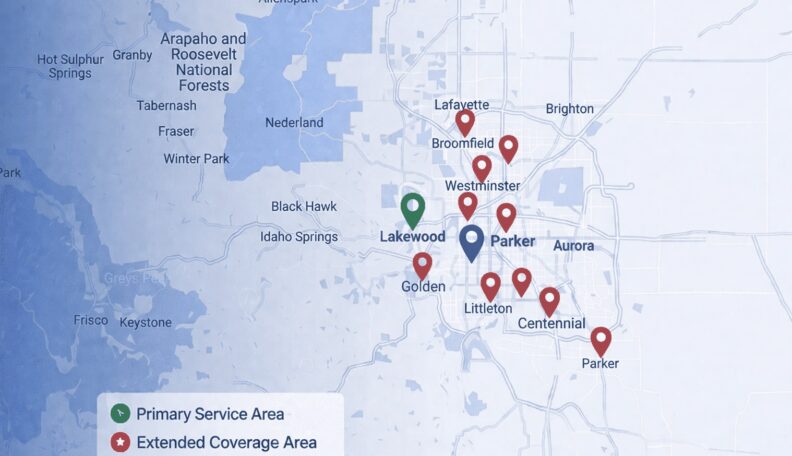
We serve Parker, and the greater Denver metro area.
Frequently Asked Questions
At what temperature do garage door springs fail?
Springs don’t fail at a specific temperature but degrade faster in heat. Sustained temperatures above 85 to 90 degrees accelerate fatigue. In Parker, summer heat above 90 degrees can reduce a spring’s remaining lifespan by 30 to 50 percent. Extreme heat doesn’t cause instant failure, but it dramatically speeds up the aging process already happening inside the spring.
Can I prevent garage door spring failure in summer?
You can’t prevent it entirely, but you can extend spring life with regular lubrication, visual inspection, and minimal door use during peak heat hours. Professional inspection every 1 to 2 years helps catch problems early. If your springs are older than 7 years, proactive replacement before summer heat sets in is the most reliable prevention.
How do I know if my garage door spring is broken?
A broken spring means your door either won’t open, won’t close, or only opens partially before stopping. You’ll often hear a loud snap or bang when it breaks. Never try to force the door open or closed with a broken spring. You could injure yourself or damage the door further. Call a professional immediately.
How much does it cost to replace garage door springs?
Proactive replacement during business hours is always cheaper than waiting for failure and paying emergency rates.
Why do garage door springs make noise in summer?
Noise in summer usually means the spring is losing lubrication and tension due to heat stress. Heat thins the lubricant, and the spring’s weakening tension causes metal parts to rub together differently. Squeaking or groaning is an early warning sign. Apply fresh lubricant and get the spring inspected before it fails completely.
Is it safe to manually lift my garage door if the spring is broken?
No. A broken spring cannot help support the door’s weight. Attempting to manually open or close a door with a broken spring is dangerous. The full weight of the door, typically 300 to 400 pounds, falls on you. Never force a stuck garage door. Call a professional.
Should I replace both springs if only one is broken?
Yes. Springs that haven’t broken yet are likely at the end of their life too. They’ve endured the same heat, cycles, and stress as the broken one. Replacing both at once prevents a second failure within weeks. It’s more cost-effective and safer than replacing one and having the other fail later.

Looking for a deal?
Call us or to learn about our current promotions and seasonal offers.


Service Area: 50+ Cities Across Metro Denver
Select Your Nearest Location
Hours: Mon-Fri 8am-5pm
Sunday Emergency Only
Avg Response Time: 18 minutes
Hours: Mon-Fri 8am-5pm
Sunday Emergency Only
Avg Response Time: 18 minutes
Hours: Mon-Fri 8am-5pm
Sunday Emergency Only
Avg Response Time: 18 minutes
Hours: Mon-Fri 8am-5pm
Sunday Emergency Only
Avg Response Time: 18 minutes
Hours: Mon-Fri 8am-5pm
Sunday Emergency Only
Avg Response Time: 18 minutes
Hours: Mon-Fri 8am-5pm
Sunday Emergency Only
Avg Response Time: 18 minutes
Hours: Mon-Fri 8am-5pm
Sunday Emergency Only
Avg Response Time: 18 minutes
Hours: Mon-Fri 8am-5pm
Sunday Emergency Only
Avg Response Time: 18 minutes
Hours: Mon-Fri 8am-5pm
Sunday Emergency Only
Avg Response Time: 18 minutes
Hours: Mon-Fri 8am-5pm
Sunday Emergency Only
Avg Response Time: 18 minutes
Hours: Mon-Fri 8am-5pm
Sunday Emergency Only
Avg Response Time: 18 minutes
Hours: Mon-Fri 8am-5pm
Sunday Emergency Only
Avg Response Time: 18 minutes
Hours: Mon-Fri 8am-5pm
Sunday Emergency Only
Avg Response Time: 18 minutes
Hours: Mon-Fri 8am-5pm
Sunday Emergency Only
Avg Response Time: 18 minutes
Hours: Mon-Fri 8am-5pm
Sunday Emergency Only
Avg Response Time: 18 minutes
We Service: Parker, Castle Rock, Greenwood Village, Lakewood, Littleton, Centennial, Highlands Ranch 40+ More Cities