



Should Lakewood, CO Properties Choose Rolling Steel or Sectional Overhead Doors?
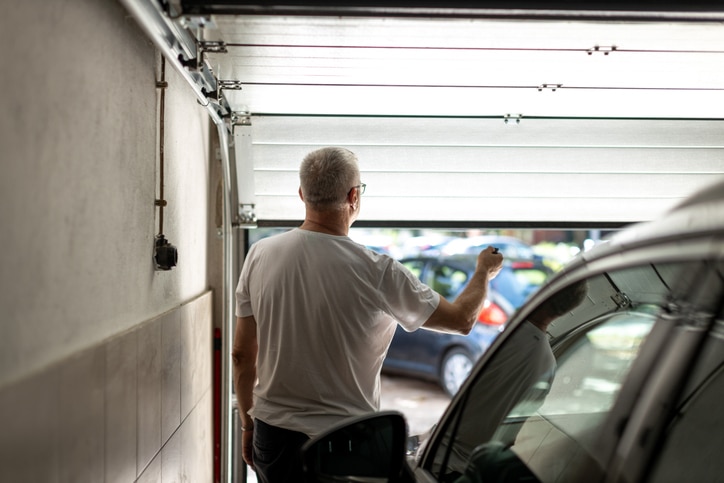
Rolling steel doors are the better choice for Lakewood properties that need maximum security, durability, and minimal overhead space usage. Sectional overhead doors are the better fit when insulation, quieter operation, and lower upfront cost matter more. The right choice depends on the building layout, traffic volume, and what the space is used for.
Key Takeaways
- Rolling steel doors coil into a compact barrel above the opening and require minimal ceiling clearance
- Sectional overhead doors run along ceiling tracks and offer better insulation options
- Rolling steel typically lasts 20 to 30 years, while sectional doors last 20 to 25 years
- Sectional doors cost less upfront, but rolling steel offers higher long-term value in demanding conditions
- Select Garage Doors serves Lakewood properties with both rolling steel and sectional overhead door installation
Choosing between rolling steel and sectional overhead doors is one of the most common decisions Lakewood property owners face when building, renovating, or replacing a commercial door. Both serve the same basic function, but they differ in construction, space requirements, insulation, and long-term durability. Select Garage Doors works with Lakewood business owners to match the right door type to their building layout and operational needs.
How Do Rolling Steel and Sectional Overhead Doors Differ in Design?
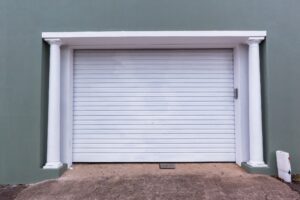
Rolling steel doors are made of interlocking steel slats that coil around a barrel above the opening. Sectional overhead doors consist of horizontal panels that travel up along ceiling-mounted tracks. The design difference determines how much space each type needs and how each one performs.
Rolling Steel Construction
Sectional Overhead Construction
Sectional doors are made of large horizontal panels, typically four to six per door, connected by hinges. When the door opens, the panels glide up along vertical tracks and then back along the ceiling on horizontal tracks. This requires enough ceiling depth to accommodate the door panels when fully open, which is usually the height of the door plus several feet of clearance.
Which Door Type Lasts Longer in Lakewood Conditions?
Rolling steel doors generally outlast sectional doors due to their simpler mechanical design and fewer moving parts. Rolling steel typically lasts 20 to 30 years, while sectional doors average 20 to 25 years. Lakewood’s wind, temperature swings, and grit exposure favor the sealed coil design of rolling steel.
Rolling Steel Durability
The coil design protects the door surface when it is open, keeping it out of contact with ceiling-mounted equipment, dust, and debris. Rolling steel doors have fewer hinge points and no panel joints, which means fewer places for wear or failure. For properties in Lakewood, where wind-driven grit and foothills gusts are common, the sealed barrel housing protects the door when it is in the open position.
Sectional Door Durability
Sectional doors have more moving parts: hinges between every panel, rollers on each section, and long runs of track. Each of these components is a potential wear point. In high-wind areas, the panel joints can also allow air infiltration over time. That said, modern sectional doors are well-engineered and last two decades or more with proper maintenance.
Which Option Provides Better Insulation?
Sectional overhead doors have a clear advantage in insulation. Their panel construction allows for polyurethane or polystyrene insulation cores that greatly reduce heat transfer. Rolling steel doors can be insulated, but the thin slat design limits the R-value compared to thick sectional panels.
Sectional Door Insulation
Insulated sectional doors use polyurethane foam injected between steel skins, achieving R-values of 12 to 18 depending on panel thickness. For heated warehouses, climate-controlled storage, or buildings where employees work near the door, this level of insulation makes a meaningful difference in energy costs and comfort.
Rolling Steel Insulation Options
Insulated rolling steel doors exist, but the slat design limits insulation thickness. R-values for insulated rolling doors typically range from 4 to 8. For facilities where security and durability matter more than climate control, this is often sufficient. For temperature-sensitive operations, sectional doors are the better energy choice.
| Feature | Rolling Steel | Sectional Overhead |
|---|---|---|
| Construction | Interlocking steel slats, coils into barrel | Horizontal panels on ceiling tracks |
| Ceiling clearance needed | Minimal (barrel above opening) | Substantial (door height + several feet) |
| Typical lifespan | 20-30 years | 20-25 years |
| Insulation R-value | R-4 to R-8 (limited by slat depth) | R-12 to R-18 (polyurethane panels) |
| Noise level | Louder (metal slat contact) | Quieter (panel glide, rubber seals) |
| Upfront cost | Higher | Lower |
| Best for | Security, durability, limited headroom | Insulation, quiet operation, customer-facing |
How Do You Decide Which Door Fits Your Lakewood Property?
Start with the building layout. If ceiling space is limited, rolling steel is the practical choice. If insulation and noise matter, a sectional is the better fit. From there, factor in traffic volume, security needs, and budget.
Building Layout First
Measure the available headroom and backroom above the door opening. If there is less than 18 inches of clearance above the opening, a sectional door will not fit without modifications. Rolling steel doors only need enough space for the barrel assembly, which is typically 12 to 24 inches, depending on door height.
Use Case and Budget
Manufacturing and industrial facilities that prioritize security and raw durability lean toward rolling steel. Retail, mixed-use, and customer-facing facilities that need quiet operation and energy efficiency lean toward sectional. Budget matters too: sectional doors cost less to purchase and install, while rolling steel costs more upfront but may offer a lower total cost over a 25-year lifespan. For a deeper look at door construction options, property owners can explore modern garage door design materials and how they affect long-term performance.
Frequently Asked Questions
What Is the Main Difference Between Rolling Steel and Sectional Overhead Doors?
Rolling steel doors coil into a compact barrel above the opening. Sectional doors consist of panels that slide up and along ceiling tracks. The key difference is space: rolling steel needs minimal overhead room, while sectional doors need substantial ceiling depth.
Which Door Type Is More Secure?
Rolling steel doors are generally considered more secure. The interlocking steel slats are harder to force open than sectional panels, and the coil design has no exposed hinge points that could be tampered with.
Are Sectional Overhead Doors Quieter Than Rolling Steel?
Yes. Sectional doors glide on nylon rollers along lubricated tracks and have rubber seals between panels that dampen sound. Rolling steel doors produce more noise from metal slat contact during operation.
Can I Insulate a Rolling Steel Door?
Insulated rolling steel doors are available, but the thin slat design limits insulation thickness. R-values typically range from R-4 to R-8, compared to R-12 to R-18 for insulated sectional doors.
How Much Do Rolling Steel and Sectional Doors Cost?
Custom sizes and insulation add to both price points.
Which Door Type Works Better in High-Wind Areas?
Rolling steel doors handle wind loads well because the interlocking slats distribute force across the door face. Wind-rated sectional doors are also available with reinforced struts. Lakewood’s foothills wind gusts make wind rating an important specification for either type.
How Long Do Commercial Garage Doors Last?
Rolling steel doors typically last 20 to 30 years. Sectional overhead doors average 20 to 25 years. Both lifespans assume regular professional maintenance.
Does Select Garage Doors Install Both Rolling Steel and Sectional Doors?
Yes. Select Garage Doors is a veteran-owned, licensed, and insured company serving Lakewood, CO. The team installs both door types and can recommend the best fit based on building layout, traffic volume, and budget. All installations include a 5-year parts warranty.
Looking for a deal?
Call us or to learn about our current promotions and seasonal offers.



Service Area: 50+ Cities Across Metro Denver
Select Your Nearest Location
Hours: Mon-Fri 8am-5pm
Sunday Emergency Only
Avg Response Time: 18 minutes
Hours: Mon-Fri 8am-5pm
Sunday Emergency Only
Avg Response Time: 18 minutes
Hours: Mon-Fri 8am-5pm
Sunday Emergency Only
Avg Response Time: 18 minutes
Hours: Mon-Fri 8am-5pm
Sunday Emergency Only
Avg Response Time: 18 minutes
Hours: Mon-Fri 8am-5pm
Sunday Emergency Only
Avg Response Time: 18 minutes
Hours: Mon-Fri 8am-5pm
Sunday Emergency Only
Avg Response Time: 18 minutes
Hours: Mon-Fri 8am-5pm
Sunday Emergency Only
Avg Response Time: 18 minutes
Hours: Mon-Fri 8am-5pm
Sunday Emergency Only
Avg Response Time: 18 minutes
Hours: Mon-Fri 8am-5pm
Sunday Emergency Only
Avg Response Time: 18 minutes
Hours: Mon-Fri 8am-5pm
Sunday Emergency Only
Avg Response Time: 18 minutes
Hours: Mon-Fri 8am-5pm
Sunday Emergency Only
Avg Response Time: 18 minutes
Hours: Mon-Fri 8am-5pm
Sunday Emergency Only
Avg Response Time: 18 minutes
Hours: Mon-Fri 8am-5pm
Sunday Emergency Only
Avg Response Time: 18 minutes
Hours: Mon-Fri 8am-5pm
Sunday Emergency Only
Avg Response Time: 18 minutes
Hours: Mon-Fri 8am-5pm
Sunday Emergency Only
Avg Response Time: 18 minutes
We Service: Parker, Castle Rock, Greenwood Village, Lakewood, Littleton, Centennial, Highlands Ranch 40+ More Cities