

5 Red Flags Your Parker, CO Garage Door Needs Professional Attention This Summer
Key Takeaways
- Grinding, squeaking, or popping sounds indicate worn rollers, damaged springs, or bearing problems that worsen quickly under summer heat and usage.
- A door that won’t close fully, reverses unexpectedly, or moves slower than usual signals balance issues or sensor problems needing immediate attention.
- Visible sagging, bent panels, or gaps between sections are structural damage warning signs that affect safety and security in your Parker home.
- Parker’s 30 to 40 degree daily temperature swings stress hardware, springs, and seals more than stable climates, accelerating normal wear.
- Professional inspection catches small issues before they become safety hazards or expensive emergency repairs during peak summer usage.
Summer Heat and Your Parker Garage Door
Parker’s summer heat creates unique stress on garage door systems. Daily temperature swings of 30 to 40 degrees expand and contract metal components, dry out lubricants, and stress springs and cables beyond their normal wear cycle. When combined with increased usage during summer months, this climate accelerates problems that might develop slowly in milder regions.
Select Garage Doors helps Parker homeowners recognize warning signs before a small issue becomes a safety problem or leaves your home unsecured. Most garage door problems don’t announce themselves loudly. They whisper first. Learning to recognize those whispers is the difference between a simple fix and an emergency call.
Red Flag #1: Unusual Noises During Operation
Grinding, squeaking, popping, or scraping sounds mean something inside the door system is wearing, misaligned, or damaged. Normal garage doors are relatively quiet. If yours sounds like it’s struggling, that’s a warning sign needing attention before the problem spreads.
Squeaking usually points to dry rollers or hinges that need lubrication. This is a simple fix if caught early. Grinding suggests bearing wear or roller damage that worsens with each cycle. Popping often indicates spring problems or misaligned tracks. In Parker’s dry, high-altitude climate, lubricants evaporate faster than at lower elevations, so noise problems develop quicker here than in other regions.
Don’t ignore the noise hoping it goes away. Summer heat will make the problem worse, not better. What sounds like a minor squeak in June can become a complete system failure by August.
Red Flag #2: Uneven Movement or Balance Problems
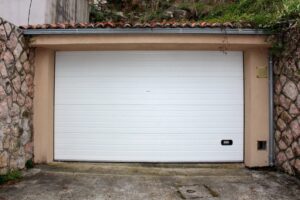
A door that moves slower on one side, jerks as it travels, or doesn’t close completely and evenly is signaling balance issues. This typically means springs are wearing unevenly, cables are fraying, or the door is off-track. An unbalanced door is a safety issue and a security issue.
Test your door’s balance by disconnecting the opener (pulling the manual release cord) and lifting the door by hand halfway. A balanced door should stay put. If it falls or rises on its own, the counterbalance system is failing. This is not a DIY diagnosis. It’s a signal to call a technician before someone gets hurt.
Summer heat amplifies balance problems because metal springs and cables stretch and contract daily. Temperature swings in Parker stress these components more than anywhere in the Denver metro area because of the elevation and dramatic day-night swings.
Red Flag #3: Visible Physical Damage
Bent or dented panels, sagging sections, gaps between panels, or rust spots mean structural damage. These aren’t cosmetic. They affect how the door moves and how well it protects your home. Visible damage usually means internal components are also stressed.
Small dents from a bike or ball don’t require emergency service, but large dents that affect smooth operation, bent tracks, or visible rust need attention. Sagging panels are especially serious because they put uneven load on springs and cables, accelerating failure of the entire system. Common warning signs that your garage door needs repair include these structural red flags, which shouldn’t be ignored.
Parker’s intense UV exposure at 5,800 feet accelerates rust and paint degradation. If you see rust forming on metal components, that’s a sign the protective coating is failing and internal corrosion may already be starting. Address it sooner rather than later.
Red Flag #4: Safety Sensor Problems
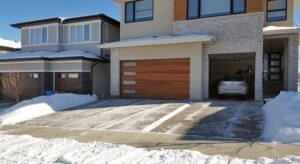
Photo-eye sensors that are misaligned, dirty, or malfunctioning are a serious safety issue. If your door closes when nothing is in its path, or won’t close at all, the sensors aren’t working correctly. This removes your primary protection against entrapment or crushing injuries.
Test your sensors by placing an object in the door’s path as it closes. The door should reverse immediately on contact. If it doesn’t, or if the sensors’ LED lights are flickering or off, service is needed right away. Don’t try to adjust or clean the sensors yourself. Misalignment can make the problem worse.
Parker’s dust and low humidity coat sensor lenses with fine particles and dry out rubber seals. Summer heat makes this worse because UV exposure degrades seals faster. Your sensors may need cleaning or realignment more often than in other climates.
Red Flag #5: Age and Wear Accumulation
Garage doors typically last 15 to 20 years with regular maintenance. If your door is older and you’re starting to see multiple warning signs (noises, slower movement, visible wear), the whole system may be nearing the end of its lifespan. Summer is when these aged systems fail most often because heat and increased usage push them to their limits.
An aging door isn’t inherently unsafe, but it becomes less predictable. Springs wear at different rates, cables fray unevenly, and sensors drift out of calibration. Instead of one problem, you’re managing several small ones that interact in unpredictable ways.
If your door is over 15 years old and running fine, a professional inspection before summer hits is smart planning. Catching worn components before they fail means you avoid emergency repairs during the hottest part of the year when service calls are backed up.
Don’t Wait for the Emergency
Garage door problems follow a predictable pattern: small warning sign, ignored through summer, sudden failure during peak heat. By then, you’re facing emergency pricing and days without garage access. Act on the first warning. Professional inspection now prevents the crisis later.
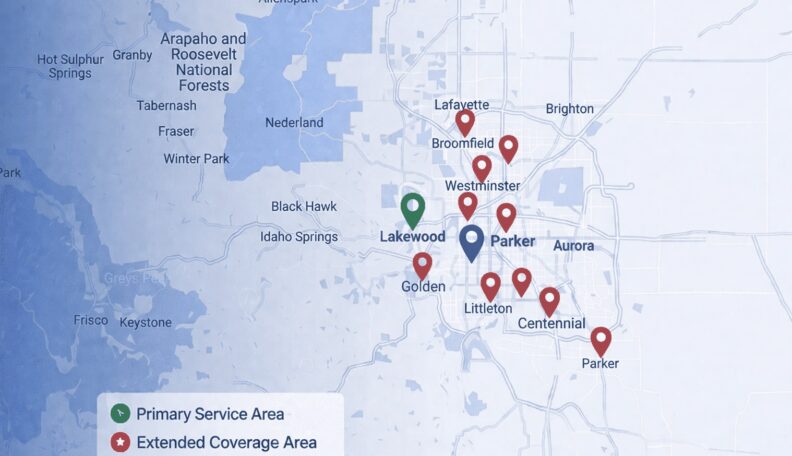
If you’ve spotted any of these red flags in your Parker garage door, reach out to Select Garage Doors for a professional evaluation. We’ll identify what’s happening and what needs attention now versus what can wait. We serve Parker, Parker, Castle Rock, Greenwood Village, Lakewood, and the greater Denver metro area.
Frequently Asked Questions
What sounds are normal for a garage door?
Garage doors should be relatively quiet during operation. You’ll hear the motor running and the mechanical sound of the door moving on its tracks, but it shouldn’t grind, pop, or squeak. If yours makes unusual noises, that’s a sign something needs attention.
How do I know if my garage door is balanced?
Pull the manual release cord to disconnect the opener, then lift the door halfway up by hand. A balanced door should stay in place without sliding up or down. If it falls or rises, the counterbalance system needs adjustment.
Is it dangerous to use a garage door with visible damage?
It depends on the damage. Small dents may be cosmetic only. But sagging sections, bent tracks, or visible rust indicate structural problems that affect safety. Have any visible damage evaluated before continuing normal use.
Can I clean or adjust my garage door sensors myself?
You can gently clean sensor lenses with a soft cloth to remove dust, but adjusting the sensors requires precision tools and training. Improper adjustment can make the problem worse or create new safety issues. Call a technician for adjustments.
How often should I have my garage door inspected?
Annual professional inspection is standard maintenance for most garage doors. If your door is over 10 years old or showing warning signs, twice-yearly inspection during spring and fall helps catch problems before they become urgent.
Why do garage doors fail more often in summer?
Summer heat increases usage and stresses components that are already wearing. Parker’s temperature swings expand and contract metal parts daily, accelerating fatigue. Combined with high usage during warm months, problems that develop slowly in other seasons emerge quickly here.
What’s the difference between a warning sign and an emergency?
Warning signs are things you notice: unusual noise, slower movement, visible wear. You still have time to schedule service. Emergencies are when the door stops working entirely, won’t close, or poses an immediate safety risk. Warning signs prevent emergencies when you act on them.
Looking for a deal?
Call us or to learn about our current promotions and seasonal offers.



Service Area: 50+ Cities Across Metro Denver
Select Your Nearest Location
Hours: Mon-Fri 8am-5pm
Sunday Emergency Only
Avg Response Time: 18 minutes
Hours: Mon-Fri 8am-5pm
Sunday Emergency Only
Avg Response Time: 18 minutes
Hours: Mon-Fri 8am-5pm
Sunday Emergency Only
Avg Response Time: 18 minutes
Hours: Mon-Fri 8am-5pm
Sunday Emergency Only
Avg Response Time: 18 minutes
Hours: Mon-Fri 8am-5pm
Sunday Emergency Only
Avg Response Time: 18 minutes
Hours: Mon-Fri 8am-5pm
Sunday Emergency Only
Avg Response Time: 18 minutes
Hours: Mon-Fri 8am-5pm
Sunday Emergency Only
Avg Response Time: 18 minutes
Hours: Mon-Fri 8am-5pm
Sunday Emergency Only
Avg Response Time: 18 minutes
Hours: Mon-Fri 8am-5pm
Sunday Emergency Only
Avg Response Time: 18 minutes
Hours: Mon-Fri 8am-5pm
Sunday Emergency Only
Avg Response Time: 18 minutes
Hours: Mon-Fri 8am-5pm
Sunday Emergency Only
Avg Response Time: 18 minutes
Hours: Mon-Fri 8am-5pm
Sunday Emergency Only
Avg Response Time: 18 minutes
Hours: Mon-Fri 8am-5pm
Sunday Emergency Only
Avg Response Time: 18 minutes
Hours: Mon-Fri 8am-5pm
Sunday Emergency Only
Avg Response Time: 18 minutes
Hours: Mon-Fri 8am-5pm
Sunday Emergency Only
Avg Response Time: 18 minutes
We Service: Parker, Castle Rock, Greenwood Village, Lakewood, Littleton, Centennial, Highlands Ranch 40+ More Cities