


How Does Manual Garage Door Operation Work for Emergency Access in Parker, CO?
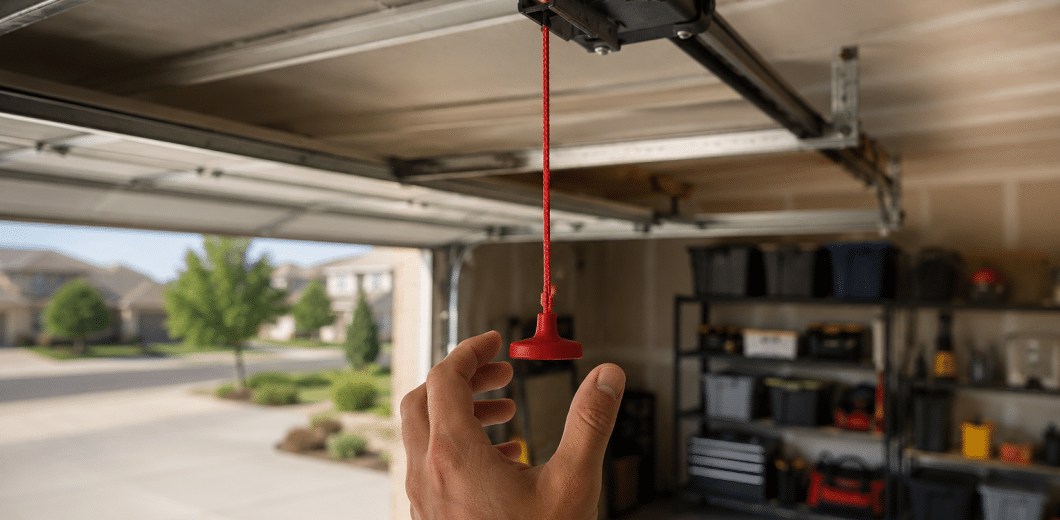
Manual garage door operation uses a red release cord that disconnects the door from the automatic opener, allowing the door to be lifted and lowered by hand. This emergency access method works during power outages, opener failures, and situations where the electronic system is unresponsive.
Key Takeaways
- The red manual release cord hangs from the opener track and disconnects the door trolley
- A door with functioning springs should lift manually with 10 to 15 pounds of force
- Never pull the release cord when the door is open unless the springs are intact and balanced
- Re-engaging the opener after manual use requires aligning the trolley and pulling the cord again
- Parker’s summer storms and winter outages make manual operation knowledge a household safety skill
Every garage door has a manual override system, and every Parker homeowner should know how to use it. Power outages from summer storms, opener motor failures during heat waves, and sensor malfunctions can all leave a family unable to open or close the garage door electronically.
The manual release system bypasses all of that. It takes five seconds to engage and requires no tools, but using it incorrectly can damage the door or create a safety hazard. Select Garage Doors walks Parker homeowners through the process so they are prepared when the moment comes.
What Is the Manual Release Cord and How Does It Work?
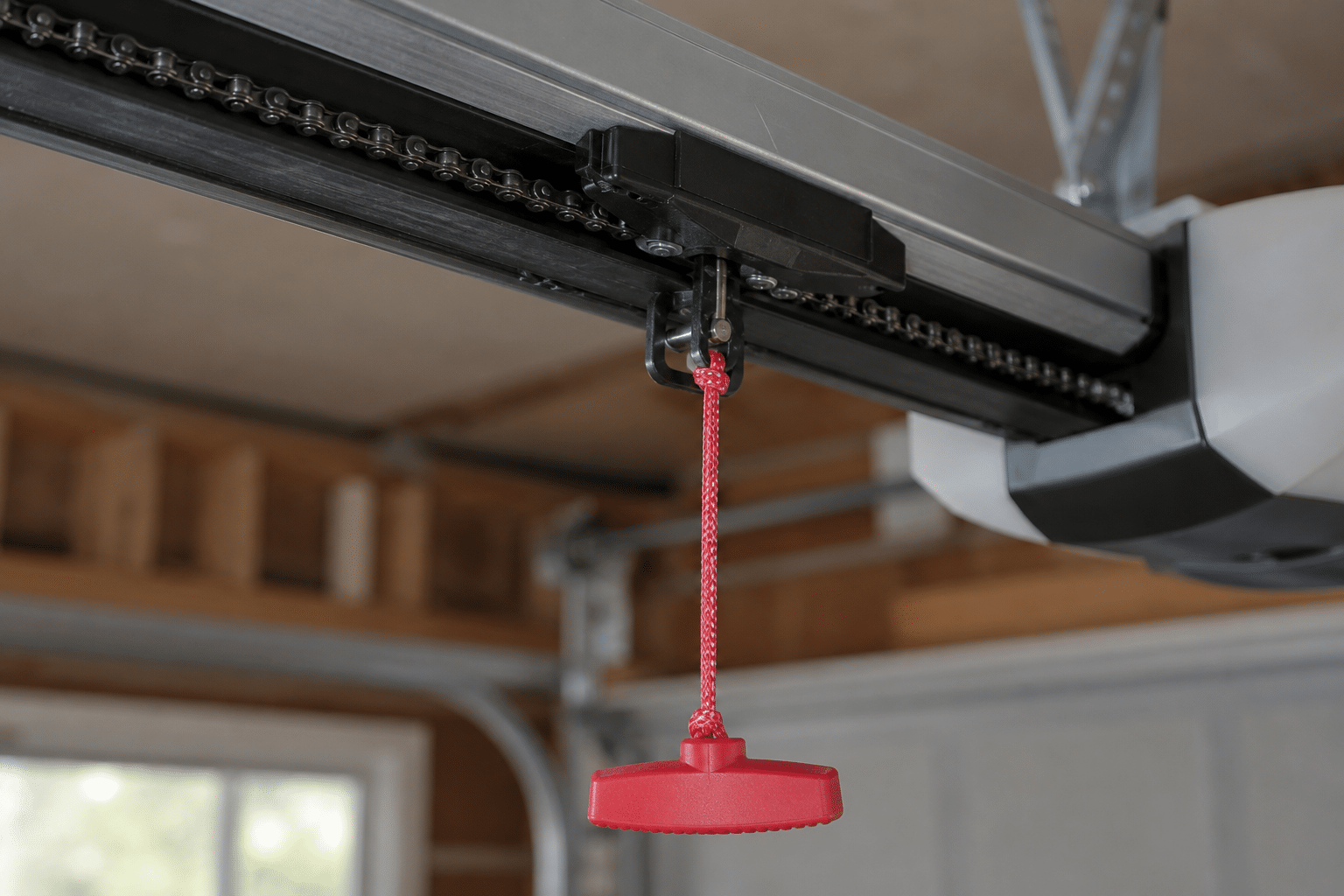 The manual release cord is a red handle hanging from the opener’s trolley assembly on the ceiling-mounted track. Pulling it straight down disconnects the trolley from the drive chain or belt, allowing the door to move freely by hand.
The trolley is the metal piece that slides along the track and connects the door arm to the opener’s drive system. When connected, the opener controls door movement.
When disconnected via the release cord, the door becomes a manually operated system that relies entirely on spring counterbalance for lifting force.
To engage manual mode, first confirm the door is in the closed position. Pulling the release cord while the door is open and the springs are broken or out of balance can cause the door to crash down under its own weight. With the door closed, pull the red cord straight down and toward the door. The trolley will slide freely on the track.
Once disconnected, lift the door by the handles or bottom edge. A properly balanced door with functioning springs should require only 10 to 15 pounds of lifting force. If the door feels extremely heavy, the springs may be broken or out of adjustment, and the door should not be forced open. Homeowners who encounter a heavy door should contact a technician rather than risk injury.
When Should Parker Homeowners Use Manual Garage Door Operation?
Manual operation is appropriate during power outages, opener failures, and situations where the door needs to move but the electronic system is not responding. It is not a long-term substitute for a functioning opener.
Common scenarios in Parker:
- Summer thunderstorms that knock out power for hours
- Opener motor overheating during extreme heat and shutting down
- Sensor misalignment preventing the door from closing electronically
- Broken drive chain or belt that prevents opener-driven movement
- Battery backup failure during an extended outage
During winter, Parker homeowners sometimes need manual operation when the door freezes to the floor. Breaking the ice seal and then using the release cord allows the door to be opened without forcing the opener against a frozen connection. For tips on dealing with frozen doors, read about why garage doors freeze shut in Parker.
Manual operation during winter also requires extra care. Cold-weather spring tension is higher than summer tension, and the door may respond differently to manual lifting than homeowners expect.
How Do You Re-Engage the Automatic Opener After Using Manual Mode?
Re-engaging the opener requires pulling the release cord again (toward the opener motor this time) to reset the trolley into the locking position, then running the opener to reconnect the drive system.
Step by step:
 Close the door completely by hand
- Pull the release cord toward the motor (away from the door) until the trolley snaps back into the engagement position
- Press the wall button or remote to activate the opener
- The drive chain or belt will move the trolley until it catches the carriage and reconnects
 Close the door completely by hand
If the trolley does not re-engage on the first try, manually slide it along the track until it lines up with the carriage. Then run the opener again. The drive system will catch and lock the trolley back into normal operation.
Some newer openers have a spring-loaded trolley that automatically re-engages when the opener runs. Older models may require manual alignment. Parker, CO homeowners with older openers who have difficulty re-engaging after manual use can schedule a service call to have the trolley mechanism inspected and lubricated.
What Safety Precautions Apply to Manual Garage Door Operation in Parker?
Never pull the release cord when the door is open, and you suspect broken springs. Never force a door that feels excessively heavy. And never allow children to operate the manual release system.
Safety rules for manual operation:
- Always start with the door closed before pulling the release cord
- If the door weighs more than 20 to 25 pounds to lift manually, the springs may be broken, and the door should not be forced
- Keep hands and fingers clear of the track edges and section joints while lifting
- Prop the door open with a C-clamp on the track if it needs to stay open during manual mode
- Never stand directly under the door while testing manual operation
- Teach household members where the release cord is and how to use it before an emergency occurs
A door with a broken spring in manual mode is dangerously heavy. A standard two-car garage door weighs 200 to 400 pounds. Without spring counterbalance, that full weight must be lifted by hand. Attempting this risks serious back, hand, and head injuries.
Frequently Asked Questions
Where Is the Manual Release Cord on a Garage Door?
The red release cord hangs from the trolley assembly on the ceiling-mounted opener track. It is typically located about halfway between the opener motor and the door, hanging down by about three to four feet.
Can I Open My Parker Garage Door Manually from Outside During a Power Outage?
Only if the door has an exterior emergency release kit. This is a lock cylinder installed on the outside of the door that connects to the release mechanism via a cable. Not all doors have this feature.
How Heavy Should a Garage Door Feel When Lifted Manually?
A properly balanced door with functioning springs should require 10 to 15 pounds of force to lift. If it feels heavy or drops when released at the halfway point, the springs need attention.
Can Pulling the Release Cord Damage My Garage Door?
No. The release cord is designed for regular use and disconnects cleanly. However, pulling it while the door is open with broken springs can cause the door to fall, which damages tracks, panels, and the floor.
How Often Should I Test the Manual Release Cord in Parker?
Test it quarterly by pulling the cord, manually lifting and lowering the door, and re-engaging the opener. This confirms the mechanism works before you need it in an emergency.
What Should I Do If the Door Does Not Re-Engage After Manual Use?
Slide the trolley along the track until it aligns with the carriage, then run the opener. If it still does not catch, the trolley mechanism may need lubrication or replacement.
Is It Safe for One Person to Operate a Parker Garage Door Manually?
Yes, if the springs are functioning and the door is balanced. One person should be able to lift and lower the door comfortably. If it requires two people or feels unsafe, call a professional.
Does Manual Operation Work During a Garage Door Spring Break?
Technically yes, but the door will weigh 200 to 400 pounds without spring counterbalance. Do not attempt to lift a door with broken springs manually. Wait for a professional repair.



Looking for a deal?
Call us or to learn about our current promotions and seasonal offers.


Service Area: 50+ Cities Across Metro Denver
Select Your Nearest Location
Hours: Mon-Fri 8am-5pm
Sunday Emergency Only
Avg Response Time: 18 minutes
Hours: Mon-Fri 8am-5pm
Sunday Emergency Only
Avg Response Time: 18 minutes
Hours: Mon-Fri 8am-5pm
Sunday Emergency Only
Avg Response Time: 18 minutes
Hours: Mon-Fri 8am-5pm
Sunday Emergency Only
Avg Response Time: 18 minutes
Hours: Mon-Fri 8am-5pm
Sunday Emergency Only
Avg Response Time: 18 minutes
Hours: Mon-Fri 8am-5pm
Sunday Emergency Only
Avg Response Time: 18 minutes
Hours: Mon-Fri 8am-5pm
Sunday Emergency Only
Avg Response Time: 18 minutes
Hours: Mon-Fri 8am-5pm
Sunday Emergency Only
Avg Response Time: 18 minutes
Hours: Mon-Fri 8am-5pm
Sunday Emergency Only
Avg Response Time: 18 minutes
Hours: Mon-Fri 8am-5pm
Sunday Emergency Only
Avg Response Time: 18 minutes
Hours: Mon-Fri 8am-5pm
Sunday Emergency Only
Avg Response Time: 18 minutes
Hours: Mon-Fri 8am-5pm
Sunday Emergency Only
Avg Response Time: 18 minutes
Hours: Mon-Fri 8am-5pm
Sunday Emergency Only
Avg Response Time: 18 minutes
Hours: Mon-Fri 8am-5pm
Sunday Emergency Only
Avg Response Time: 18 minutes
Hours: Mon-Fri 8am-5pm
Sunday Emergency Only
Avg Response Time: 18 minutes
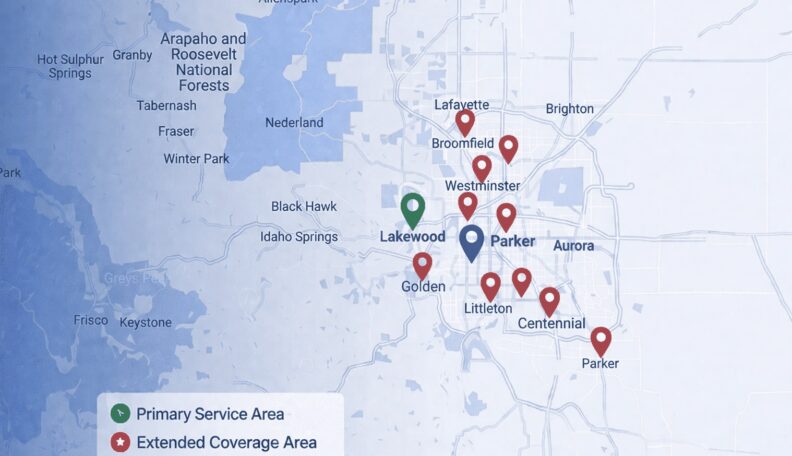
We Service: Parker, Castle Rock, Greenwood Village, Lakewood, Littleton, Centennial, Highlands Ranch 40+ More Cities