



Why Does Frost Build Up Inside a Greenwood Village Garage?
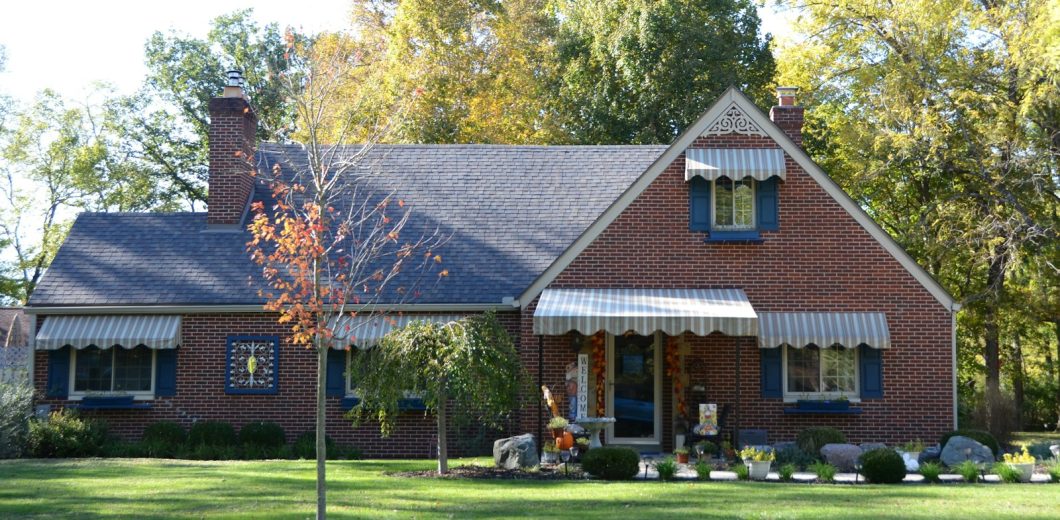
Frost builds up inside a Greenwood Village garage when moist air meets cold surfaces. The moisture usually arrives on vehicles, through gaps around the door, or from the house itself, and it settles as frost on the coldest metal it can find.
Key Takeaways
- Frost inside a garage is a moisture problem before it is a temperature problem.
- A snow-covered car parked inside releases a great deal of water as it warms up.
- Gaps around the door let in cold air and let out whatever warm, damp air is inside.
- Frost on the door hardware is worth taking seriously, because rust follows it.
- Select Garage Doors offers a limited labor and installation warranty and holds a BBB A+ rating.
Walking into the garage on a cold morning and finding a white bloom across the inside of the door is unsettling the first time it happens. It is also common, and it is telling you something useful about how air and water are moving through that space. Select Garage Doors sees the first calls about it as soon as overnight temperatures start dropping properly.
Why Does Frost Form Inside a Garage at All?
Because air can only hold so much moisture when it is cold. When damp air touches a surface colder than it is, the water comes out of the air and settles there, and below freezing it settles as frost.
Inside a garage the coldest surfaces are almost always metal: the inside face of the door, the tracks, the brackets and any exposed fixings. Those are where frost appears first, because metal loses heat faster than the walls around it.
That is why frost tends to outline the door rather than coat everything. It is marking out the coldest parts of the room for you. If it keeps happening, schedule a service request and have the door’s seal and insulation looked at, since those are what govern how cold that face gets.
Where Does the Moisture Come From?
Three main places: wet vehicles brought in from outside, air leaking in around the door, and warm damp air escaping from the house into the garage.
A car driven home through slush carries a surprising amount of water on its body, wheels and underside. Parked in a closed garage, all of that evaporates overnight and has nowhere to go but onto the coldest surfaces.
The other two are quieter. Gaps around the door let outside air move in and out continuously, and the door between the garage and the house lets warmer, damper indoor air drift through every time someone uses it. Reviews from neighbors dealing with the same thing are at the Greenwood Village location on Google Maps.
| Moisture Source | Clue | What Helps |
|---|---|---|
| Wet or snowy vehicle | Puddles under the car, worst after a storm | Brush off snow outside, allow some airflow |
| Gaps around the door | Daylight visible along an edge when closed | Replace worn seals, check the door sits square |
| Air from inside the house | Frost worst near the connecting door | Keep that door closed and sealed |
| Damp stored items | Musty smell, cardboard going soft | Store off the floor, dry things before storing |
| Water running under the door | Wet strip just inside the opening | Clear the apron, check the bottom seal |
Does the Garage Door Itself Make It Worse?
It can, in two ways. An uninsulated door gives the cold a large surface to work on, and a door that no longer seals properly keeps feeding the space with outside air.

A bare steel door is effectively a cold panel the width of the garage. Everything damp in the air finds it, which is why frost patterns so often match the panel lines and the bracing behind them.
A door that has stopped sealing is the other half of the problem. Air moving in and out continuously means the garage never settles, and the surfaces near the leak stay coldest of all. The article on why a garage door lets in cold drafts covers how those gaps open up in the first place.
What Can Be Done to Reduce It?
Cut the moisture coming in, improve the seal, and give damp air somewhere to go. Those three things handle nearly every case.
Brushing snow off a vehicle before pulling in makes an immediate difference, because it is the single largest source of water in most garages. Leaving the door open for a short while on a dry day does the rest, by letting the damp air out.
On the door itself, worn weatherstripping and a hardened bottom seal are the usual culprits, and both are replaceable. Insulation helps too, though it works best on a door that already seals, since insulating a leaky door treats the symptom and leaves the cause.
When Is Frost a Sign of a Door Problem?
When it keeps forming in the same place along one edge, when it appears with daylight visible around the closed door, or when it is settling on hardware rather than flat panels.
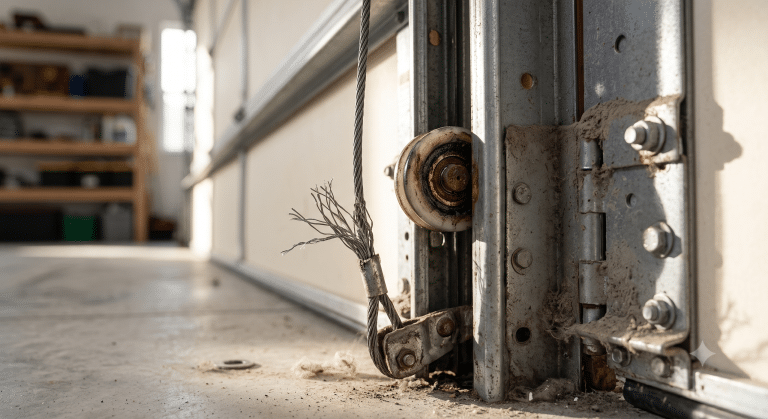
Frost concentrated along one side usually means the door is not meeting the frame evenly there, which is an alignment or seal issue rather than a weather one. Left alone, that gap widens as the seal keeps getting worked by moisture and cold.
Frost sitting on rollers, hinges and tracks is the version worth acting on quickly, because moisture on moving steel leads to rust, and rusted hardware binds. Homeowners in Greenwood Village who catch it at the frost stage avoid replacing parts later. The call line is staffed 24/7, with service scheduled during regular business hours.
Frequently Asked Questions
Is frost inside a garage normal?
A little in very cold weather is common, especially with a wet car inside. Heavy or repeated frost points to a moisture source or a sealing problem worth tracing.
Will insulating the door stop it?
It reduces it, because the inside face stays warmer. It works far better on a door that already seals properly, since otherwise the air keeps being replaced.
Can frost damage the garage door?
Indirectly. The frost itself melts harmlessly, but repeated moisture on hinges, rollers and tracks encourages rust, and rusted hardware runs rough and wears faster.
Why is frost worst near the bottom of the door?
That is where cold air enters and where water from vehicles and melting snow collects. The bottom seal is also the part most likely to have worn.
Should a garage be heated to prevent frost?
Heating alone can make condensation worse if moisture has nowhere to escape. Reducing the moisture and improving the seal usually achieves more than adding heat.
Does opening the door help?
On a dry day, yes. Opening it for a while lets damp air out and dries the floor, which breaks the cycle rather than just clearing the frost.
Why is there frost on only one side of the door?
Usually because the door is not meeting the frame evenly on that side. That is an alignment or seal issue, and it is worth having looked at before the gap grows.
Can frost cause the door to stick shut?
Moisture that freezes along the bottom seal can hold a door down. Forcing it with the opener is the wrong move, because that strains the opener and can damage the seal.



Looking for a deal?
Call us or to learn about our current promotions and seasonal offers.



Service Area: 50+ Cities Across Metro Denver
Select Your Nearest Location
Hours: Mon-Fri 8am-5pm
Sunday Emergency Only
Avg Response Time: 18 minutes
Hours: Mon-Fri 8am-5pm
Sunday Emergency Only
Avg Response Time: 18 minutes
Hours: Mon-Fri 8am-5pm
Sunday Emergency Only
Avg Response Time: 18 minutes
Hours: Mon-Fri 8am-5pm
Sunday Emergency Only
Avg Response Time: 18 minutes
Hours: Mon-Fri 8am-5pm
Sunday Emergency Only
Avg Response Time: 18 minutes
Hours: Mon-Fri 8am-5pm
Sunday Emergency Only
Avg Response Time: 18 minutes
Hours: Mon-Fri 8am-5pm
Sunday Emergency Only
Avg Response Time: 18 minutes
Hours: Mon-Fri 8am-5pm
Sunday Emergency Only
Avg Response Time: 18 minutes
Hours: Mon-Fri 8am-5pm
Sunday Emergency Only
Avg Response Time: 18 minutes
Hours: Mon-Fri 8am-5pm
Sunday Emergency Only
Avg Response Time: 18 minutes
Hours: Mon-Fri 8am-5pm
Sunday Emergency Only
Avg Response Time: 18 minutes
Hours: Mon-Fri 8am-5pm
Sunday Emergency Only
Avg Response Time: 18 minutes
Hours: Mon-Fri 8am-5pm
Sunday Emergency Only
Avg Response Time: 18 minutes
Hours: Mon-Fri 8am-5pm
Sunday Emergency Only
Avg Response Time: 18 minutes
Hours: Mon-Fri 8am-5pm
Sunday Emergency Only
Avg Response Time: 18 minutes
We Service: Parker, Castle Rock, Greenwood Village, Lakewood, Littleton, Centennial, Highlands Ranch 40+ More Cities