

What Size Garage Door Opener Do You Need in Greenwood Village?
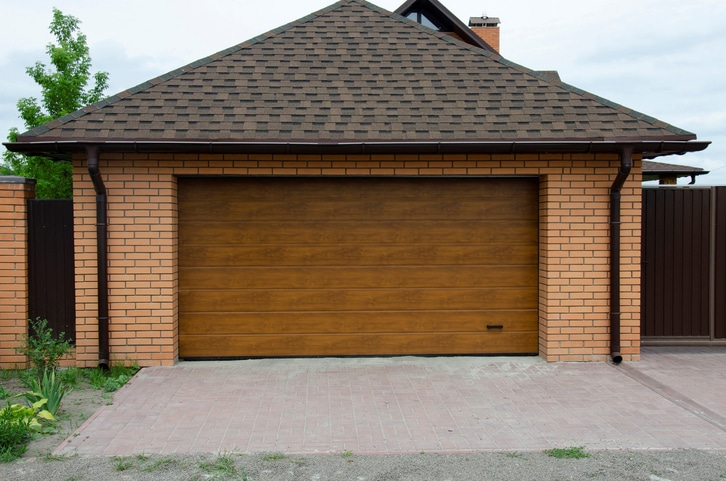
The opener a Greenwood Village home needs depends on the door’s weight and size, not on the size of the house. A heavy double door, an insulated door or a wood door all need more capacity than a light single panel door, and a properly balanced door needs less than a poorly balanced one.
Key Takeaways
- Door weight and width decide the opener, so measure the door rather than guessing from the garage.
- Insulated and wood doors are heavier than plain steel, which moves them up a capacity tier.
- An undersized opener does not usually fail at once, it wears out early and strains everything else.
- Drive type changes noise and maintenance more than it changes lifting ability.
- Select Garage Doors is veteran-owned, licensed and insured, with a limited labor and installation warranty.
Opener sizing is one of the few garage door decisions where guessing has a real cost. Buy short and the unit works hard for its whole life. Buy long and you have spent on capacity the door will never use. Select Garage Doors finds that most sizing mistakes come from matching the opener to the house rather than to the door hanging in it.
What Actually Determines the Opener a Door Needs?
The door’s weight and width, and how well the springs are carrying that weight. Those three things set the load the opener has to move every single cycle.
Weight is the obvious one. A wide double door made of insulated steel is a very different load from a single uninsulated panel door, and no amount of clever engineering closes that gap.
Balance is the part people miss. The springs are what actually carry the weight of the door; the opener only guides it and overcomes friction. On a well-balanced door that job is light. On a door whose springs have weakened, the opener is lifting far more than it was ever meant to, which is why the guide to professional garage door services treats balance as the first thing to check rather than the last.
Does Door Material Change the Answer?
Considerably. Insulation adds weight, wood adds more, and glass and aluminum combinations sit somewhere in between depending on how they are built.
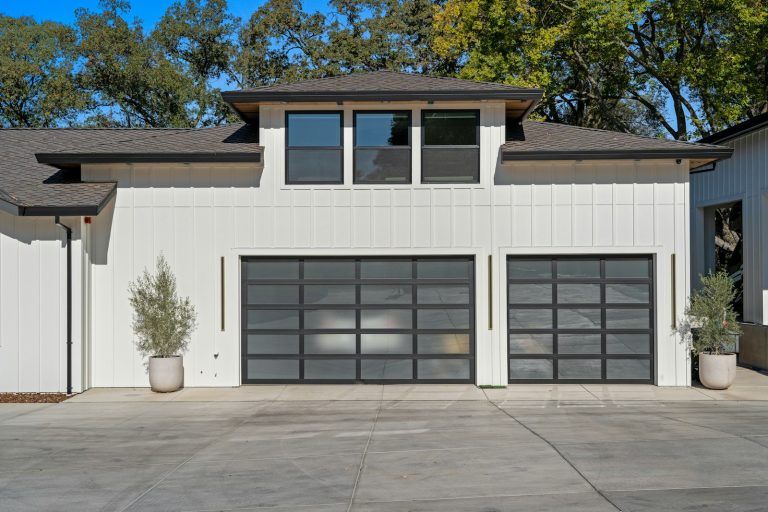
A plain steel door is the lightest common option. Add insulation and the same door gets heavier. Build the door from wood and it becomes heavier again, and it also changes with the seasons as it takes on and gives off moisture.
That seasonal change matters locally. A door that moves easily in dry weather can sit tighter in its tracks when conditions change, and the opener feels that as extra resistance. Homeowners in Greenwood Village replacing a light door with a heavier insulated one often need to think about the opener at the same time, because the old unit was sized for the old door.
What Happens If an Opener Is Undersized?
It usually keeps working, which is the problem. An overloaded opener runs hot, strains its drive and gears, and reaches the end of its life years earlier than it should.
The symptoms are gradual rather than dramatic. The door hesitates at the start of the lift, the motor sounds like it is laboring, the unit gets warm, and eventually it stops partway or trips its own protection.
Cold weather makes all of this worse, because thickened lubricant and stiffer rollers add resistance exactly when the opener has least margin. A unit that coped through summer can start struggling in October. Anyone hearing that change can reach out to us before the opener gives up entirely.
Does Drive Type Matter as Much as Power?
It matters for different reasons. Drive type mostly affects noise, maintenance and where the unit can be mounted, rather than how much door it can lift.
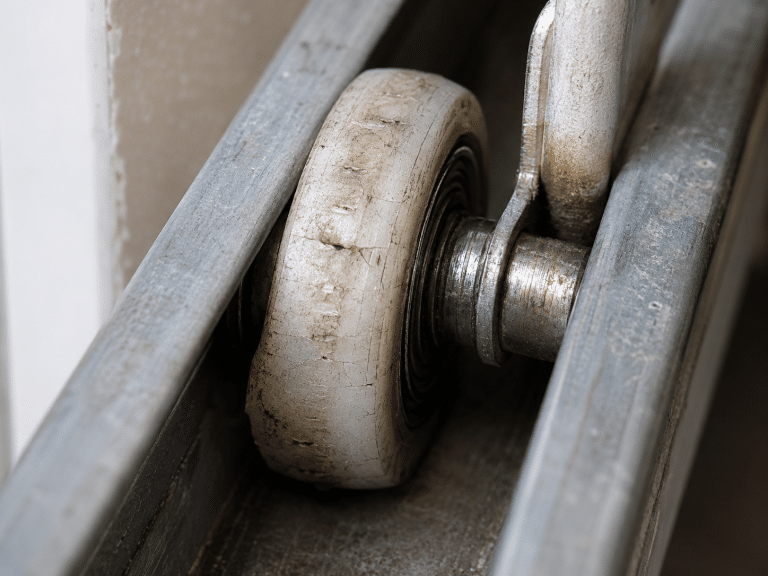
Chain drives are the traditional arrangement and the noisiest. Belt drives trade some of that noise away and suit garages with living space above them. Screw drives have fewer moving parts. Wall-mounted units sit beside the door rather than above it, which solves a different problem entirely.
| Drive Type | Noise | Suits |
|---|---|---|
| Chain | Loudest | Detached garages, heavier doors, tight budgets |
| Belt | Quiet | Garages under or beside living space |
| Screw | Moderate | Owners who want fewer moving parts |
| Wall mounted | Quiet | Low ceilings or ceilings needed for storage |
| Any type, undersized | Gets louder over time | Nothing, it shortens the unit’s life |
Who Should Decide, and How?
Have the door weighed and its balance checked, then size the opener to that. It is a short job for a technician and it removes the guesswork completely.
A technician measures the door, checks whether the springs are still matched to it, and then recommends a capacity with some margin rather than one that only just copes. That margin is what keeps the unit quiet and keeps it running for years.
It is also the right moment to deal with anything the old opener was hiding. A new unit fitted to a door with tired springs or worn rollers simply inherits the problem, and the new opener wears out the same way the old one did. Fixing the door first, then sizing the opener, is the order that lasts.
Fair upfront pricing applies, so the recommendation comes with the cost attached rather than as a surprise later. Homeowners can also read what neighbors have said at the Greenwood Village location on Google Maps.
Frequently Asked Questions
Does a bigger garage need a bigger opener?
No, the door decides it. A large garage with a light single door needs less opener than a small garage with a heavy insulated double door.
Can one opener run two doors?
No. Each door needs its own opener, because each one has its own weight, its own springs and its own travel to manage.
Is it worth buying more capacity than the door needs?
A sensible margin is worth having, because the unit runs cooler and quieter. Going far beyond what the door needs mostly spends money without adding anything useful.
Will a new opener fix a door that feels heavy?
No, and it is the most common mistake. A heavy-feeling door is a spring and balance problem, and a new opener just takes over the strain that broke the last one.
Does an insulated door need a different opener?
Often, yes. Insulation adds weight, so a door that was replaced with an insulated version may have outgrown the opener that was sized for the original.
Why does the opener struggle more in winter?
Cold thickens lubricant and stiffens rollers and seals, so there is more resistance to overcome. An opener with little spare capacity feels that most.
Should the springs be replaced at the same time?
If they are aging, it makes sense to do both together. The springs do the lifting, so new ones protect the new opener from day one.
Can a homeowner fit an opener themselves?
It is possible, but the work involves setting travel limits and force settings that protect anything under the door. Getting those wrong is the part that matters, which is why most owners have it fitted.


Looking for a deal?
Call us or to learn about our current promotions and seasonal offers.



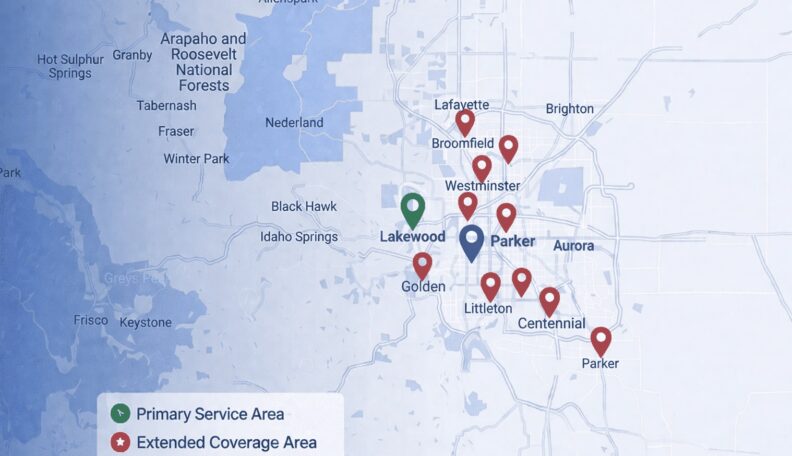
Service Area: 50+ Cities Across Metro Denver
Select Your Nearest Location
Hours: Mon-Fri 8am-5pm
Sunday Emergency Only
Avg Response Time: 18 minutes
Hours: Mon-Fri 8am-5pm
Sunday Emergency Only
Avg Response Time: 18 minutes
Hours: Mon-Fri 8am-5pm
Sunday Emergency Only
Avg Response Time: 18 minutes
Hours: Mon-Fri 8am-5pm
Sunday Emergency Only
Avg Response Time: 18 minutes
Hours: Mon-Fri 8am-5pm
Sunday Emergency Only
Avg Response Time: 18 minutes
Hours: Mon-Fri 8am-5pm
Sunday Emergency Only
Avg Response Time: 18 minutes
Hours: Mon-Fri 8am-5pm
Sunday Emergency Only
Avg Response Time: 18 minutes
Hours: Mon-Fri 8am-5pm
Sunday Emergency Only
Avg Response Time: 18 minutes
Hours: Mon-Fri 8am-5pm
Sunday Emergency Only
Avg Response Time: 18 minutes
Hours: Mon-Fri 8am-5pm
Sunday Emergency Only
Avg Response Time: 18 minutes
Hours: Mon-Fri 8am-5pm
Sunday Emergency Only
Avg Response Time: 18 minutes
Hours: Mon-Fri 8am-5pm
Sunday Emergency Only
Avg Response Time: 18 minutes
Hours: Mon-Fri 8am-5pm
Sunday Emergency Only
Avg Response Time: 18 minutes
Hours: Mon-Fri 8am-5pm
Sunday Emergency Only
Avg Response Time: 18 minutes
Hours: Mon-Fri 8am-5pm
Sunday Emergency Only
Avg Response Time: 18 minutes
We Service: Parker, Castle Rock, Greenwood Village, Lakewood, Littleton, Centennial, Highlands Ranch 40+ More Cities