


Eco-Friendly Garage Door Opener Accessories to Help Save Energy
Key Takeaways
- Parker homes with attached garages lose significant heat in winter and gain unwanted warmth in summer through uninsulated garage doors. Adding insulation panels and weatherstripping can reduce energy waste and lower monthly utility bills throughout the year.
- Smart garage door openers with DC motors use up to 75% less standby power than older AC models. Features like auto-close timers and smartphone monitoring help Parker homeowners avoid leaving the door open during Colorado’s temperature extremes.
- LED garage lighting and motion-sensor fixtures consume a fraction of the energy that traditional incandescent bulbs require. These upgrades pay for themselves within months and last years longer than standard bulbs.
- Select Garage Doors helps Parker and Denver metro homeowners choose the right energy-saving accessories for their specific garage setup. From insulation retrofits to smart opener upgrades, each improvement compounds your overall savings.
- Colorado’s wide temperature swings, from single digits in January to the mid-90s in July, make garage energy efficiency more impactful here than in milder climates. Even small upgrades deliver noticeable comfort and cost differences in the Parker area.
Table of Contents
- Energy-Saving Garage Door Accessories for Parker Homeowners
- When to Call a Garage Door Professional in Parker
- Start Saving Energy in Your Parker Garage
- Frequently Asked Questions
If your garage feels like a freezer in January or an oven in July, your garage door accessories may be the problem. Parker, CO homeowners with attached garages often notice that temperature swings in the garage affect the rest of the house, driving up heating and cooling costs throughout the year. Select Garage Doors works with homeowners across the Denver metro area to identify which energy-saving upgrades deliver the best return for Colorado’s demanding climate. The good news is that several affordable accessories can make a measurable difference without replacing the entire door.
Energy-Saving Garage Door Accessories for Parker Homeowners
How Does Garage Door Insulation Reduce Energy Costs in Colorado?
Adding insulation panels to an uninsulated garage door is one of the highest-impact energy upgrades a Parker homeowner can make. Rigid foam or reflective insulation kits attach directly to the inside of each door panel, boosting the door’s R-value and reducing heat transfer between your garage and the outdoors.
An attached garage shares at least one wall with your living space. When the garage temperature drops below freezing on a Parker winter night, that cold radiates through the shared wall and forces your furnace to work harder. Insulation panels create a thermal barrier that keeps the garage closer to a moderate temperature year-round.
For Colorado’s climate, an R-value of R-8 or higher is a practical target for garage door insulation. Polystyrene and polyurethane panels are the most common retrofit options. Polystyrene is lighter and more affordable, while polyurethane offers a higher R-value per inch of thickness. Either option can be installed in a single afternoon.
Parker suburban homes, especially those in HOA communities where garages face the street, benefit from insulation that also reduces road noise. The temperature regulation alone can protect stored items, tools, and vehicles from the freeze-thaw cycles that are common along the Front Range.
Are Smart Garage Door Openers Worth the Investment for Energy Savings?
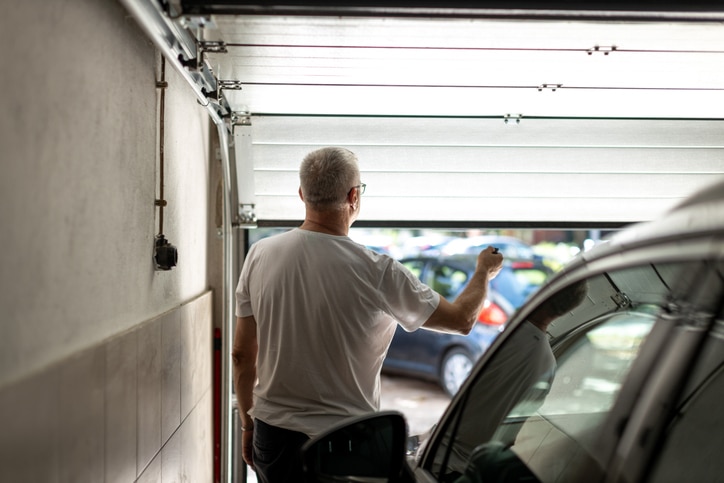
Smart garage door openers with DC motors consume up to 75% less power in standby mode compared to older AC-driven units. They also include auto-close timers and real-time alerts that prevent the door from staying open and letting conditioned air escape from your home.
A garage door left open for even 30 minutes on a cold Denver metro evening can undo hours of heating inside the garage and adjacent rooms. Smart openers solve this by sending a notification to your phone and closing the door automatically after a set period. This is especially useful during busy mornings when Parker families leave for school and work.
Many smart openers also integrate with home automation systems, allowing you to schedule operations and monitor energy usage through an app. DC motors are quieter and start and stop more gradually than AC motors, which reduces mechanical wear on the door and extends the life of springs and tracks.
The upfront cost of a smart opener is higher than that of a basic model, but the combination of lower standby power draw, fewer accidental open-door events, and reduced maintenance costs makes it a practical upgrade for energy-conscious homeowners in the Parker area.
What Role Does Weatherstripping Play in Garage Energy Efficiency?
Weatherstripping seals the gaps around all four edges of the garage door, blocking drafts, moisture, dust, and insects from entering. In Parker’s climate, where winter wind chills drop well below zero, even small gaps around the door frame can account for significant heat loss.
Most garage doors have three types of weatherstripping: a bottom seal (or astragal) that contacts the floor, side seals (retainers) along the vertical edges, and a header seal across the top. Over time, Colorado’s UV exposure and temperature swings cause these seals to crack, shrink, and lose their flexibility.
Replacing worn weatherstripping is one of the least expensive energy upgrades available. Vinyl and rubber seals cost only a few dollars per foot, and installation requires basic tools. The result is a tighter seal that keeps cold air out in winter and hot air out during Parker’s summer months.
For homes in Douglas County that experience heavy wind, a double-contact bottom seal provides better protection than a single-fin design. Pairing new weatherstripping with door insulation panels creates a combined effect that is greater than either upgrade alone.
How Much Energy Can LED and Motion-Sensor Garage Lighting Save?
Switching from incandescent bulbs to LED fixtures in your garage can reduce lighting energy use by up to 80%. Motion-sensor LEDs take this further by activating only when someone enters the garage and shutting off automatically after a set period.
Many Parker garages still use 60-watt or 100-watt incandescent bulbs that stay on for hours at a time. A comparable LED bulb uses 8 to 15 watts and lasts 15,000 to 25,000 hours, compared to roughly 1,000 hours for incandescent. The savings add up quickly in garages that double as workshops or storage areas.
Motion-sensor fixtures are especially useful for Denver metro homeowners who use the garage as a primary entry point. The lights come on when you pull in or walk through and turn off a few minutes later. There is no switch to forget, and no wasted electricity from lights left on overnight.
When choosing LED bulbs for a garage door opener, check that the bulb is rated as “vibration resistant” or specifically designed for garage door openers. Standard LEDs can sometimes interfere with remote signals if they are not shielded properly.
Can a Radiant Barrier or Reflective Insulation Help in Colorado Garages?
Radiant barriers reflect heat rather than absorbing it, which makes them effective at reducing heat gain in Parker garages during summer. Installed on the ceiling or interior walls of the garage, they prevent radiant heat from the roof from warming the space below.
Colorado’s high altitude means stronger UV radiation and more intense solar heating on south-facing and west-facing garage walls. A radiant barrier addresses this specific problem by bouncing heat back before it enters the living space. In winter, the same barrier helps retain warmth generated by your home’s heating system.
Radiant barriers work best when combined with traditional insulation rather than as a standalone solution. For Parker homes where the garage shares a ceiling with a bonus room or living area above, this combination can noticeably reduce the load on your HVAC system during both heating and cooling seasons.
Installation involves stapling or adhering reflective foil material to the garage ceiling joists or wall studs. It is a weekend project for most homeowners, though professional installation ensures there are no gaps that compromise performance.
Do Insulated Garage Door Windows Affect Energy Efficiency?
Single-pane garage door windows are a common source of energy loss. Upgrading to double-pane or triple-pane insulated window inserts with low-emissivity coatings reduces heat transfer while still allowing natural light into the garage.
Natural light in the garage reduces the need for artificial lighting during the day, which adds to your overall energy savings. However, single-pane windows can offset those gains by allowing heat to escape in winter and enter in summer. Low-E coatings solve this by reflecting infrared heat while transmitting visible light.
For Parker homeowners who want windows in their garage door, insulated inserts are available as aftermarket upgrades for many standard door models. The cost is moderate compared to full door replacement, and the improvement in both comfort and curb appeal makes it a worthwhile addition.
Douglas County building codes do not specifically require insulated garage windows, but the energy savings and comfort benefits make them a smart choice for any home in the area, particularly those with garages that face south or west and receive direct afternoon sun.
When to Call a Garage Door Professional in Parker
Some energy upgrades are straightforward enough for a weekend project. Replacing weatherstripping, swapping in LED bulbs, and adding a basic insulation kit all fall into that category. Other upgrades, however, require professional knowledge to install safely and correctly.
A garage door opener installation in Parker involves electrical wiring, precise alignment, and programming that affects both safety and performance. If you are upgrading to a smart opener or replacing an outdated AC motor with a DC model, working with a licensed installer ensures the system operates as intended and does not void the manufacturer’s warranty.
Insulation retrofits on older doors also benefit from a professional assessment. A technician can evaluate whether your current door and springs can handle the added weight of insulation panels. Adding weight to a door without adjusting spring tension creates a safety risk and accelerates wear on the opener.
If your garage door in Parker needs repair, addressing those issues before adding energy-saving accessories ensures you get the full benefit of each upgrade. A door that does not close evenly or has damaged panels will not seal properly, no matter how new the weatherstripping is.
Start Saving Energy in Your Parker Garage
Every energy-saving accessory you add to your garage door works together to lower your utility bills and improve comfort inside your home. Whether you start with insulation, upgrade your opener, or simply replace worn weatherstripping, each improvement builds on the last. Select Garage Doors helps Parker homeowners evaluate their current setup and choose the upgrades that deliver the most value for their budget and home layout.
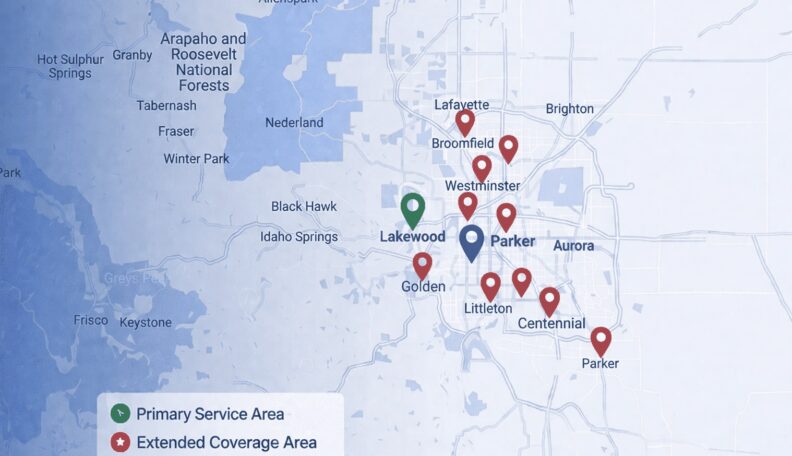
We serve Parker, Castle Rock, Greenwood Village, Lakewood, and the greater Denver metro area.
Call 720-339-2442 to discuss energy-saving garage door accessories for your Parker home.
Frequently Asked Questions
How much can insulated garage doors save on energy bills?
Insulated garage doors can reduce overall home energy costs by up to 15%, depending on your home’s layout and how well the rest of the garage is sealed. Parker homes with attached garages see the biggest savings because the insulated door reduces heat transfer to shared interior walls.
What is the best R-value for garage door insulation in Colorado?
An R-value of R-8 or higher is a practical target for Parker and the Denver metro area. Polyurethane insulation delivers a higher R-value per inch than polystyrene, making it the better choice when space inside the door panel is limited.
Do smart garage door openers really save energy?
Yes. DC-motor smart openers use up to 75% less standby power than older AC models. The auto-close feature also prevents the door from staying open accidentally, which avoids major heat loss during Colorado winters.
Can I add insulation to my existing garage door in Parker?
Most standard garage doors accept retrofit insulation kits. However, adding insulation increases the door’s weight, so your springs may need adjustment. Select Garage Doors can assess whether your current hardware supports the added load.
Is weatherstripping worth replacing on an older garage door?
Absolutely. Cracked or compressed weatherstripping lets drafts, moisture, and pests into the garage. Replacing it is one of the cheapest and most effective energy upgrades available, and it takes less than an hour for most Parker homeowners.
Looking for a deal?
Call us or to learn about our current promotions and seasonal offers.


Service Area: 50+ Cities Across Metro Denver
Select Your Nearest Location
Hours: Mon-Fri 8am-5pm
Sunday Emergency Only
Avg Response Time: 18 minutes
Hours: Mon-Fri 8am-5pm
Sunday Emergency Only
Avg Response Time: 18 minutes
Hours: Mon-Fri 8am-5pm
Sunday Emergency Only
Avg Response Time: 18 minutes
Hours: Mon-Fri 8am-5pm
Sunday Emergency Only
Avg Response Time: 18 minutes
Hours: Mon-Fri 8am-5pm
Sunday Emergency Only
Avg Response Time: 18 minutes
Hours: Mon-Fri 8am-5pm
Sunday Emergency Only
Avg Response Time: 18 minutes
Hours: Mon-Fri 8am-5pm
Sunday Emergency Only
Avg Response Time: 18 minutes
Hours: Mon-Fri 8am-5pm
Sunday Emergency Only
Avg Response Time: 18 minutes
Hours: Mon-Fri 8am-5pm
Sunday Emergency Only
Avg Response Time: 18 minutes
Hours: Mon-Fri 8am-5pm
Sunday Emergency Only
Avg Response Time: 18 minutes
Hours: Mon-Fri 8am-5pm
Sunday Emergency Only
Avg Response Time: 18 minutes
Hours: Mon-Fri 8am-5pm
Sunday Emergency Only
Avg Response Time: 18 minutes
Hours: Mon-Fri 8am-5pm
Sunday Emergency Only
Avg Response Time: 18 minutes
Hours: Mon-Fri 8am-5pm
Sunday Emergency Only
Avg Response Time: 18 minutes
Hours: Mon-Fri 8am-5pm
Sunday Emergency Only
Avg Response Time: 18 minutes
We Service: Parker, Castle Rock, Greenwood Village, Lakewood, Littleton, Centennial, Highlands Ranch 40+ More Cities