

Energy-Efficient Options for Commercial Garage Door Operators
Key Takeaways
- Commercial garage door operators with variable-speed DC motors and soft-start technology use significantly less energy than older fixed-speed units. Parker, CO businesses running high-cycle doors can see measurable savings on monthly utility bills by upgrading to modern motor systems.
- Polyurethane-insulated commercial doors with full perimeter sealing reduce air infiltration by up to 94%, keeping conditioned air inside your facility. This is especially valuable during Colorado winters when heated warehouse and shop space would otherwise lose energy through an uninsulated overhead door.
- Smart operator systems with remote monitoring let Parker facility managers control door schedules, track open/close cycles, and reduce unnecessary operations from a phone or tablet. These platforms cut energy waste from doors left open or cycling during off-peak hours.
- Select Garage Doors helps Parker and Denver metro commercial property owners choose and install energy-efficient operator systems sized for their facility type, door weight, and daily cycle count. Proper sizing prevents motor strain and lowers long-term operating costs.
- Colorado building codes and ASHRAE standards now require specific insulation and air infiltration ratings for commercial overhead doors. Upgrading to compliant, energy-efficient operators and door panels protects your business from code violations while reducing HVAC load year-round.
Table of Contents
- Energy-Efficient Upgrades for Commercial Garage Door Operators in Parker, CO
- When to Call a Garage Door Technician for Commercial Operator Upgrades
- Lower Your Facility Costs With Select Garage Doors in Parker
- FAQ
Commercial garage doors in Parker, CO, open and close dozens of times each day. Every cycle pulls conditioned air out of your facility and forces HVAC systems to work harder. For warehouse operators, auto shops, and retail businesses across the Denver metro area, that wasted energy adds up fast on monthly utility bills. Select Garage Doors works with Parker commercial property owners to identify where outdated operators, poor insulation, and missing smart controls are costing money. The upgrades below target the biggest sources of energy loss in commercial overhead door systems and explain how each one pays for itself over time.
Energy-Efficient Upgrades for Commercial Garage Door Operators in Parker, CO
What Makes a Variable-Speed DC Motor More Efficient Than a Standard AC Operator?
Variable-speed DC motors adjust their power output based on the actual load and position of the door, using only the energy needed at each point in the cycle. Fixed-speed AC motors run at full power from open to close regardless of load, wasting electricity on every operation.
Older commercial operators in Parker facilities often use single-speed AC motors that draw peak amperage the entire time a door is moving. A variable-speed DC motor ramps up gradually during the initial lift, runs at a moderate speed through the middle of travel, and slows before reaching the fully open or closed position. This soft-start, soft-stop cycle reduces peak electrical demand and puts less mechanical stress on the door, tracks, and springs.
For high-cycle environments like loading docks and distribution centers in the Denver metro area, the difference is substantial. A door cycling 50 to 100 times per day under a variable-speed operator draws noticeably less total power over a month than the same door under a constant-speed unit. The reduced mechanical stress also extends the lifespan of cables, springs, and rollers, lowering maintenance costs alongside energy bills.
LiftMaster and Chamberlain both manufacture commercial-grade DC operators designed for high-cycle applications. These units include built-in diagnostics that alert facility managers when components need attention before a failure causes downtime or forces the door to stay open, bleeding conditioned air.
How Does Commercial Door Insulation Reduce Energy Costs in Colorado?
Insulated commercial garage door panels create a thermal barrier between the interior of your facility and the outside air. In Parker, CO, where winter temperatures regularly drop below freezing, an uninsulated commercial door acts as a massive hole in your building envelope.
Polyurethane-injected steel panels offer the highest R-value per inch of thickness among standard commercial door options. An R-16 to R-18 insulated sectional door keeps heated air inside a warehouse or shop far more effectively than a single-layer steel rolling door with no insulation. The insulation also dampens noise, which matters for businesses near Parker residential neighborhoods or commercial parks with shared walls.
Full perimeter sealing is equally important. Brush seals, compression weatherstripping, and bottom rubber seals close the gaps where air infiltration does the most damage. Industry testing shows that advanced perimeter sealing systems can reduce air infiltration through a commercial door opening by up to 94%. For a Parker facility running climate-controlled storage or a temperature-sensitive production line, that reduction translates directly to lower HVAC runtime and smaller energy bills.
Douglas County building inspections increasingly check insulation and air sealing values for commercial overhead doors, especially in new construction and major renovations. Upgrading now keeps your facility compliant and avoids costly retrofits later.
Can Smart Controls and Remote Monitoring Cut Energy Waste?
Smart operator controls let Parker facility managers program door schedules, monitor open/close status in real time, and receive alerts when a door stays open longer than expected. These systems eliminate the energy loss caused by doors left open during breaks, shift changes, or after deliveries.
Platforms like LiftMaster’s myQ Connected technology give commercial users a dashboard showing every door in a facility. Managers can set automatic closing timers so a door that was opened for a delivery shuts itself after a set interval. They can also lock out manual operation during off-hours to prevent unauthorized openings that waste energy overnight.
For multi-location businesses across the Denver metro area, cloud-based monitoring consolidates door status for every site into a single view. A property manager overseeing facilities in Parker, Castle Rock, and Lakewood can verify that all doors are closed at the end of business without driving to each location. The data logs also help identify patterns. If a specific door cycles far more often than expected, it may indicate a workflow problem that is fixable with a schedule adjustment rather than a hardware upgrade.
Smart controls pair well with high-speed commercial doors. A high-speed door opens and closes in seconds rather than the 20 to 30 seconds typical of a standard commercial operator. The shorter open time means less conditioned air escapes per cycle, and when combined with automatic closing timers, the cumulative energy savings across a full business day are significant.
Why Does Proper Operator Sizing Matter for Energy Efficiency?
An oversized operator wastes energy by using more motor power than the door requires. An undersized operator strains to move the door, draws excessive amperage, overheats, and fails prematurely. Correct sizing matches motor horsepower and duty cycle rating to the door’s weight, width, and daily usage.
Commercial doors in Parker range from lightweight aluminum service doors to heavy insulated steel sectional doors on loading docks. A 1/2-HP operator that works fine on a 100-square-foot service door would be dangerously undersized on a 14-by-14 insulated sectional weighing several hundred pounds. The reverse is also wasteful. Putting a 1-HP high-cycle operator on a light door that opens five times a day burns more electricity than necessary on every cycle.
Duty cycle rating matters just as much as horsepower. Standard-duty operators are rated for roughly 25 cycles per day. Medium-duty handles 50 to 75 cycles. High-cycle units are built for 100 or more cycles daily. Installing a standard-duty operator on a high-traffic loading dock forces it to run beyond its design limits, causing motor overheating that spikes energy draw and shortens the unit’s life. Matching the duty cycle to your actual traffic pattern keeps the operator running in its efficient range.
A site assessment of your Parker commercial facility should include measuring each door, weighing the panel assembly, and logging average daily cycles over a representative week. That data determines the right operator class, and the right operator class determines your long-term energy costs.
How Do LED Lighting and Standby Modes Add Up to Lower Utility Bills?
Built-in LED lighting on modern commercial operators uses a fraction of the electricity that incandescent or halogen operator lights consume. Standby modes power down the operator’s electronics between cycles, reducing phantom energy draw during the hours each day when the door sits idle.
A single incandescent bulb on an older commercial operator draws 60 to 100 watts whenever it is on. LED replacements draw 8 to 15 watts for equal or better brightness, and they last 25,000 to 50,000 hours compared to roughly 1,000 hours for incandescent bulbs. For a Parker facility with multiple overhead doors, replacing every operator light with LED cuts lighting energy use at the door stations by 80% or more.
Standby mode is less visible but still meaningful. A commercial operator that stays fully powered between cycles draws a constant idle load from its control board, safety sensors, and radio receiver. Operators with true standby or sleep modes reduce that idle draw to just a few watts. Over a 16-hour overnight period and weekends when doors are not in use, the cumulative savings are worth noting on a facility-wide energy audit.
Xcel Energy, the primary electric utility serving Parker and much of the Denver metro area, periodically offers rebate programs for commercial energy efficiency upgrades, including lighting retrofits and motor replacements. Checking current Xcel Energy incentive programs before scheduling your upgrade can offset a portion of the upfront cost.
What Role Does Weatherproofing Play in Commercial Door Energy Performance?
Weatherproofing seals the gaps around and beneath a commercial garage door that insulation alone cannot cover. In Parker’s climate, where temperatures swing from over 90 degrees in summer to below zero in winter, even small gaps around a commercial door create drafts that force HVAC systems to run overtime.
The most common failure points are the bottom seal, the side jamb seals, and the header seal at the top of the opening. Rubber bottom seals compress and crack after a few years of contact with concrete, especially in facilities where forklifts and pallet jacks roll over the threshold daily. Cracked seals let cold air pour in at floor level, where it is hardest for overhead heating systems to combat.
Side jamb brush seals and compression seals close the vertical gaps between the door edge and the frame. These seals also block dust, moisture, and pests, which matters for Parker businesses storing inventory or running food-service operations. The header seal at the top of the opening is frequently overlooked, but it is the widest single gap on many commercial installations because the door tracks require clearance.
Replacing all perimeter seals on a commercial door is one of the lowest-cost, highest-return energy upgrades available. The parts are inexpensive, installation is fast, and the improvement in air infiltration is immediate. For Douglas County commercial properties facing energy code compliance reviews, documented weatherproofing upgrades strengthen the case that your building envelope meets current standards.
When to Call a Garage Door Technician for Commercial Operator Upgrades
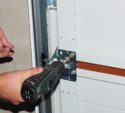
Not every energy efficiency improvement is a DIY project. Replacing seals and swapping light bulbs are straightforward. But installing a new commercial operator, adjusting spring tension for a different door weight, or wiring smart controls into your facility’s electrical system requires trained technicians who understand commercial door mechanics and local electrical codes.
Call for a commercial assessment if any of the following apply to your Parker facility:
- Your current operator is more than 10 years old and uses a single-speed AC motor
- Monthly energy bills have increased without a corresponding change in business operations
- Doors are slow to open or close, indicating the operator is straining under the load
- You have no remote monitoring, and doors are sometimes found open outside business hours
- Your insulated door panels show visible damage, dents, or broken sections that compromise the thermal barrier
- Douglas County or your insurance carrier has flagged your commercial door system during an inspection
A trained technician will measure your doors, evaluate your current operators, assess insulation and seal conditions, and recommend upgrades ranked by return on investment. The goal is to spend your budget where it makes the biggest difference in energy savings first.
Lower Your Facility Costs With Select Garage Doors in Parker
Select Garage Doors works with commercial property owners across Parker and the Denver metro area to upgrade outdated operators, improve insulation, and install smart monitoring systems that pay for themselves through reduced energy costs. Whether your facility runs a handful of service doors or a full dock with high-cycle rolling doors, the right combination of motor technology, insulation, and controls will lower your utility bills and extend the life of your entire door system.
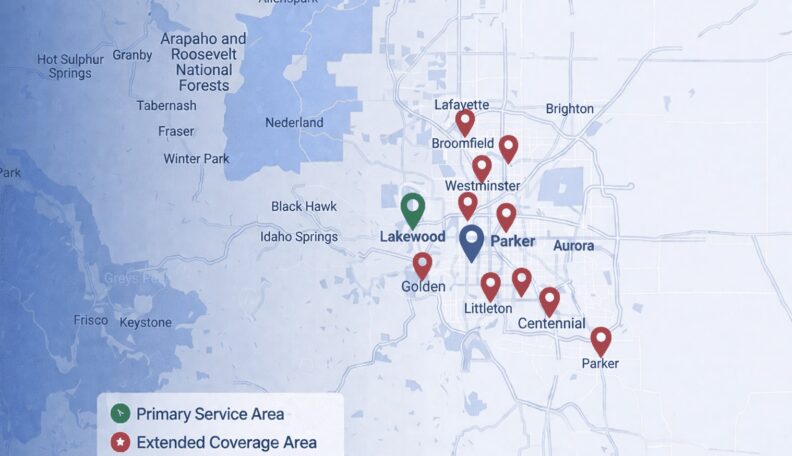
We serve Parker, Castle Rock, Greenwood Village, Lakewood, and the greater Denver metro area.
Call 720-339-2442 to schedule a commercial energy efficiency assessment for your Parker facility.
FAQ
What is the most energy-efficient type of commercial garage door operator?
Variable-speed DC motor operators are the most energy-efficient option for commercial use. They adjust power output throughout each cycle and include standby modes that minimize idle electricity draw between operations.
How much can insulated commercial garage doors save on energy bills in Parker, CO?
Insulated commercial doors with full perimeter sealing can reduce air infiltration by up to 94% compared to uninsulated doors. The exact savings depend on your facility size, HVAC system, and how often doors cycle, but Parker businesses with climate-controlled spaces typically see the largest impact on heating costs during winter months.
Do smart garage door controls really reduce energy costs for Denver metro businesses?
Yes. Smart controls with automatic closing timers and remote monitoring prevent doors from staying open unnecessarily. Facilities that previously had doors left open during breaks or after deliveries see immediate reductions in HVAC energy use once automatic schedules are in place.
Does Select Garage Doors install commercial operators in Parker, CO?
Select Garage Doors installs, maintains, and upgrades commercial garage door operators for businesses throughout Parker and the greater Denver metro area. Call 720-339-2442 to schedule a site assessment.
Are there rebates available for commercial garage door energy upgrades in Colorado?
Xcel Energy periodically offers rebate programs for commercial energy efficiency improvements, including motor upgrades and lighting retrofits. Check current Xcel Energy incentive listings before scheduling your upgrade to see if your project qualifies.
How often should commercial garage door weatherproofing be replaced?
Bottom seals and side jamb seals on commercial doors typically need replacement every 3 to 5 years depending on traffic volume. Facilities with forklift traffic over the threshold may need bottom seal replacement more frequently.



Service Area: 50+ Cities Across Metro Denver
Select Your Nearest Location
Hours: Mon-Fri 8am-5pm
Sunday Emergency Only
Avg Response Time: 18 minutes
Hours: Mon-Fri 8am-5pm
Sunday Emergency Only
Avg Response Time: 18 minutes
Hours: Mon-Fri 8am-5pm
Sunday Emergency Only
Avg Response Time: 18 minutes
Hours: Mon-Fri 8am-5pm
Sunday Emergency Only
Avg Response Time: 18 minutes
Hours: Mon-Fri 8am-5pm
Sunday Emergency Only
Avg Response Time: 18 minutes
Hours: Mon-Fri 8am-5pm
Sunday Emergency Only
Avg Response Time: 18 minutes
Hours: Mon-Fri 8am-5pm
Sunday Emergency Only
Avg Response Time: 18 minutes
Hours: Mon-Fri 8am-5pm
Sunday Emergency Only
Avg Response Time: 18 minutes
Hours: Mon-Fri 8am-5pm
Sunday Emergency Only
Avg Response Time: 18 minutes
Hours: Mon-Fri 8am-5pm
Sunday Emergency Only
Avg Response Time: 18 minutes
Hours: Mon-Fri 8am-5pm
Sunday Emergency Only
Avg Response Time: 18 minutes
Hours: Mon-Fri 8am-5pm
Sunday Emergency Only
Avg Response Time: 18 minutes
Hours: Mon-Fri 8am-5pm
Sunday Emergency Only
Avg Response Time: 18 minutes
Hours: Mon-Fri 8am-5pm
Sunday Emergency Only
Avg Response Time: 18 minutes
Hours: Mon-Fri 8am-5pm
Sunday Emergency Only
Avg Response Time: 18 minutes
We Service: Parker, Castle Rock, Greenwood Village, Lakewood, Littleton, Centennial, Highlands Ranch 40+ More Cities