


Garage Door Installation Precautions You Should Know in Parker
Key Takeaways
- Garage door installation involves components under high tension, including torsion springs and lift cables, that can cause serious injury if handled without proper training and tools.
- Before any installation begins, the work area should be cleared of obstructions, children, and pets, and the power to the opener circuit should be confirmed off.
- Reading the manufacturer’s installation manual before starting is one of the most practical steps a Parker, CO homeowner can take to avoid avoidable mistakes.
- Protective gear, including safety glasses and work gloves, should be worn throughout the installation process regardless of how straightforward the job appears.
- When there is any uncertainty about a step in the installation process, calling a professional is the right call. Spring and cable work should always go to a trained technician.
In This Article
- Why Garage Door Installation Safety Matters in Parker, CO
- The Risks That Make Installation Hazardous
- Pre-Installation Safety Checks to Run First
- Safety Precautions During the Installation
- When to Call a Professional Installer in Parker, CO
- What a Professional Garage Door Installation Covers
- Is Professional Installation the Right Call for Your Home?
- Frequently Asked Questions
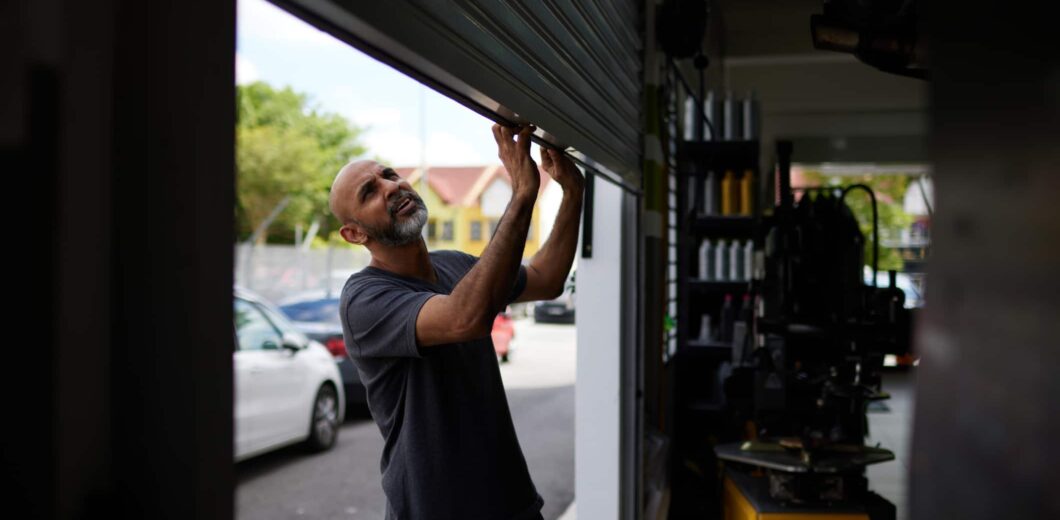
Garage door installation looks more manageable than it is. The panels, tracks, and opener hardware are straightforward enough, but the spring system at the center of it all operates under tension levels that can cause serious injury if something goes wrong during setup. Parker, CO homeowners who approach the process without understanding where the real risks are put themselves and their property at risk. Select Garage Doors installs and replaces garage doors throughout Parker and the South Metro area, and handles every installation with the safety protocols that the job actually calls for.
Whether you are planning a DIY installation or evaluating whether to hire a professional, this guide walks through the precautions that matter and explains why some parts of the job should not be attempted without the right training.
Questions? Call us at 720-339-2442.
Why Garage Door Installation Safety Matters in Parker, CO
A garage door is one of the heaviest and most mechanically complex moving systems in a home. For Parker, CO homeowners, understanding the safety demands of installation is not a formality. A door installed incorrectly can fail during operation, drop without warning, or place ongoing strain on components that eventually cause a larger failure down the road.
Most residential garage doors weigh between 130 and 200 pounds. That weight is counterbalanced by the spring system, which stores a large amount of mechanical energy in order to make the door feel light when lifted. That stored energy is present throughout the installation process, and it is one of the primary reasons professional installation exists as a category separate from general DIY home improvement.
The consequences of an installation error range from a door that does not operate correctly to one that comes down unexpectedly or traps a vehicle. Neither outcome is hypothetical. Both are the direct result of steps that were skipped or components that were not properly secured during setup. Taking the safety precautions below seriously is the most direct way to avoid both.
The Risks That Make Garage Door Installation Hazardous
The primary hazard in garage door installation is the torsion spring system. Torsion springs are wound under high tension during installation and must be handled with specific tools and in a specific sequence. An error during this step can cause the spring to release its stored energy suddenly, which is one of the more serious injury risks in residential installation work.
Spring tension: Torsion springs are mounted on a steel shaft above the door opening and wound to a specific tension based on the weight of the door. Working on them requires winding bars and a clear understanding of the winding sequence. Improvised tools or an incorrect number of turns can cause the spring to slip, break, or release unexpectedly.
Cable tension: Lift cables run from the bottom brackets at each corner of the door up to the cable drums above the door. They are connected to the spring system and are also under load throughout the installation. A cable that slips during setup can pull the door or hardware in an uncontrolled direction.
Door panel weight: The door panels themselves are heavy and awkward to position during assembly. Working without a second person to hold panels in place while hardware is attached increases the risk of a panel shifting or falling.
Electrical connections: The opener connects to the home’s electrical system. Working near live circuits without confirming the power is off creates a separate risk that is straightforward to eliminate before starting.
Pre-Installation Safety Checks to Run Before Starting
Running a short set of checks before beginning a garage door installation in Parker, CO takes less than thirty minutes and removes the most common sources of avoidable problems. These steps do not require specialized knowledge and apply whether you are installing the door yourself or preparing the space before a professional arrives.
Clear the work area: Remove vehicles, tools, and stored items from the garage floor and from the path of the door and hardware. The installation requires movement around the full perimeter of the opening, and a cluttered floor creates tripping hazards and limits the space available to work safely.
Check for obstructions above the opening: Look for pipes, conduit, light fixtures, or stored items in the ceiling area that could interfere with the track installation or with the opener’s travel path. Catching these before the hardware goes up is far easier than discovering a conflict mid-installation.
Confirm the power is off: Before touching any existing opener wiring or the circuit that will power the new opener, confirm at the breaker that the circuit is off. Use a non-contact voltage tester at the outlet or wiring point to verify before making any connections.
Read the full installation manual: Garage door manufacturers include installation instructions for a reason. Reading the full manual before starting, rather than referencing it step by step during the process, gives you a complete picture of the sequence and flags any steps that require special attention or tools you may not have on hand.
Remove pets and children from the area: The garage should be cleared of anyone who is not directly involved in the installation before work begins. Heavy panels, loose hardware, and tools on the floor create hazards for children and pets who may not recognize them as such.
Safety Precautions During the Garage Door Installation
Once the installation is underway, maintaining a consistent set of safety habits through each step keeps the risk of injury low. The precautions below apply at every stage of a Parker, CO garage door installation, from setting the first panel to connecting the opener and testing the finished door.
Wear protective gear throughout: Safety glasses protect against debris, metal shavings, and the occasional fastener that ricochets during installation. Work gloves protect the hands when handling panel edges, springs, and cables. Neither piece of gear is optional once the installation is in progress.
Use the right tools: Winding torsion springs requires dedicated winding bars sized to the spring cone. Using screwdrivers, pipes, or other substitutes in place of the correct tool is one of the most common causes of spring-related injuries during installation. If you do not have the right tools, that step should go to a professional.
Work with a second person for panel assembly: Holding door panels in position while attaching hinges and brackets is a two-person job. A panel that shifts while hardware is being attached can fall and cause injury. Do not attempt this portion of the installation alone.
Test the balance before connecting the opener: Once the panels and springs are in place, disconnect the opener and test the door manually. A properly balanced door should hold its position when released at waist height. If it drops or rises on its own, the spring tension needs adjustment before the opener is connected.
Test the auto-reverse before calling the job done: Once the opener is connected and the door is operating, test the auto-reverse function by placing a two-by-four flat on the floor in the door’s path and closing the door onto it. The door should reverse immediately on contact. If it does not, adjust the force settings before using the door normally.
When to Call a Professional Installer in Parker, CO
Some parts of a garage door installation in Parker, CO are within reach of an experienced DIYer. Others are not. The spring system, cable tensioning, and any work involving the structural framing around the opening are areas where calling a professional is the correct decision, not a sign of defeat.
The most direct indicator is the torsion spring. If the installation requires winding or adjusting a torsion spring and you do not have winding bars and a clear understanding of the process, stop at that step and call a technician. This is the portion of garage door work that causes the most injuries among homeowners attempting to handle it without the right tools or training.
A second indicator is the door frame itself. If the rough opening is out of square, if the framing shows rot or structural damage, or if the old door was attached in a way that has left the frame in poor condition, those issues need to be addressed before a new door goes in. A technician can assess the frame and recommend corrections. Installing a new door into a compromised opening creates problems that show up later in the form of alignment issues, binding, and premature hardware wear.
If at any point during the installation the steps in front of you are unclear or a component is not behaving the way the manual describes, stopping and calling for help is the right move. The cost of a service call is much lower than the cost of a repair caused by an installation error, and it is far lower than the cost of an injury.
What a Professional Garage Door Installation in Parker, CO Covers
A professional garage door installation by a trained technician covers every component of the system from the panels and springs to the opener, sensors, and final safety testing. For Parker, CO homeowners, hiring a professional removes the risk associated with the high-tension portions of the installation and produces a door that is set up correctly from the first cycle.
A complete professional installation typically includes removal and disposal of the old door if applicable, assembly and installation of the new door panels and hardware, spring installation and tensioning calibrated to the specific weight of the door, cable installation and drum alignment, track mounting and alignment, opener installation and programming, sensor installation and alignment testing, balance test and limit adjustment, and a full walkthrough of the opener controls, safety features, and maintenance recommendations.
The technician will also flag any issues with the rough opening or existing framing before the installation proceeds, so there are no surprises once the new door is in place. You can also read about common warning signs your garage door needs attention to know what to watch for after installation as the system settles into regular use.
Is Professional Installation the Right Call for Your Parker, CO Home?
For most Parker homeowners, the honest answer is yes. The panel and track assembly is manageable for someone with solid DIY experience and a helper. The spring and cable work is not. Those components require specific tools, a clear understanding of the tension involved, and the ability to recognize when something is not right before it becomes a problem.
The cost difference between a DIY installation and a professional one is real, but it needs to be weighed against the cost of a repair caused by an installation error, the cost of a replacement if the door is damaged during setup, and the cost in time and frustration of redoing steps that were not done correctly the first time. For most people running that comparison honestly, professional installation comes out ahead.
Select Garage Doors handles garage door installation and replacement for homes and businesses throughout Parker and the South Metro area. Schedule a visit and we will assess your opening, walk you through the options, and install the door correctly from the start.
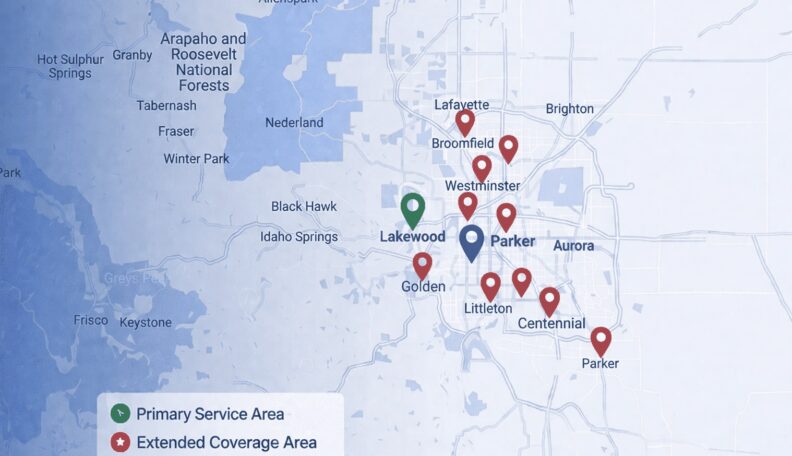
We serve Parker, Castle Rock, Greenwood Village, Lakewood, and the greater Denver metro area.
Frequently Asked Questions
Is it safe to install a garage door yourself in Parker, CO?
Some parts of a garage door installation are manageable for an experienced DIYer with the right tools and a helper. The panel and track assembly falls into that category for most people. The spring and cable system does not. Torsion springs operate under high tension and must be wound using specific tools in a specific sequence. Attempting that step without winding bars and a clear understanding of the process is one of the more common causes of injury during residential garage door installation. If you are not confident in that step, call a professional for at least that portion of the job.
What tools do I need for a garage door installation?
A standard installation requires winding bars sized for the spring cone, a drill and bits, wrenches and sockets, a level, locking pliers, and a stepladder. The winding bars are the most critical item and the one most often improvised with the wrong tool. Using a screwdriver or pipe in place of proper winding bars during spring installation is a serious safety risk. If you do not have winding bars, do not attempt the spring installation.
How long does professional garage door installation take in Parker, CO?
Most standard residential installations are completed in a single visit of two to four hours, depending on the door type, the condition of the existing framing, and whether an opener is being installed at the same time. Custom doors or installations that require framing corrections may take longer. A technician can give you a more specific estimate once they have assessed the opening and confirmed what the job involves.
What should I check after a new garage door is installed?
After installation, test the auto-reverse by placing a two-by-four flat on the floor under the door and closing it. The door should reverse immediately on contact. Confirm that both photo-eye sensors have steady indicator lights and that the beam path is clear. Test the door from the wall button and both remotes. Listen for any grinding, scraping, or uneven movement during the first several cycles, and check that the door sits level and seals fully when closed. If anything seems off, contact the installer before using the door regularly.
Why is torsion spring installation the most dangerous part of a garage door installation?
Torsion springs are mounted above the door opening and wound to a specific tension based on the weight of the door. That tension is substantial, and when a spring releases its stored energy unexpectedly, the force is enough to cause serious injury. The winding process requires proper winding bars, a correct turn count calibrated to the spring size and door weight, and the ability to recognize signs that the spring is not behaving correctly. It is not a step where improvisation is a reasonable approach, which is why it is the portion of the installation most often handled by a professional even when the rest of the job is DIY.
Does Select Garage Doors install commercial garage doors in Parker, CO?
Yes. Select Garage Doors installs and replaces commercial overhead doors, sectional commercial systems, and rolling steel doors throughout Parker and the surrounding South Metro area. Commercial installations have different requirements than residential work, including higher cycle ratings, heavier hardware, and in some cases motorized systems designed for continuous use. We assess the specific demands of each commercial opening and recommend the right door and hardware for the application.
How do I get started with a garage door installation in Parker, CO?
Call us at 720-339-2442 or use our online booking to schedule a visit. We will assess your opening, discuss door style and material options, and give you a clear picture of the installation process and cost before any work begins. Most Parker homeowners can get an appointment within a short turnaround, and the estimate visit comes with no obligation to proceed.



Looking for a deal?
Call us or to learn about our current promotions and seasonal offers.



Service Area: 50+ Cities Across Metro Denver
Select Your Nearest Location
Hours: Mon-Fri 8am-5pm
Sunday Emergency Only
Avg Response Time: 18 minutes
Hours: Mon-Fri 8am-5pm
Sunday Emergency Only
Avg Response Time: 18 minutes
Hours: Mon-Fri 8am-5pm
Sunday Emergency Only
Avg Response Time: 18 minutes
Hours: Mon-Fri 8am-5pm
Sunday Emergency Only
Avg Response Time: 18 minutes
Hours: Mon-Fri 8am-5pm
Sunday Emergency Only
Avg Response Time: 18 minutes
Hours: Mon-Fri 8am-5pm
Sunday Emergency Only
Avg Response Time: 18 minutes
Hours: Mon-Fri 8am-5pm
Sunday Emergency Only
Avg Response Time: 18 minutes
Hours: Mon-Fri 8am-5pm
Sunday Emergency Only
Avg Response Time: 18 minutes
Hours: Mon-Fri 8am-5pm
Sunday Emergency Only
Avg Response Time: 18 minutes
Hours: Mon-Fri 8am-5pm
Sunday Emergency Only
Avg Response Time: 18 minutes
Hours: Mon-Fri 8am-5pm
Sunday Emergency Only
Avg Response Time: 18 minutes
Hours: Mon-Fri 8am-5pm
Sunday Emergency Only
Avg Response Time: 18 minutes
Hours: Mon-Fri 8am-5pm
Sunday Emergency Only
Avg Response Time: 18 minutes
Hours: Mon-Fri 8am-5pm
Sunday Emergency Only
Avg Response Time: 18 minutes
Hours: Mon-Fri 8am-5pm
Sunday Emergency Only
Avg Response Time: 18 minutes
We Service: Parker, Castle Rock, Greenwood Village, Lakewood, Littleton, Centennial, Highlands Ranch 40+ More Cities