

Hidden Dangers of Ignoring Garage Door Repairs in Parker, CO
Key Takeaways
- Delaying garage door repairs in Parker, CO creates real risks most homeowners underestimate — including home security gaps, physical safety hazards, and repair costs that grow the longer you wait.
- Damaged springs, broken cables, and failed safety sensors are not just inconveniences. They are physical dangers for every member of your household.
- Parker’s freeze-thaw cycles put extra stress on garage door hardware each season, making proactive repairs more important here than in milder climates.
- A neglected garage door also affects your property’s curb appeal, HOA compliance, and energy costs in ways that quietly add up over time.
- Select Garage Doors serves Parker and the greater Denver metro area, helping homeowners resolve issues before they turn into expensive emergencies.
Ignoring garage door repairs in Parker, CO creates compounding risks that go well beyond the door itself. Security weakens, safety hazards develop, and repair costs climb the longer problems go unaddressed. Acting on early warning signs is almost always faster and far less expensive than dealing with the results of neglect.
Your garage door is more than just an entryway for your car; it’s vital to your home’s security, safety, and curb appeal. Yet, many homeowners underestimate the hidden dangers of neglecting garage door repairs in Parker, CO. This article will unveil the potential risks of ignoring essential maintenance and repairs:
1. Compromised Home Security
A malfunctioning garage door can be an open invitation to burglars. Neglecting repairs could compromise the security of your home and put your family’s safety at risk.
2. Safety Hazards
A garage door with damaged springs or faulty sensors can pose serious safety hazards. Ignoring these issues might lead to accidents or injuries, especially if you have children or pets.
3. Escalating Repair Costs
What might start as a minor issue can quickly escalate into a costly repair or replacement job if left unattended. Addressing problems promptly can save you money in the long run. If you look forward to fixing issues, search online for “garage door maintenance near me”.
4. Reduced Property Value
A neglected garage door can impact your home’s curb appeal and, consequently, its market value. Maintaining your garage door can help preserve your property’s attractiveness and worth.
Neglecting door repairs can severely affect your home’s security, safety, and property value. Don’t ignore the warning signs. Address issues promptly to ensure your garage door remains a reliable and secure part of your home.
If you want a company that charges a reasonable custom garage door cost in Parker, CO, contact our expert team at Select Garage Doors. We ensure the safety and security of your home while preserving its value. Call us at (720) 339-2442 today!
Frequently Asked Questions
What is the most dangerous thing about ignoring a broken garage door?
The biggest physical risk is a spring or cable failure, because both involve components under significant stored mechanical tension. When a torsion spring breaks or a cable snaps, the energy releases suddenly and can damage vehicles, walls, or anyone in the vicinity. Safety sensor failures rank closely behind, because a sensor that does not trigger means the door can close on people or pets without stopping or reversing. For Parker homeowners, these physical safety risks are the most pressing reason not to delay repairs on any component showing signs of wear or damage. Security follows as a close second concern: a door that does not close or lock properly is a direct vulnerability in homes where the garage connects directly to living spaces. Both risk categories increase the longer an issue goes unaddressed, and both are far simpler to resolve before a failure than after.
How long can I reasonably wait before repairing a garage door issue?
The answer depends on what the specific issue is. A hinge that needs lubrication is low urgency. A door that will not close fully, a spring that sounds strained under operation, or a safety sensor that is not triggering reliably all warrant attention within days rather than weeks. As a general rule for Parker homeowners, anything affecting the door’s ability to close and lock, any visible sign of spring or cable wear, and any sensor irregularity should be scheduled promptly. Waiting almost always leads to additional components failing and a higher overall repair bill. Parker’s climate adds to this: a marginal problem going into October often becomes a clear failure by January, when freeze-thaw cycles and cold stress push worn hardware past its limit. Acting before that window closes is consistently the better outcome.
Can a malfunctioning garage door actually make my home easier to break into?
Yes, in several ways that are easy to overlook. A door that does not close fully leaves a physical gap that can be exploited, particularly on sides of the home not visible from the street or adjacent neighbors. Older opener systems using fixed codes are more susceptible to signal interference than modern encrypted models, and a malfunctioning opener may be more vulnerable to cloning from a vehicle parked in the driveway. Once inside the garage, an intruder has direct access to the interior door connecting to the home, which is typically hollow-core and less reinforced than a front entry. Parker homes with attached garages face compounded exposure from this layout. Keeping the garage door in full working order, including the locking mechanism and the opener system, is one of the more straightforward security measures available to homeowners in the area.
How does Parker’s climate specifically affect garage door hardware?
Temperature swings across the Parker area put cyclic stress on metal components throughout the year. Springs, tracks, and rollers contract when temperatures drop and expand when they rise, and this repeated cycle creates fatigue in components that are already near the end of their service life. Lubricants thin in cold weather, leaving moving parts with less protection against friction and wear than during warmer months. Ice buildup along the bottom seal can freeze the door to the ground or damage weatherstripping that was already worn. Parker’s elevation above 5,700 feet means that sharp overnight temperature drops can occur even in early fall, so hardware wear does not slow down until the components fail or are serviced. Scheduling a maintenance visit in September or October, before temperatures fall sharply, is the most practical way Parker homeowners can reduce weather-related garage door failures during winter.
Will ignoring a small garage door issue affect my energy bills in Parker?
It can, particularly for homes with attached garages. A door that does not seal along the bottom and sides allows outside air into the garage, which directly affects the temperature in adjacent rooms and any living space above the garage. When the door’s insulation is compromised by damaged panels, poor alignment, or worn seals, the home’s heating and cooling system runs longer cycles to compensate, which shows up in monthly utility costs throughout the year. Worn weatherstripping is one of the most consistently overlooked sources of energy loss in a home’s thermal boundary. For Parker homeowners, the heating cost impact is most noticeable in winter when outdoor temperatures drop sharply and the garage becomes a conduit for cold air entering the home. Replacing seals and correcting door alignment are low-cost repairs that pay back in reduced energy costs for the remainder of the season and beyond.


Looking for a deal?
Call us or to learn about our current promotions and seasonal offers.


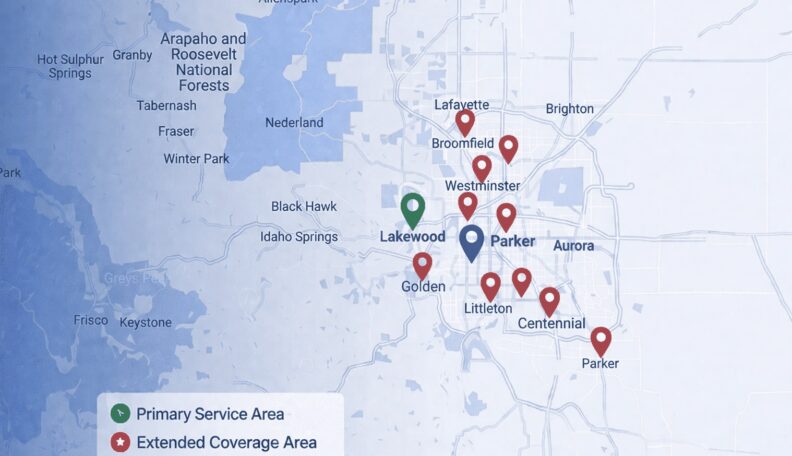
Service Area: 50+ Cities Across Metro Denver
Select Your Nearest Location
Hours: Mon-Fri 8am-5pm
Sunday Emergency Only
Avg Response Time: 18 minutes
Hours: Mon-Fri 8am-5pm
Sunday Emergency Only
Avg Response Time: 18 minutes
Hours: Mon-Fri 8am-5pm
Sunday Emergency Only
Avg Response Time: 18 minutes
Hours: Mon-Fri 8am-5pm
Sunday Emergency Only
Avg Response Time: 18 minutes
Hours: Mon-Fri 8am-5pm
Sunday Emergency Only
Avg Response Time: 18 minutes
Hours: Mon-Fri 8am-5pm
Sunday Emergency Only
Avg Response Time: 18 minutes
Hours: Mon-Fri 8am-5pm
Sunday Emergency Only
Avg Response Time: 18 minutes
Hours: Mon-Fri 8am-5pm
Sunday Emergency Only
Avg Response Time: 18 minutes
Hours: Mon-Fri 8am-5pm
Sunday Emergency Only
Avg Response Time: 18 minutes
Hours: Mon-Fri 8am-5pm
Sunday Emergency Only
Avg Response Time: 18 minutes
Hours: Mon-Fri 8am-5pm
Sunday Emergency Only
Avg Response Time: 18 minutes
Hours: Mon-Fri 8am-5pm
Sunday Emergency Only
Avg Response Time: 18 minutes
Hours: Mon-Fri 8am-5pm
Sunday Emergency Only
Avg Response Time: 18 minutes
Hours: Mon-Fri 8am-5pm
Sunday Emergency Only
Avg Response Time: 18 minutes
We Service: Parker, Castle Rock, Greenwood Village, Lakewood, Littleton, Centennial, Highlands Ranch 40+ More Cities