


Easy Maintenance Tips for Your Garage Door
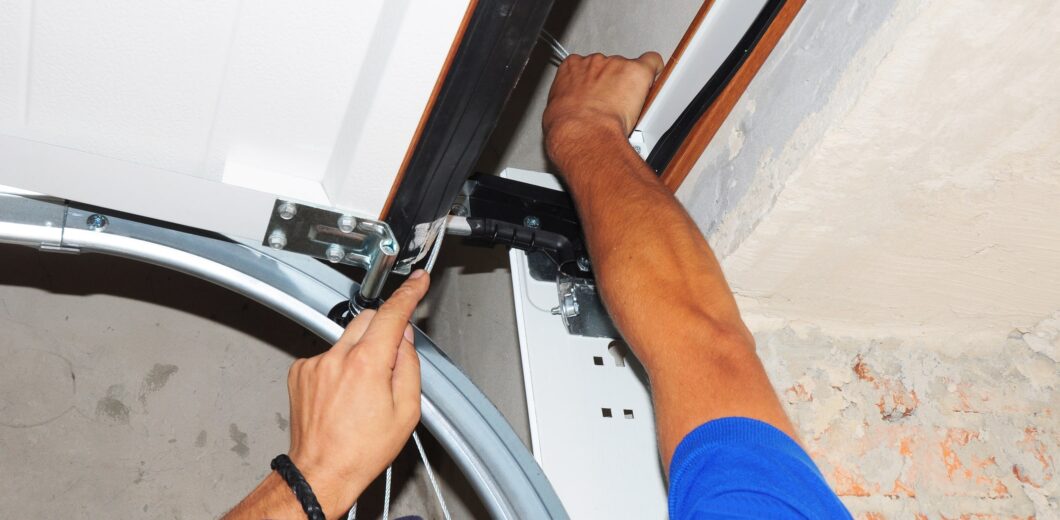
Parker, CO homeowners can keep their garage doors functioning smoothly by performing a handful of simple maintenance steps on a regular schedule. Lubrication, hardware checks, balance testing, track cleaning, weatherstrip inspection, and safety sensor verification are all tasks you can handle without calling for service. Select Garage Doors recommends performing these checks at least twice a year, with additional attention before and after Colorado’s harshest weather months.
Your garage door is the largest moving part of your home, and in Parker, CO, it works harder than you might think. Between freezing winter mornings when metal contracts and hot summer afternoons when components expand, your door cycles through thousands of open-close movements each year under conditions that accelerate wear. The good news is that a few straightforward maintenance steps, done on a consistent schedule, can prevent most of the common problems Parker homeowners run into. Select Garage Doors has seen firsthand how a little preventive care saves homeowners from costly emergency repairs down the road.
Parker sits at roughly 5,900 feet of elevation along Colorado’s Front Range. That means thinner air, more intense UV exposure, and wider temperature swings than most of the country. These conditions affect every part of your garage door system, from the springs and rollers to the weatherstripping and opener. The maintenance steps below are tailored to what actually matters for homes in this area, not generic advice recycled from a national checklist.
Simple Garage Door Maintenance Steps for Parker Homeowners
How Often Should You Lubricate Your Garage Door in Colorado?
Parker homeowners should lubricate their garage door’s moving parts at least twice a year, ideally in early spring and late fall, to counteract the effects of Colorado’s dry climate and wide temperature swings on metal components. Use a silicone-based or lithium-based garage door lubricant rather than WD-40, which is a solvent and not a true lubricant.
Focus on the hinges, rollers (if they are metal, not nylon), springs, and the bearing plates at the top of the door. A light spray on each hinge pivot point and along the spring coils is enough. Avoid spraying the tracks themselves. Tracks should stay clean and dry so the rollers can glide without slipping. If you hear squeaking or grinding when the door moves, lubrication is overdue.
Colorado’s low humidity means lubricant dries out faster here than in more humid climates. If your garage is not climate-controlled, or if you cycle your door more than four times a day, consider a third application in midsummer. The difference in how your door sounds and feels after a fresh application is immediate. Smooth, quiet operation means reduced strain on the opener motor and longer component life overall.
If your garage door opener in Parker is straining to lift the door, poor lubrication is one of the first things to rule out before assuming the opener itself needs repair.
What Is the Right Way to Test Your Garage Door Balance?
A properly balanced garage door should stay in place when you lift it manually to the halfway point and let go. If the door slides up or crashes down, the spring tension is off, and that imbalance puts unnecessary stress on the opener, cables, and brackets every time the door cycles.
To test this yourself, start with the door fully closed. Pull the emergency release handle (the red cord hanging from the opener rail) to disconnect the opener. Then lift the door by hand to about waist height and let go. A balanced door will hover in place with only minor drift. If it drops, the springs lack tension. If it flies upward, there is too much tension.
Do not attempt to adjust spring tension yourself. Garage door springs, both torsion and extension types, are under extreme force. A miscalculated adjustment can cause serious injury. The balance test is a diagnostic tool for you. The fix is a job for a trained technician. In Parker, temperature drops during winter months can temporarily change spring behavior because cold metal loses some elasticity. If your door feels heavy on a 10-degree morning but balances fine in the afternoon, that is normal. Consistent imbalance across different temperatures signals a spring that needs attention.
How Do You Inspect and Clean Garage Door Tracks?
Wipe down both vertical tracks with a damp cloth every two to three months and visually inspect them for dents, bends, or buildup. In Parker, dust from nearby construction and seasonal pollen can accumulate in the tracks and interfere with smooth roller movement, especially during spring and summer.
Start by looking at the tracks from the inside of the garage with the door closed. The tracks should be straight and parallel, with no visible bends or gaps where they connect to the wall brackets. Run your hand along the inside surface to feel for grit, dried mud, or small debris. A stiff-bristled brush works well for loosening anything caked on, followed by a wipe with a cloth dampened with household cleaner.
Do not use lubricant on the tracks. This is a common mistake. Greasy tracks cause rollers to slide instead of rolling, which leads to uneven wear and can pull the door off-track entirely. If your door has been making a popping or clicking sound during travel, check the tracks first. Small rocks or hardened dirt in the track channel are a frequent cause in homes that back up to open space or unpaved areas, which is common across Parker’s newer subdivisions and communities along the eastern edge of town.
Why Should You Tighten Garage Door Hardware Regularly?
Every bolt, bracket, and hinge on your garage door absorbs vibration each time the door opens and closes. Over the course of a year, that repeated movement loosens fasteners, and in Parker’s climate, the constant expansion and contraction of metal from temperature swings accelerates the process.
Grab a socket wrench and work your way through the visible hardware: roller brackets, track brackets mounted to the wall, and the hinge bolts on each door panel. You are not looking to crank everything down with maximum force. A firm snug is the goal. Over-tightening can strip the bolt holes in the door panels, which creates a bigger problem than a slightly loose bolt.
Pay special attention to the brackets that anchor the track to the garage ceiling and walls. These carry significant load and tend to loosen first. If you notice a bracket that has pulled away from the wall or that the lag bolts feel loose in the framing, that is worth addressing right away. Loose mounting hardware lets the track shift under load, which causes the door to bind, jump, or operate unevenly. This simple five-minute check twice a year prevents some of the most common garage door repair calls in Parker.
How Do You Check Weatherstripping and Seals for Colorado Weather?
Inspect the rubber weatherstripping along the bottom of your garage door and the seals around the door frame at least twice a year. In Parker, UV exposure at elevation degrades rubber faster than at lower altitudes, and cracked or compressed seals let cold air, moisture, dust, and even pests into your garage.
Close the door fully and look at the bottom seal from inside the garage. It should press firmly and evenly against the garage floor with no visible gaps, cracks, or sections that have gone flat. Then check the side and top seals (the strips along the door frame). These are often overlooked, but they are just as important for keeping out drafts and moisture, particularly during Parker’s windy spring months when dust storms roll through.
Replacing a bottom seal is a straightforward homeowner task on most residential doors. The seal slides into a retainer channel along the bottom panel. Measure the width of the channel before purchasing a replacement, because retainer profiles vary by manufacturer. Side and top seals typically attach with adhesive or screws and are equally simple to swap. If you notice frost forming on the inside of your garage door panels during January or February, deteriorated seals are often the cause. Addressing them before winter arrives keeps your garage warmer and reduces strain on any attached living spaces that share a wall with the garage.
How Do You Test Safety Sensors and the Auto-Reverse Feature?
Federal law requires every garage door opener manufactured after 1993 to include an auto-reverse mechanism and photoelectric sensors. Testing these takes less than a minute and should be part of your regular maintenance routine, especially in homes with children or pets.
First, test the photoelectric sensors. These are the small units mounted near floor level on each side of the door opening. Place an object like a box or a broom in the door’s path and press the close button. The door should reverse immediately or refuse to close. If the door closes on the object, the sensors may be misaligned, dirty, or malfunctioning. Clean the sensor lenses with a soft cloth and check that both indicator lights are solid (not blinking). If cleaning does not fix the issue, the sensors may need realignment or replacement.
Second, test the mechanical auto-reverse. With the door open, place a flat 2×4 board on the ground in the center of the door’s path. Close the door. When it contacts the board, it should reverse within two seconds. If it does not, the opener’s force settings need adjustment. Your opener manual will show how to adjust the close-force limit. If your garage door opener needs repair in Parker, a sensor or auto-reverse failure is one situation where you should not delay getting it resolved.
When to Call a Garage Door Professional in Parker
The maintenance steps above are well within what most homeowners can handle safely. But certain issues cross the line from routine upkeep into work that requires proper training and equipment. Know where that line is.
Call for service if you notice any of the following:
- The door fails the balance test consistently, regardless of temperature. This means the springs need adjustment or replacement, and springs are under lethal tension.
- You hear a loud bang from the garage followed by the door refusing to open. This usually indicates a broken garage door spring, which requires immediate professional replacement.
- The door is visibly off-track or one side hangs lower than the other.
- Cables appear frayed, kinked, or loose.
- The opener runs but the door does not move, or it reverses for no apparent reason after sensor cleaning.
- Panels are cracked, split, or bowing inward. Damaged panels compromise the door’s structural integrity.
Annual professional garage door maintenance in Parker is still recommended even if you stay on top of every DIY step. A trained technician checks spring tension with calibrated tools, inspects cables for internal wear that is not visible from the outside, and adjusts opener force settings with precision. Think of your own maintenance as the routine that prevents problems between professional visits.
Keep Your Garage Door Running Smoothly in Parker, CO
Consistent maintenance is the single most effective way to extend the life of your garage door and avoid unexpected breakdowns. The steps outlined above take less than 30 minutes to complete and can save you hundreds of dollars in avoidable repairs. Parker homeowners who stay on a twice-yearly schedule, with extra attention before winter and after the spring thaw, consistently get more years and better performance out of their doors.
Select Garage Doors serves homeowners across Parker and the greater Denver metro area with honest, straightforward garage door service. Whether you need a full tune-up, a spring replacement, or just want a second opinion on something that does not look right, call 720-339-2442 to schedule an appointment.
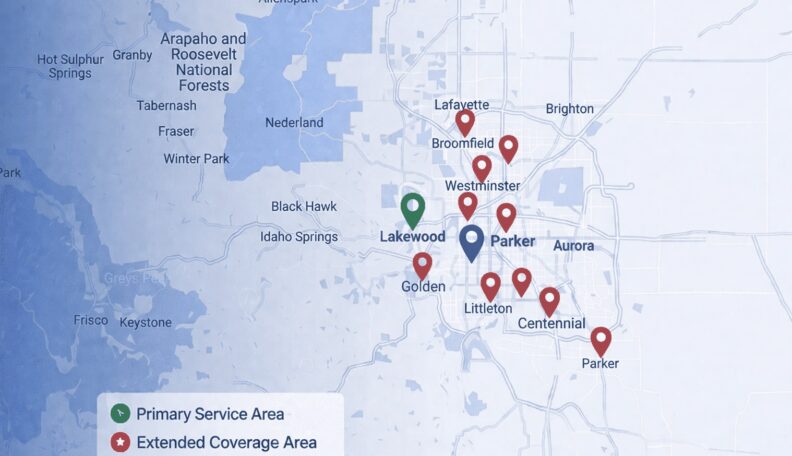
We serve Parker, Castle Rock, Greenwood Village, Lakewood, and the greater Denver metro area.
Frequently Asked Questions
How often should Parker homeowners perform garage door maintenance?
At least twice a year. Schedule once in early spring and once in late fall to address wear from Colorado’s winter cold and summer heat. Homes that cycle the door more than four times daily may benefit from a third check in midsummer.
Can I use WD-40 on my garage door?
No. WD-40 is a solvent and degreaser, not a lubricant. It strips existing lubrication and dries out quickly. Use a silicone-based or white lithium garage door lubricant instead.
Why does my garage door feel heavier in cold weather?
Cold temperatures cause metal springs to lose elasticity, which reduces the lifting force they provide. Thickened lubricant also adds resistance. If the door feels heavy only on cold mornings but operates normally once temperatures rise, this is typical for Parker’s climate. Consistent heaviness across all temperatures signals a spring issue.
Should I lubricate the garage door tracks?
No. Tracks should stay clean and dry. Lubricant on the tracks causes rollers to slide rather than roll, which leads to uneven wear and can pull the door off-track.
Is it safe to adjust garage door springs myself?
No. Garage door springs are under extreme tension and can cause serious injury if handled incorrectly. You can safely test the door’s balance yourself, but spring adjustment or replacement should always be handled by a trained technician.


Looking for a deal?
Call us or to learn about our current promotions and seasonal offers.


Service Area: 50+ Cities Across Metro Denver
Select Your Nearest Location
Hours: Mon-Fri 8am-5pm
Sunday Emergency Only
Avg Response Time: 18 minutes
Hours: Mon-Fri 8am-5pm
Sunday Emergency Only
Avg Response Time: 18 minutes
Hours: Mon-Fri 8am-5pm
Sunday Emergency Only
Avg Response Time: 18 minutes
Hours: Mon-Fri 8am-5pm
Sunday Emergency Only
Avg Response Time: 18 minutes
Hours: Mon-Fri 8am-5pm
Sunday Emergency Only
Avg Response Time: 18 minutes
Hours: Mon-Fri 8am-5pm
Sunday Emergency Only
Avg Response Time: 18 minutes
Hours: Mon-Fri 8am-5pm
Sunday Emergency Only
Avg Response Time: 18 minutes
Hours: Mon-Fri 8am-5pm
Sunday Emergency Only
Avg Response Time: 18 minutes
Hours: Mon-Fri 8am-5pm
Sunday Emergency Only
Avg Response Time: 18 minutes
Hours: Mon-Fri 8am-5pm
Sunday Emergency Only
Avg Response Time: 18 minutes
Hours: Mon-Fri 8am-5pm
Sunday Emergency Only
Avg Response Time: 18 minutes
Hours: Mon-Fri 8am-5pm
Sunday Emergency Only
Avg Response Time: 18 minutes
Hours: Mon-Fri 8am-5pm
Sunday Emergency Only
Avg Response Time: 18 minutes
Hours: Mon-Fri 8am-5pm
Sunday Emergency Only
Avg Response Time: 18 minutes
Hours: Mon-Fri 8am-5pm
Sunday Emergency Only
Avg Response Time: 18 minutes
We Service: Parker, Castle Rock, Greenwood Village, Lakewood, Littleton, Centennial, Highlands Ranch 40+ More Cities