

When Should You Lubricate a Garage Door in Lakewood’s Climate?
Lubricate a garage door when the seasons change and any time it starts sounding louder than usual, using a garage-door-rated product on the moving metal parts. In Lakewood’s dry climate, the changeover from summer to fall is one of the smartest times to do it.
Key Takeaways
- Season changes are the natural reminder to lubricate, especially heading into colder months.
- Rollers, hinges, and springs benefit from lubrication, while tracks should stay clean and dry.
- Colorado’s dry air and temperature swings work lubricant harder than milder climates do.
- Noise that returns quickly after lubrication points to wear that needs Select Garage Doors’ trained eyes.
A garage door is the biggest moving thing in most Lakewood homes, and like anything mechanical, it runs on smooth contact points. Select Garage Doors, veteran-owned with more than 1,900 five-star reviews, treats lubrication as the single most underrated maintenance habit. Here is when to do it, what actually needs it, and when the squeak is telling you something bigger.
Why Does Lubrication Matter So Much for Garage Doors?
Every cycle of the door rolls metal against metal. Lubrication keeps that contact smooth, quiet, and low-friction, which protects the opener and every moving part from working overtime.
A dry door does not just squeak. It drags, and the opener compensates by straining. Rollers grind in the tracks, hinges stiffen at every fold, and the whole system ages faster than it should. A few minutes of care keeps the wear even and the sound down.
Homeowners who want the routine handled professionally can find the Select Garage Doors Lakewood location on Google Maps, where lubrication comes standard with every maintenance visit.
When Is the Right Time to Lubricate a Garage Door in Lakewood?
At the turn of the seasons, and any time the door gets noticeably louder. Early fall is prime time, since summer heat dries out lubricant right before cold weather thickens what is left.
Summer is hard on a garage door in ways that show up later. Months of heat and dry air bake the old lubricant into a thin, gummy film, a pattern covered in how peak summer season stresses a garage door. When the first cold nights arrive, that leftover film stiffens, and the door suddenly sounds like it aged years in a week.
Lubricating between seasons resets the system before the weather makes demands on it. There is no need to overthink an exact schedule; the calendar’s season changes and your own ears are the two best reminders.
Which Parts Need Attention and Which Should Stay Dry?
Hinges, roller bearings, and the spring surface benefit from a light coat of garage-door-rated lubricant. Tracks should be wiped clean and left dry, since grease in the tracks collects grit and makes things worse.
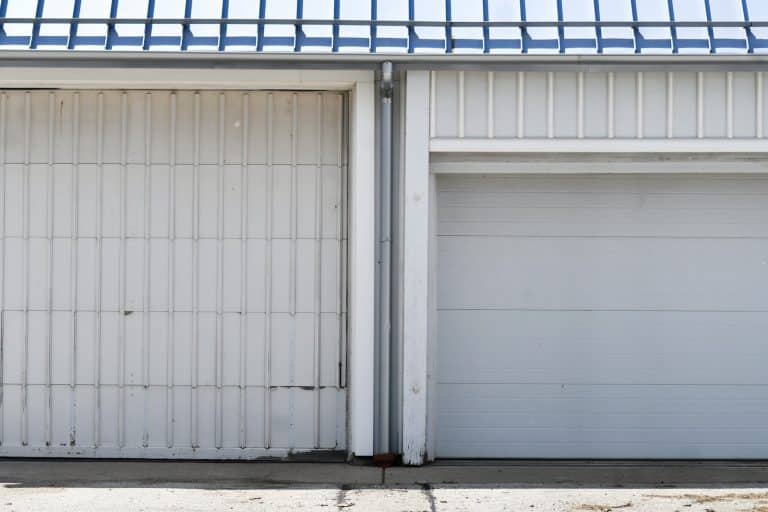
This is where most DIY lubrication goes sideways. A general-purpose spray can degrease the parts that needed grease, and coating the tracks turns them into a magnet for dust and leaves. Less is more: a light, even application on the moving joints, and a clean rag for everything else.
Springs deserve a special note. A light surface coat is fine, but any adjustment, tightening, or repair of springs belongs to a professional, no exceptions. If the door needs more than a maintenance touch, schedule a service request and let a technician handle the tensioned parts safely.
How Does Colorado’s Dry Air Change the Lubrication Routine?
Dry air evaporates the light carriers in lubricants faster, and big temperature swings push parts through constant expansion and contraction, so lubricant simply does not last as long here.
| Colorado Condition | What It Does to Lubricant | Smart Response |
|---|---|---|
| Dry air | Dries coatings into a sticky film | Refresh at season changes, not just when loud |
| Hot summers | Thins lubricant so it migrates off parts | Re-coat once the heat breaks in early fall |
| Cold snaps | Thickens old product into drag | Go into winter with a fresh, light coat |
| Dust and grit | Mixes into grease and grinds parts | Keep tracks clean and dry, lubricate joints only |
None of this makes Lakewood doors fragile. It just means the maintenance rhythm that works in a humid state runs a little short here, and the door will tell you with sound when it is due.
What Are the Signs a Garage Door Needs More Than Lubrication?
If noise returns within days, the door feels heavy, or movement stays jerky after a fresh coat, the problem is wear, not dryness, and a professional inspection is the next step.
Lubrication quiets friction, but it cannot fix a worn roller, a frayed cable, or a spring losing strength. A door that stays loud after care is naming its real problem. Catching that early usually means a smaller repair and a longer life for the whole system.
Select Garage Doors is licensed and insured, BBB A+ rated, and serves homeowners throughout Lakewood, CO with a 5-year parts warranty, upfront pricing, and same-day completion on about 90% of calls.
Frequently Asked Questions
How often should a garage door be lubricated in Colorado?
Use the season changes as your rhythm, with early fall as the priority, and add a refresh any time the door gets louder between seasons.
What kind of lubricant works on garage doors?
A product made for garage doors. General-purpose penetrating sprays can strip grease where it belongs, so check the label before spraying.
Should garage door tracks be greased?
No. Tracks work best clean and dry. Grease in the tracks collects grit that grinds against the rollers with every cycle.
Can I lubricate the springs myself?
A light surface coat from a safe distance is fine. Never adjust, tighten, or unwind springs yourself; they are under heavy tension and belong to professionals.
Why is my garage door still noisy after lubricating?
Persistent noise means a part is worn rather than dry. Rollers, bearings, and springs all get louder as they age, and an inspection finds the culprit.
Does fall weather really affect garage door lubricant?
Yes. Cooler nights thicken whatever summer left behind, which adds drag. A fresh coat before winter keeps movement smooth.
Is lubrication included in professional maintenance?
Yes. Select Garage Doors includes lubrication of the moving parts in maintenance visits, along with a balance check, safety tests, and a seal review.
Can too much lubricant cause problems?
It can. Heavy coats drip, collect dust, and stain the driveway. A light, even application on the joints does the job.

Looking for a deal?
Call us or to learn about our current promotions and seasonal offers.


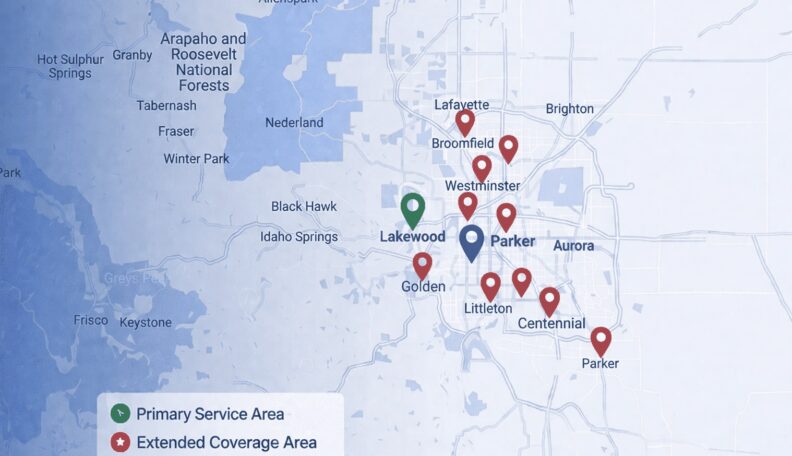
Service Area: 50+ Cities Across Metro Denver
Select Your Nearest Location
Hours: Mon-Fri 8am-5pm
Sunday Emergency Only
Avg Response Time: 18 minutes
Hours: Mon-Fri 8am-5pm
Sunday Emergency Only
Avg Response Time: 18 minutes
Hours: Mon-Fri 8am-5pm
Sunday Emergency Only
Avg Response Time: 18 minutes
Hours: Mon-Fri 8am-5pm
Sunday Emergency Only
Avg Response Time: 18 minutes
Hours: Mon-Fri 8am-5pm
Sunday Emergency Only
Avg Response Time: 18 minutes
Hours: Mon-Fri 8am-5pm
Sunday Emergency Only
Avg Response Time: 18 minutes
Hours: Mon-Fri 8am-5pm
Sunday Emergency Only
Avg Response Time: 18 minutes
Hours: Mon-Fri 8am-5pm
Sunday Emergency Only
Avg Response Time: 18 minutes
Hours: Mon-Fri 8am-5pm
Sunday Emergency Only
Avg Response Time: 18 minutes
Hours: Mon-Fri 8am-5pm
Sunday Emergency Only
Avg Response Time: 18 minutes
Hours: Mon-Fri 8am-5pm
Sunday Emergency Only
Avg Response Time: 18 minutes
Hours: Mon-Fri 8am-5pm
Sunday Emergency Only
Avg Response Time: 18 minutes
Hours: Mon-Fri 8am-5pm
Sunday Emergency Only
Avg Response Time: 18 minutes
Hours: Mon-Fri 8am-5pm
Sunday Emergency Only
Avg Response Time: 18 minutes
Hours: Mon-Fri 8am-5pm
Sunday Emergency Only
Avg Response Time: 18 minutes
We Service: Parker, Castle Rock, Greenwood Village, Lakewood, Littleton, Centennial, Highlands Ranch 40+ More Cities