


- Home > Service Areas > Parker, CO > Foundation Settling Affect Garage Doors






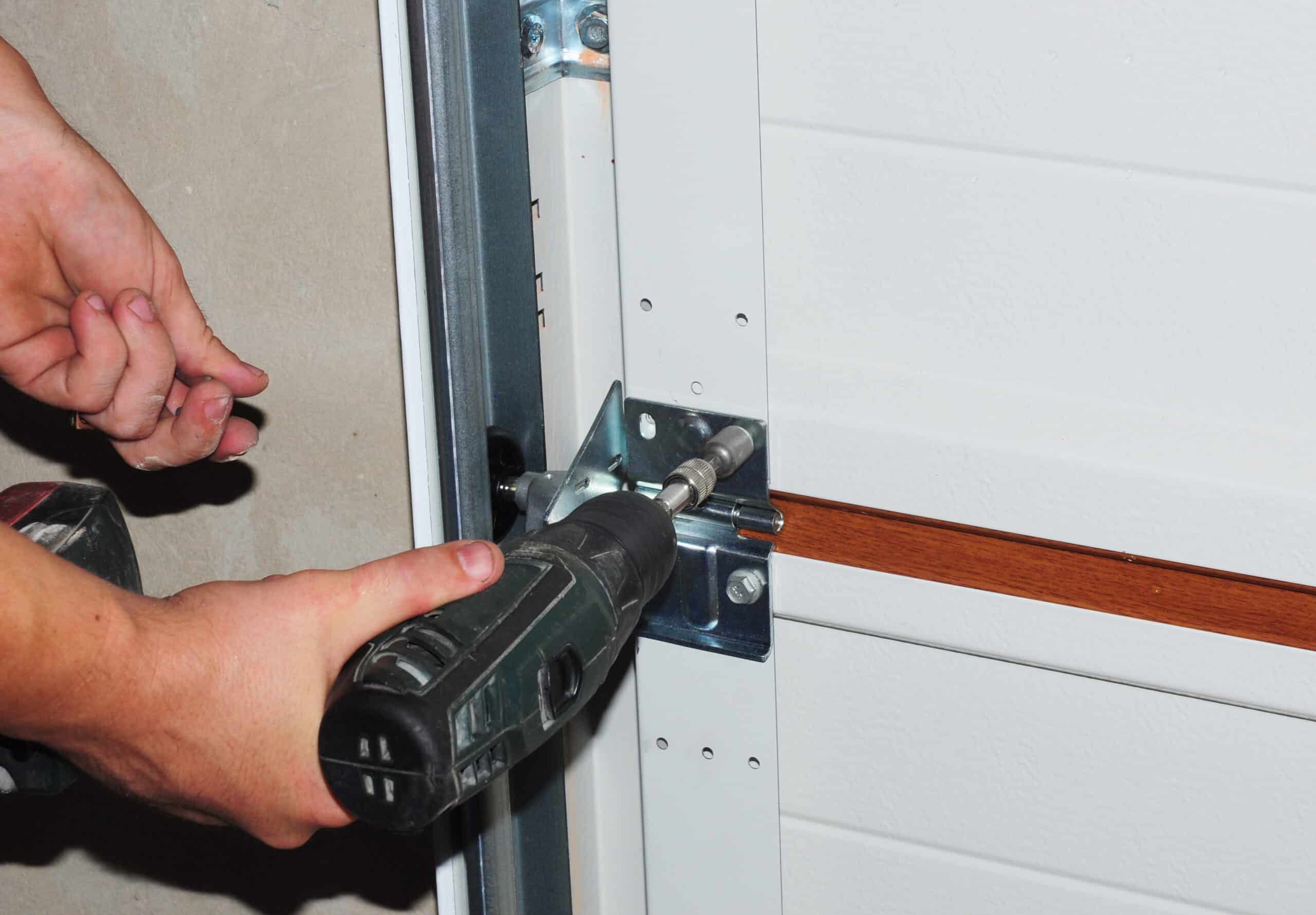
Foundation settling in Parker shifts the garage floor and frame, pulling tracks out of alignment, changing the door-to-floor seal contact, and creating binding points that strain the opener and accelerate component wear. Parker’s expansive clay soils (bentonite) make foundation movement more common and more severe than in areas with stable soil conditions.
Key Takeaways
- Parker sits on expansive clay soils that swell and shrink with moisture changes
- A quarter-inch of floor shift is enough to misalign tracks and affect door operation
- Doors that stick, bind, or operate unevenly often have foundation-related causes
- Annual track alignment checks catch settling damage before it compounds
- Shimming tracks and adjusting hardware costs $100 to $300 and compensates for minor settling
Most Parker homeowners think about foundation settling as a structural issue for the house itself. But the garage is often the first part of the home to show settling symptoms because the garage floor is a thin concrete slab, not a full foundation, and the garage door is the largest opening in the structure. Even small shifts become visible in how the door operates. Select Garage Doors evaluates and corrects settling-related garage door problems across the Parker area.
Why Is Foundation Settling So Common in Parker?
Parker sits on expansive clay soils, primarily bentonite, that absorb water and swell by 20 to 30 percent, then shrink back when they dry. This seasonal cycle pushes and pulls the garage slab and foundation walls by fractions of an inch each year, accumulating over time.
The cycle follows Colorado moisture patterns. Spring snowmelt and summer thunderstorms saturate the clay, causing it to expand and push upward. Late summer drought and winter dry spells cause it to contract and settle. The garage slab moves with the soil because it is typically a 4-inch pour without the deep footings that support the main structure.
Parker, CO‘s development history adds to the problem. Many neighborhoods were built on graded clay that was not fully compacted before the slab was poured. Over 10 to 20 years, this fill material settles independently of the surrounding native soil, creating uneven movement under the garage floor.
What Garage Door Problems Does Foundation Settling Cause?
 Settling causes track misalignment, uneven door-to-floor gaps, binding at specific points in the travel path, increased opener strain, accelerated roller and hinge wear, and visible daylight gaps under one side of the closed door.
Common settling symptoms:
- Door sticks or binds at the same point during every cycle
- Visible gap under one side of the closed door but not the other
- Door appears crooked or tilted when fully closed
- Opener strains harder than it used to, especially in one direction
- Rollers wear unevenly, with one side showing more damage than the other
- Track brackets pull away from the wall or frame on one side
These symptoms often develop gradually over months or years. Homeowners adapt to the changes without realizing the cause. By the time the door binds severely or the opener fails from the strain, the settling has progressed far enough to require more extensive correction.
If your Parker garage door shows any settling symptoms, schedule a service today before the misalignment causes secondary damage to tracks, rollers, or the opener.
How Do Professionals Fix Settling-Related Garage Door Problems?
Professionals correct settling damage by shimming tracks back to plumb, adjusting track brackets, re-leveling the horizontal tracks, replacing the bottom seal to match the new floor profile, and recalibrating the opener force and travel settings.
Correction methods by severity:
- Minor settling (under 1/4 inch): Shim tracks, tighten brackets, adjust opener ($100-200)
- Moderate settling (1/4 to 1/2 inch): Re-mount tracks, replace bottom seal, recalibrate ($200-400)
- Severe settling (over 1/2 inch): May require new tracks, frame modification, or slab repair ($500-1,500+)
Track shimming is the most common fix. The technician adds thin metal shims behind the track brackets to bring the tracks back to plumb even though the wall has shifted. This is a durable solution that accommodates ongoing minor settling because the shims can be adjusted at future service visits.
Settling corrections involve working around spring tension and heavy door components. Attempting to re-mount tracks without proper support is dangerous. For more on why garage door structural work should be left to professionals, read about the dangers of DIY garage door spring repair.
Can Parker Homeowners Prevent Foundation Settling Damage to Garage Doors?
Homeowners cannot prevent soil movement, but they can manage moisture around the foundation, maintain consistent grading, and schedule annual track alignment checks that catch settling effects before they compound into expensive repairs.
Prevention and mitigation steps:
- Keep gutters and downspouts directing water away from the garage foundation
- Maintain 6 inches of positive grade (slope away) from the garage slab
- Water landscaping near the garage evenly to prevent one-sided soil saturation
- Schedule annual garage door alignment checks to catch shifts early
- Address minor gaps and binding promptly before they stress other components
The most cost-effective approach is annual monitoring. A professional alignment check during a regular tune-up catches quarter-inch shifts that cost $100 to $200 to correct. Waiting until the shift reaches half an inch or more can triple the correction cost and add secondary damage repairs.
Frequently Asked Questions
How Common Is Foundation Settling in Parker?
Very common. Parker’s expansive clay soils affect most residential properties to some degree. Homes on sloped lots or with poor drainage are affected most.
Can Foundation Settling Damage My Garage Door Opener?
Yes. Misaligned tracks from settling force the opener to work harder. Over time, the extra strain burns out the motor or strips the drive gear, adding $200 to $500 in opener repair costs.
How Often Should I Check for Settling Damage in Parker?
Annually, ideally during a professional tune-up. The technician checks track alignment, frame squareness, and floor-level changes as part of a comprehensive evaluation.
Will My Garage Door Get Worse If I Ignore Settling?
Yes. Settling is progressive. A quarter-inch shift today becomes a half-inch shift in two to three years. The longer it goes uncorrected, the more secondary damage accumulates in tracks, rollers, and the opener.
Does Foundation Settling Affect the Garage Door Warranty?
Most door and opener warranties exclude damage caused by structural movement. Keeping records of annual alignment checks demonstrates proactive maintenance, which can support warranty claims for unrelated component failures.
Can a New Garage Door Fix Settling Problems?
A new door installed on misaligned tracks will develop the same problems as the old door. The tracks and frame must be corrected first, then the new door installed on the corrected system.
How Do I Know If My Problem Is Settling or a Worn Component?
Settling problems affect one side more than the other, creating asymmetric symptoms. Component wear tends to affect both sides equally. If the door binds on one side but moves smoothly on the other, settling is the likely cause.
Does Landscaping Watering Affect Garage Door Foundation Settling?
Yes. Watering only one side of the garage causes uneven soil expansion. Water landscaping on all sides evenly, and avoid planting close to the foundation where root systems can channel water against the slab.
- Foundation Settling Affect Garage Doors
- Garage Door Cable Replacement in Parker
- Garage Door Rollers Replace Parker
- Garage Door Safety Testing Parker
- Garage Door Sensors Failure in Parker, CO
- Garage Door Track Alignment Parker, CO
- Hardware and Customization of Doors Parker, CO
- High-Speed Door Repair Parker, CO
- R-Value and Energy Savings Garage Doors Parker
- Sectional and Rolling Steel Doors Parker, CO
- Steel Door Durability Parker, CO


Our Colorado Service Area Coverage
Select Garage Doors provides expert residential and commercial garage door repair and installation services across the Denver metro area and surrounding Colorado communities. We serve homeowners and businesses with garage door repairs, new garage door installation, garage door opener replacement, and other professional garage door services. Check the interactive map below to view our current Colorado service areas. Don’t see your city listed? Reach out to our team, and we’ll let you know if service is available in your area.
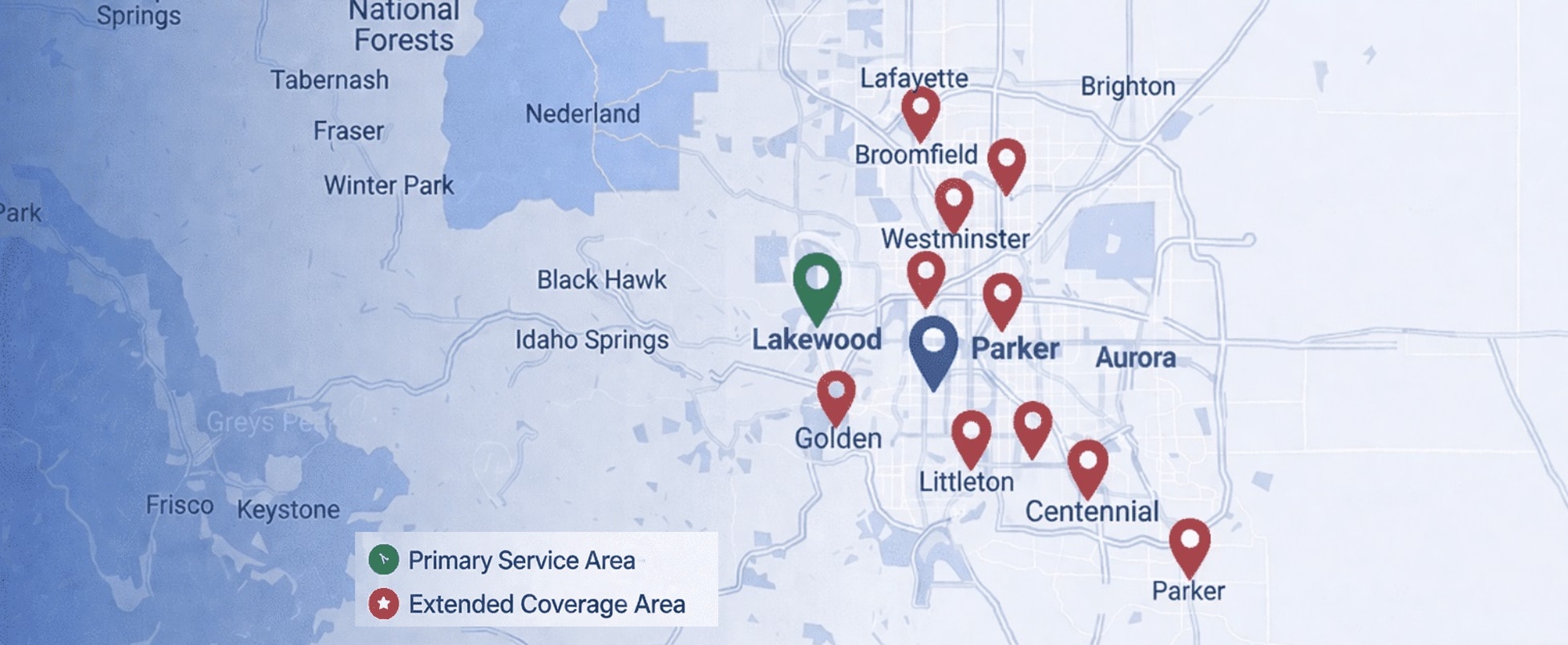
Find Garage Door Services in Your City
Every community we serve receives the same standard of service: licensed technicians, transparent estimates, manufacturer-backed warranties, and the availability that Colorado homeowners and property managers depend on.
Select your city below to view the specific residential and commercial garage door services available in your area, read local customer reviews, and schedule an appointment online.
-
Aurora
-
Brighton
-
Broomfield
-
Castle Rock
-
Centennial
-
Denver
-
Golden
-
Greenwood Village
-
Highlands Ranch
-
Lakewood
-
Littleton
-
Morrison
-
Parker, CO
-
Thornton
-
Westminster
-
Wheat Ridge
Ready to Fix or Upgrade Your Garage Door?
Book Now and Get $25 off your First Service.
This Month's Specials

Valid Until July 31, 2026
Must be mentioned during call booking. Limit one per customer. Cannot be combined with other offers. Restrictions apply. Call for details.