
- Home > Service Areas > Parker, CO > Steel Door Durability Parker, CO






Key Takeaways
- Steel garage doors typically last 15 to 20 years in Parker, CO. Quality steel construction combined with proper maintenance can extend lifespan to 25+ years, significantly longer than cheaper alternatives.
- Parker’s extreme climate includes freeze-thaw cycles, intense UV, high elevation, and variable humidity. Steel resists these challenges when properly treated, while inferior materials deteriorate much faster.
- Steel doors are naturally corrosion-resistant when protected with proper paint and sealants. Regular maintenance prevents rust and extends durability far beyond unprotected or poorly maintained alternatives.
- Compared to aluminum (which corrodes faster in freeze-thaw), fiberglass (which cracks and fades), and composite materials (which can delaminate), steel offers superior durability in Colorado’s climate.
- The initial cost of a quality steel door is higher, but longevity and durability make it the best value over a 20-year lifespan when installed and maintained properly.
- Select Garage Doors installs steel doors engineered for Colorado climates with protective finishes designed to resist Parker’s unique environmental challenges.
Table of Contents
- Steel Door Construction: Why It Resists Damage
- Parker’s Climate Challenges and Steel’s Resistance
- Freeze-Thaw Cycles and Steel Door Durability
- UV Exposure and Corrosion: How Steel Holds Up
- Steel vs. Aluminum, Fiberglass, and Composite Materials
- Realistic Lifespan Expectations for Steel Doors in Parker
- Maintenance Practices That Extend Steel Door Life
- Cost vs. Durability: The Long-Term Value of Steel
- Deepen Your Knowledge: Related Articles
- Frequently Asked Questions
Steel Door Construction: Why It Resists Damage
Steel garage doors are constructed with multiple layers of steel panels bonded to a frame, creating a rigid, durable structure that resists denting, warping, and structural failure far better than lighter materials. The steel itself is naturally strong: it doesn’t crack, splinter, or delaminate like composite materials. When properly painted and sealed, steel resists corrosion, making it ideal for Parker’s harsh climate.
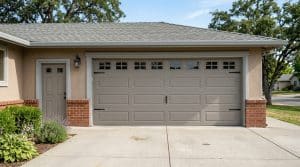
The typical steel door construction includes outer steel panels (usually 24-gauge or 26-gauge steel), an insulation layer (if insulated), and inner bracing. This multi-layer design distributes impact and stress across the entire door structure. A dent in a steel door is cosmetic. The structural integrity remains intact. The same impact on an aluminum or fiberglass door can cause permanent warping or cracking.
Steel’s weight, typically 300 to 500 pounds for a standard two-car door, contributes to its durability. That weight means the door is substantial, rigid, and resistant to wind damage and impacts. While heavier doors require properly sized openers, the structural advantage is significant. Understanding how Parker’s unique climate damages different garage door materials reveals why steel’s strength is essential here.
Parker’s Climate Challenges and Steel’s Resistance
Parker sits at 5,870 feet elevation in Douglas County, where the climate includes extreme temperature swings, freeze-thaw cycles, high UV intensity, and variable humidity. These conditions are harsh on garage doors. Steel’s dimensional stability and material properties make it naturally suited to these challenges, while lighter materials struggle.
Temperature swings in Parker are severe. Summer highs exceed 90 degrees. Winter lows drop below zero. That 100-degree daily swing, repeated hundreds of times per year, stresses materials through thermal cycling. Steel expands and contracts predictably. It doesn’t warp or lose structural integrity from thermal stress. Aluminum, by comparison, expands and contracts at different rates than steel fasteners and seals, causing loosening and eventual failure. Fiberglass becomes brittle in cold and soft in heat, compromising structural integrity.
Humidity swings in Parker come from bone-dry summer air to spring snowmelt and fall rains. These create corrosion risk. Unprotected steel would rust. Protected steel (with proper paint, primer, and sealants) resists corrosion indefinitely. Aluminum oxidizes naturally, creating a protective layer, but in freeze-thaw, it can pit corrosion. Fiberglass has no corrosion risk but other degradation risks become critical.
Parker’s high elevation means thinner air with stronger UV intensity. The sun’s ultraviolet rays degrade paint finishes, fade colors, and weaken materials faster at altitude. Steel doors with quality UV-resistant paint hold up well. Unprotected steel dulls and requires repainting more often, but the underlying material remains sound. Fiberglass fades dramatically and becomes brittle. Composite materials can delaminate under intense UV combined with thermal stress.
Freeze-Thaw Cycles and Steel Door Durability
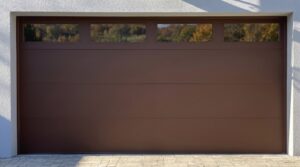
Freeze-thaw cycles are the most damaging climate phenomenon for garage doors in Colorado. Water enters microscopic cracks, freezes and expands, breaking the material. This cycle repeats hundreds of times per winter. Steel, being non-porous and solid, is largely immune to freeze-thaw damage. Fiberglass, wood, and composite materials are extremely vulnerable.
Here’s how freeze-thaw damages inferior materials: Fiberglass is porous. Water wicks into the material. When it freezes, water expands, cracking the fiberglass from inside. Each freeze-thaw cycle creates more cracks. Eventually, structural integrity fails. A fiberglass door that lasts 10 years in moderate climates might only last 5 to 7 years in Parker. Wood is even worse. Water causes swelling, warping, and rot.
Steel has a different failure mode: corrosion from salt spray (on roads) and moisture. But this is preventable with proper painting and sealant. A properly maintained steel door shrugs off freeze-thaw cycles. The water doesn’t enter the material. The seals and paint protect the underlying steel. Even if a seal deteriorates in one spot, the steel itself doesn’t become brittle or crack. It just rusts locally, which can be addressed with touch-up paint.
Aluminum doors in Parker also struggle with freeze-thaw. Aluminum oxidizes and can pit corrosion. In Parker’s freeze-thaw environment, pitting accelerates. Fasteners (typically steel) corrode faster than the aluminum body, causing loosening and eventual structural problems. After 10 to 15 years, many aluminum doors in Parker show significant deterioration from this mechanism.
UV Exposure and Corrosion: How Steel Holds Up
Parker’s high elevation and clear skies mean intense UV exposure year-round. Ultraviolet light degrades paint finishes, but steel beneath quality paint remains sound. Corrosion risk for steel comes from moisture and oxygen, both controllable with proper protection. When a steel door is painted and sealed correctly, corrosion is prevented indefinitely.
The paint system on a quality steel garage door typically includes: rust-inhibiting primer (zinc-rich or epoxy), topcoat paint (polyester or acrylic), and clear sealant. This three-layer system protects the steel from moisture and oxygen. UV-resistant topcoats prevent fading and maintain the protective barrier. A well-maintained steel door in Parker can look good and perform well for 20+ years.
Aluminum doors have factory-applied anodized coatings that resist UV better than painted steel initially. But the cost is that anodizing is thin. Any damage exposes bare aluminum, which immediately begins oxidizing. Repairs to anodized doors are difficult. You can’t easily refinish anodized aluminum. Scratches and dings become permanent cosmetic issues. Over time, anodizing breaks down and oxidation (white powdery corrosion) becomes visible.
Fiberglass doors have gelcoat finishes (similar to boat hulls). UV degrades gelcoat faster than steel paint. Fading appears within 3 to 5 years in Parker’s intense sun. Repairs require matching gelcoat perfectly, which is difficult. The underlying fiberglass becomes brittle from UV exposure, especially combined with thermal stress.
Steel vs. Aluminum, Fiberglass, and Composite Materials
Each garage door material has trade-offs, but for Parker’s extreme climate, steel offers the best combination of durability, maintainability, and long-term value. Here’s how steel compares to the alternatives.
| Material | Durability in Parker | Maintenance Needs | Typical Lifespan |
|---|---|---|---|
| Steel (Quality) | Excellent. Resists freeze-thaw and corrosion prevention works well. | Regular annual inspection, touch-up paint as needed | 15 to 25+ years |
| Aluminum | Fair. Lighter, susceptible to oxidation and pitting. | Moderate. Anodizing breaks down, oxidation visible. | 10 to 15 years |
| Fiberglass | Poor. Brittle in freeze-thaw, fades fast in UV. | High. Repainting difficult, structural issues emerge. | 8 to 12 years (shorter in Parker) |
| Composite/Multi-layer | Fair. Delamination risk, UV and thermal degradation. | High. Structural damage not easily repaired. | 10 to 15 years |
Realistic Lifespan Expectations for Steel Doors in Parker
A quality steel garage door properly installed and maintained in Parker lasts 15 to 20 years under normal conditions. With excellent maintenance and favorable circumstances, lifespan can extend to 25 years or more. Compared to typical replacements every 10 to 15 years for cheaper materials, steel offers real durability advantage.
Lifespan depends on several factors. First: initial quality. A mid-range steel door from a reputable manufacturer will last longer than a budget aluminum door. Second: installation. Proper installation, weather sealing, and support for the opener ensures the door performs as designed. Third: maintenance. Annual inspection, touch-up paint, and seal maintenance add years of life. Fourth: usage. A frequently-used door ages faster than one opened occasionally. A door opening and closing 5 times per day experiences more mechanical wear than one used twice per day.
In Parker specifically, expect these timelines for a quality steel door with good maintenance: Years 1 to 10, performance is excellent with minimal maintenance. Years 10 to 15, you might need repainting or seal replacement but the door functions perfectly. Years 15 to 20, the door remains functional but replacement should be considered if it’s showing wear. After 20 years, replacement is typically recommended, though the door might still work.
Maintenance Practices That Extend Steel Door Life
Proper maintenance can extend a steel door’s lifespan by 5 to 10 years beyond the baseline. The key is preventing corrosion and maintaining structural integrity through regular inspection and minor repairs.
Annual Inspection: Examine the door for signs of rust, particularly at the bottom edge where moisture collects. Look for paint cracks or peeling. Check seals and weatherstripping for deterioration. Inspect the opener and spring to ensure everything moves smoothly.
Paint Maintenance: Touch up any chipped or scratched paint immediately. Bare steel exposed to moisture will rust within weeks. Keep a can of matching paint and use it as soon as damage is noticed. Every 8 to 10 years, consider repainting the entire door if the finish is significantly faded or worn.
Seal and Weatherstripping: Replace bottom seals if they’re cracked or hardened. Replace side and top weatherstripping if it’s compressed or deteriorated. These seals prevent water from entering and protect the door from wind-driven rain.
Lubrication: Lubricate hinges, rollers, and hardware annually with a garage-door-specific lubricant. Don’t use WD-40 (attracts dust). Use silicone or lithium-based garage door lubricant.
Opener Service: Have your opener serviced annually. A smooth-operating opener puts less stress on the door. A struggling opener accelerates wear on springs and door components.
Winter Precautions: If you live in a particularly snowy area of Douglas County, clear snow and ice buildup from the bottom of the door after storms. This prevents water damage and corrosion.
Cost vs. Durability: The Long-Term Value of Steel
A quality steel garage door costs $1,500 to $3,500 installed. A budget aluminum or fiberglass door costs $800 to $1,500 installed. The upfront cost difference is significant. But over a 20-year lifespan, the value calculation shifts dramatically.
Budget door at $1,200 (typical), lasting 10 years, then replaced: $1,200 per 10 years, or $2,400 per 20 years. Plus you endure a replacement project twice. Steel door at $2,500, lasting 20 years: $2,500 per 20 years. The cost is similar, but you avoid the inconvenience and disruption of replacement mid-lifespan.
Add maintenance costs: The budget door requires little maintenance possible. When problems appear, replacement is the only option. Steel door requires $100 to $300 annually for touch-up paint and seal maintenance, extended lifespan. If maintenance adds $2,000 over 20 years versus $1,200 extra upfront, you break even, but you gain reliability and the option to keep the door longer if you choose.
The real value of steel in Parker is peace of mind. You install it, maintain it minimally, and it performs reliably through two Colorado winters. A budget door might fail structurally after one harsh Parker winter. The value isn’t just financial. It’s durability and reliability when you need your garage door most.
Frequently Asked Questions
How long do steel garage doors last in Parker, Colorado?
A quality steel garage door properly maintained lasts 15 to 20 years in Parker. With excellent maintenance, lifespan can extend to 25+ years. This is significantly longer than aluminum (10 to 15 years) or fiberglass (8 to 12 years) doors, which struggle in Parker’s freeze-thaw and UV-intense climate.
Do steel garage doors rust easily?
High-quality steel doors have protective paint and primer systems that prevent rust indefinitely when properly maintained. Corrosion risk comes from exposed steel (bare spots, paint chips, damaged seals). Annual inspection and touch-up paint prevent rust. Neglected steel doors will rust where moisture enters, but this is preventable with basic maintenance.
Are steel doors durable in freeze-thaw cycles?
Yes, steel’s greatest durability advantage is in freeze-thaw environments. Steel is non-porous and doesn’t absorb water. Water doesn’t enter the material and expand when frozen. Fiberglass, wood, and composite materials are porous and fail quickly in freeze-thaw. For Parker’s hundreds of annual freeze-thaw cycles, steel is the best choice.
Is a steel door better than aluminum for Colorado?
For Colorado climates, steel is superior. Aluminum is lighter and resists oxidation initially, but in freeze-thaw it suffers pitting corrosion and fastener corrosion. Aluminum doors fade in intense UV and show corrosion after 10 to 15 years. Steel doors, properly maintained, outlast aluminum by 5 to 10 years in Colorado.
How much maintenance do steel doors need?
Annual maintenance is minimal: inspect for rust, touch up any paint chips, check seals and weatherstripping, lubricate hardware. This takes an hour per year. Every 8 to 10 years, consider repainting the entire door. This moderate maintenance extends lifespan dramatically compared to budget materials that require no maintenance but fail structurally.
Can you repair a steel garage door or must you replace it?
Steel doors are highly repairable. Dents are cosmetic and don’t affect function. Rust can be sanded, treated, and repainted. Seals and weatherstripping are replaceable. Springs fail and can be replaced. Panel damage is repairable or panels can be replaced individually. Steel doors stay repairable for their entire lifespan, unlike composite or fiberglass doors where structural damage often means replacement.
Why do steel doors cost more than aluminum?
Steel is heavier and requires more material per door. Manufacturing costs are higher. But the extra upfront cost is offset by longer lifespan and durability. Over 20 years, the cost per year is similar, but you avoid replacement projects and enjoy reliable performance. Steel is an investment in long-term value.
Do steel doors need to be painted?
Factory paint protects the steel from corrosion. You don’t need to repaint immediately, but touch-up paint should be applied to any chips or scratches. Every 8 to 10 years, repainting extends the life of the protective barrier. This is normal maintenance for a steel door.
How does Parker’s altitude affect steel door durability?
Parker’s 5,870-foot elevation means thinner air with stronger UV intensity and less atmospheric protection. Steel doors face harsher UV exposure than at lower elevations, which can fade paint faster. But the material itself is unaffected by elevation. Quality UV-resistant paint holds up better. Regular paint maintenance becomes more important in Parker than at sea level.
What’s the best way to prevent rust on a steel garage door?
Prevent rust by: (1) keeping the paint finish intact (touch up chips immediately), (2) maintaining seals and weatherstripping to prevent water entry, (3) annually inspecting for rust signs, particularly at the bottom edge, and (4) applying protective coatings if desired (wax or clear sealant). Regular maintenance prevents rust indefinitely.
Steel Doors Are Built to Last in Parker’s Extreme Climate
Your garage door works in one of Colorado’s harshest environments. Parker’s freeze-thaw cycles, intense UV, temperature swings, and variable humidity demand a door built to survive. Steel doors are engineered for these exact conditions. They resist the environmental damage that destroys cheaper materials in half the time. When you install a quality steel door, you’re making a 20-year investment in durability, reliability, and peace of mind.
You now understand why steel doors outlast alternatives in Parker. You know what maintenance extends their life. You understand the value proposition over two decades. The choice becomes clear: invest upfront in durability or replace inferior doors repeatedly. Select Garage Doors can guide you to the right steel door for your Parker home and ensure professional installation that maximizes longevity.
Ready to Invest in Durability?
Parker homeowners trust Select Garage Doors because we understand Colorado’s climate demands. We install steel doors engineered for freeze-thaw, UV exposure, and the temperature extremes that define Douglas County. We’ll help you choose the right steel door, install it properly, and advise on maintenance that keeps it performing for 20+ years. Find us in Parker or reach out today for a durability consultation.


Our Colorado Service Area Coverage
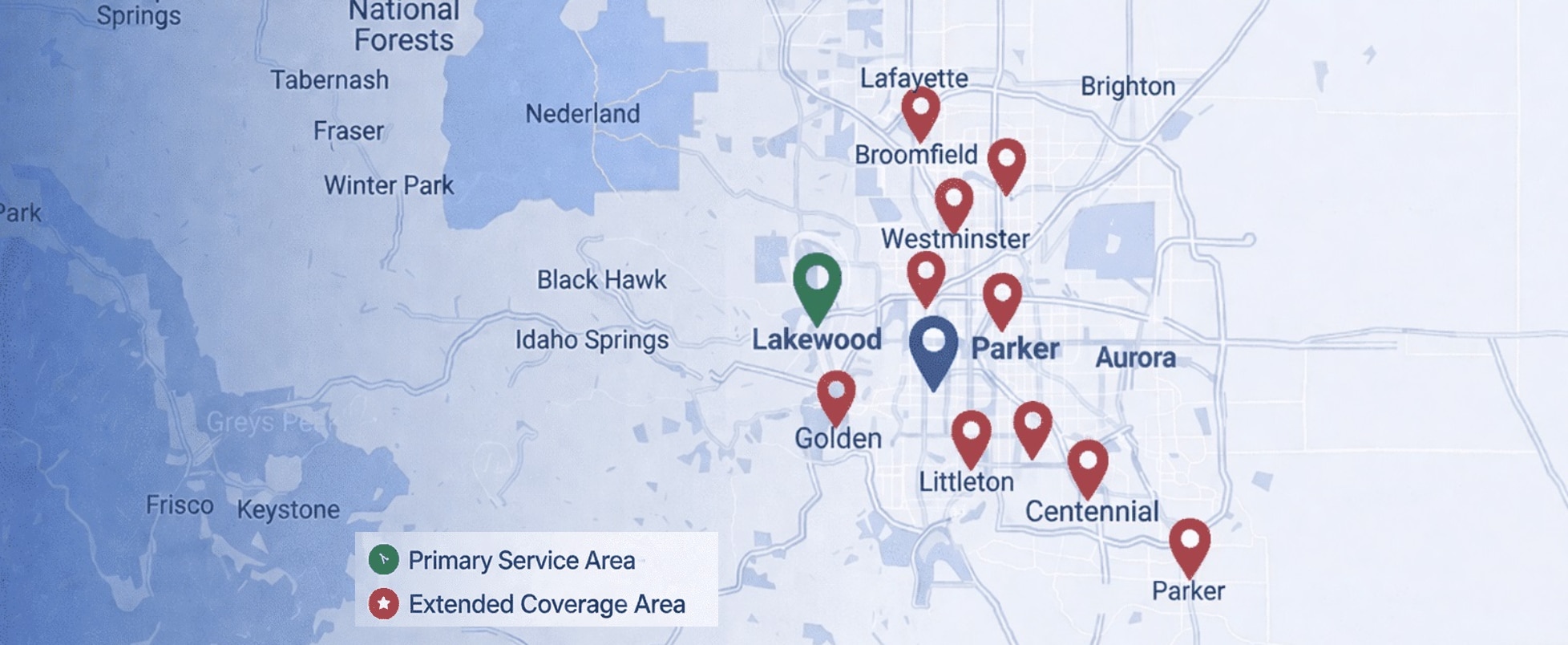
Select Garage Doors provides expert residential and commercial garage door repair and installation services across the Denver metro area and surrounding Colorado communities. We serve homeowners and businesses with garage door repairs, new garage door installation, garage door opener replacement, and other professional garage door services. Check the interactive map below to view our current Colorado service areas. Don’t see your city listed? Reach out to our team, and we’ll let you know if service is available in your area.
Find Garage Door Services in Your City
Every community we serve receives the same standard of service: licensed technicians, transparent estimates, manufacturer-backed warranties, and the availability that Colorado homeowners and property managers depend on.
Select your city below to view the specific residential and commercial garage door services available in your area, read local customer reviews, and schedule an appointment online.
-
Aurora
-
Brighton
-
Broomfield
-
Castle Rock
-
Centennial
-
Denver
-
Golden
-
Greenwood Village
-
Highlands Ranch
-
Lakewood
-
Littleton
-
Morrison
-
Parker, CO
-
Thornton
-
Westminster
-
Wheat Ridge
Ready to Fix or Upgrade Your Garage Door?
Book Now and Get $25 off your First Service.
This Month's Specials

Valid Until June 30, 2026
Must be mentioned during call booking. Limit one per customer. Cannot be combined with other offers. Restrictions apply. Call for details.