


What Summer Safety Concerns Should Parker Families Know About Garage Doors?
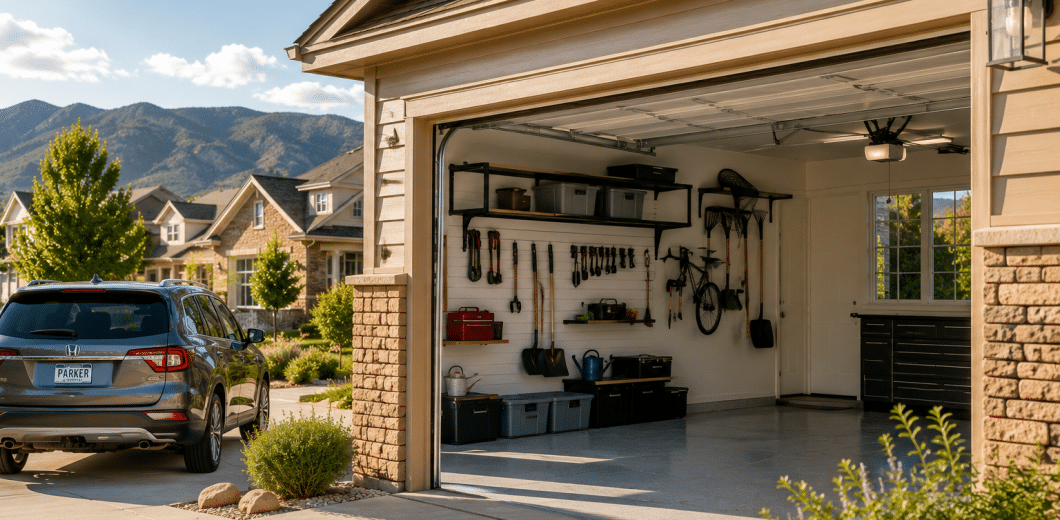
Summer increases garage door safety risks for Parker families through more frequent use, children playing near the door, heat-related component failures, and reduced effectiveness of safety sensors in direct sunlight. Over 20,000 garage door injuries occur annually, and summer is the peak season for family-related incidents.
Key Takeaways
- Children account for a high percentage of garage door injuries, with pinching and crushing as the leading causes
- Summer sun can interfere with photo-eye sensor beams, creating false readings
- Increased door cycling in summer accelerates spring and roller wear, raising failure risk
- Wall buttons should be mounted at least five feet above the floor to prevent unsupervised child use
- Monthly safety tests (auto-reverse and sensor) take under five minutes and catch failures early
Parker families use their garage doors more during summer than any other season. Kids ride bikes in and out, families load cars for weekend trips, and the door cycles through dozens of extra operations each week. That increased activity happens while the same heat that wears on springs and rollers also pushes safety sensors to their limits.
The combination of more use, more people near the door, and heat-stressed components creates a seasonal safety window that deserves attention. Select Garage Doors encourages Parker families to add a five-minute safety check to their summer routine.
Why Are Children at Higher Risk Around Garage Doors in Summer?
Children spend more time in and around the garage during summer, increasing their exposure to pinching section joints, closing doors, and high-tension springs. Kids under 14 are the most vulnerable group for garage door injuries.
Section joints between door panels are the leading source of child injuries. When the door moves, these joints open and close with enough force to crush small fingers. Children who place their hands on the door while it is operating or who grab the bottom panel while it closes face the highest risk.
The wall-mounted control button is another hazard. If the button is installed lower than five feet above the floor, young children can reach it and operate the door without adult awareness. The Consumer Product Safety Commission recommends mounting the button high enough that children under six cannot reach it.
Remote controls left in accessible locations allow children to operate the door from outside the garage, where they cannot see whether people, pets, or objects are in the door’s path. Store remotes out of reach and use the lockout feature on the wall button when children are playing in or near the garage.
How Does Summer Heat Affect Garage Door Safety Systems in Parker?
Direct sunlight can overwhelm photo-eye sensors, causing them to misread the beam and either fail to detect obstructions or prevent the door from closing entirely. Heat also degrades the wiring and housing of safety components over time.
Photo-eye sensors use infrared light beams positioned six inches above the garage floor. When direct afternoon sunlight hits the receiving sensor, the light can wash out the infrared beam, causing the sensor to lose its reference. The door may refuse to close (interpreting the washed-out beam as an obstruction) or, in older systems, may close without the beam active.
Repositioning sensors away from direct sunlight exposure or adding small sun shades over the sensor housings solves the problem in most cases. Parker, CO garages with west-facing openings are most affected during late afternoon hours when the sun angle is lowest.
Heat also affects the auto-reverse pressure sensor. High temperatures can cause the opener’s force settings to drift, changing the pressure threshold at which the door reverses on contact. A monthly 2×4 test catches this drift before it becomes a safety issue.
What Monthly Safety Tests Should Parker Families Perform?
Two tests performed monthly catch the most dangerous safety failures. The auto-reverse test and the photo-eye beam test take under five minutes combined and require no tools.
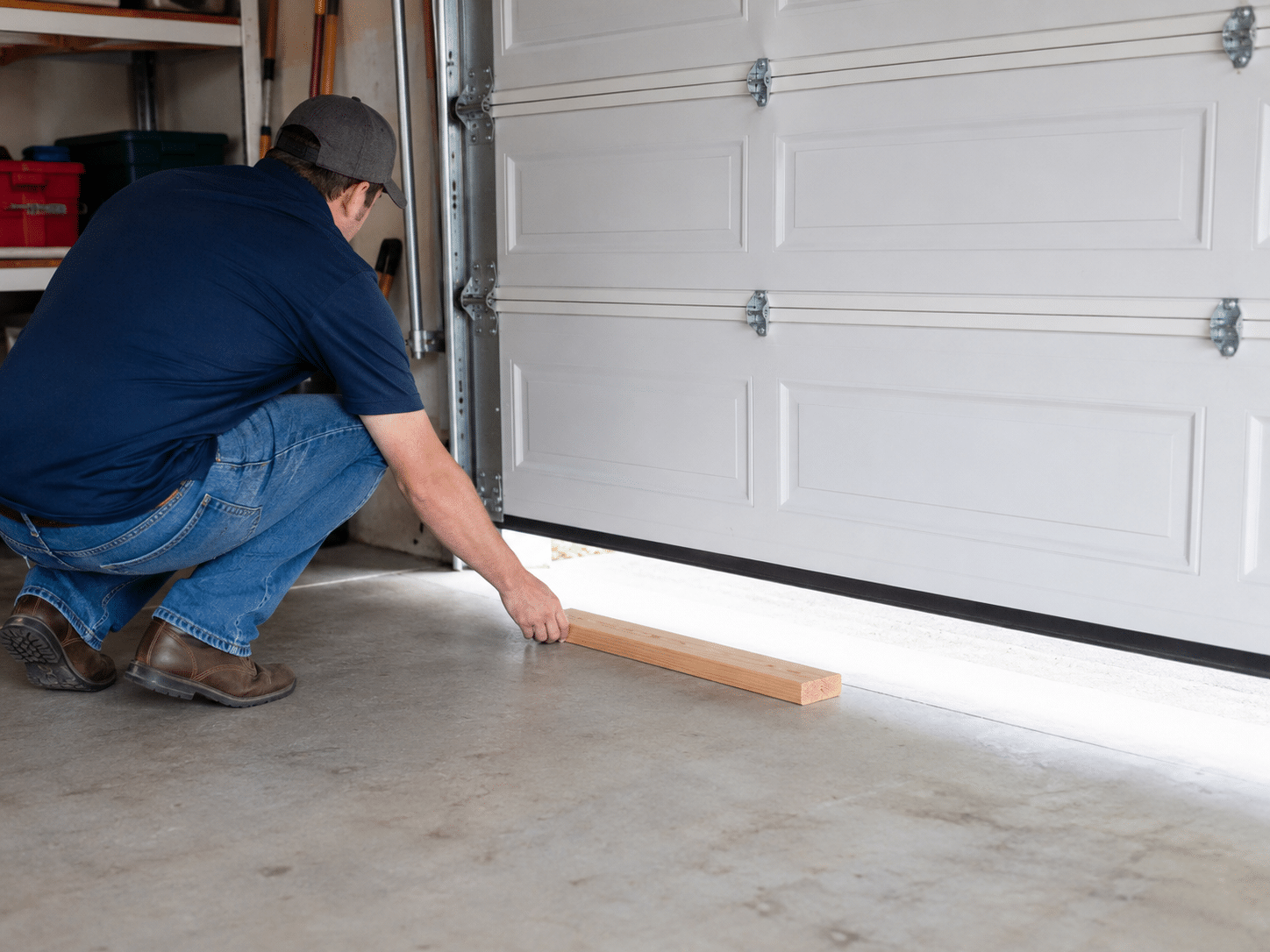
Auto-reverse test: Place a 2×4 flat on the floor in the center of the door path. Press the wall button to close the door. When it contacts the board, it should reverse within two seconds. If it does not reverse, the opener needs professional attention before anyone uses the door.
Photo-eye test: While the door is closing, wave a broom handle through the sensor beam. The door should stop and reverse immediately. Test this during both morning and afternoon to check for sun interference at different angles.
 Additional monthly checks:
- Listen for new noises during opening and closing
- Watch for jerky or uneven door movement
- Check that the door stops at the correct open and closed positions
- Inspect the manual release cord for accessibility
For families with children, Select Garage Doors recommends scheduling a professional safety inspection at the start of each summer to evaluate all safety systems under hot-weather conditions.
How Can Parker Families Create a Safer Garage Environment in Summer?
A combination of physical safeguards, behavioral rules, and regular maintenance creates the safest possible environment for families who use the garage frequently during summer.
Family safety rules that reduce risk:
- Never allow children to play under or near a moving garage door
- Store remote controls out of children’s reach
- Use the wall button lockout feature when children are playing in the garage
- Keep fingers clear of section joints at all times
- Never attempt to adjust springs, cables, or opener mechanisms without professional training
Physical upgrades that improve family safety:
- Install pinch-resistant panels that eliminate finger-trapping gaps at section joints
- Add battery backup to maintain safety features during power outages
- Mount the wall button at least five feet above the floor
- Install motion-detecting lighting inside and around the garage
Maintaining springs and rollers reduces the risk of sudden failures that can endanger family members. Read about the importance of garage door spring maintenance for more on preventing component failures.
Frequently Asked Questions
How Many Children Are Injured by Garage Doors Each Year?
Children under 14 account for thousands of garage door injuries annually. Between 1982 and 1990, 46 children died in garage door accidents before federal safety requirements took effect in 1993.
Can a Garage Door Sensor Be Fooled by Sunlight in Parker?
Yes. Direct afternoon sunlight can wash out the infrared beam used by photo-eye sensors. This is most common on west-facing garages during summer when the sun angle is low.
At What Height Should the Garage Door Wall Button Be Mounted?
The Consumer Product Safety Commission recommends at least five feet above the floor to prevent young children from reaching and operating the door unsupervised.
Are Pinch-Resistant Garage Door Panels Worth the Cost for Parker Families?
Yes, especially for families with young children. Pinch-resistant panels eliminate the gaps at section joints that cause the majority of finger injuries during door operation.
How Often Should Parker Families Test Garage Door Safety Features?
Monthly testing of both the auto-reverse mechanism and photo-eye sensors is recommended. Additional tests should be performed after any power outage or severe storm.
Can a Garage Door Close on a Pet?
Yes. Pets, especially small dogs and cats, can pass under the photo-eye beam undetected. Some homeowners install secondary sensors at a lower height to catch smaller animals.
What Should I Do If My Child Is Injured by a Garage Door?
Seek medical attention immediately for any pinching, crushing, or impact injury. Do not operate the door again until a professional inspects it to determine what failed.
Does a Battery Backup Make a Garage Door Safer for Parker Families?
Yes. Battery backup maintains all electronic safety features during power outages. Without it, the auto-reverse and photo-eye systems go offline, removing the primary safety protections.


Looking for a deal?
Call us or to learn about our current promotions and seasonal offers.


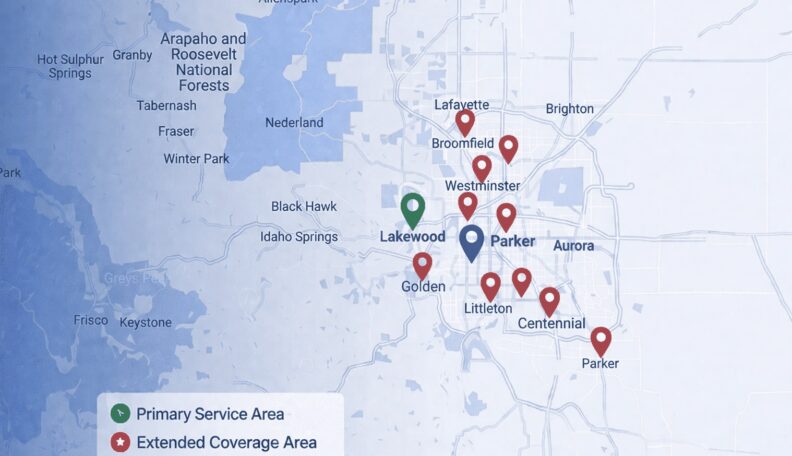
Service Area: 50+ Cities Across Metro Denver
Select Your Nearest Location
Hours: Mon-Fri 8am-5pm
Sunday Emergency Only
Avg Response Time: 18 minutes
Hours: Mon-Fri 8am-5pm
Sunday Emergency Only
Avg Response Time: 18 minutes
Hours: Mon-Fri 8am-5pm
Sunday Emergency Only
Avg Response Time: 18 minutes
Hours: Mon-Fri 8am-5pm
Sunday Emergency Only
Avg Response Time: 18 minutes
Hours: Mon-Fri 8am-5pm
Sunday Emergency Only
Avg Response Time: 18 minutes
Hours: Mon-Fri 8am-5pm
Sunday Emergency Only
Avg Response Time: 18 minutes
Hours: Mon-Fri 8am-5pm
Sunday Emergency Only
Avg Response Time: 18 minutes
Hours: Mon-Fri 8am-5pm
Sunday Emergency Only
Avg Response Time: 18 minutes
Hours: Mon-Fri 8am-5pm
Sunday Emergency Only
Avg Response Time: 18 minutes
Hours: Mon-Fri 8am-5pm
Sunday Emergency Only
Avg Response Time: 18 minutes
Hours: Mon-Fri 8am-5pm
Sunday Emergency Only
Avg Response Time: 18 minutes
Hours: Mon-Fri 8am-5pm
Sunday Emergency Only
Avg Response Time: 18 minutes
Hours: Mon-Fri 8am-5pm
Sunday Emergency Only
Avg Response Time: 18 minutes
Hours: Mon-Fri 8am-5pm
Sunday Emergency Only
Avg Response Time: 18 minutes
Hours: Mon-Fri 8am-5pm
Sunday Emergency Only
Avg Response Time: 18 minutes
We Service: Parker, Castle Rock, Greenwood Village, Lakewood, Littleton, Centennial, Highlands Ranch 40+ More Cities