

How Do Temperature Swings in Parker, CO Affect Garage Door Performance?
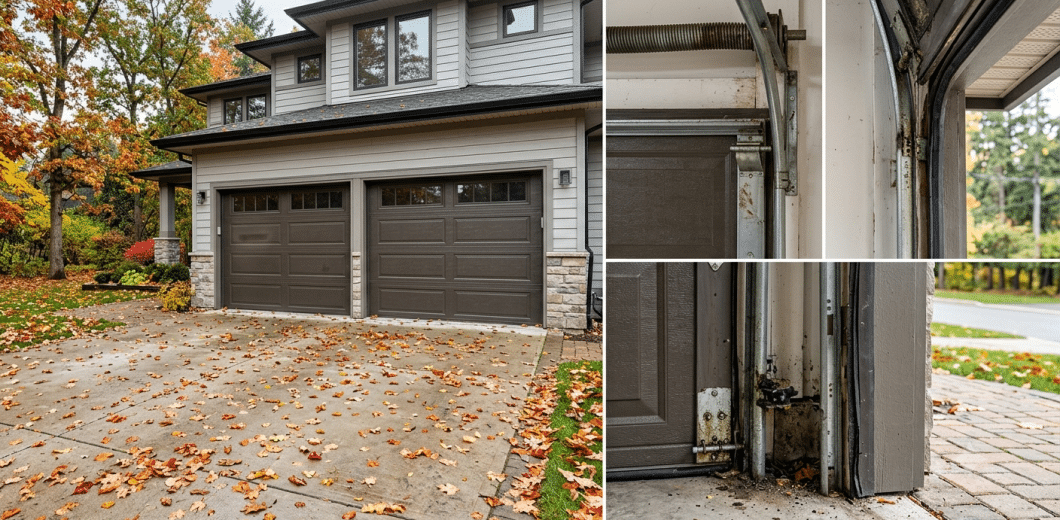
Parker, CO experiences daily temperature shifts of 30 to 40 degrees, especially during spring and fall. These swings cause metal springs to lose tension, tracks to shift, lubricant to thicken or thin, and weatherstripping to crack, all of which reduce garage door performance and increase the risk of breakdowns.
Key Takeaways
- Daily temperature swings of 30 to 40 degrees in Parker stress springs, tracks, and hardware through constant expansion and contraction
- Cold weather makes springs brittle and reduces tension, while heat causes metal to expand and lubricant to thin
- Garage door openers and safety sensors can malfunction in extreme cold or direct summer sunlight
- Seasonal tune-ups in spring and fall help Parker homeowners catch temperature-related wear before it becomes a breakdown
- Select Garage Doors offers same-day service to address weather-related garage door issues in Parker
Colorado’s Front Range is known for wild temperature swings, and Parker sits right in the middle of it. A January morning at 5 degrees can warm to 45 by afternoon. A summer day that hits 95 can drop into the 50s after sunset. That kind of cycling puts real stress on garage door hardware. Select Garage Doors helps Parker homeowners stay ahead of temperature-related wear so small issues do not turn into costly repairs.
How Do Temperature Swings Stress Garage Door Springs?
Cold temperatures cause spring steel to contract and become brittle, reducing tension and making the door feel heavier. Heat causes the metal to expand and increase tension. Each cycle of expansion and contraction deposits fatigue into the steel, shortening spring lifespan.
Cold Contraction and Brittleness
 When temperatures drop below freezing, torsion springs lose flexibility. The steel contracts, which reduces the stored energy that lifts the door. A door that opened smoothly in October may feel noticeably heavier by December. In severe cold, brittle springs are more likely to snap under tension. Homeowners can learn how heat affects garage door springs to understand the full picture of seasonal stress on these components.
Heat Expansion and Fatigue
Summer heat reverses the problem. Metal expands, increasing spring tension beyond the calibrated setting. The door may close too fast or the opener may strain to hold it. Over time, repeated hot-cold cycling weakens the molecular structure of the steel, similar to bending a paperclip back and forth until it snaps.
How Parker Makes It Worse
Most garage door springs are rated for 10,000 to 15,000 cycles. In a climate with stable temperatures, those cycles happen gradually. In Parker, the daily temperature swings of 30 to 40 degrees mean the metal expands and contracts every single day, which can cut spring lifespan by 20 to 30 percent compared to milder climates.
What Happens to Garage Door Tracks and Rollers When Temperatures Shift?
Steel tracks expand in heat and contract in cold, which can cause subtle misalignment over time. Rollers stiffen in cold weather as lubricant thickens, leading to jerky movement, increased noise, and uneven wear on the track surface.
Track Expansion and Binding
A steel track can shift slightly as it expands in summer heat or contracts in winter cold. The change is small on any given day, but repeated cycles can loosen mounting brackets and create gaps between the track and the wall. Once a track moves even a fraction of an inch, the door may bind, stick, or jump during operation.
Roller Performance in Cold
Nylon rollers hold up better than steel in temperature swings because they do not conduct cold as readily. Steel rollers, on the other hand, contract in cold weather and can develop flat spots if the door sits closed for long periods in freezing temperatures. Lubricant on steel rollers thickens below 20 degrees, causing the door to move unevenly.
How Does Extreme Weather Affect Garage Door Openers and Sensors?
Cold weather thickens lubricant inside the opener motor and increases resistance on the drive mechanism. Extreme heat can cause safety sensor misalignment and false readings from direct sunlight. Both conditions force the opener to work harder and wear out faster.
Opener Motor Strain
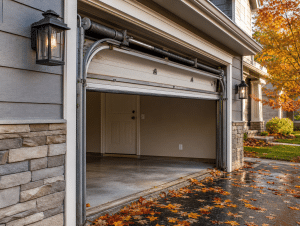 Most residential garage door openers are designed to operate between 35 and 135 degrees Fahrenheit. When temperatures drop below that range, the motor draws more current to overcome stiff components. In an uninsulated garage, this can happen frequently during Parker winters.
Sensor Issues
Photoelectric safety sensors sit near the floor on either side of the door. In winter, condensation can fog the lenses and trigger false obstruction readings. In summer, direct afternoon sunlight can overwhelm the infrared beam and prevent the door from closing. Both issues are common for homeowners in Parker, where bright sun and cold mornings are part of daily life year-round.
What Can Parker Homeowners Do to Protect Their Garage Door Year-Round?
Seasonal tune-ups in spring and fall address the two biggest transition points. Lubricating moving parts with a silicone-based product, checking spring tension, inspecting track alignment, and testing safety sensors can prevent most temperature-related failures.
Spring and Fall Tune-Ups
A spring tune-up prepares the door for heat by checking lubricant levels, inspecting springs for fatigue cracks, and verifying sensor alignment before direct summer sun becomes an issue. A fall tune-up addresses weatherstripping condition, spring tension for cold-weather operation, and roller lubrication before temperatures drop.
When to Call a Professional
If the door feels heavier than usual, makes grinding sounds, reverses unexpectedly, or hesitates during opening, those are signs of temperature-related stress on springs or the opener. Parker homeowners can reach out to Select Garage Doors for same-day service. Catching a worn spring or misaligned track early is far less expensive than dealing with a full breakdown.
Frequently Asked Questions
Why does my garage door feel heavier in cold weather?
Cold causes torsion springs to contract and lose tension. With less stored energy in the spring, the opener has to work harder to lift the door, and the door feels heavier when operated manually.
Can temperature swings actually break garage door springs?
Yes. Repeated expansion and contraction cycles weaken the steel over time through metal fatigue. Springs in climates with large daily temperature swings tend to fail sooner than the same springs in stable climates.
How does heat affect garage door lubricant?
Heat causes lubricant to thin and evaporate faster, which reduces protection on rollers, hinges, and springs. In summer, lubrication may need to be reapplied more frequently than in cooler months.
Should you adjust spring tension for different seasons?
Spring tension adjustment is a job for a trained technician because torsion springs are under extreme force. A professional can calibrate the tension to account for seasonal temperature changes during a routine tune-up.
Do insulated garage doors handle temperature swings better?
Yes. Insulated doors maintain a more stable temperature inside the garage, which reduces the severity of expansion and contraction on springs, tracks, and the opener motor. They also improve energy efficiency for attached garages.
How cold does it get in Parker, CO in winter?
Parker winter temperatures regularly drop into the single digits and occasionally below zero. Daytime highs in January average around 40 to 45 degrees, creating a daily swing of 30 to 40 degrees that stresses garage door components.
Can temperature changes cause a garage door to go off-track?
Repeated track expansion and contraction can loosen mounting hardware over time. Combined with roller stiffness in cold weather, this can cause the door to bind or jump, which in severe cases may push it off-track.
How often should Parker homeowners service their garage door?
Twice a year is the recommended minimum for Parker. Schedule one tune-up in early spring and another in mid-fall to address the two biggest temperature transition periods. High-use doors may benefit from quarterly inspections.
Looking for a deal?
Call us or to learn about our current promotions and seasonal offers.


Service Area: 50+ Cities Across Metro Denver
Select Your Nearest Location
Hours: Mon-Fri 8am-5pm
Sunday Emergency Only
Avg Response Time: 18 minutes
Hours: Mon-Fri 8am-5pm
Sunday Emergency Only
Avg Response Time: 18 minutes
Hours: Mon-Fri 8am-5pm
Sunday Emergency Only
Avg Response Time: 18 minutes
Hours: Mon-Fri 8am-5pm
Sunday Emergency Only
Avg Response Time: 18 minutes
Hours: Mon-Fri 8am-5pm
Sunday Emergency Only
Avg Response Time: 18 minutes
Hours: Mon-Fri 8am-5pm
Sunday Emergency Only
Avg Response Time: 18 minutes
Hours: Mon-Fri 8am-5pm
Sunday Emergency Only
Avg Response Time: 18 minutes
Hours: Mon-Fri 8am-5pm
Sunday Emergency Only
Avg Response Time: 18 minutes
Hours: Mon-Fri 8am-5pm
Sunday Emergency Only
Avg Response Time: 18 minutes
Hours: Mon-Fri 8am-5pm
Sunday Emergency Only
Avg Response Time: 18 minutes
Hours: Mon-Fri 8am-5pm
Sunday Emergency Only
Avg Response Time: 18 minutes
Hours: Mon-Fri 8am-5pm
Sunday Emergency Only
Avg Response Time: 18 minutes
Hours: Mon-Fri 8am-5pm
Sunday Emergency Only
Avg Response Time: 18 minutes
Hours: Mon-Fri 8am-5pm
Sunday Emergency Only
Avg Response Time: 18 minutes
Hours: Mon-Fri 8am-5pm
Sunday Emergency Only
Avg Response Time: 18 minutes
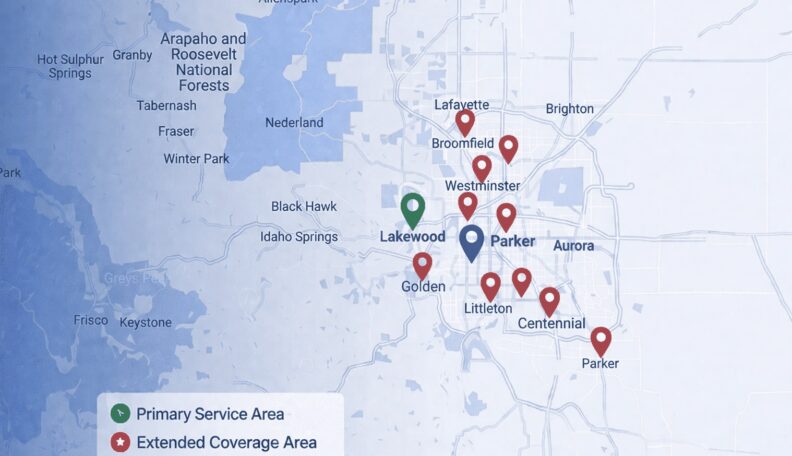
We Service: Parker, Castle Rock, Greenwood Village, Lakewood, Littleton, Centennial, Highlands Ranch 40+ More Cities