


Top Features a Parker Garage Door Designer Can Add to Your Custom Door
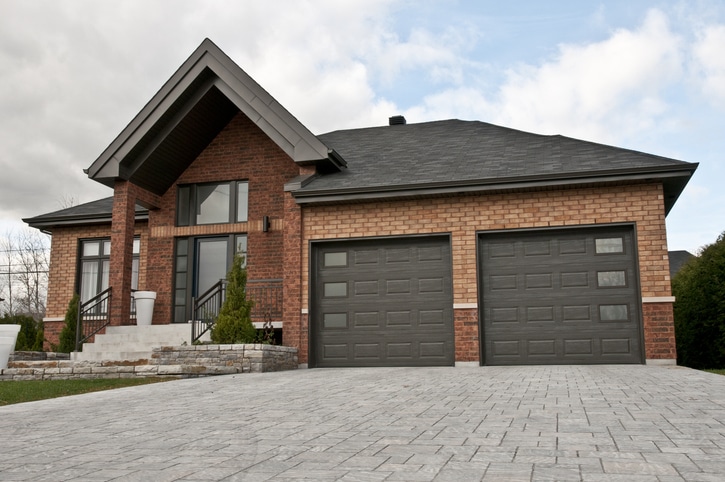
Design Choices Worth Considering
The right custom features can turn a stock garage door into a statement piece that fits your home and adds resale value. The five categories below are where most designers start when speccing a custom door for a Parker, CO home.
A custom garage door is one of the most visible upgrades you can make to the front of your home, and the choices you make at the design stage shape both the curb appeal and the daily experience of using the door for the next 15 to 20 years. The decisions look small on a designer’s spec sheet but show up every time you pull into the driveway. Picking thoughtfully now saves you from looking at a regret later.
At Select Garage Doors, we work with homeowners across Parker, CO and the wider Denver Metro area on custom door projects, and the same five feature categories come up on almost every consultation. The breakdown below covers what each feature brings to the design, where it fits best in terms of home style, and a rough price range so you can plan around your budget.
Ready to start mapping out your custom door? Contact us today for a no-obligation design consultation.
Materials That Match Your Home’s Architecture
Material is the first design decision in any custom door because it sets the visual weight and the maintenance trajectory for the next two decades. Wood offers warmth, customization, and the most flexibility for staining and carving, but demands periodic refinishing. Steel is the workhorse: low-maintenance, paint-friendly, available in faux-wood textures, and the most cost-effective for most homes. Aluminum and glass work for modern and contemporary builds where light and geometry matter more than insulation thickness. Composite and overlay options bridge wood and steel, giving the look of wood with steel’s maintenance profile.
Style notes: wood-look steel suits traditional and craftsman builds; full-view aluminum-and-glass leans modern; carriage-house steel with overlay panels suits transitional ranch and farmhouse styles.
Best for: homeowners willing to match material to architectural style rather than defaulting to whatever the builder originally specified. The right material costs the same as the wrong one in most cases; the difference is taste.
Windows That Add Light Without Sacrificing Privacy
Window panels in the top section of a garage door bring daylight into the garage and break up a flat door face that would otherwise dominate the elevation. Designers can vary the shape (rectangular, arched, cathedral), the count (typically 2, 4, or 6 panes across the top row), the glass type (clear, frosted, tinted, decorative obscure), and the framing style (plain or grilled). Frosted or obscure glass keeps the daytime light advantage while hiding garage contents from the street.
Style notes: arched or cathedral windows pair with traditional or transitional homes; full-row clear panes lean modern; small-pane grilled windows fit carriage-house and craftsman styles.
Best for: homes with a low-ceiling garage that need ambient daylight, or street-facing garages where the upper window line balances out the upper-story windows of the house above.
Insulation That Cuts Energy Loss in Colorado Weather
Insulation isn’t just about the garage temperature. It’s about the conditioned living space sitting next to or above the garage in attached homes. Front Range temperature swings of 40 to 60 degrees in a single day pull heat through any uninsulated panel fast. A designer should match the insulation rating (R-value) to whether the garage is attached, detached, conditioned, or used as a workspace, and balance it against the door’s structural weight (heavier insulated doors need stronger springs and a higher-horsepower opener).
Style notes: R-13 to R-18 polyurethane insulation is the standard for attached residential garages in the Denver Metro; R-6 to R-10 is enough for detached garages used only for parking; full R-18 or higher fits workshops and ADUs above the garage.
Best for: attached garages, garages used as workspaces, homes with rooms over the garage, or any property where utility bills matter.
Smart Features That Integrate With Your Home Ecosystem
Smart features turn the garage door from a single-purpose device into part of your home’s automation. Wi-Fi controllers, motion sensors, smart cameras, and battery backups all integrate at the design stage rather than as awkward retrofits. The big decision is which ecosystem you’re committing to (Apple HomeKit, Google Home, Amazon Alexa, or Samsung SmartThings) because that determines which opener and accessory combinations work cleanly together.
Style notes: smart features are largely invisible from the exterior; the visual decision is how the wall control panel and any indoor cameras look inside the garage.
Best for: households that already have a smart-home ecosystem in place, or homeowners planning multi-device automation (lights tied to garage status, vehicle-arrival routines, vacation mode).
Decorative Hardware That Sets the Door’s Style
Decorative hardware is the smallest design line item with the biggest visual return. Strap hinges, handles, clavos (decorative nail heads), and trim packages cost a small fraction of the door itself but determine whether the door reads as “ordinary garage” or “designed feature of the home.” Magnetic kits exist for steel doors that don’t have functional hinges, and most can be installed without affecting the door’s operation.
Style notes: black wrought-iron hinges suit farmhouse and carriage-house styles; brushed nickel suits modern and transitional; bronze accents suit Mediterranean and Spanish-revival builds.
Best for: any custom door budget. Hardware delivers more visual impact per dollar than almost any other custom design choice.
Custom Door Features at a Glance
The table below maps the five feature categories to the home styles they suit best and a ballpark price range so you can plan a realistic garage door designer conversation.
| Feature | Style Match | Price Range (add-on) |
|---|---|---|
| Wood or wood-look steel | Traditional, carriage, farmhouse | Call for a free estimate. |
| Full-view aluminum and glass | Modern, contemporary | Call for a free estimate. |
| Window panels (per row) | Most styles | Call for a free estimate. |
| R-13 to R-18 insulation | Attached garages, all styles | Call for a free estimate. |
| Smart hub or smart opener | All styles | Call for a free estimate. |
| Decorative hardware kit | Carriage, farmhouse, traditional | Call for a free estimate. |
Before You Commit to a Custom Door
A few quick questions to walk through before signing off on a custom design will save you from regret six months in.
- Does the material match the maintenance you’re willing to do annually?
- Does the window placement suit your interior privacy preference as well as your curb appeal goal?
- Is the insulation rating right for whether the garage is attached, detached, or used as a workspace?
- Does the smart-feature ecosystem match what your home already runs on?
- Does the decorative hardware match the rest of the home’s exterior details (front door hardware, fixtures, trim)?
- Is the door weight matched to the right opener horsepower and spring grade for long lifespan?
- Is there sufficient lead time for the door to be manufactured before your target install date?
If you can answer yes to all seven, you’re ready to sign. If any answer is “I’m not sure,” that’s the conversation to have with your designer before paying the deposit.
Pick the Features That Will Still Look Right in 15 Years
The features that age best on a custom garage door are the ones tied to your home’s architecture rather than to a passing design trend. Material, window placement, and decorative hardware are decisions you’ll look at every time you pull into the driveway for the next two decades, so let those choices answer to the house first and to fashion second.
If you’d like a designer to walk you through the options for your specific home, give us a call at Select Garage Doors on (720) 339-2442. We’re a veteran-owned team based in Parker, and we’ll spec a door that fits your home’s style, your budget, and the climate before you commit.
Frequently Asked Questions
How long does it take to design and install a custom garage door?
Design and consultation typically takes 1 to 2 weeks. Manufacturing custom-spec doors runs 4 to 8 weeks depending on materials and demand. Installation itself takes 4 to 6 hours for most residential doors. Total timeline from first conversation to operational door is usually 6 to 10 weeks.
What’s the typical cost of a custom garage door vs. a stock door?
Full-view aluminum-and-glass doors and custom wood doors are at the upper end.
Can I add custom features to an existing garage door, or does it require a new install?
Some features (decorative hardware, smart accessories, window inserts on certain models) can retrofit. Material changes, custom panel layouts, and insulation upgrades typically require a new door. A designer can assess which features fit your existing door without replacement.
What materials hold up best in Colorado’s climate?
Steel with a quality powder-coat finish handles Front Range UV, temperature swings, and hail best for most homes. Wood needs more maintenance but offers the deepest customization. Aluminum and glass work but show hail damage more visibly. Composite is a good middle ground.
How do I know if my home style suits a carriage-house or modern garage door?
Carriage-house doors suit traditional, craftsman, and farmhouse exteriors with pitched roofs and decorative trim. Modern full-view aluminum doors suit flat-roof, mid-century, and contemporary builds with clean lines. Transitional homes can go either way depending on hardware and color choices.
Are insulated custom doors heavier than standard doors?
Yes. Polyurethane-insulated doors typically weigh 30 to 50 percent more than non-insulated equivalents. Heavier doors need higher-grade springs and a 3/4 HP or higher opener motor. A designer should match all three components.
Can a designer match my custom door to my existing garage door opener?
Usually yes, as long as the opener’s horsepower and spring system can handle the new door’s weight. If the door is significantly heavier (insulated swap, solid wood), the opener and springs may need upgrading at the same time.
How do I know what window style fits my home best?
Match the window grid to your home’s upper-story windows. If the house has small-pane grilled windows, the garage door should too. If the house has clean rectangular panes, match that. Window style is one of the most visible mismatches on a poorly designed door.



Looking for a deal?
Call us or to learn about our current promotions and seasonal offers.



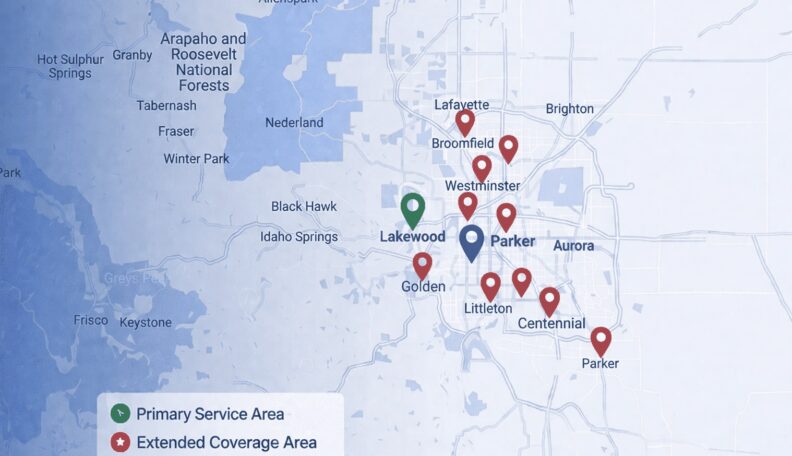
Service Area: 50+ Cities Across Metro Denver
Select Your Nearest Location
Hours: Mon-Fri 8am-5pm
Sunday Emergency Only
Avg Response Time: 18 minutes
Hours: Mon-Fri 8am-5pm
Sunday Emergency Only
Avg Response Time: 18 minutes
Hours: Mon-Fri 8am-5pm
Sunday Emergency Only
Avg Response Time: 18 minutes
Hours: Mon-Fri 8am-5pm
Sunday Emergency Only
Avg Response Time: 18 minutes
Hours: Mon-Fri 8am-5pm
Sunday Emergency Only
Avg Response Time: 18 minutes
Hours: Mon-Fri 8am-5pm
Sunday Emergency Only
Avg Response Time: 18 minutes
Hours: Mon-Fri 8am-5pm
Sunday Emergency Only
Avg Response Time: 18 minutes
Hours: Mon-Fri 8am-5pm
Sunday Emergency Only
Avg Response Time: 18 minutes
Hours: Mon-Fri 8am-5pm
Sunday Emergency Only
Avg Response Time: 18 minutes
Hours: Mon-Fri 8am-5pm
Sunday Emergency Only
Avg Response Time: 18 minutes
Hours: Mon-Fri 8am-5pm
Sunday Emergency Only
Avg Response Time: 18 minutes
Hours: Mon-Fri 8am-5pm
Sunday Emergency Only
Avg Response Time: 18 minutes
Hours: Mon-Fri 8am-5pm
Sunday Emergency Only
Avg Response Time: 18 minutes
Hours: Mon-Fri 8am-5pm
Sunday Emergency Only
Avg Response Time: 18 minutes
Hours: Mon-Fri 8am-5pm
Sunday Emergency Only
Avg Response Time: 18 minutes
We Service: Parker, Castle Rock, Greenwood Village, Lakewood, Littleton, Centennial, Highlands Ranch 40+ More Cities