

Maximizing the Longevity of Your Commercial Garage Door Operator in Parker, CO
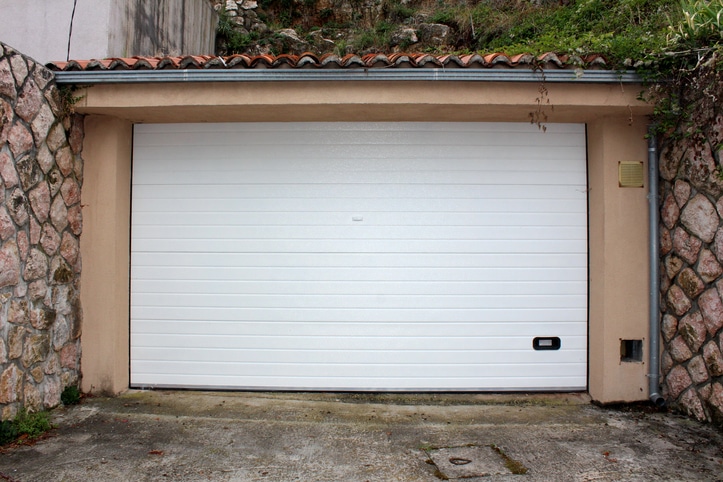
Commercial door openers are crucial for business efficiency, providing easy and secure access. With proper care, you can extend the life of your operator, minimizing disruptions and repair costs.
Here’s how to maximize the longevity of your commercial garage door operator in Parker CO:
-
Schedule Regular Inspections for Early Problem Detection
Frequent inspections help identify wear and tear before it leads to significant issues. A trained technician can examine essential parts, like springs and cables, ensuring they’re in good condition. Early detection of issues helps prevent costly repairs and downtime.
-
Lubricate Moving Parts to Reduce Friction
Lubricating hinges, rollers, and tracks reduces friction and extends the lifespan of your garage door operator. Use a high-quality lubricant specifically designed for garage doors. Proper lubrication improves smooth operation and minimizes strain on the motor.
-
Check for Proper Alignment to Avoid Operator Strain
Misaligned tracks can force your operator to work harder, causing premature wear. Regularly check and adjust the alignment to guarantee smooth door movement. Proper alignment reduces strain, preventing breakdowns and costly commercial garage door spring repair in Parker, CO.
-
Clean the Door Tracks for Smooth Operation
Dirt and debris in the tracks can interfere with the door’s movement, stressing the operator. Clean the tracks regularly to remove dust, grime, and buildup. Keeping the tracks clear guarantees your operator runs efficiently.
-
Adjust the Tension of Springs as Needed
Springs that are too tight or too loose can cause the operator to struggle, leading to increased wear. Have a professional adjust the tension to the correct level for optimal performance. Proper spring tension helps the door operate smoothly without overloading the operator.
Taking these steps can help you maximize the lifespan of your commercial garage door openers, keeping them efficient and reliable for years. Routine maintenance prevents costly repairs and guarantees your business runs smoothly.
Are you searching for “commercial garage doors near me”? Look no further—Select Garage Doors offers expert maintenance and repair services. Call our team at (720) 339-2442 to schedule your service!


Looking for a deal?
Call us or to learn about our current promotions and seasonal offers.


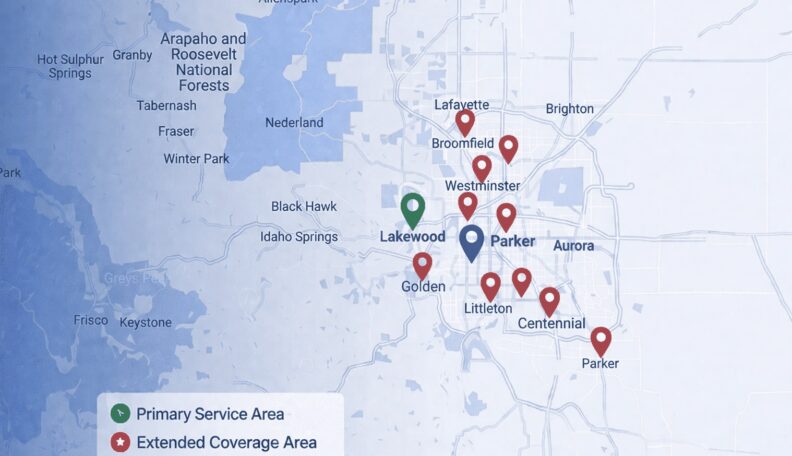
Service Area: 50+ Cities Across Metro Denver
Select Your Nearest Location
Hours: Mon-Fri 8am-5pm
Sunday Emergency Only
Avg Response Time: 18 minutes
Hours: Mon-Fri 8am-5pm
Sunday Emergency Only
Avg Response Time: 18 minutes
Hours: Mon-Fri 8am-5pm
Sunday Emergency Only
Avg Response Time: 18 minutes
Hours: Mon-Fri 8am-5pm
Sunday Emergency Only
Avg Response Time: 18 minutes
Hours: Mon-Fri 8am-5pm
Sunday Emergency Only
Avg Response Time: 18 minutes
Hours: Mon-Fri 8am-5pm
Sunday Emergency Only
Avg Response Time: 18 minutes
Hours: Mon-Fri 8am-5pm
Sunday Emergency Only
Avg Response Time: 18 minutes
Hours: Mon-Fri 8am-5pm
Sunday Emergency Only
Avg Response Time: 18 minutes
Hours: Mon-Fri 8am-5pm
Sunday Emergency Only
Avg Response Time: 18 minutes
Hours: Mon-Fri 8am-5pm
Sunday Emergency Only
Avg Response Time: 18 minutes
Hours: Mon-Fri 8am-5pm
Sunday Emergency Only
Avg Response Time: 18 minutes
Hours: Mon-Fri 8am-5pm
Sunday Emergency Only
Avg Response Time: 18 minutes
Hours: Mon-Fri 8am-5pm
Sunday Emergency Only
Avg Response Time: 18 minutes
Hours: Mon-Fri 8am-5pm
Sunday Emergency Only
Avg Response Time: 18 minutes
Hours: Mon-Fri 8am-5pm
Sunday Emergency Only
Avg Response Time: 18 minutes
We Service: Parker, Castle Rock, Greenwood Village, Lakewood, Littleton, Centennial, Highlands Ranch 40+ More Cities