


How to Diagnose Garage Door Opener Electrical Problems in Parker, CO
Key Takeaways
- Tripped circuit breakers and loose power connections are the most common cause of garage door opener failure in Parker, CO.
- Dirty or misaligned safety sensors send false obstruction signals and stop your door from closing, and they’re usually a quick fix.
- Frayed or damaged wiring is a real electrical hazard; always inspect before running the opener again.
- A simple reset clears most glitches caused by power surges or temporary faults, and it takes under a minute.
- Motor and circuit board failures almost always require professional repair and are not safe DIY territory.
Table of Contents
A garage door opener that won’t run is almost always an electrical problem, not a mechanical one. And if you live in Parker, CO, you’re dealing with the same temperature swings and power fluctuations that trip up openers all across the Denver metro. Select Garage Doors gets calls about this every week: power supply failures, dead sensors, corroded wiring, burnt-out circuit boards. Before you assume the worst, walk through this guide first.
Most electrical opener issues fall into five categories: power supply problems, safety sensor failures, damaged wiring, a need for reset, or a failing motor and circuit board. Each one has a different fix. Some you can handle yourself. Others need a trained technician.
Catching the right category early saves you time and money. A sensor cleaning takes five minutes. A motor replacement takes a service appointment. This guide helps you figure out which situation you’re actually dealing with so you can stop guessing and start fixing.
Power Supply: The First Place to Check
A garage door opener that won’t turn on in Parker, CO is most often caused by a tripped circuit breaker, a loose power cord, or a dead outlet. Before anything else, confirm the opener is plugged in securely, test the outlet with another device, and check your breaker panel for any tripped breakers. These three checks take under two minutes and solve the problem more often than you’d think.
Tripped breakers happen more often than people expect, particularly after storms or power surges in the Parker and Douglas County area. Resetting a breaker takes seconds. If it trips again immediately after you reset it, that’s a sign of a wiring or load problem that goes beyond the opener itself.
Also check the power cord. If the cord is damaged, pinched, or has frayed insulation anywhere along its length, don’t run the opener again until that cord is replaced. A damaged power cord is a fire hazard, not just an inconvenience.
Yes. Power surges can damage the circuit board inside your garage door opener even if the surge is brief. In Parker, CO and across the Denver metro, summer thunderstorms are a frequent cause. A surge protector on the outlet that feeds your opener is a straightforward way to protect the unit from future damage, and it costs far less than a circuit board replacement.
If your opener stopped working right after a storm or a noticeable power flicker, the circuit board is the first thing a technician will check. Some boards can be replaced; others mean replacing the full opener unit.
Safety Sensor Failures
If your garage door reverses or refuses to close in Parker, CO, the safety sensors are almost always the reason. These sensors sit a few inches off the ground on each side of the door frame. If they’re dirty, misaligned, or blocked by anything (even a spider web), the door reads a false obstruction and stops. Cleaning the lenses and realigning the sensors usually fixes this in under five minutes.
Look at the sensor lights. Most sensors have a small LED: one steady green on the receiving side, one steady amber on the sending side. If either light is blinking or completely off, you have an alignment or obstruction issue.
To realign: loosen the wing nut on the sensor bracket, point the sensor so it faces its partner directly across the doorway, and tighten it back down. Then test the door. That’s the full fix in most cases.
If cleaning and realigning doesn’t resolve the issue, the sensor unit itself may be faulty. The low-voltage wiring connecting the sensor to the opener motor can also corrode or get pinched over years of use, especially in Parker, CO garages that see temperature extremes. A sensor replacement is straightforward but does require matching the correct part to your opener’s brand and model.
Don’t assume the wiring is fine just because it looks intact on the outside. A wire that’s been stapled to a wall for 15 years can develop internal breaks that aren’t visible. If the sensor replacement doesn’t fix it, have the wiring run tested next.
Wiring Issues: The Hidden Hazard
Damaged wiring on a garage door opener in Parker, CO typically shows up as intermittent operation, a door that only partially opens, or an opener that hums but doesn’t move. Inspect the wiring harness and the low-voltage wires running from your wall button to the opener unit. Look for fraying, bare copper, or burn marks. Any of those mean the wire needs to be replaced before you run the opener again.
Wiring damage is common in garages that face significant heat and cold cycling, and Parker’s temperature range is no joke. Plastic insulation cracks over time. Staples used during original installation can eventually cut into wire casing. Connections inside the motor unit oxidize, especially in garages that aren’t climate-controlled.
Don’t splice damaged wiring with electrical tape and move on. Replace the damaged section cleanly or have a technician do it. A bad splice is an intermittent fault waiting to happen.
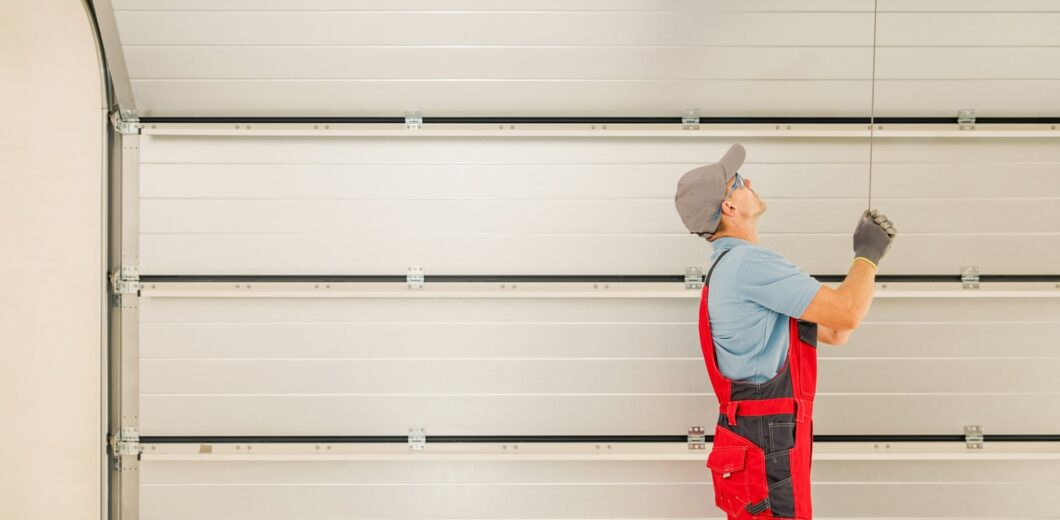
Low-voltage wiring between the wall button and the opener unit is generally safe to handle yourself if you’re comfortable with basic wiring; the voltages involved are very low. The 120V power wiring that feeds the opener’s outlet, however, should only be touched by a licensed electrician. That’s where DIY wiring repairs most often go wrong, and the risks are serious.
When in doubt, stop at the low-voltage work and call in a tech for anything that involves the outlet or the motor unit’s internal wiring. The line between the two is clear once you know where to look.
Resetting Your Opener: The Quick Fix Most People Skip
To reset most garage door openers, find the “Learn” button on the back or side of the motor unit, usually near the antenna wire. Hold it down for about six seconds until the indicator LED goes out. This clears all programmed remotes and resets the unit’s logic. You’ll need to re-pair your remotes and keypad after the reset, which takes another minute or two.
A reset is worth running after any power outage or surge. Temporary electrical faults can leave the logic board in a confused state, and a reset wipes those errors clean without any disassembly.
That said, a reset won’t fix a hardware problem. If the opener hums without movement, or runs for a second and then stops, the issue is mechanical or deeper electrical. A reset won’t help there, but it’s always worth trying first since it costs nothing.
Intermittent operation on a garage door opener in Parker, CO usually comes down to one of three things: a loose wiring connection that makes and breaks contact with vibration, a failing capacitor inside the motor, or radio interference affecting the remote signal. Check all visible connections first. If they’re tight, the intermittent fault likely needs a technician with a multimeter to track down.
Radio interference is worth checking separately. If the opener works fine from the wall button but not the remote, the issue is the remote or the receiver, not the opener’s electrical system. Try replacing the remote’s battery first.
Motor and Circuit Board Problems
A failing garage door opener motor in Parker, CO typically presents as a loud hum with no door movement, a burning smell during operation, or a motor that keeps running past the door’s travel limits. If you hear the motor but the door doesn’t move, the drive mechanism may also be worn. Motor problems require a professional inspection; these aren’t something to diagnose with basic visual checks.
Residential opener motors typically last 10 to 15 years under normal use. If yours is aging and showing multiple symptoms, replacing the full opener unit is often more cost-effective than replacing just the motor, especially when labor costs are factored in.
Circuit boards in garage door openers can sometimes be repaired if a single component has failed, like a burnt resistor or a blown capacitor. In most cases, though, the board is replaced as a unit because sourcing individual components isn’t practical. Replacement boards are available for most major brands but vary considerably in price depending on the model and age of the opener.
Signs of circuit board failure include the opener light flashing in unusual patterns, all remote buttons becoming unresponsive at once, or the unit powering on but not responding to any commands. Water intrusion and power surges are the two most common causes in Parker-area homes.
Should You DIY or Call a Garage Door Repair Tech in Parker, CO?
Parker, CO homeowners can safely handle power supply checks, sensor cleaning and realignment, and basic low-voltage wall button wiring. These tasks require no special tools and carry minimal risk when done carefully. Motor replacement, circuit board repair, and any work involving 120V outlet wiring should go to a trained technician. The risk of getting it wrong is too high.
Here’s a simple way to think about it: if the fix means unplugging something, cleaning a lens, or swapping a low-voltage wire, you can likely handle it. If it means opening the motor unit or working near the breaker panel, call someone. Our guide on when to call a professional for garage door opener repair breaks down the line between DIY and professional work in more detail.
Select Garage Doors is a veteran-owned, BBB A+ rated company serving Parker, CO and the Denver metro. Our technicians are highly trained and certified, and every job comes with a 100% satisfaction guarantee. If you’d rather have a trained set of eyes on your opener, call us at 720-339-2442 or contact us to schedule a visit. We’ll diagnose it fast and give you straight answers on what it needs.
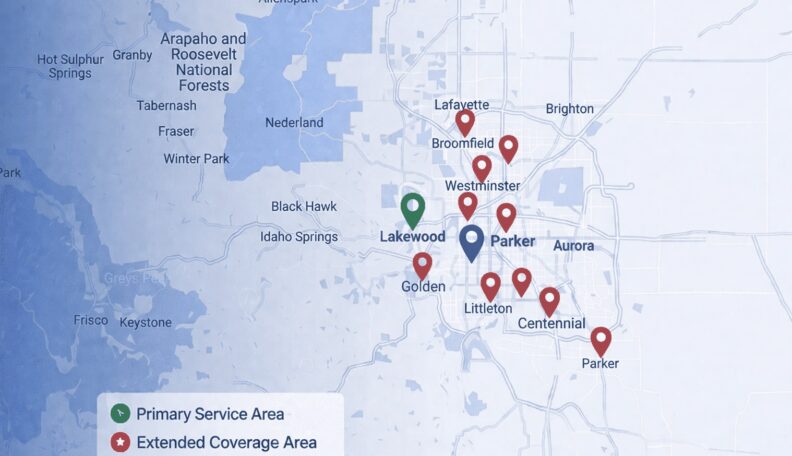
We serve Parker, Castle Rock, Greenwood Village, Lakewood, and the greater Denver metro area. Whatever your opener is doing, we’ve seen it before.
Frequently Asked Questions
What causes a garage door opener to stop working suddenly in Parker, CO?
Sudden opener failure in Parker, CO is most often caused by a tripped circuit breaker, a blown fuse in the unit, a power surge that damaged the circuit board, or a snapped drive belt or chain. Start with the power supply check before assuming the motor or board has failed. Most sudden stops have a simple electrical cause.
How often should garage door opener wiring be inspected?
Garage door opener wiring should be visually inspected once a year as part of routine garage door maintenance. In Parker, CO, where temperature swings between seasons are significant, checking in both spring and fall is a good habit. Look for cracking insulation, loose connections at the motor unit, and any signs of rodent damage along the wire runs.
My garage door opener light blinks but the door won’t move. What does that mean?
A blinking light on your opener is the unit’s way of reporting an error code. The number of blinks corresponds to a specific fault. Check your opener’s manual or look up the blink pattern by model number. Common causes include a blocked or misaligned safety sensor, a limit switch issue, or a problem with the drive mechanism. In Parker, CO, sensor faults from temperature-related misalignment are especially common in early spring.
Can cold weather in Parker, CO affect my garage door opener?
Yes. Cold weather thickens the lubricant on the drive screw or chain, increases spring tension, and can cause metal components to contract enough that limit switches trigger prematurely. The opener’s motor then works harder to compensate, which accelerates wear. Lubricating the drive mechanism and springs before winter helps, but an opener struggling in cold weather may also have an underlying mechanical issue worth checking.
How much does garage door opener repair cost in Parker, CO?
Garage door opener repair costs in Parker, CO vary depending on the problem. If the opener is older and the repair cost approaches the price of a new unit, replacement is often the better investment. A technician can give you a straight comparison on the spot.
Is it safe to use a garage door opener with damaged wiring?
No. Operating a garage door opener with damaged wiring is a fire hazard and can cause unpredictable door behavior, including the door closing unexpectedly. Disconnect the opener from power and disengage the trolley so you can operate the door manually until the wiring is repaired. Don’t run the opener again until the damaged section has been properly replaced.
How long do garage door openers typically last?
Most residential garage door openers in Parker, CO last between 10 and 15 years with normal use and basic maintenance. Higher-end models with DC motors tend to last longer than older chain-drive units. If your opener is past the 12-year mark and starting to show electrical or mechanical symptoms, it’s worth getting a professional assessment on whether repair or full replacement makes more sense for your situation.


Looking for a deal?
Call us or to learn about our current promotions and seasonal offers.


Service Area: 50+ Cities Across Metro Denver
Select Your Nearest Location
Hours: Mon-Fri 8am-5pm
Sunday Emergency Only
Avg Response Time: 18 minutes
Hours: Mon-Fri 8am-5pm
Sunday Emergency Only
Avg Response Time: 18 minutes
Hours: Mon-Fri 8am-5pm
Sunday Emergency Only
Avg Response Time: 18 minutes
Hours: Mon-Fri 8am-5pm
Sunday Emergency Only
Avg Response Time: 18 minutes
Hours: Mon-Fri 8am-5pm
Sunday Emergency Only
Avg Response Time: 18 minutes
Hours: Mon-Fri 8am-5pm
Sunday Emergency Only
Avg Response Time: 18 minutes
Hours: Mon-Fri 8am-5pm
Sunday Emergency Only
Avg Response Time: 18 minutes
Hours: Mon-Fri 8am-5pm
Sunday Emergency Only
Avg Response Time: 18 minutes
Hours: Mon-Fri 8am-5pm
Sunday Emergency Only
Avg Response Time: 18 minutes
Hours: Mon-Fri 8am-5pm
Sunday Emergency Only
Avg Response Time: 18 minutes
Hours: Mon-Fri 8am-5pm
Sunday Emergency Only
Avg Response Time: 18 minutes
Hours: Mon-Fri 8am-5pm
Sunday Emergency Only
Avg Response Time: 18 minutes
Hours: Mon-Fri 8am-5pm
Sunday Emergency Only
Avg Response Time: 18 minutes
Hours: Mon-Fri 8am-5pm
Sunday Emergency Only
Avg Response Time: 18 minutes
Hours: Mon-Fri 8am-5pm
Sunday Emergency Only
Avg Response Time: 18 minutes
We Service: Parker, Castle Rock, Greenwood Village, Lakewood, Littleton, Centennial, Highlands Ranch 40+ More Cities