


Spring Garage Door Opener Repair in Parker, CO
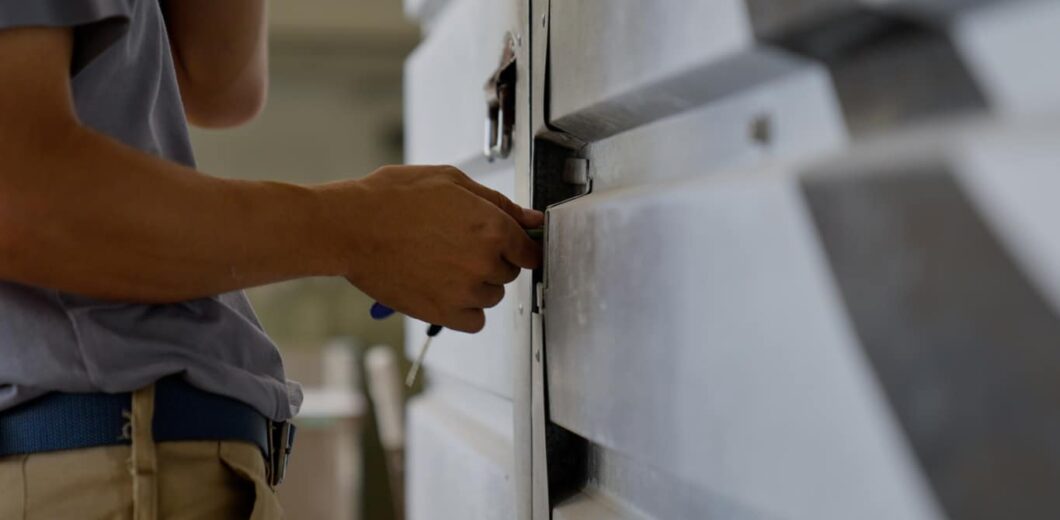
Colorado winters are hard on garage doors. Freezing nights, road salt, and months of heavy use leave openers stiff, noisy, and overdue for attention. Spring is the natural moment to catch those problems in Parker, before the busy summer stretch puts the door through its paces all over again.
At Select Garage Doors, we are a veteran-owned team serving Parker and the Denver Metro, and we back our work with a 100% Satisfaction Guarantee. Most of the checks below take only a wrench, a flashlight, and about half an hour.
A short spring check now is what keeps a worn roller from turning into an emergency repair in July.
Why Spring Is the Best Time to Service Your Opener
Cold weather thickens lubricant, stiffens rollers, and makes metal parts contract and grind. After a Denver Metro winter, an opener that worked fine in October can sound rough and strain on every lift. Spring gives you a calm window to reset all of that before summer heat and daily traffic add more wear. A little attention in April saves you from a stuck door on the hottest week of the year.
Your Spring Opener Maintenance Checklist
Work through these five steps in order. Each one takes a few minutes, and together they cover the parts most likely to fail.
Run a Full Visual Inspection
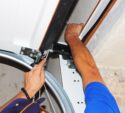
Start with your eyes before you touch anything. Walk the door from top to bottom and look for the trouble spots that quietly get worse over winter.
- Cables: check for fraying, rust, or slack.
- Tracks: look for dents, bends, or misalignment.
- Rollers: watch for cracks, flat spots, or wobble.
- Hardware: spot loose bolts, hinges, and brackets.
- Bottom seal: note any gaps where cold air or pests get in.
Test the Safety Sensors
Your opener has photo-eye sensors near the floor on both sides of the door. Set a box or roll of paper towels in the door’s path and press close. The door should stop and reverse the moment it senses the object. If it does not, clean the sensor lenses, confirm they line up, and test again before using the door normally.
Lubricate the Moving Parts
Lubrication is the single best habit for a quiet, long-lasting opener. Apply a silicone or lithium-based spray to the rollers, hinges, springs, and the opener chain or screw. Skip WD-40 for this job, as it cleans and degreases rather than lubricating, so it actually strips the protection you want.
Check the Door Balance
Pull the release cord to disconnect the opener, then lift the door by hand to about waist height and let go. A balanced door holds its position. If it slides shut or springs upward, the spring tension is off, and that is a job to leave to a garage door technician rather than adjust yourself.
Inspect the Electrical System
Look over the wiring running to the opener and the outlet it plugs into. Check for frayed cords, loose connections, and any scorching around the plug. Replace nothing live yourself, but flag anything that looks damaged so it can be repaired before it causes a fault.
How Often to Tackle Each Task
Spring is the big seasonal reset, but a few of these checks pay off on a tighter schedule. Here is a simple rhythm to keep the opener healthy year round.
| Task | How Often | Why It Matters |
|---|---|---|
| Safety sensor test | Monthly | Confirms the door reverses and protects kids and pets |
| Visual inspection | Each season | Catches loose hardware before it fails |
| Lubrication | Twice a year | Reduces friction and wear on rollers and hinges |
| Balance check | Twice a year | Prevents strain that shortens opener life |
| Electrical check | Twice a year | Spots frayed wires before they cause a malfunction |
| Professional tune-up | Once a year | Covers spring tension and adjustments best left to a pro |
Know When to Hand It Off to a Pro
The checklist above keeps you ahead of most problems, but a few things are not worth the risk. Spring tension, gear and motor repairs, and live electrical work all carry real danger and are easy to make worse. If the door still strains after a tune-up, reverses for no reason, or moves in jerks, that is the line where maintenance ends and repair begins.
That is where we come in. You can book a seasonal tune-up with our Parker team, and we will handle the parts that are unsafe to tackle alone. When something feels off with your opener, call us at (720) 339-2442 and we will get it running right.
Frequently Asked Questions
How often should I do garage door opener maintenance?
Do a visual check each season, test the safety sensors monthly, and lubricate twice a year. Add one professional tune-up annually to cover the parts you cannot safely service yourself.
What kind of lubricant should I use on my garage door?
Use a silicone or lithium-based spray on the rollers, hinges, springs, and chain. Avoid WD-40 for lubrication, since it degreases and cleans rather than protecting the moving parts.
How do I test if my garage door is balanced?
Disconnect the opener with the release cord, then lift the door by hand to about waist height. A balanced door holds its position; if it drops or rises on its own, the springs need adjustment.
How do I test my garage door safety sensors?
Place an object in the door’s path and press close. The door should stop and reverse the instant it detects the object. If it does not, clean and realign the sensor lenses, then test again.
Why is my opener louder or slower after winter?
Cold weather thickens old lubricant and stiffens rollers and springs. A spring cleaning, fresh lubrication, and a balance check usually quiet things back down.
Can I adjust the garage door springs myself?
No. Torsion springs are under extreme tension and can cause serious injury if they slip. Leave any spring adjustment to a trained technician.
What are signs my opener needs repair, not just maintenance?
Watch for a door that reverses for no reason, moves in jerks, grinds loudly, or responds only some of the time. Those point to a repair rather than routine upkeep.
Do I still need professional service if I do my own checks?
Yes. Your checks handle the basics, but an annual professional visit catches spring, gear, and alignment issues that are unsafe or hard to inspect on your own.

Looking for a deal?
Call us or to learn about our current promotions and seasonal offers.



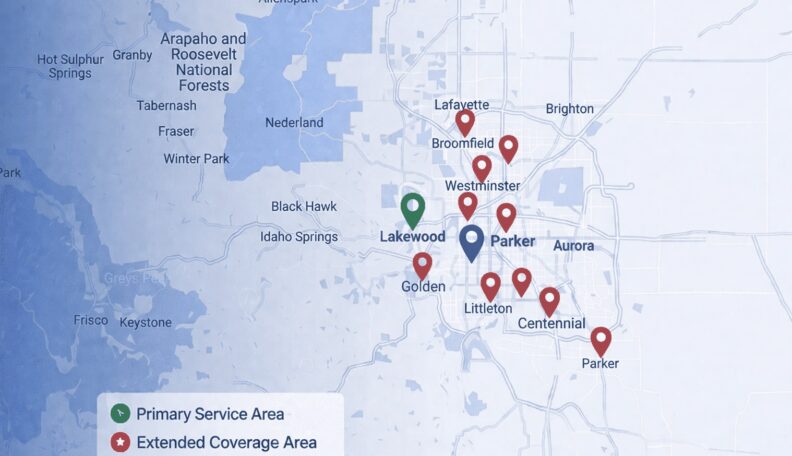
Service Area: 50+ Cities Across Metro Denver
Select Your Nearest Location
Hours: Mon-Fri 8am-5pm
Sunday Emergency Only
Avg Response Time: 18 minutes
Hours: Mon-Fri 8am-5pm
Sunday Emergency Only
Avg Response Time: 18 minutes
Hours: Mon-Fri 8am-5pm
Sunday Emergency Only
Avg Response Time: 18 minutes
Hours: Mon-Fri 8am-5pm
Sunday Emergency Only
Avg Response Time: 18 minutes
Hours: Mon-Fri 8am-5pm
Sunday Emergency Only
Avg Response Time: 18 minutes
Hours: Mon-Fri 8am-5pm
Sunday Emergency Only
Avg Response Time: 18 minutes
Hours: Mon-Fri 8am-5pm
Sunday Emergency Only
Avg Response Time: 18 minutes
Hours: Mon-Fri 8am-5pm
Sunday Emergency Only
Avg Response Time: 18 minutes
Hours: Mon-Fri 8am-5pm
Sunday Emergency Only
Avg Response Time: 18 minutes
Hours: Mon-Fri 8am-5pm
Sunday Emergency Only
Avg Response Time: 18 minutes
Hours: Mon-Fri 8am-5pm
Sunday Emergency Only
Avg Response Time: 18 minutes
Hours: Mon-Fri 8am-5pm
Sunday Emergency Only
Avg Response Time: 18 minutes
Hours: Mon-Fri 8am-5pm
Sunday Emergency Only
Avg Response Time: 18 minutes
Hours: Mon-Fri 8am-5pm
Sunday Emergency Only
Avg Response Time: 18 minutes
Hours: Mon-Fri 8am-5pm
Sunday Emergency Only
Avg Response Time: 18 minutes
We Service: Parker, Castle Rock, Greenwood Village, Lakewood, Littleton, Centennial, Highlands Ranch 40+ More Cities