

How Do Parker’s Dust and Elevation Impact Your Garage Door Components?
Parker’s fine dust and higher elevation work on garage door components from two directions at once: dust fouls the sensors, tracks, and rollers, while the elevation’s stronger sun and drier air age the seals, lubricant, and finishes.
Key Takeaways
- Dust is a mechanical problem: it coats sensor lenses and grinds inside rollers and tracks.
- Elevation is an exposure problem: stronger sun and drier air age rubber and lubricant faster.
- Each component on the door has a specific weak point in this environment.
- Most dust-and-dryness wear is invisible until it becomes a service call.
- Select Garage Doors is based in Parker and builds its inspections around these exact local wear patterns.
Two features of life in Parker rarely make it into national garage door advice: the fine dust that drifts across the front range, and what a higher-elevation sky does to everything it shines on. Select Garage Doors is headquartered here, and both factors show up in the company’s service calls week after week. This is what those two forces actually do to a garage door, broken down component by component.
What Makes Parker’s Environment Different for Garage Door Components?
Dust attacks the parts that move and sense, while elevation-driven sun and dryness attack the parts that seal and protect, so the whole door ages on two fronts.
The split matters because the two forces call for different responses: dust wants regular cleaning, dryness wants timely lubrication and seal replacement. The cosmetic side of the elevation story, faded and sun-bleached panels, is covered in the Select guide on how UV exposure at high elevation fades garage doors. The table below covers the mechanical side.
| Component | What Dust Does | What Sun and Dry Air Do |
|---|---|---|
| Safety sensors | Coats lenses, causing false reversals | Direct sun can interfere with the beam |
| Rollers and tracks | Acts like grit inside moving parts | Dries the lubricant that protects them |
| Weatherstripping and seals | Works into gaps as seals shrink | Cracks and stiffens the rubber itself |
| Springs and hinges | Buildup adds friction to every cycle | Dry metal wears faster without lubrication |
Which Components Wear Fastest in Parker?
Sensor lenses, weatherstripping, and rollers top the list, because each one sits directly in the path of either the dust or the dryness.
Sensors live near the floor where dust settles thickest, so they foul first. Weatherstripping faces sun and dry air on the door’s most exposed edge, so it cracks next. Rollers grind quietly on gritty tracks until the door starts announcing itself. Springs take longer to show the environment’s work, but they carry the heaviest consequence when they finally do. The technicians at the Select Garage Doors Parker location check these four in that order on nearly every local visit, because that is the order this environment attacks them. Openers deserve an honorable mention too: a motor that spends months hauling a door over gritty rollers and dry hinges works harder than its design assumes, so component wear anywhere on the list eventually lands on the opener as well. Fixing the small parts protects the big one.
What Signs Should Parker Homeowners Watch For?
Watch for a door that reverses without cause, grinding or scraping sounds, visible cracks in the bottom seal, and daylight showing around the closed door’s edges.
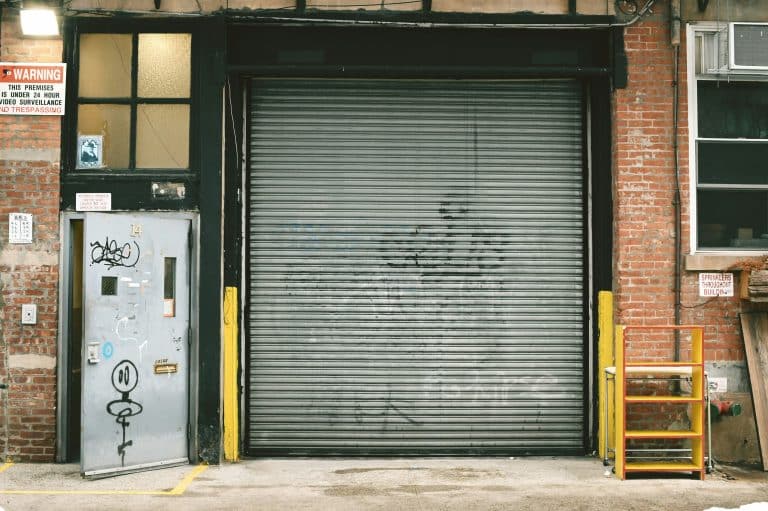
Each sign maps back to the wear above. False reversals usually mean dusty or misaligned sensors. Grinding means rollers or tracks running dry and gritty. Cracked seals and visible daylight mean the weatherstripping has finished its service life. The helpful part is that all of these are cheap findings when caught early: a cleaning, a lubrication, a seal swap. Left alone, the same causes graduate into opener strain, bent tracks, and spring fatigue, which are a different order of repair. A useful habit for Parker homes is a quick look and listen at the change of each season: one full open-and-close cycle with attention on sound, speed, and how the door sits when closed tells a homeowner most of what this list would.
How Do Professionals Counter Dust and Elevation Wear?
A professional visit cleans and realigns the sensors, applies lubrication suited to dry conditions, replaces tired seals, and checks the springs that homeowners cannot safely evaluate themselves.
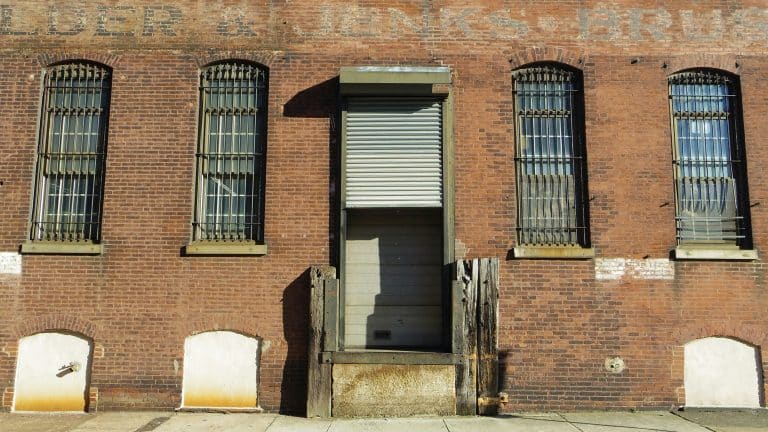
Homeowners can and should wipe sensor lenses and keep tracks clear of clutter. The rest rewards training: lubricant choice matters in a dry climate, seal replacement is precision work on a moving door, and spring evaluation is never a DIY task under any circumstances. Select Garage Doors, veteran-owned, licensed and insured, with 1,900+ five-star reviews and a 5-year parts warranty, completes most Parker visits the same day. The easiest defense against an environment that never stops working is to schedule a consultation and let a technician reset the clock on all four components at once.
Frequently Asked Questions
Does dust really cause garage door problems?
Yes. Fine dust coats safety sensor lenses, causing false reversals, and works into rollers and tracks where it grinds like fine grit with every cycle. Regular cleaning keeps both under control.
How does elevation affect a garage door?
Higher elevation means stronger sun and drier air. That combination ages rubber seals, dries out lubricant, and fades finishes faster than lower, more humid places, so the door’s protective layers wear sooner.
Why does my garage door reverse for no reason?
Dust on the sensor lenses is the most common local cause, followed by sensor misalignment and direct sun on the receiving eye. Gently wipe the lenses first; if it continues, have a technician check alignment and wiring.
How can I tell if my weatherstripping is worn out?
Look for visible cracks, stiff or crumbling rubber, and daylight showing around the edges of the closed door. Any of those means the seal has stopped doing its job and should be replaced.
What lubrication does a dry climate need?
Dry conditions call for lubricants that hold up without attracting dust, applied to the right points on rollers, hinges, and springs. A technician matches the product to the climate, which is part of why professional tune-ups outlast garage-shelf fixes.
Can I clean garage door sensors myself?
Yes. A gentle wipe with a soft, dry cloth is safe for any homeowner and solves many false-reversal problems. If the indicator lights still blink after cleaning, professional alignment is the next step.
Are springs affected by dust and dryness too?
Yes, more slowly but with bigger consequences. Buildup adds friction and dry metal wears faster, adding fatigue to parts already under heavy tension. Spring checks belong to professionals only.
Does Select Garage Doors know Parker’s conditions well?
Select is headquartered in Parker and services local doors daily. The company is licensed and insured, veteran-owned since 2019, BBB A+ rated, with a 24/7 call line and same-day completion on most calls.


Looking for a deal?
Call us or to learn about our current promotions and seasonal offers.


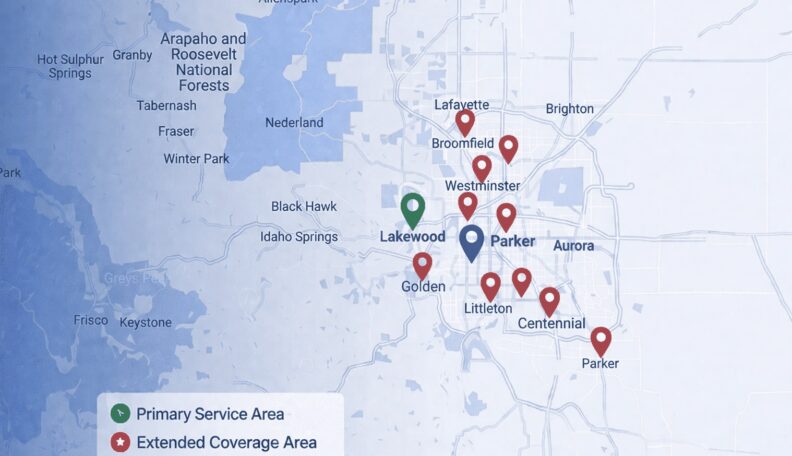
Service Area: 50+ Cities Across Metro Denver
Select Your Nearest Location
Hours: Mon-Fri 8am-5pm
Sunday Emergency Only
Avg Response Time: 18 minutes
Hours: Mon-Fri 8am-5pm
Sunday Emergency Only
Avg Response Time: 18 minutes
Hours: Mon-Fri 8am-5pm
Sunday Emergency Only
Avg Response Time: 18 minutes
Hours: Mon-Fri 8am-5pm
Sunday Emergency Only
Avg Response Time: 18 minutes
Hours: Mon-Fri 8am-5pm
Sunday Emergency Only
Avg Response Time: 18 minutes
Hours: Mon-Fri 8am-5pm
Sunday Emergency Only
Avg Response Time: 18 minutes
Hours: Mon-Fri 8am-5pm
Sunday Emergency Only
Avg Response Time: 18 minutes
Hours: Mon-Fri 8am-5pm
Sunday Emergency Only
Avg Response Time: 18 minutes
Hours: Mon-Fri 8am-5pm
Sunday Emergency Only
Avg Response Time: 18 minutes
Hours: Mon-Fri 8am-5pm
Sunday Emergency Only
Avg Response Time: 18 minutes
Hours: Mon-Fri 8am-5pm
Sunday Emergency Only
Avg Response Time: 18 minutes
Hours: Mon-Fri 8am-5pm
Sunday Emergency Only
Avg Response Time: 18 minutes
Hours: Mon-Fri 8am-5pm
Sunday Emergency Only
Avg Response Time: 18 minutes
Hours: Mon-Fri 8am-5pm
Sunday Emergency Only
Avg Response Time: 18 minutes
Hours: Mon-Fri 8am-5pm
Sunday Emergency Only
Avg Response Time: 18 minutes
We Service: Parker, Castle Rock, Greenwood Village, Lakewood, Littleton, Centennial, Highlands Ranch 40+ More Cities