
How Do You Choose a Commercial Garage Door Operator in Greenwood Village, CO?
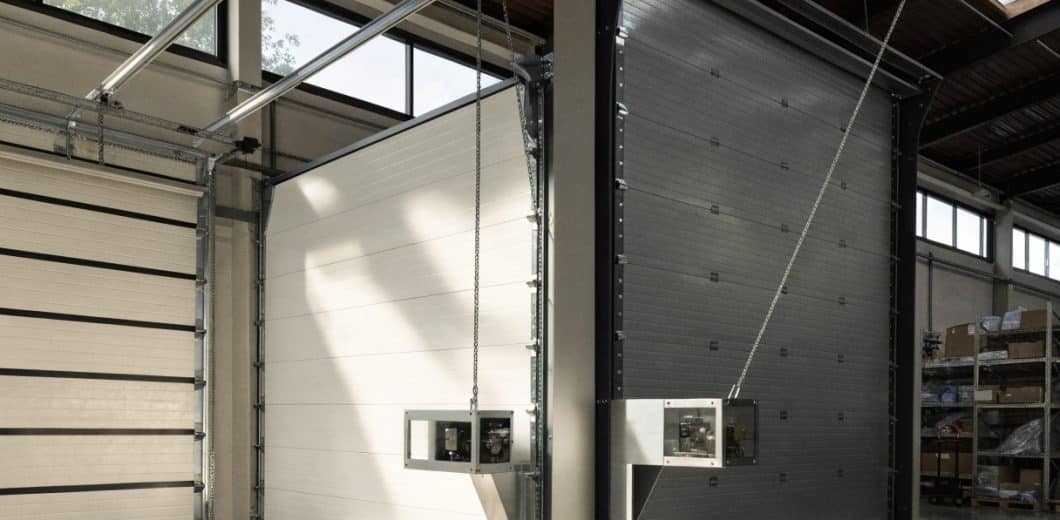
Choosing a commercial garage door operator in Greenwood Village, CO depends on door size, daily cycle count, ceiling clearance, and security needs. Trolley operators work for standard setups, jackshaft models save overhead space, and hoist operators handle large, heavy doors in high-traffic facilities.
Key Takeaways
- Trolley operators are the most common commercial option, rated for up to 25 cycles per hour in standard-duty models
- Jackshaft operators mount to the wall and free up ceiling space for lighting, HVAC, or storage
- Hoist operators handle the largest and heaviest doors in warehouses and industrial settings
- Duty cycle rating matters more than horsepower when matching an operator to your business traffic
- Select Garage Doors serves Greenwood Village businesses with licensed commercial installation and a 5-year parts warranty
A commercial garage door operator is not a residential opener with a bigger motor. Commercial operators are built for heavier doors, higher cycle counts, and tougher safety requirements. Picking the wrong one leads to frequent breakdowns, wasted energy, and potential liability. Select Garage Doors helps Greenwood Village business owners match the right operator to their door type, traffic volume, and facility layout.
What Are the Main Types of Commercial Garage Door Operators?
The three primary types are trolley (ceiling-mounted), jackshaft (wall-mounted), and hoist (wall-mounted for heavy-duty vertical-lift doors). Each design fits a different building layout and usage pattern.
Trolley Operators
Trolley operators mount to the ceiling with a rail that runs above the door. A trolley carriage moves along the rail to lift and lower the door. Standard-duty trolley models handle up to 25 cycles per hour with 250,000 lifetime cycles. They work well for most retail, office, and light commercial spaces. Business owners with questions about the installation process can schedule a consultation with a commercial technician.
Jackshaft Operators
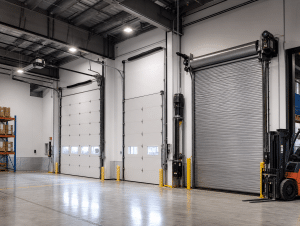 Jackshaft operators mount to the wall beside the door header. The drive shaft extends across the top of the door and turns the torsion spring barrel to lift the door. Because nothing hangs from the ceiling, jackshaft models free up overhead space for sprinklers, HVAC ducts, lighting, or storage. They are the best choice when ceiling clearance is limited.
Hoist Operators
Hoist operators also mount to the wall but are built for the heaviest commercial and industrial doors. They use a chain-driven mechanism that provides manual operation during power outages. Hoist models are common in warehouses, distribution centers, and manufacturing plants where doors may weigh several hundred pounds and cycle dozens of times per day.
Why Does Duty Cycle Matter More Than Horsepower?
Horsepower determines how much weight an operator can lift, but duty cycle determines how often it can do so without overheating or wearing out prematurely. A half-horsepower operator rated for continuous duty will outlast a one-horsepower unit rated for light duty in a high-traffic facility.
Duty Cycle Classifications
Light duty handles up to 25 cycles per day and fits small businesses with minimal door traffic. Standard duty covers 25 to 75 cycles per day and works for mid-size operations like auto shops and retail loading areas. Heavy duty handles 75 to 200 or more cycles per day and is built for warehouses, distribution centers, and any facility where the door runs frequently throughout the shift.
Matching Operator to Traffic
Count how many times the door opens and closes in a typical business day. Multiply that by the number of operating days per week. If a loading dock door cycles 80 times a day, five days a week, a light-duty operator will burn out within months. A heavy-duty continuous-cycle operator handles that volume without strain.
What Should Greenwood Village Businesses Consider When Choosing an Operator?
Greenwood Village has a mix of office parks, retail centers, and mixed-use properties. Building codes, noise restrictions, and aesthetic standards in the area may affect which operator type and installation approach works best for a given property.
Building Layout and Codes
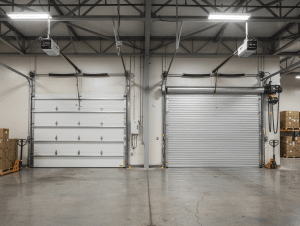 Many commercial spaces in Greenwood Village have shared walls, limited ceiling height, or fire-rated door requirements. Jackshaft operators are popular in these settings because they keep the ceiling clear for sprinkler compliance. Business owners in Greenwood Village should confirm door weight, opening dimensions, and any building code requirements before selecting an operator.
Noise and Aesthetics
Belt-driven trolley operators run quieter than chain-driven models, which matters in mixed-use buildings where office tenants share walls with commercial bays. Jackshaft operators also tend to run quietly because the motor sits on the wall rather than vibrating against ceiling joists.
What Safety Features Should a Commercial Operator Include?
UL 325 requires all commercial door operators to incorporate at least two distinct types of entrapment protection. Common safety features include photo-eye sensors, monitored edge devices, and timer-to-close with pre-alarm warnings.
UL 325 Compliance
Every commercial operator sold in the United States must meet UL 325 safety standards. This means the unit must have at least two forms of entrapment protection, such as a photo-eye sensor paired with a monitored sensing edge. If either device detects an obstruction, the door must stop and reverse.
Smart Controls and Monitoring
Modern commercial operators offer smartphone monitoring, usage logging, and diagnostic alerts that notify facility managers when maintenance is due or a fault occurs. These features reduce unexpected downtime and help businesses plan maintenance proactively. For more on choosing the right installer, business owners can review questions to ask before hiring an installation company.
Frequently Asked Questions
What is the difference between a garage door opener and an operator?
An opener is the residential term for the motorized unit that lifts a garage door. An operator is the commercial equivalent, built for heavier doors, higher cycle counts, and stricter safety standards. The two are not interchangeable.
How long does a commercial garage door operator last?
Standard-duty operators are typically rated for 250,000 lifetime cycles. Heavy-duty continuous-cycle models can reach 500,000 or more cycles with proper maintenance. Lifespan depends on daily cycle count and environmental conditions.
Can you retrofit a new operator onto an existing commercial door?
In most cases, yes. A technician will assess the door weight, spring system, and mounting options to determine the right operator. Some older doors may need updated brackets or wiring.
What horsepower does a commercial garage door operator need?
Most commercial operators range from one-half to two horsepower. Door weight and size determine the minimum. A standard 12-by-12-foot sectional door typically needs a half to three-quarter horsepower operator. Larger or heavier doors require one horsepower or more.
How much does a commercial garage door operator cost?
Pricing varies by type and duty rating. Installation is additional.
Is a jackshaft operator quieter than a trolley operator?
Generally, yes. Jackshaft operators mount to the wall and transmit less vibration to the building structure than ceiling-mounted trolley models. Belt-driven trolley operators are quieter than chain-driven ones, but jackshaft models tend to be the quietest overall.
Do commercial operators require regular maintenance?
Yes. Quarterly lubrication, safety sensor testing, and chain or belt tension checks keep operators running reliably. Most manufacturers recommend professional inspections at least twice a year for standard-duty operators and quarterly for heavy-duty models.
Does Select Garage Doors install commercial operators?
Yes. Select Garage Doors is a veteran-owned company that serves Greenwood Village and the greater Denver metro area. The team is licensed and insured, and commercial installations include a 5-year parts warranty.

Looking for a deal?
Call us or to learn about our current promotions and seasonal offers.


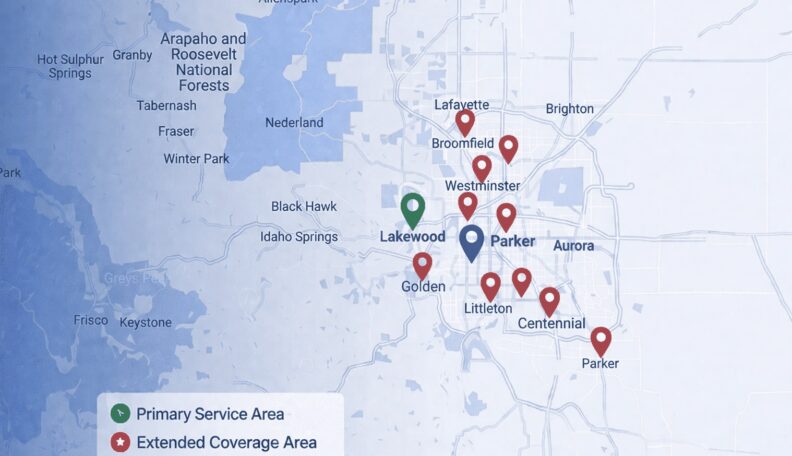
Service Area: 50+ Cities Across Metro Denver
Select Your Nearest Location
Hours: Mon-Fri 8am-5pm
Sunday Emergency Only
Avg Response Time: 18 minutes
Hours: Mon-Fri 8am-5pm
Sunday Emergency Only
Avg Response Time: 18 minutes
Hours: Mon-Fri 8am-5pm
Sunday Emergency Only
Avg Response Time: 18 minutes
Hours: Mon-Fri 8am-5pm
Sunday Emergency Only
Avg Response Time: 18 minutes
Hours: Mon-Fri 8am-5pm
Sunday Emergency Only
Avg Response Time: 18 minutes
Hours: Mon-Fri 8am-5pm
Sunday Emergency Only
Avg Response Time: 18 minutes
Hours: Mon-Fri 8am-5pm
Sunday Emergency Only
Avg Response Time: 18 minutes
Hours: Mon-Fri 8am-5pm
Sunday Emergency Only
Avg Response Time: 18 minutes
Hours: Mon-Fri 8am-5pm
Sunday Emergency Only
Avg Response Time: 18 minutes
Hours: Mon-Fri 8am-5pm
Sunday Emergency Only
Avg Response Time: 18 minutes
Hours: Mon-Fri 8am-5pm
Sunday Emergency Only
Avg Response Time: 18 minutes
Hours: Mon-Fri 8am-5pm
Sunday Emergency Only
Avg Response Time: 18 minutes
Hours: Mon-Fri 8am-5pm
Sunday Emergency Only
Avg Response Time: 18 minutes
Hours: Mon-Fri 8am-5pm
Sunday Emergency Only
Avg Response Time: 18 minutes
Hours: Mon-Fri 8am-5pm
Sunday Emergency Only
Avg Response Time: 18 minutes
We Service: Parker, Castle Rock, Greenwood Village, Lakewood, Littleton, Centennial, Highlands Ranch 40+ More Cities