

When to Call a Professional for a Garage Door Opener Repair in Parker, CO
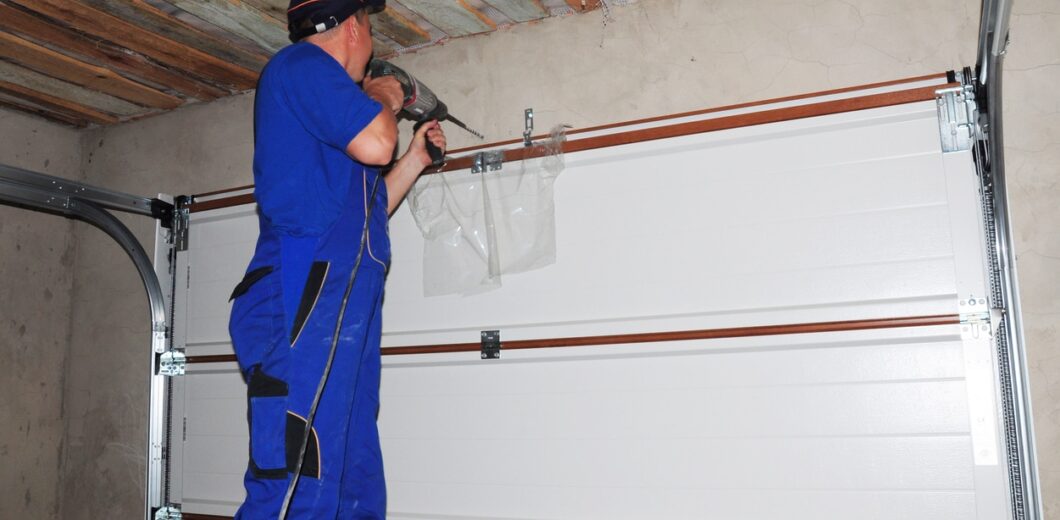
Is your garage door opener making a sound it did not make last year, cycling halfway and reversing, or ignoring the remote some mornings? Those are not quirks. They are early signs of mechanical, electrical, or safety-system failure, and they almost always grow into a bigger repair if left alone.
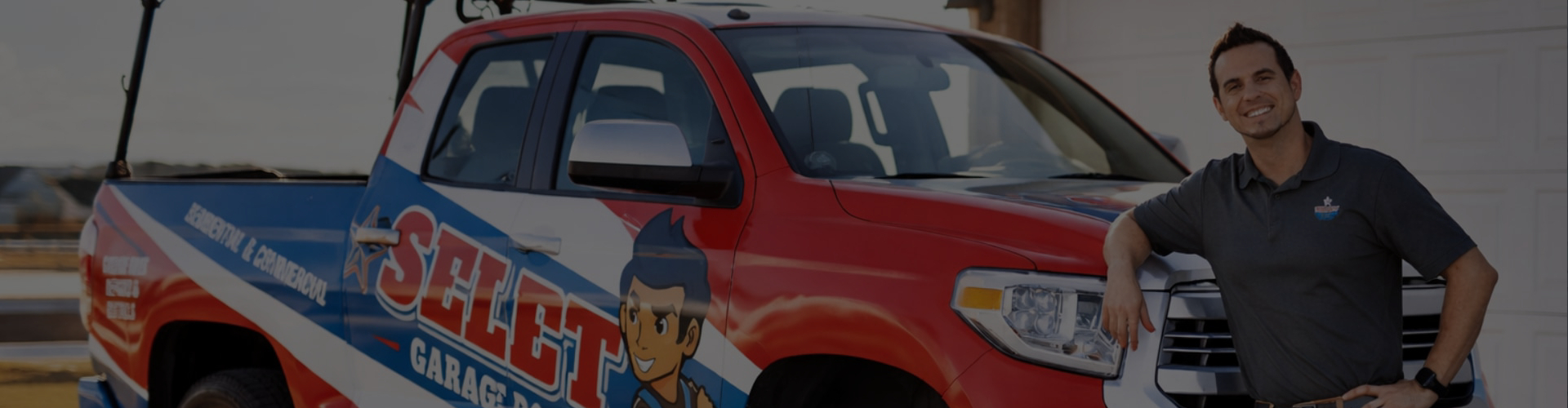
At Select Garage Doors, we are a veteran-owned shop based in Parker, CO that handles opener diagnostics and repair across the Denver Metro area. Our team has seen every flavor of opener failure that shows up on Front Range driveways, and the symptoms below are the ones we tell homeowners to never ignore. If your opener is acting up right now, reach our team at Select Garage Doors for service backed by our 100% Satisfaction Guarantee.
Grinding, Scraping, or Rattling Sounds You Did Not Hear Last Year
A garage door opener that runs quietly through its rated cycle should keep doing that for years. New noise during the cycle (grinding from the gear chamber, scraping from the rail, or rattling from the door panels) is the opener telling you something has shifted inside the system.
Common sources of new opener noise:
- Worn nylon gears in the drive head, especially on older chain drives
- A drive chain or belt that has stretched past its tension spec
- Rollers running rough on a dry track
- Loose mounting bolts in the header bracket
- An opener motor with bearing wear, usually the loudest of the five
Running a noisy opener for weeks usually turns a forty-dollar gear replacement into a full motor swap. Worth catching early.
Intermittent Response or Halfway Cycles
An opener that opens fully on Monday and quits halfway on Tuesday is rarely a remote battery issue. The pattern usually points to a logic board fault, a limit switch out of spec, or a photo eye sensor sending an interrupted signal that the opener reads as an obstruction.
What an Intermittent Opener Failure Usually Means
- Limit switches set incorrectly after a recent spring change
- Photo eye misalignment, often from a bumped bracket
- A logic board that loses memory after a power fluctuation
- A worn travel module on smart openers, common after five-plus years of daily use
- A remote signal jammed by a newer wireless device in the garage
The diagnostic tools that test logic boards and limit switches under load are not in most home toolkits, which is the main reason this category sends people to call us.
Visible Wear on Cables, Chains, or Hardware
A weekly glance at the spring shaft, the chain or belt, and the cable drums catches most opener-adjacent failures before they leave you stranded. Frayed cables, a sagging chain, or rust on the drum hardware all change how the opener handles the door’s weight and can lead to a sudden drop.
Specific visible signs that mean the work is past DIY:
- Cable strands fraying near the drum
- Chain or belt sagging more than half an inch below the rail
- Rust pitting on rollers, hinges, or the spring shaft
- Drum cracks visible from below
- Bottom bracket bolts pulling away from the panel
A loose cable under spring load is one of the most dangerous configurations in a garage. If you see frayed strands or a cable that has jumped its drum groove, stop using the door until we look at it.
Safety Sensor and Auto-Reverse Failures
Federal regulations require every garage door opener built since 1993 to reverse on contact with an object and to respond to a photo eye blockage. When those features stop working, the door becomes a hazard to pets, kids, and the car parked in the driveway behind it. This is the symptom we treat as non-negotiable.
A failing reversal mechanism shows up in two ways: the door fails to reverse when you place a 1.5-inch object on the threshold during a close cycle, or the door reverses inconsistently when nothing is in the way. Both point to misaligned photo eyes, a worn down-force adjustment, or a logic board that is no longer reading sensor inputs reliably.
Do not bypass the photo eyes by taping them up or shorting the wires. The door’s reversal feature is the last line of defense between the opener and an accident.
Recurring Problems That Survived a DIY Fix
The most common reason homeowners eventually call us is not a brand-new issue. It is the same issue, returning for the third time. A reset, a battery swap, or a tightened bolt buys a few days of normal operation, then the opener fails the same way it failed before. That pattern almost always means the root cause was somewhere else in the system.
When to Stop the DIY Loop
A quick reference for which symptom belongs in which lane:
| Symptom | Likely Root Cause | Safe to DIY First | Call a Pro When |
|---|---|---|---|
| Remote works inconsistently | Battery, sensor alignment, or board fault | Yes (battery and sensor reseat) | Issue returns within a week |
| Door reverses on close cycle | Photo eye misalignment or down-force out of spec | Yes (sensor wipe and alignment check) | Reversal still erratic after alignment |
| New grinding noise | Worn drive gear or stretched chain | No | Immediately |
| Door stops mid-cycle | Limit switch, logic board, or motor fault | Limited (check power first) | Issue persists after a reset |
| Frayed cable visible | Cable wear under spring load | Never | Immediately; stop using the door |
When a fix only holds for a week, the underlying issue is upstream of what you replaced. We bring spring tension gauges, drive-board testers, and limit-switch reset tools that make the second visit unnecessary.
Where to Start When Your Opener Needs Help
The five symptoms above (new noises, intermittent operation, visible wear, safety failures, and recurring DIY misses) cover almost every reason a garage door opener gets a service call. If you are seeing any of them, the math usually favors a same-week visit over waiting until the opener fails completely.
We work across the Denver Metro service area out of our Parker, CO shop, with service that covers opener diagnostics, gear and board replacements, and full opener swaps when a repair stops making sense. Our team handles Parker garage door service for residential openers, springs, panels, and full door installs alongside opener diagnostics.
Call (720) 339-2442 to schedule a diagnostic visit, ask about the symptom you are seeing, or request a written estimate. We answer from our Parker shop and dispatch from there to the broader Denver Metro area.
Frequently Asked Questions
How do I know if my garage door opener needs a professional repair?
The clearest signals are new noise during operation, intermittent response, visible wear on cables or chains, safety-sensor failures, or a problem that keeps coming back after a DIY fix. Any one of those is worth a phone call before the opener fails completely.
What does a noisy garage door opener usually mean?
A new grinding noise typically points to worn nylon gears in the drive head. Rattling usually means loose hardware or a sagging chain, and a high-pitched whine often signals motor bearing wear.
Can I keep using my garage door if the auto-reverse is failing?
You should stop using the door until the reverse function is fixed. Federal safety regulations require opener reversal on contact, and a door that does not reverse is a hazard to anyone or anything in its path.
How long should a garage door opener last in Parker, CO?
A well-maintained opener typically runs ten to fifteen years before it needs replacement. Front Range temperature swings and high-cycle homes shorten that range; openers in milder use can last longer.
What is the difference between an opener repair and an opener replacement?
Repair makes sense for board faults, gear wear, sensor alignment, or limit-switch issues on units less than ten years old. Replacement makes sense when the motor is burned, parts are no longer manufactured, or repair costs exceed roughly half the cost of a new opener.
Is it safe to do my own garage door opener repair?
Battery swaps, sensor wipes, and basic alignment checks are fine for most homeowners. Anything that involves the spring system, the cable under load, or the opener’s high-voltage circuitry is best left to a tech with the right tools.
How much does a garage door opener repair cost in Parker, CO?
Logic board replacements and full motor swaps run higher; basic gear or sensor work sits at the lower end.
What should I do if my garage door opener fails late at night?
Disconnect the opener using the manual release cord and operate the door by hand if you need to enter or exit. Then call a service shop in the morning for a same-week appointment.

Looking for a deal?
Call us or to learn about our current promotions and seasonal offers.



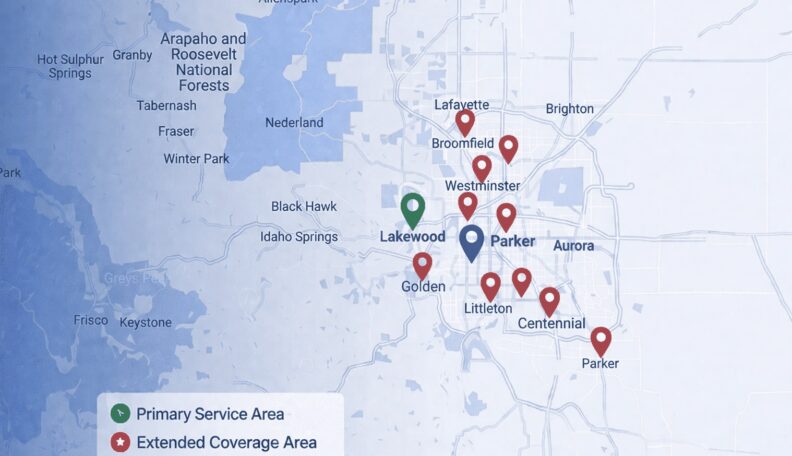
Service Area: 50+ Cities Across Metro Denver
Select Your Nearest Location
Hours: Mon-Fri 8am-5pm
Sunday Emergency Only
Avg Response Time: 18 minutes
Hours: Mon-Fri 8am-5pm
Sunday Emergency Only
Avg Response Time: 18 minutes
Hours: Mon-Fri 8am-5pm
Sunday Emergency Only
Avg Response Time: 18 minutes
Hours: Mon-Fri 8am-5pm
Sunday Emergency Only
Avg Response Time: 18 minutes
Hours: Mon-Fri 8am-5pm
Sunday Emergency Only
Avg Response Time: 18 minutes
Hours: Mon-Fri 8am-5pm
Sunday Emergency Only
Avg Response Time: 18 minutes
Hours: Mon-Fri 8am-5pm
Sunday Emergency Only
Avg Response Time: 18 minutes
Hours: Mon-Fri 8am-5pm
Sunday Emergency Only
Avg Response Time: 18 minutes
Hours: Mon-Fri 8am-5pm
Sunday Emergency Only
Avg Response Time: 18 minutes
Hours: Mon-Fri 8am-5pm
Sunday Emergency Only
Avg Response Time: 18 minutes
Hours: Mon-Fri 8am-5pm
Sunday Emergency Only
Avg Response Time: 18 minutes
Hours: Mon-Fri 8am-5pm
Sunday Emergency Only
Avg Response Time: 18 minutes
Hours: Mon-Fri 8am-5pm
Sunday Emergency Only
Avg Response Time: 18 minutes
Hours: Mon-Fri 8am-5pm
Sunday Emergency Only
Avg Response Time: 18 minutes
Hours: Mon-Fri 8am-5pm
Sunday Emergency Only
Avg Response Time: 18 minutes
We Service: Parker, Castle Rock, Greenwood Village, Lakewood, Littleton, Centennial, Highlands Ranch 40+ More Cities