

How Weather Conditions Affect Commercial Garage Door Maintenance in Parker, CO

Key Takeaways
- Parker, CO sits at approximately 5,869 feet elevation, which intensifies UV exposure, accelerates freeze-thaw cycling, and creates temperature swings that put commercial garage door hardware under stress that lower-elevation markets don’t experience at the same rate.
- Cold weather contracts metal springs and thickens lubricants, making fall service — before Parker temperatures drop sharply — the most important maintenance visit of the year for commercial doors.
- Colorado’s Front Range hail season runs May through September, and a single hail event can dent panels, crack seals, and introduce surface damage that worsens quickly if not addressed promptly.
- Parker’s dry climate means wooden components dry out and crack rather than swell, requiring a different sealing and inspection approach than humid-climate guidance recommends.
- Select Garage Doors serves commercial clients across Parker and the greater Denver metro area with weather-informed maintenance visits scheduled around the region’s actual seasonal demands.
Parker, CO commercial garage doors face weather stress that most generic maintenance guides don’t address — wide daily temperature swings, intense high-altitude UV exposure, seasonal hail, and freeze-thaw cycles that begin earlier and end later than in lower-elevation markets. Each weather pattern damages different components in different ways, and understanding that breakdown helps Parker business owners schedule maintenance before seasonal damage accumulates. Year-round upkeep matched to Parker’s actual climate is the most reliable way to keep commercial garage doors functioning and secure through every season.
Commercial garage doors play a crucial role in business operations, providing security, accessibility, and protection for goods and vehicles. However, these doors are constantly exposed to the elements, which can significantly impact their performance and longevity. Understanding the influence of weather on commercial garage door maintenance is essential for business owners and facility managers. This article explores how different weather conditions affect commercial garage doors and offers practical maintenance tips to ensure they remain in optimal condition.
-
The Effects of Heat and Sunlight
1.1 Expansion and Contraction
High temperatures can cause garage door metal components to expand, potentially leading to misalignment and difficulty opening and closing the door. Regular inspections and adjustments are necessary to address these issues.
1.2 UV Damage
Prolonged exposure to sunlight can cause fading and damage to the door’s surface, especially if it is painted or made of materials like vinyl. Applying a UV-resistant coating can help protect the door’s appearance and structural integrity.
-
The Impact of Cold Weather
2.1 Contraction and Stiffness
In cold weather, metal components contract, which can make the door harder to operate. Lubricating moving parts with a low-temperature lubricant can help maintain smooth operation during colder months.
2.2 Ice and Snow Accumulation
Ice and snow can accumulate around the door, obstructing its movement and potentially damaging the tracks and other components. Regularly clearing ice and snow from the area around the door is crucial to prevent these issues.
-
The Role of Humidity and Moisture
3.1 Rust and Corrosion
High humidity levels can lead to rust and corrosion on metal parts, compromising the door’s functionality and appearance. Applying a rust-resistant coating and performing regular maintenance can mitigate these effects.
3.2 Swelling of Wooden Doors
Wooden garage doors are particularly susceptible to moisture, which can cause them to swell and warp. Ensuring proper sealing and applying weather-resistant finishes can help protect wooden doors from moisture damage.
-
The Impact of Wind and Storms
4.1 Physical Damage
Strong winds and storms can damage garage doors physically, including dents, bending, and even detachment from the tracks. Reinforcing the door and its hardware can enhance its resistance to wind damage.
4.2 Debris Impact
Flying debris during storms can strike the garage door, causing dents and other damage. Installing impact-resistant doors or adding protective panels can minimize the risk of damage from debris.
-
Seasonal Maintenance Tips
5.1 Spring and Summer
During warmer months, focus on checking for signs of expansion and UV damage and lubricating moving parts. Clean the door and tracks to remove any accumulated dirt and debris.
5.2 Fall and Winter
As colder weather approaches, inspect the door for signs of contraction and ice accumulation. Lubricate components with a winter-grade lubricant and clear snow and ice from around the door regularly.
-
Preventative Measures for Year-Round Maintenance
6.1 Regular Inspections
Schedule regular inspections to identify and address any potential issues before they become major problems. This includes checking for rust, alignment issues, and wear on moving parts.
6.2 Professional Maintenance
Hiring a professional for regular maintenance can ensure that all components of the garage door are properly maintained and any necessary repairs are promptly addressed.
-
The Importance of Proper Installation
7.1 Quality Materials
Using high-quality materials during installation can significantly enhance the door’s durability and resistance to weather-related damage. Invest in materials that are designed to withstand local weather conditions.
7.2 Correct Installation Techniques
Ensuring that the garage door is installed correctly is crucial for its long-term performance. Improper installation can lead to misalignment and increased wear and tear, especially in adverse weather conditions.
-
Weatherproofing Solutions
8.1 Seals and Insulation
Installing weather seals and insulation can help protect the garage door from extreme temperatures and moisture. These additions can also improve energy efficiency by maintaining a stable indoor temperature.
8.2 Protective Coatings
Applying protective coatings to the garage door can shield it from UV rays, moisture, and other weather-related elements. Choose coatings specifically designed for the door’s material.
Weather can have a significant impact on the maintenance and longevity of commercial garage doors. By understanding the effects of different weather conditions and implementing appropriate maintenance practices, business owners and facility managers can ensure that their garage doors remain functional and secure year-round. Regular inspections, preventative measures, and professional maintenance are key to mitigating weather-related damage and prolonging the life of your commercial garage door.
Don’t let weather conditions compromise the safety and functionality of your commercial garage doors. Schedule a commercial garage door maintenance check today to keep your doors in optimal condition year-round. Contact us at Select Garage Doors at (720) 339-2442 to learn more about our comprehensive garage door maintenance services.
Frequently Asked Questions
How does Parker’s altitude affect commercial garage door maintenance needs?
Parker sits at approximately 5,869 feet, which increases UV intensity compared to lower-elevation locations and creates sharper thermal cycling as temperatures shift between day and night. Springs and seals wear faster under higher UV exposure and more extreme temperature variation, meaning maintenance intervals appropriate for Denver proper may be too infrequent for Parker’s conditions. A fall service visit before temperatures drop is the single most important maintenance event for commercial doors operating at Parker’s elevation.
When is the best time to schedule commercial garage door maintenance in Parker, CO?
Fall — ideally late August through October — is the highest-priority service window for Parker commercial doors. Scheduling before the first hard freeze allows lubrication to be applied while temperatures are still workable, spring tension to be checked before cold-weather contraction stress peaks, and seal condition to be assessed before winter ice events begin. A spring inspection in March or April catches the wear that winter accumulated, and a post-hail check should be done after any significant storm event between May and September regardless of the regular service schedule.
Does Colorado hail damage commercial garage doors?
Yes. Colorado’s Front Range, including Parker, is one of the most active hail zones in the country, with hail season running May through September. Steel and aluminum commercial door panels dent on direct impact, and the creases those dents create can expose bare metal that begins to rust within one or two weather cycles. Seal joints along panel edges are also vulnerable to hail impact cracking. Any significant hail event is reason enough to do a visual inspection of the full door surface before the next weather cycle arrives.
What type of lubricant should be used on commercial garage doors in Parker winters?
A winter-grade or low-temperature lubricant that maintains viscosity at sub-zero Fahrenheit temperatures is the right choice for Parker commercial doors. Standard all-purpose lubricants thicken significantly in cold weather and may not coat spring coils, hinges, and roller bearings adequately when temperatures drop sharply. Applying the right product in fall — before the first hard freeze — is more effective than trying to lubricate hardware after cold has already set in and components are already contracting under stress.
Why do commercial garage door springs fail more often in Parker winters?
Springs contract in cold weather, which increases tension in coils that are already under load from the door’s weight. Springs that entered fall with reduced cycle life remaining often reach their failure point during the first extended cold stretch, when contraction stress peaks and lubricant protection is thinnest. Parker’s elevation compounds this by creating sharper overnight temperature drops in September and October — earlier than springs in lower-elevation locations would face the same stress. A pre-winter spring inspection that replaces worn springs before the cold season is the most reliable way to prevent mid-winter spring failures on high-cycle commercial doors.
Looking for a deal?
Call us or to learn about our current promotions and seasonal offers.


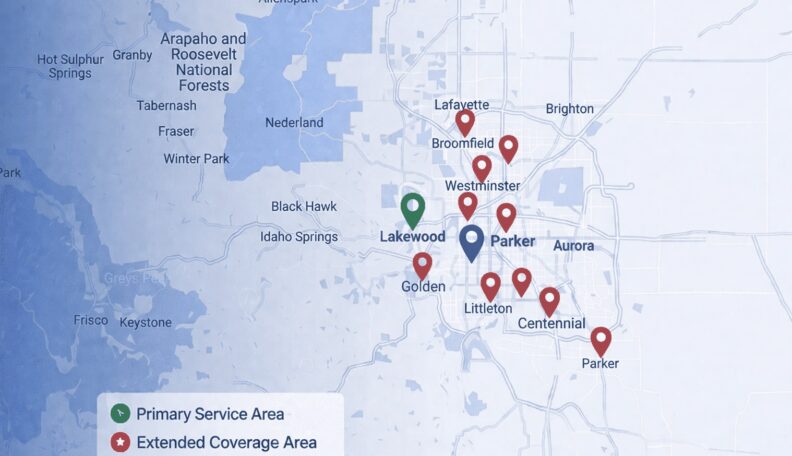
Service Area: 50+ Cities Across Metro Denver
Select Your Nearest Location
Hours: Mon-Fri 8am-5pm
Sunday Emergency Only
Avg Response Time: 18 minutes
Hours: Mon-Fri 8am-5pm
Sunday Emergency Only
Avg Response Time: 18 minutes
Hours: Mon-Fri 8am-5pm
Sunday Emergency Only
Avg Response Time: 18 minutes
Hours: Mon-Fri 8am-5pm
Sunday Emergency Only
Avg Response Time: 18 minutes
Hours: Mon-Fri 8am-5pm
Sunday Emergency Only
Avg Response Time: 18 minutes
Hours: Mon-Fri 8am-5pm
Sunday Emergency Only
Avg Response Time: 18 minutes
Hours: Mon-Fri 8am-5pm
Sunday Emergency Only
Avg Response Time: 18 minutes
Hours: Mon-Fri 8am-5pm
Sunday Emergency Only
Avg Response Time: 18 minutes
Hours: Mon-Fri 8am-5pm
Sunday Emergency Only
Avg Response Time: 18 minutes
Hours: Mon-Fri 8am-5pm
Sunday Emergency Only
Avg Response Time: 18 minutes
Hours: Mon-Fri 8am-5pm
Sunday Emergency Only
Avg Response Time: 18 minutes
Hours: Mon-Fri 8am-5pm
Sunday Emergency Only
Avg Response Time: 18 minutes
Hours: Mon-Fri 8am-5pm
Sunday Emergency Only
Avg Response Time: 18 minutes
Hours: Mon-Fri 8am-5pm
Sunday Emergency Only
Avg Response Time: 18 minutes
Hours: Mon-Fri 8am-5pm
Sunday Emergency Only
Avg Response Time: 18 minutes
We Service: Parker, Castle Rock, Greenwood Village, Lakewood, Littleton, Centennial, Highlands Ranch 40+ More Cities