


How Do You Know Your Garage Door Sensors Are Working Properly in Greenwood Village?

Healthy garage door sensors show steady indicator lights and reverse the closing door the moment their beam is interrupted. A quick monthly check in Greenwood Village, plus a wipe and a sweep during leaf season, keeps the door’s most important safety feature dependable.
Key Takeaways
- The sensors are the door’s eyes, and everything they protect depends on a clear, aligned beam.
- Steady lights and a prompt reversal during the beam test are the two signs of health.
- Fall brings the classic sensor troubles: leaves, low sun glare, and bumped brackets.
- Select Garage Doors tests and aligns sensors across Greenwood Village, CO as part of every service visit.
Of all the parts on a garage door, the two small sensors near the floor carry the biggest job: making sure the door never closes on anything, or anyone. Select Garage Doors, veteran-owned with more than 1,900 five-star reviews, checks them on every call. Here is how to know yours are doing their job.
What Do Garage Door Sensors Actually Watch For?
An invisible beam runs between the two sensors near the floor. If anything breaks that beam while the door is closing, the door stops and reverses as a protection measure.
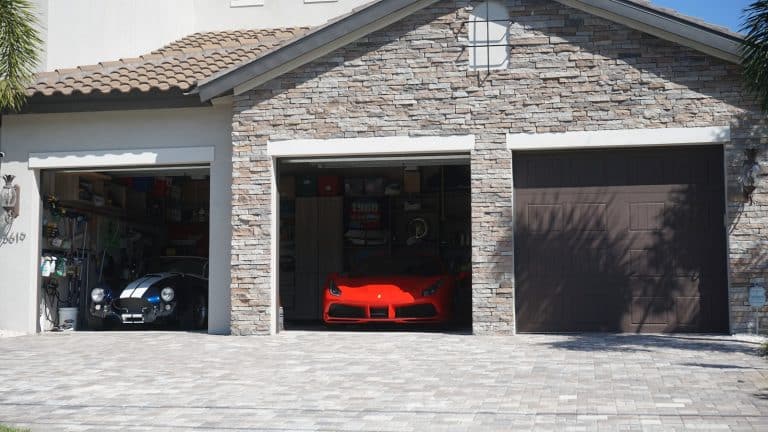
One sensor sends, the other receives, and the door’s closing logic listens to both. A child’s foot, a pet, a bike wheel, a drifted pile of leaves, anything in the beam produces the same result: the door refuses to close on it. That is exactly the behavior you want, even when the trigger is only debris.
Greenwood Village homeowners can find the Select Garage Doors Greenwood Village location on Google Maps whenever the beam’s behavior stops making sense.
How Do You Run a Quick Sensor Health Check?
Look for steady indicator lights on both sensors, then interrupt the beam with a harmless object while the door closes. A prompt stop and reversal is a pass.
The whole check takes two minutes. Steady lights mean the sensors see each other; blinking usually means misalignment or an obstruction. For the live test, start the door closing and break the beam with a broom handle or a box, never a hand or foot, and watch for the immediate reverse.
A door that hesitates, continues closing, or reverses only sometimes needs professional attention promptly. Schedule a service request and a technician will test the full safety chain with proper equipment, backed by a 5-year parts warranty.
Why Do Sensors Act Up in Fall and Winter?
Leaves pile into the beam line, low-angle sun glares into the lenses, condensation fogs them on cold mornings, and stored gear bumps brackets out of alignment.

Fall is peak season for sensor complaints, and almost none of them are broken sensors. The autumn sun sits exactly at lens height at certain hours, leaf drifts cross the beam, and the seasonal shuffling of garage stuff nudges brackets. Each has a simple fix: shade or realign, sweep, and straighten.
The reversal system itself deserves its own periodic test, covered step by step in checking whether the auto-reverse is working safely. Sensors and auto-reverse together are the door’s full safety net.
Which Sensor Symptoms Mean Repair and Which Mean Cleanup?
Blinking lights and false reversals usually mean cleanup or realignment. Dead lights, ignored obstructions, or wiring damage mean a professional visit.
Here is the quick sorting table for homeowners throughout Greenwood Village, CO:
| Symptom | Likely Cause | Action |
|---|---|---|
| Blinking sensor light | Misalignment or obstruction | Clear the area, gently square the brackets |
| Door reverses for no visible reason | Debris, glare, or fogged lenses | Sweep the line, wipe the lenses |
| A sensor light fully dark | Power or wiring issue | Professional diagnosis |
| Door closes through a blocked beam | Safety system failure | Stop using the door, call immediately |
How Do Families Keep Sensors Reliable Year-Round?
Three habits: keep the beam line clear, wipe the lenses at season changes, and include the sensor test in the monthly door check the whole household knows about.
Sensors are the one garage door part every family member interacts with daily without noticing. Teaching kids that the beam area stays clear, and adding the two-minute test to the household rhythm, turns the door’s most important safety feature into a habit instead of a hope.
Select Garage Doors is licensed and insured, BBB A+ rated, and includes sensor testing in every maintenance visit, with about 90% of calls completed the same day and the 24/7 line open for questions.
Frequently Asked Questions
What does a blinking garage door sensor light mean?
Usually that the sensors have lost sight of each other, from a bump, an obstruction, or drift. Clearing and gently realigning fixes most cases.
Why does my door reverse when nothing is there?
Something is in the beam you cannot see at a glance: leaves, cobwebs, low sun glare, or condensation on the lenses. A sweep and a wipe usually end it.
Can I test the sensors with my foot?
Never. Use a broom handle or a box for the beam test so nothing you value is under the door while it moves.
How often should sensors be checked?
A quick monthly look at the lights, plus the beam test, with extra attention during leaf season and cold snaps.
Do sensors wear out over time?
They can, along with their wiring. Dead lights or erratic behavior after cleaning and alignment point to a component ready for replacement.
Is it safe to bypass the sensors temporarily?
No. Bypassing removes the door’s main protection for anyone underneath it. Fix the cause instead; the fix is usually fast.
Does sun glare really trip sensors?
In fall and winter, yes. The low sun can flood a lens at certain hours. Small shade hoods or a slight professional realignment solve it.
Are sensor checks part of professional maintenance?
Yes. Every Select Garage Doors maintenance visit tests the sensors and the full safety chain, with same-day completion on about 90% of calls.


Looking for a deal?
Call us or to learn about our current promotions and seasonal offers.



Service Area: 50+ Cities Across Metro Denver
Select Your Nearest Location
Hours: Mon-Fri 8am-5pm
Sunday Emergency Only
Avg Response Time: 18 minutes
Hours: Mon-Fri 8am-5pm
Sunday Emergency Only
Avg Response Time: 18 minutes
Hours: Mon-Fri 8am-5pm
Sunday Emergency Only
Avg Response Time: 18 minutes
Hours: Mon-Fri 8am-5pm
Sunday Emergency Only
Avg Response Time: 18 minutes
Hours: Mon-Fri 8am-5pm
Sunday Emergency Only
Avg Response Time: 18 minutes
Hours: Mon-Fri 8am-5pm
Sunday Emergency Only
Avg Response Time: 18 minutes
Hours: Mon-Fri 8am-5pm
Sunday Emergency Only
Avg Response Time: 18 minutes
Hours: Mon-Fri 8am-5pm
Sunday Emergency Only
Avg Response Time: 18 minutes
Hours: Mon-Fri 8am-5pm
Sunday Emergency Only
Avg Response Time: 18 minutes
Hours: Mon-Fri 8am-5pm
Sunday Emergency Only
Avg Response Time: 18 minutes
Hours: Mon-Fri 8am-5pm
Sunday Emergency Only
Avg Response Time: 18 minutes
Hours: Mon-Fri 8am-5pm
Sunday Emergency Only
Avg Response Time: 18 minutes
Hours: Mon-Fri 8am-5pm
Sunday Emergency Only
Avg Response Time: 18 minutes
Hours: Mon-Fri 8am-5pm
Sunday Emergency Only
Avg Response Time: 18 minutes
Hours: Mon-Fri 8am-5pm
Sunday Emergency Only
Avg Response Time: 18 minutes
We Service: Parker, Castle Rock, Greenwood Village, Lakewood, Littleton, Centennial, Highlands Ranch 40+ More Cities