


Common Issues After Garage Door Opener Installation and How to Fix Them in Parker, CO
Key Takeaways
- Most garage door opener problems that appear right after installation in Parker, CO come from incorrect force settings, sensor misalignment, or programming errors — not from a defective unit.
- A door that reverses before closing is almost always a sensor problem, not an opener failure. Check sensor alignment and lens cleanliness before calling for a return visit.
- If the opener motor runs but the door does not move, the trolley may be disengaged or the drive gear may be stripped. Both are fixable without replacing the full opener.
- Unusual noise during early operation often points to improper rail alignment or insufficient lubrication at the time of installation — both are corrected during a follow-up adjustment visit.
- Select Garage Doors backs every garage door opener installation in Parker, CO with a documented labor warranty and a technician you can actually call back if something is not right.
Table of Contents
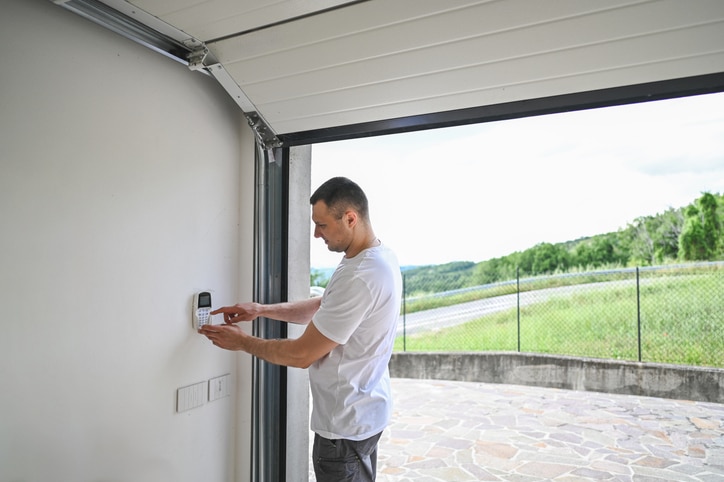
A newly installed garage door opener that does not behave as expected is frustrating, but most post-installation problems have a straightforward cause and a clear fix. Select Garage Doors installs and services garage door openers throughout Parker, CO, and the calls we receive about newly installed units follow consistent patterns. In most cases, the opener itself is fine — the issue is in how specific components were configured, calibrated, or connected during installation.
Here are the five most common issues Parker, CO homeowners run into after a new garage door opener is installed, and what the fix involves for each one.
1. Door Not Opening or Closing
A garage door opener that fails to move the door after installation in Parker, CO is most often caused by a power supply issue, a disconnected trolley, or a tripped circuit in the opener’s logic board. The first step is confirming the outlet is live and the opener is receiving power. If the unit lights up but the door does not move, the issue is usually mechanical. If nothing on the opener responds at all, the circuit breaker for the outlet or the opener’s internal circuit protection may have tripped during the initial power-up.
Check whether the red emergency release cord was pulled during installation and not re-engaged. When the cord is pulled, the trolley disconnects from the door, allowing manual operation but preventing the opener from moving the door. Re-engaging the trolley requires running the door manually to the closed position and then activating the opener to reconnect. This is one of the most common causes of “the opener runs but the door stays still” calls right after a new installation in Parker, CO.
If power is confirmed, the trolley is engaged, and the door still does not move, the travel limit settings may have been set incorrectly during installation. Garage door openers have separate up-travel and down-travel limits that tell the motor how far to move the door in each direction. An incorrect limit setting can cause the motor to stop before the door moves, or to run briefly and then stop without completing the travel. A technician can calibrate these settings in a few minutes using the adjustment procedure for the specific opener model.
2. Remote Control Not Working
A remote that fails to operate the opener after installation in Parker, CO is almost always a programming issue rather than a defective remote. During installation, remotes and keypads need to be paired to the specific opener unit using a “learn” button sequence that differs by brand and model. A remote that was not fully programmed during the installation visit, or one that lost its pairing when the opener’s logic board was reset, will not respond to button presses even though the batteries are good and the unit is operational.
The fix is simple: locate the “learn” button on the opener’s motor unit, press it, and follow the pairing sequence for the remote model you have. Most openers complete the pairing within 30 seconds. If the opener uses rolling code technology, which all modern residential openers do, the pairing process also synchronizes the rolling code sequence so the remote generates valid codes going forward.
If the remote was programmed correctly but the door does not respond from certain distances or angles, the issue may be signal interference. Parker, CO homes with heavy insulated steel doors or metal-lined garage structures can attenuate the RF signal from the remote. A remote antenna extension is available for most opener models and improves range and reliability in signal-attenuated environments without requiring any modification to the opener itself.
3. Door Reverses Before Closing
A garage door that starts closing and then reverses before reaching the floor in Parker, CO is almost always a sensor issue, not an opener failure. Every residential garage door opener includes photo-eye sensors mounted near the floor on both sides of the door. These sensors project a beam across the opening and reverse the door any time the beam is broken. A sensor that is misaligned, has a dirty lens, or is picking up interference from afternoon sunlight will trigger a reversal on every close attempt even when nothing is actually in the path.
Check both sensors for solid indicator lights. If either sensor has a blinking or off indicator light, the beam path is broken or the lenses need cleaning. On a newly installed opener, misalignment is the most common cause — sensors that were positioned correctly during installation can shift slightly if the mounting bracket was not fully tightened. A small adjustment to restore proper alignment between the transmitting and receiving sensors usually resolves the reversal behavior immediately.
In Parker, CO, west-facing garages are prone to afternoon sun interference where direct sunlight hits the receiving sensor and mimics a blocked beam. Angling both sensors slightly downward and inward eliminates most sun-angle interference without special equipment. If the door reverses reliably in late afternoon but operates normally in the morning, sun interference is almost certainly the cause. Our guide on avoiding costly mistakes with emergency opener repairs in Parker, CO covers what happens when sensor issues go unaddressed and drive larger repair costs.
4. Opener Motor Runs but Door Does Not Move
When the opener motor activates and you can hear it running, but the door stays in place, the two most likely causes in Parker, CO are a disengaged trolley or a stripped drive gear. A disengaged trolley is the simpler of the two — it means the red emergency release cord was pulled during installation and the trolley was never re-engaged with the door. A stripped gear is more serious and requires a gear replacement, but it typically produces a distinctive grinding sound as the motor spins without load, which separates it from a simple disconnected trolley.
Confirming which cause applies is straightforward. With the opener running, look at the trolley — the carriage that slides along the rail. If the trolley is moving but the door is not, the trolley is disengaged from the door arm. If the trolley is not moving but the motor is clearly running, the drive gear inside the motor unit has likely stripped. A stripped gear is most common when the opener was used to force a door that was locked, frozen to the frame, or had a broken spring at the time of installation.
Re-engaging a disengaged trolley requires closing the door manually, then pulling the release cord toward the motor unit to re-engage the carriage, and then running the opener through one cycle to lock the engagement. Gear replacement is a technician repair — the motor unit needs to be opened, the old gear removed, and a replacement installed with the correct lubricant packed into the gear housing.
5. Unusual Noise During Operation
Rattling, grinding, or scraping noise from a newly installed garage door opener in Parker, CO usually points to one of three installation conditions: the drive rail was not properly aligned with the door’s center, the trolley fasteners were not fully torqued during installation, or the opener was mounted without enough clearance for the drive rail to flex naturally during door travel. Any of these produces noise during early operation that gets worse as the door cycles and the loose component shifts further.
Chain drive openers produce a characteristic slapping or rattling sound if the chain tension is set incorrectly at installation. A loose chain slaps against the drive rail on every cycle and produces a noise that sounds more serious than it is. Chain tension adjustment is a straightforward service item that takes less than 15 minutes and eliminates the noise without requiring any part replacement. Belt drive openers are quieter but can produce a rhythmic clicking sound if the belt tension is uneven or if the belt tracking is off-center on the trolley carriage.
Parker’s temperature swings can reveal noise issues that were not apparent on the day of installation. An opener installed during a warm afternoon may develop rattling or clicking on the first cold morning as metal components contract and loose fasteners shift. If the noise is new and appeared after the first cold spell following installation, hardware tightening is the first step. A technician can work through every fastener in the opener mounting and rail assembly and eliminate most vibration-induced noise in a single service call.
Getting Your Opener Right After Installation in Parker, CO
Most post-installation opener problems in Parker, CO are resolved without replacing the unit. Force calibration, sensor alignment, trolley re-engagement, and hardware tightening address the majority of the complaints homeowners call about in the weeks after a new opener is installed. The key is not ignoring the issue and assuming it will work itself out, because most of these problems get worse with continued use, not better.
Select Garage Doors is a veteran-owned, BBB A+ rated company. Every opener installation includes a documented labor warranty so if something is not right after we leave, you have a clear path to call us back. Book a service visit or call 720-339-2442.
Parker homeowners and neighbors in Castle Rock, Greenwood Village, Lakewood, and throughout the Denver metro can reach Select Garage Doors for opener installation and follow-up service.
Frequently Asked Questions
Why is my new garage door opener not responding to the remote in Parker, CO?
The most common cause is an incomplete pairing between the remote and the opener’s logic board. During installation, remotes must be programmed using the opener’s “learn” button sequence — this step is sometimes rushed or skipped on a busy installation day. Locate the learn button on the motor unit, press it, then press the remote button you want to use within 30 seconds to complete the pairing. If the opener uses rolling code technology, pairing also synchronizes the code sequence. If reprogramming does not resolve it, signal interference or a failed learn button on the opener itself may need professional assessment.
How do I re-engage my garage door opener trolley after it was disconnected in Parker, CO?
Close the garage door manually by pulling it down to the floor with the opener disconnected. With the door closed, locate the red emergency release cord hanging from the trolley and pull it toward the motor unit rather than straight down. This repositions the spring clip that re-engages the trolley with the door’s carriage. Then activate the opener from the wall button. The opener will run the trolley back to the carriage and click it into place, restoring powered operation. If the trolley does not engage after two or three cycles, a technician should inspect the carriage and trolley mechanism for wear or misalignment.
Why does my garage door opener reverse immediately after starting to close in Parker, CO?
Immediate reversal on close is almost always caused by a safety sensor problem rather than an opener malfunction. Check that both photo-eye sensors mounted near the floor have solid indicator lights and that nothing is blocking the beam path between them. If one light is blinking, the sensor is misaligned or has a dirty lens. Clean both sensor lenses with a dry cloth and gently adjust the misaligned sensor until both lights are solid. In Parker, CO, afternoon sunlight hitting west-facing garage sensors also causes this behavior, which is resolved by angling the sensors slightly downward and inward.
How do I know if my garage door opener drive gear is stripped in Parker, CO?
A stripped drive gear produces a distinctive sound: the motor runs at normal speed but produces a grinding or spinning-free sound without any mechanical resistance, and the trolley does not move at all. This is different from a disengaged trolley, where the motor and trolley both move but the door does not. A stripped gear typically results from the opener being used to force a door that was locked, mechanically jammed, or had a broken spring at the time. The repair requires opening the motor unit and replacing the drive gear and worm gear assembly, which a technician can complete in one service call.
Is rattling normal for a newly installed garage door opener in Parker, CO?
No. A properly installed opener runs without significant rattling or vibration during normal operation. Rattling on a new installation in Parker, CO usually means a mounting fastener was not fully tightened, the drive chain tension is set too loose, or the rail is not properly centered with the door. All of these are installation adjustments that a technician should address under the labor warranty if they appear within the warranty period. Parker’s temperature swings can also reveal loose hardware that was not apparent on the installation day, as metal components contract in cold weather and loose fasteners shift position.
Looking for a deal?
Call us or to learn about our current promotions and seasonal offers.



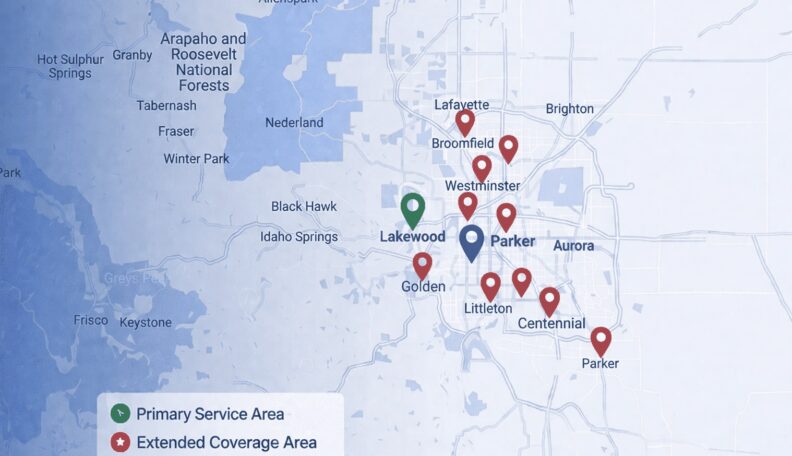
Service Area: 50+ Cities Across Metro Denver
Select Your Nearest Location
Hours: Mon-Fri 8am-5pm
Sunday Emergency Only
Avg Response Time: 18 minutes
Hours: Mon-Fri 8am-5pm
Sunday Emergency Only
Avg Response Time: 18 minutes
Hours: Mon-Fri 8am-5pm
Sunday Emergency Only
Avg Response Time: 18 minutes
Hours: Mon-Fri 8am-5pm
Sunday Emergency Only
Avg Response Time: 18 minutes
Hours: Mon-Fri 8am-5pm
Sunday Emergency Only
Avg Response Time: 18 minutes
Hours: Mon-Fri 8am-5pm
Sunday Emergency Only
Avg Response Time: 18 minutes
Hours: Mon-Fri 8am-5pm
Sunday Emergency Only
Avg Response Time: 18 minutes
Hours: Mon-Fri 8am-5pm
Sunday Emergency Only
Avg Response Time: 18 minutes
Hours: Mon-Fri 8am-5pm
Sunday Emergency Only
Avg Response Time: 18 minutes
Hours: Mon-Fri 8am-5pm
Sunday Emergency Only
Avg Response Time: 18 minutes
Hours: Mon-Fri 8am-5pm
Sunday Emergency Only
Avg Response Time: 18 minutes
Hours: Mon-Fri 8am-5pm
Sunday Emergency Only
Avg Response Time: 18 minutes
Hours: Mon-Fri 8am-5pm
Sunday Emergency Only
Avg Response Time: 18 minutes
Hours: Mon-Fri 8am-5pm
Sunday Emergency Only
Avg Response Time: 18 minutes
Hours: Mon-Fri 8am-5pm
Sunday Emergency Only
Avg Response Time: 18 minutes
We Service: Parker, Castle Rock, Greenwood Village, Lakewood, Littleton, Centennial, Highlands Ranch 40+ More Cities