
What to Expect During a Comprehensive Commercial Garage Door Repair in Parker, CO
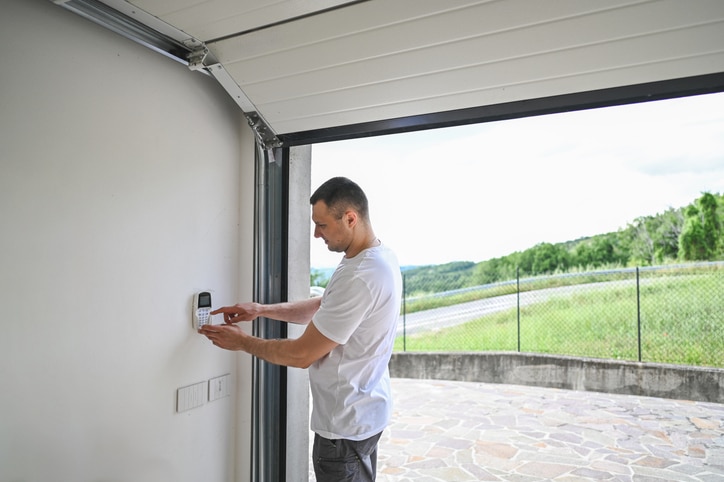
A jammed or off-track commercial garage door takes a business offline in minutes. Forklifts back up, deliveries stall, security gets thin, and every hour the door stays down costs money. A thorough repair is more than swapping the broken part; it is a five-phase process that resolves the immediate failure and rules out the underlying issue that caused it.
At Select Garage Doors, we are a veteran-owned shop based in Parker, CO running residential and commercial garage door service across the Denver Metro area. Our team works on overhead, sectional, and rolling steel doors for shops, warehouses, and HOA-managed properties, and we bring the same step-by-step process to every commercial call. If your door is down right now, reach our team at Select Garage Doors for service backed by our 100% Satisfaction Guarantee.
The Initial Walkthrough and Inspection
Every comprehensive repair starts with an inspection of the door as a system. The technician checks the panels, the track, the springs, the cables, the rollers, the opener motor, the safety sensors, and the control wiring before quoting any work. Skipping this step is how shops miss the actual failure and end up back at the property a week later.
What We Check on a Commercial Door Inspection
- Door panel alignment, dents, and corrosion at the hinges
- Track straightness, mounting bolts, and side-room clearance
- Spring shaft, end bearings, and torsion spring wind count
- Cables, drums, and bottom bracket condition
- Opener motor, chain or jackshaft drive, and limit switches
- Photo eye sensors, reversing edge, and control wiring
A written diagnostic at the end of the walkthrough lists every issue found, ranked by safety impact and downtime risk. You should have that document before any work begins.
Diagnosing the Underlying Mechanical Issue
A commercial door rarely fails in isolation. A blown spring is often a symptom of a track that has shifted out of plumb. A burned opener motor often points to overcycled limit switches. The diagnosis step finds the root cause so the next repair is the last repair.
Common root-cause patterns we see across Denver Metro commercial properties:
- An opener that cycles short because the door is binding in a misaligned track
- Spring fatigue accelerated by an unbalanced door dragging on every open
- Sensor faults caused by loose wiring in conduit hit during a previous forklift incident
- Hinge wear that mimics opener failure because the door is heavier to lift than rated
Skipping the root cause is the difference between a one-day repair and a return visit in six weeks.
Repair vs. Replacement of Parts
Once the root cause is on paper, the decision shifts to repair or replace. Springs, rollers, cables, hinges, and panels each have their own service economics, and the right call usually depends on cycle history, part age, and the cost differential.
How We Decide What to Repair and What to Replace
| Part | Repair Makes Sense When | Replacement Makes Sense When |
|---|---|---|
| Springs | Single break, less than half rated cycle life used | Both springs broken, or one past its rated cycle life |
| Rollers | Two or fewer worn, the rest in good shape | More than half worn, noisy, or with bearing play |
| Cables | Frayed only at the drum, anchor intact | Visible rust, broken strands, or stretched length |
| Opener Motor | Drive intact, limit switch or capacitor issue | Burned motor, broken drive, or model out of parts |
| Panels | Single panel dented, no track damage | Multiple panels damaged, or door past twelve to fifteen years |
We give you both options in writing so you can compare against budget and downtime tolerance, then make the call.
Lubrication, Alignment, and Spring Tension Tuning
Lubrication and tuning sound like the smallest part of the repair. They are also the work that decides whether the door lasts twelve months or six. A properly tuned commercial door cycles quietly, balances at half-open, and reverses on contact every time.
The tuning checklist we run on every commercial job:
- Lithium-based grease applied to hinges, bearings, and roller stems
- Spring tension set to balance the door at the half-open position
- Track gap and plumb verified within manufacturer tolerance
- Drive chain or belt tension adjusted to spec
- Opener force and travel limits reset to match the new spring tension
Skipping any of these turns a finished repair into a repeat call.
Final Testing and Safety Sign-Off
The repair is not done when the parts are installed. The crew runs a full safety cycle through the door, tests every reversing mechanism, and walks the operator through the changes before pulling off the property.
The Safety Sign-Off Checklist
- Five-cycle open-and-close test under load
- Reversing edge test with a 1.5-inch object on the threshold
- Photo eye blockage test mid-cycle
- Manual disconnect and re-engage test
- Operator walkthrough of any changes to the wall station or remotes
A repair invoice without a documented test cycle is incomplete. Ask for the test results in writing before signing off on the job.
Where to Start When Your Commercial Door Goes Down
A comprehensive commercial garage door repair runs across the five phases above: inspection, root-cause diagnosis, parts decision, tuning, and safety sign-off. Each phase exists for a reason, and shortcutting any of them is how a small repair becomes a return visit a month later.
When your overhead or sectional door fails in the Denver Metro area, our team is on the line. Call (720) 339-2442 to schedule a commercial garage door visit, request a written estimate, or get our crew dispatched to your property today.
Frequently Asked Questions
How long does a comprehensive commercial garage door repair usually take?
Most repairs run between two and five hours on-site, depending on whether parts need to be sourced. A full opener replacement or panel swap on a large overhead door can take a full day.
Can you repair a commercial garage door without stopping the business?
Often yes, if the failure is limited to one part of the system. We schedule larger jobs around off-hours or weekend windows to keep operations running where the work allows.
What is the most common commercial garage door failure?
Spring breakage is the most common single failure on overhead doors, followed by opener motor faults and track misalignment. All three usually surface during a proper inspection.
How often should a commercial garage door be inspected?
Most manufacturers recommend a professional inspection every six months for doors that cycle more than ten times per day. Higher-cycle doors in warehouse settings benefit from quarterly checks.
Do you service overhead, sectional, and rolling steel doors?
Yes. We work on overhead, sectional, and rolling steel doors for shops, warehouses, and HOA-managed properties across the Denver Metro area.
What should a written commercial garage door estimate include?
A clear estimate lists every part by brand and grade, separates the service-call fee from labor, states the warranty terms, and offers a repair-versus-replace option when one applies.
What warranty should I expect on a commercial garage door repair?
Most reputable shops cover parts for one to three years and labor for at least ninety days. Commercial-grade springs and openers often carry longer warranties tied to cycle ratings.
Can you provide same-week service for a commercial door that is down?
Most weeks, yes. We prioritize commercial repairs that are blocking business operations and aim to dispatch within the soonest available window.

Looking for a deal?
Call us or to learn about our current promotions and seasonal offers.


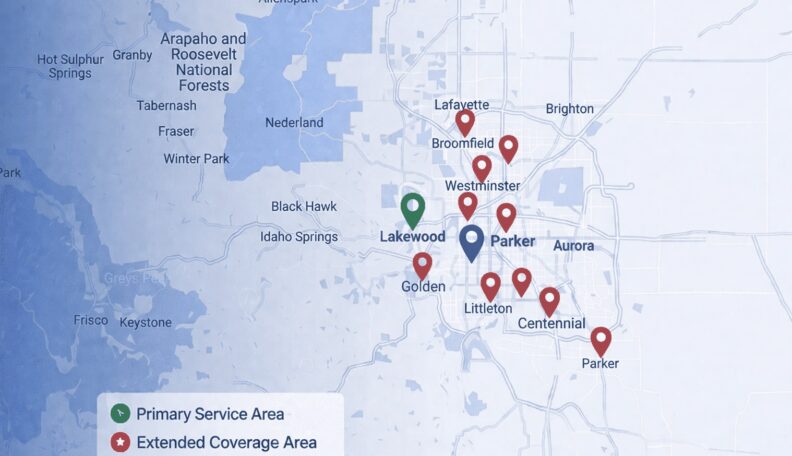
Service Area: 50+ Cities Across Metro Denver
Select Your Nearest Location
Hours: Mon-Fri 8am-5pm
Sunday Emergency Only
Avg Response Time: 18 minutes
Hours: Mon-Fri 8am-5pm
Sunday Emergency Only
Avg Response Time: 18 minutes
Hours: Mon-Fri 8am-5pm
Sunday Emergency Only
Avg Response Time: 18 minutes
Hours: Mon-Fri 8am-5pm
Sunday Emergency Only
Avg Response Time: 18 minutes
Hours: Mon-Fri 8am-5pm
Sunday Emergency Only
Avg Response Time: 18 minutes
Hours: Mon-Fri 8am-5pm
Sunday Emergency Only
Avg Response Time: 18 minutes
Hours: Mon-Fri 8am-5pm
Sunday Emergency Only
Avg Response Time: 18 minutes
Hours: Mon-Fri 8am-5pm
Sunday Emergency Only
Avg Response Time: 18 minutes
Hours: Mon-Fri 8am-5pm
Sunday Emergency Only
Avg Response Time: 18 minutes
Hours: Mon-Fri 8am-5pm
Sunday Emergency Only
Avg Response Time: 18 minutes
Hours: Mon-Fri 8am-5pm
Sunday Emergency Only
Avg Response Time: 18 minutes
Hours: Mon-Fri 8am-5pm
Sunday Emergency Only
Avg Response Time: 18 minutes
Hours: Mon-Fri 8am-5pm
Sunday Emergency Only
Avg Response Time: 18 minutes
Hours: Mon-Fri 8am-5pm
Sunday Emergency Only
Avg Response Time: 18 minutes
Hours: Mon-Fri 8am-5pm
Sunday Emergency Only
Avg Response Time: 18 minutes
We Service: Parker, Castle Rock, Greenwood Village, Lakewood, Littleton, Centennial, Highlands Ranch 40+ More Cities