

DIY vs Professional Garage Door Services: What’s Best for You?
Key Takeaways
- Minor garage door maintenance like lubrication, weatherstripping replacement, and hardware tightening is safe for most Parker homeowners to handle on their own. These tasks require no special tools and can extend the life of your door between service visits.
- Torsion springs, cables, and opener wiring carry serious injury risks and should always be left to a licensed technician. Garage doors can weigh 130 to 400 pounds, and mishandling high-tension components leads to thousands of emergency room visits each year.
- DIY repairs that go wrong often cost more than hiring a technician from the start. Incorrect spring adjustments or misaligned tracks can damage panels, strip gears, and void manufacturer warranties.
- Select Garage Doors serves Parker and the greater Denver metro area with transparent pricing, so homeowners can get a clear estimate before any work begins. Knowing the true cost helps you decide whether a repair is worth doing yourself or handing off to a trained technician.
- Colorado’s wide temperature swings put extra stress on garage door hardware, making seasonal inspections especially important for homes in Parker and surrounding Douglas County communities.
Table of Contents
- DIY vs. Hiring a Garage Door Technician in Parker, CO
- When to Call a Garage Door Technician
- Parker Homeowners Deserve Reliable Garage Door Service
- Frequently Asked Questions
Your garage door is one of the largest moving parts of your Parker home, and it takes a beating from Colorado’s hot summers and freezing winters alike. When something goes wrong, the first question most homeowners ask is whether they can fix it themselves or need to bring in a licensed technician. Select Garage Doors works with Parker residents every week, and the answer depends on the specific repair, the tools you have, and how comfortable you are working with heavy, spring-loaded hardware. This guide breaks down which tasks are safe to tackle on your own and which ones call for trained hands.
DIY vs. Hiring a Garage Door Technician in Parker, CO
1. What Garage Door Tasks Can Parker Homeowners Safely Do Themselves?
Routine maintenance like lubricating hinges, rollers, and tracks with a silicone-based spray is safe for most homeowners and takes less than 30 minutes. You can also replace weatherstripping, tighten loose bolts, swap out remote batteries, and clean the photo-eye sensors without any specialized training.
These small jobs go a long way in Parker’s climate. Dust from nearby construction and temperature shifts between day and night can dry out moving parts quickly. A quarterly application of garage door lubricant keeps rollers running quietly and reduces wear on the opener motor. Many Parker suburban homes with attached garages notice squeaking or grinding noises that disappear after a simple lubrication routine.
Weatherstripping is another easy win. The rubber seal along the bottom of your garage door cracks and hardens over Colorado winters. Replacing it restores the thermal barrier between your garage and the outdoors, which matters for energy bills in Denver metro homes where the garage shares a wall with a heated living space. You can pick up replacement weatherstripping at any local hardware store and install it with basic hand tools.
If your garage door remote stops responding, start with the simplest fix: replace the battery. If the wall-mounted button still operates the door, the issue is almost certainly the remote and not the opener itself. Reprogramming a remote is a straightforward process covered in the owner’s manual.
2. Why Is DIY Garage Door Spring Repair Dangerous?
Torsion springs store enough energy to cause severe injury or death if they release unexpectedly. These components are wound under extreme tension, and a single mistake during removal or adjustment can send metal parts flying with enough force to break bones, shatter car windows, or worse.
The Door and Access Systems Manufacturers Association (DASMA) strongly advises against homeowner spring replacement. Torsion springs mount on a steel shaft above the door and require winding bars and precise calculations based on door weight and size. Extension springs, found on older homes throughout Parker and Castle Rock, stretch along the horizontal tracks and can whip violently when they snap.
Many Parker homeowners underestimate the weight involved. A standard two-car garage door weighs between 150 and 250 pounds, and the springs are the only thing counterbalancing that load. Without them, the door becomes dead weight. Attempting to open or prop up a door with a broken spring is one of the most common causes of garage door injuries nationwide.
Cable replacement falls into the same category. Cables work alongside springs to lift and lower the door, and they operate under similar tension. If a cable frays or snaps, the door can drop suddenly on one side, damaging panels and creating a serious crush hazard.
3. How Much Does Professional Garage Door Repair Cost Compared to DIY?
DIY repairs appear cheaper upfront, but incorrect fixes often lead to higher total costs. A botched spring adjustment can strip the opener gear, bend tracks, or crack panels, turning a single repair into multiple replacements that far exceed the price of a service call.
For simple maintenance, DIY costs are minimal. These are genuine savings because the labor involved is minimal and the risk of making things worse is low.
The math changes for anything involving springs, cables, or the opener mechanism. Specialized winding bars, torque wrenches, and safety equipment add up fast, and most homeowners only use them once. A trained technician already owns these tools and can complete the work in a fraction of the time. Factor in the cost of a warranty void from a DIY attempt, and the savings disappear.
Homeowners in Parker’s HOA communities should also consider that some associations require licensed contractors for exterior work, including garage doors. A repair that does not meet community standards can result in fines or a requirement to redo the job.
4. Will a DIY Repair Void My Garage Door Warranty?
Most garage door and opener manufacturers require installation and repair by a licensed technician to keep the warranty valid. Performing your own spring replacement, panel swap, or opener repair can void coverage immediately, leaving you responsible for the full cost of any future failure.
Check your warranty documentation before starting any repair beyond basic maintenance. LiftMaster, Chamberlain, and Clopay all include language that limits coverage to work performed by authorized service providers. If a spring breaks six months after a DIY installation and the manufacturer determines the door was improperly balanced, the claim will be denied.
This is especially relevant for newer homes in the Denver metro area where builders install warranty-covered doors as part of the purchase. Losing that coverage in the first few years of ownership can mean hundreds or thousands of dollars in out-of-pocket costs.
5. How Do Colorado’s Weather Conditions Affect Garage Door Repairs?
Parker’s wide temperature range, from single digits in winter to the 90s in summer, causes metal springs and hardware to expand and contract repeatedly. This thermal cycling accelerates wear on springs, rollers, and weatherstripping faster than in milder climates, making seasonal inspections critical.
Cold weather is particularly hard on torsion springs. Metal becomes more brittle at low temperatures, and springs that are near the end of their cycle life are most likely to snap on a freezing morning when you need your car. Douglas County homeowners often discover a broken spring on the coldest day of the year because that is when the metal is under the most stress.
Summer heat affects the opener and the weatherstripping. Rubber seals soften and deform in direct sunlight, and opener motors can overheat in a garage that reaches 100 degrees or more. Keeping the garage ventilated and checking the opener’s thermal protection system are both easy tasks homeowners can handle without professional help.
Seasonal inspections in spring and fall give you a chance to catch small problems before they become expensive repairs. A visual check of springs for gaps or rust, a test of the door’s balance by disconnecting the opener and lifting by hand, and an inspection of the tracks for debris or dents are all within the DIY comfort zone.
6. What Tools and Safety Equipment Do You Need for DIY Garage Door Work?
Basic maintenance requires only a step ladder, socket set, silicone lubricant, and safety glasses. Any repair involving springs, cables, or the opener’s internal wiring demands winding bars, vise grips, a torque wrench, and protective gear that most homeowners do not own and should not purchase for a one-time job.
For safe DIY tasks, keep a dedicated garage door maintenance kit on hand. A silicone-based spray (not WD-40, which attracts dust), a socket set for tightening lag bolts and bracket hardware, and a level for checking track alignment cover the basics. Add a pair of work gloves and safety glasses, and you are equipped for quarterly maintenance.
Spring work requires an entirely different set of tools and knowledge. Winding bars must be the correct diameter for the spring’s winding cone, and using a screwdriver or pry bar as a substitute is one of the most common causes of DIY spring injuries. A torque wrench is needed to set proper tension, and clamps or vise grips are used to secure the door in place during the repair. OSHA workplace safety standards treat garage door springs as a recognized hazard, and the same respect applies in a residential setting.
If you find yourself shopping for tools you have never used before, that is a strong signal the repair belongs in the hands of a licensed technician.
When to Call a Garage Door Technician
Not every garage door problem is a DIY project, and recognizing the dividing line protects both your safety and your wallet. Here is a clear breakdown for Parker homeowners.
Handle it yourself:
- Lubricating hinges, rollers, and tracks
- Replacing the bottom weatherstrip
- Tightening loose hardware and brackets
- Swapping remote batteries or reprogramming the remote
- Cleaning and realigning photo-eye sensors
- Visual inspections of springs, cables, and tracks
Call a licensed technician:
- Broken or visibly damaged torsion or extension springs
- Frayed, loose, or snapped cables
- Door off track or hanging unevenly
- Opener motor failure or internal gear damage
- Panel replacement
- Full door installation or replacement
- Any repair your warranty requires a licensed provider to perform
When in doubt, a quick phone call to 720-339-2442 can help you figure out whether the issue is something you can address on your own or whether a technician should take a look. There is no charge for asking.
Parker Homeowners Deserve Reliable Garage Door Service
Knowing what you can handle and what needs trained hands saves you time, money, and the risk of making a small problem worse. For the repairs that fall outside the DIY zone, Select Garage Doors is here for Parker homeowners and the surrounding Denver metro area. We serve Parker, Castle Rock, Greenwood Village, Lakewood, and the greater Denver metro area.
Book your service appointment online or call 720-339-2442 to speak with a technician today.
Frequently Asked Questions
Is it safe to replace a garage door spring yourself?
No. Torsion and extension springs are under extreme tension and can cause serious injury if handled without proper tools and training. Always hire a licensed technician for spring work.
What garage door repairs can I do myself in Parker, CO?
You can safely lubricate moving parts, replace weatherstripping, tighten hardware, clean photo-eye sensors, and swap remote batteries. These tasks require no special tools or training.
How often should I maintain my garage door in Colorado?
At least twice a year, in spring and fall. Colorado’s temperature extremes accelerate wear on springs, rollers, and seals, so seasonal inspections help catch problems early.
Will fixing my garage door myself void the warranty?
It can. Most manufacturers require a licensed technician for repairs beyond basic maintenance. Check your warranty terms before attempting any work on springs, panels, or openers.
How do I know if my garage door spring is about to break?
Look for visible gaps in the coils, heavy rust, or a door that feels unusually heavy when lifted by hand. A loud bang from the garage often means a spring has already snapped.
How much can I save by doing garage door repairs myself?
But DIY attempts on springs or cables can lead to damage that costs more than the original repair.




Looking for a deal?
Call us or to learn about our current promotions and seasonal offers.


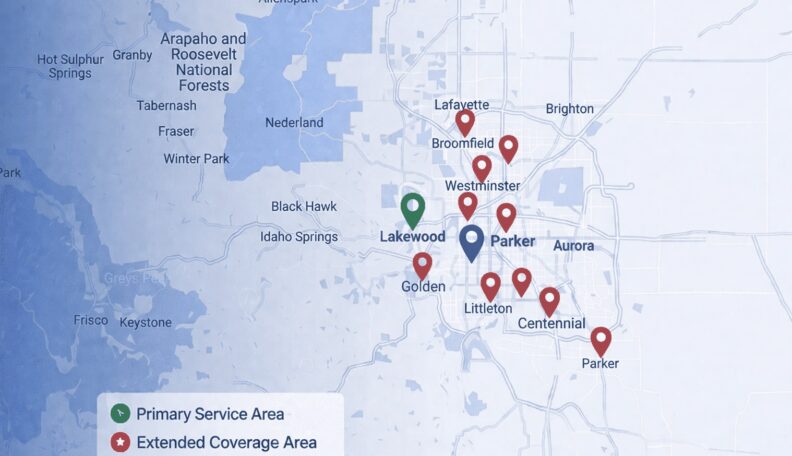
Service Area: 50+ Cities Across Metro Denver
Select Your Nearest Location
Hours: Mon-Fri 8am-5pm
Sunday Emergency Only
Avg Response Time: 18 minutes
Hours: Mon-Fri 8am-5pm
Sunday Emergency Only
Avg Response Time: 18 minutes
Hours: Mon-Fri 8am-5pm
Sunday Emergency Only
Avg Response Time: 18 minutes
Hours: Mon-Fri 8am-5pm
Sunday Emergency Only
Avg Response Time: 18 minutes
Hours: Mon-Fri 8am-5pm
Sunday Emergency Only
Avg Response Time: 18 minutes
Hours: Mon-Fri 8am-5pm
Sunday Emergency Only
Avg Response Time: 18 minutes
Hours: Mon-Fri 8am-5pm
Sunday Emergency Only
Avg Response Time: 18 minutes
Hours: Mon-Fri 8am-5pm
Sunday Emergency Only
Avg Response Time: 18 minutes
Hours: Mon-Fri 8am-5pm
Sunday Emergency Only
Avg Response Time: 18 minutes
Hours: Mon-Fri 8am-5pm
Sunday Emergency Only
Avg Response Time: 18 minutes
Hours: Mon-Fri 8am-5pm
Sunday Emergency Only
Avg Response Time: 18 minutes
Hours: Mon-Fri 8am-5pm
Sunday Emergency Only
Avg Response Time: 18 minutes
Hours: Mon-Fri 8am-5pm
Sunday Emergency Only
Avg Response Time: 18 minutes
Hours: Mon-Fri 8am-5pm
Sunday Emergency Only
Avg Response Time: 18 minutes
Hours: Mon-Fri 8am-5pm
Sunday Emergency Only
Avg Response Time: 18 minutes
We Service: Parker, Castle Rock, Greenwood Village, Lakewood, Littleton, Centennial, Highlands Ranch 40+ More Cities